
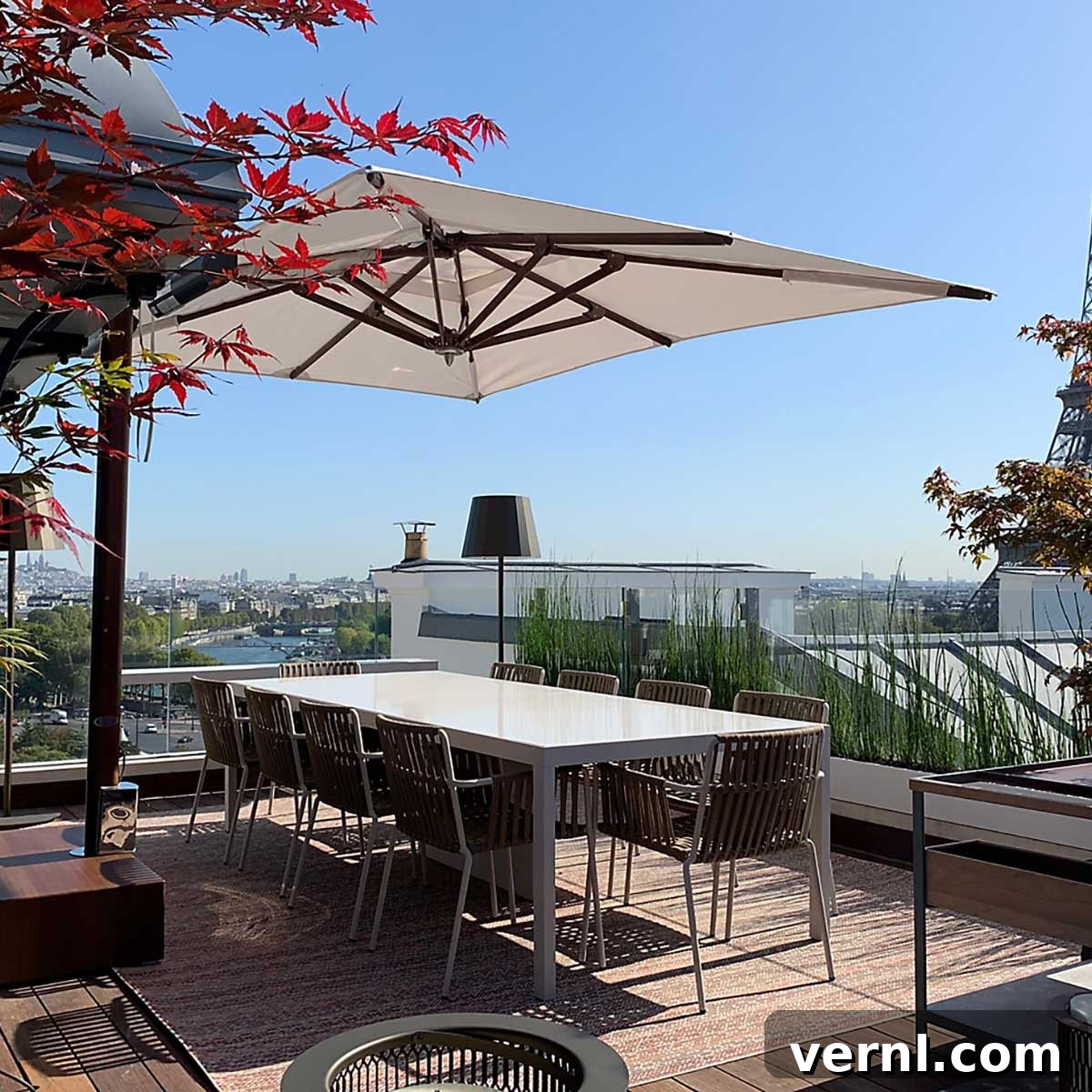
For years, the phrase “outdoor carpet” might have conjured images of coarse, utilitarian plastic shag, perhaps reminiscent of artificial turf. However, this perception is rapidly changing. Today’s outdoor carpets are a far cry from their predecessors – they are softer, significantly more stylish, and engineered for exceptional longevity. Homeowners are increasingly discovering the transformative power of modern outdoor carpet, utilizing it to elevate their patios and decks into inviting, functional extensions of their indoor living spaces, perfect for relaxation or lively entertaining.
Much like its indoor counterpart, outdoor carpet serves as a remarkably versatile decorative element. It can effortlessly infuse an open-air living area with a vibrant splash of color or an eye-catching pattern, instantly enhancing the aesthetic appeal. Beyond its visual charm, it provides a wonderfully comfortable and cushioned surface, making it a pleasure to walk on barefoot. This blend of style and comfort is a key driver behind its rising popularity, allowing for a seamless transition between indoor and outdoor aesthetics.
“The sheer variety of decorative options available today means you can easily find a style that beautifully complements and unifies with your home’s existing interiors,” observes renowned interior designer and HGTV host Arlene Gibbs. What truly sets outdoor carpet apart, however, is its robust construction. Unlike traditional indoor carpet, you can bid farewell to worries about dirt, persistent rain, or harsh sun damage. This resilient, fade-resistant floor covering is specifically designed to withstand the rigors of the elements without succumbing to wear or losing its vibrant appearance.
To help you navigate the diverse market and select the ideal outdoor carpet that perfectly aligns with your aesthetic preferences, functional requirements, and budget, we’ve compiled this comprehensive buying guide. Dive in to discover everything you need to know about transforming your outdoor space.
What Exactly Is Modern Outdoor Carpet?
At its core, modern outdoor carpet is an ingeniously engineered flooring solution designed to thrive in exterior environments. Crafted primarily from high-performance synthetic or select natural fibers, these materials are inherently fade-resistant and specifically chosen for their inability to trap dirt, moisture, or pet dander. This thoughtful construction ensures the carpet can effectively weather various climatic conditions – from intense sunlight and torrential rain to heavy foot traffic – all without compromising its color integrity or developing unsightly mold and mildew, which are common concerns with less suitable materials.
The typical design of this durable floor covering features a low pile or a flat weave construction. This specific texture is not just about aesthetics; it’s a critical functional aspect that makes cleaning incredibly easy and prevents debris from embedding deep within the fibers. Modern outdoor carpet is widely available in several formats to suit different installation needs: broadloom rolls, which offer seamless wall-to-wall coverage for larger areas; and convenient tiles or planks, which provide greater flexibility for customization and easier DIY installation. These versatile formats allow for complete floor covering, or they can be precisely cut into smaller pieces, finished around the edges, to create functional and stylish outdoor area rugs that define specific zones within a larger outdoor living space. The underlying backing material is also crucial, with marine-grade backings being a popular choice for superior water resistance and enhanced durability, particularly in exposed or damp environments.
Exploring the Diverse Types of Outdoor Carpet Materials
The foundation of an outdoor carpet’s performance lies in its material composition. While a small selection of natural fibers offers unique aesthetics, the vast majority of high-quality outdoor carpets are manufactured from advanced synthetic fibers. These engineered materials are rigorously tested and treated to be UV-stable, ensuring their vibrant colors resist fading even under prolonged sun exposure. Furthermore, they are inherently resistant to mold and mildew, and possess the remarkable durability required to withstand the demands of bustling outdoor gatherings, barbecues, and everyday use throughout long summers and beyond. When making your selection, always prioritize options with marine backing for superior water resistance, especially if the carpet will be in an area frequently exposed to rain or in consistently damp climates. Let’s delve into the specific characteristics of the most common types:
-
Polypropylene (a.k.a. Olefin): This synthetic fiber is arguably the most prevalent material used in outdoor carpet manufacturing, and for good reason. Polypropylene is celebrated for its exceptional colorfastness, meaning its vibrant hues are locked in during the manufacturing process and are incredibly resistant to fading from UV radiation. It also boasts natural resistance to stains and mildew, making it an incredibly low-maintenance choice. Its remarkable durability and inherent UV treatment make it perfectly suited for highly exposed and frequently utilized outdoor living areas, including open-air dining spaces, sun decks, and vibrant children’s play areas. A significant advantage of polypropylene is its robust cleaning capabilities – it can even be safely cleaned with bleach and a garden hose, making it an extremely sanitary option for households with pets, babies, and toddlers where spills and messes are a regular occurrence.
-
Nylon: Renowned for its strength and resilience, nylon stands as another excellent choice for outdoor carpeting, capable of withstanding the rigors of the great outdoors almost as effectively as polypropylene. Its impressive resistance to abrasion and heavy foot traffic makes it an ideal candidate for high-traffic patios, bustling decks, and commercial outdoor settings. However, it’s important to note a key characteristic of nylon: this synthetic material tends to absorb and retain heat when exposed to direct sunlight. Therefore, nylon outdoor carpets are best utilized in shaded outdoor living spaces or areas that receive only intermittent sun exposure to ensure maximum comfort underfoot. Despite this, its robustness makes it a favorite for durability-focused applications.
-
Polyester: While durable, polyester outdoor carpet is generally considered less resilient to daily wear and tear compared to its polypropylene or nylon counterparts. It also exhibits a susceptibility to oil-based stains, which can be more challenging to remove. Consequently, polyester is a more solid option for quieter, less intensely used outdoor spaces that are not primarily dedicated to cooking, heavy dining, or areas prone to grease spills. Think of it as a suitable choice for a serene reading nook on a covered porch or a lightly used balcony where aesthetic appeal and a slightly softer feel are prioritized over extreme durability and stain resistance.
-
Acrylic: Often lauded as one of the softest synthetic fibers available for outdoor use, acrylic provides a luxurious feel underfoot that mimics natural wool. It boasts excellent colorfastness and effectively resists mold, mildew, and stains, placing it among the best in these categories. However, acrylic’s primary drawback lies in its relatively poorer durability and resistance to heavy abrasion compared to polypropylene or nylon. This makes it less suitable for outdoor living areas that experience significant foot traffic or heavy furniture movement. Acrylic is best reserved for more protected, low-traffic areas where comfort and aesthetics are paramount, such as a cozy, covered patio lounge.
-
Natural Fibers: Materials such as seagrass, jute, bamboo, hemp, and sisal are primarily employed in the creation of outdoor area rugs rather than full wall-to-wall carpeting. Their appealingly soft feel, unique texture, and eco-friendly production methods certainly warrant a mention for their distinctive charm. However, it’s crucial to understand their limitations: these natural fibers are significantly less durable and resilient than synthetic options when exposed to harsh outdoor elements. They are notably prone to fading, and more importantly, highly susceptible to developing mold and mildew when consistently exposed to moisture and humidity. For these reasons, natural fiber options are typically recommended for well-covered outdoor spaces or for use as temporary accents, where they can be brought indoors during inclement weather. It is important to grasp the fundamental distinction between a carpet and a rug, especially when considering natural materials for outdoor environments.
The Advantages and Disadvantages of Outdoor Carpet
Choosing outdoor carpet involves weighing its many benefits against a few considerations. Understanding these pros and cons will help you make an informed decision for your specific outdoor living needs.
Key Advantages (Pros):
-
Exceptional Durability and Resilience: Modern outdoor carpets are engineered with advanced materials that are inherently UV-stable, meaning they resist fading and degradation from prolonged sun exposure. Furthermore, they are treated and constructed to be highly resistant to mold, mildew, and rot, ensuring they maintain their structural integrity and appearance even in damp or humid conditions. This robust design translates to a long lifespan, offering excellent value for your investment.
-
Effortless Cleaning and Maintenance: One of the most appealing aspects of outdoor carpet is its low-maintenance nature. Designed with low pile or flat weaves, these carpets are incredibly easy to clean. Most dirt, dust, and debris can simply be swept or vacuumed away, and tougher stains or spills can often be removed with just soap and water, or even a garden hose, making upkeep a breeze and freeing up your time to enjoy your outdoor space.
-
Vast Aesthetic Versatility: The market for outdoor carpet has exploded with choices. Homeowners now have access to an impressive array of colors, intricate patterns, diverse textures, and styles. From sophisticated neutrals to bold, vibrant hues, and from subtle weaves to distinct patterns, there’s an option to complement any outdoor decor theme, personal taste, or architectural style. This design flexibility, coupled with a wide range of price points, ensures there’s an outdoor carpet suitable for every budget and aesthetic ambition.
-
Protection for Underlying Surfaces: Installing outdoor carpet provides a valuable layer of protection for your deck or patio flooring. It acts as a shield against the elements, preventing wear and tear, scratching, and potential damage from spills or heavy furniture. This protection can significantly extend the life of your existing deck or patio surface, saving you money on costly repairs or replacements in the long run. Learn more about various patio flooring options.
-
Enhanced Comfort and Safety: Unlike hard surfaces, outdoor carpet adds a layer of softness underfoot, making outdoor areas more comfortable for bare feet, children playing, and pets. It also provides a non-slip surface, which can be particularly beneficial around pools or in areas prone to dampness, enhancing safety by reducing the risk of slips and falls.
-
Sound Absorption: Outdoor carpet can help absorb sound, reducing echoes and creating a more serene and intimate atmosphere in your outdoor living space, especially on hard patio surfaces or decks.
Important Considerations (Cons):
-
Installation Requirements: Unlike a temporary outdoor rug, full outdoor carpet installations typically require the use of specialized carpet adhesive or double-sided carpet tape to secure it to the underlying surface. While DIY-friendly, this can make removal slightly more involved than simply rolling up a rug, and the adhesive can potentially leave residue if not removed carefully.
-
Potential for Mold or Mildew in Extreme Humidity: While modern outdoor carpets are highly resistant to mold and mildew, they are not entirely impervious, especially in consistently damp or excessively humid conditions where standing water is left to accumulate for extended periods. Proper drainage and occasional lifting for thorough drying are crucial preventative measures in such environments.
-
Texture Underfoot: Due to their durable, low-pile construction engineered for outdoor performance, outdoor carpets are generally not as plush or cushiony underfoot as luxurious indoor carpets. While comfortable, those expecting the deep softness of an indoor shag carpet might find the feel slightly different.
-
Heat Retention: Certain synthetic materials, particularly darker colors, can absorb and retain heat when exposed to direct, intense sunlight, potentially making the surface warm to the touch. This is a factor to consider for areas that receive prolonged, unshaded sun exposure, especially if you plan to walk barefoot frequently.
Understanding the Cost of Outdoor Carpet
When evaluating various outdoor flooring options, outdoor carpet stands out as a remarkably budget-friendly choice, offering an excellent balance of aesthetics, durability, and cost-effectiveness. The average price for the materials typically hovers around $1.45 per square foot. However, prices can vary significantly depending on the type of material, construction quality, brand, and format you choose. On the lower end, you might find broadloom rolls for as little as 50 cents per square foot, providing an economical way to cover large areas. For higher-end selections, particularly premium tiles or planks with specialized backings and intricate patterns, prices can reach up to $2.50 per square foot.
To put this into perspective, consider how outdoor carpet compares to other popular outdoor flooring solutions. For instance, ceramic tile typically starts at approximately $1.75 per square foot, while the average cost for wood decking materials is about $3.85 per square foot. More advanced materials like aluminum decking can command prices around $11.25 per square foot, and high-performance composite decking averages about $12 per square foot. This comparison clearly illustrates outdoor carpet’s significant cost advantage, making it an attractive option for homeowners looking to enhance their outdoor spaces without breaking the bank. Furthermore, the ease of DIY installation for many outdoor carpet options can lead to additional savings by eliminating professional labor costs.
Where to Purchase Quality Outdoor Carpet
The accessibility of outdoor carpet has grown exponentially, making it easy to find suitable options for almost any project. You can typically find a diverse selection at many prominent home improvement stores, as well as at some specialized indoor carpet retailers who have expanded their outdoor offerings. For reliable, low- to mid-range outdoor carpet options that combine durability with affordability, it’s highly recommended to browse the extensive selections available at major retailers like The Home Depot and Menards. These stores often carry a good variety of colors and styles in broadloom rolls and basic tiles.
For a wider and more specialized array of products, encompassing mid-range to high-end options, including a vast selection of rolls, tiles, planks, and pre-finished outdoor area rugs, online retailers like Flooring Inc. offer unparalleled convenience and choice. Online platforms often feature a broader spectrum of textures, patterns, and material compositions. If you’re looking to indulge in a truly luxurious outdoor carpet that offers unparalleled style and craftsmanship, interior designer Arlene Gibbs suggests exploring exclusive brands such as Stark Carpet’s Eternal collection, renowned for its exquisite designs and premium quality. When shopping, always consider ordering samples to assess color, texture, and quality in your actual outdoor setting.
A Guide to Installing Outdoor Carpet
One of the most appealing aspects of modern outdoor carpet is its relative ease of installation, making it a popular choice for enthusiastic DIYers. The simplest type of outdoor carpet to install is undoubtedly tiles or planks, particularly those designed with a hassle-free, self-adhesive backing. These often feature peel-and-stick applications that significantly simplify the process. However, even installing broadloom carpet rolls, which might seem more daunting, is a relatively straightforward task for someone with intermediate DIY skills.
A homeowner with basic handyman experience can realistically cover a medium-sized deck or patio within a single day. Before starting, gather a few essential tools: a reliable tape measure for accurate dimensions, a straight edge (like a large T-square or metal ruler) for marking precise cuts, heavy-duty scissors, and a utility knife with fresh blades for clean, efficient cutting and trimming. Additionally, you will need to rent a 100-pound carpet roller, which is crucial for ensuring proper adhesion and smoothing out any imperfections. Finally, secure the appropriate carpet adhesive specifically designed for outdoor use or a high-quality double-sided carpet tape, depending on the carpet type and anticipated traffic.
The installation process, once your materials and tools are ready, essentially involves a series of logical steps: thorough surface preparation (ensuring the deck or patio is clean, dry, and free of debris), precise measuring and cutting of the carpet pieces to fit your area, carefully fitting and laying the carpet onto the prepared surface, and then securely gluing or taping each piece into place. The final critical step involves using the 100-pound roller to firmly press the carpet into the adhesive, eliminating air bubbles and smoothing out any irregularities, thereby ensuring a professional, long-lasting finish. Pay close attention to seams, using seam sealer if recommended for your chosen carpet, to ensure water resistance and a cohesive look.
Maintaining and Cleaning Your Outdoor Carpet
One of the most significant advantages of modern outdoor carpeting is its minimal maintenance requirements, allowing you more time to enjoy your outdoor living space rather than laboring over its upkeep. However, a few simple precautions and routine cleaning practices will ensure your outdoor carpet remains vibrant and performs beautifully for many years.
To prevent stubborn stains from setting in, it’s always best practice to spot-clean any spilled food or beverages immediately. The quicker you address a spill, the easier it will be to remove. If you have a grill or smoker, ensure it is positioned a safe distance away from your carpet to prevent any errant embers or sparks from melting a hole in the material. After a heavy rain shower, especially in areas with poor drainage, use a push broom or squeegee to promptly remove any standing water. This simple act is crucial for discouraging the growth of mold and mildew, even on resistant materials, by allowing the carpet to dry thoroughly.
Cleaning outdoor carpeting for general upkeep is exceptionally straightforward. Begin by removing loose dirt, dust, leaves, and other debris from your carpet. This can be effectively done with a stiff broom for larger debris or a vacuum cleaner fitted with a regular floor head (avoid using rotating brush attachments, as these can sometimes damage the fibers of certain outdoor carpets). For muddy areas or more persistent stains, mix a gentle dish detergent with lukewarm water. Using a brush with medium-stiff bristles or a push broom, thoroughly scrub the affected areas. Work the soapy solution into the stain, allowing it to penetrate and lift the dirt. Conclude the cleaning process by rinsing away the soapy water and lifted grime. This can be done efficiently with a clean sponge and bucket of water for smaller areas, or more effectively for larger spaces using a garden hose set to a gentle spray. Ensure the carpet is thoroughly rinsed to remove all soap residue, then allow it to air dry completely before heavy use. For deeper cleaning or very stubborn stains, consider using a carpet cleaner specifically formulated for outdoor use and always test on an inconspicuous area first.