
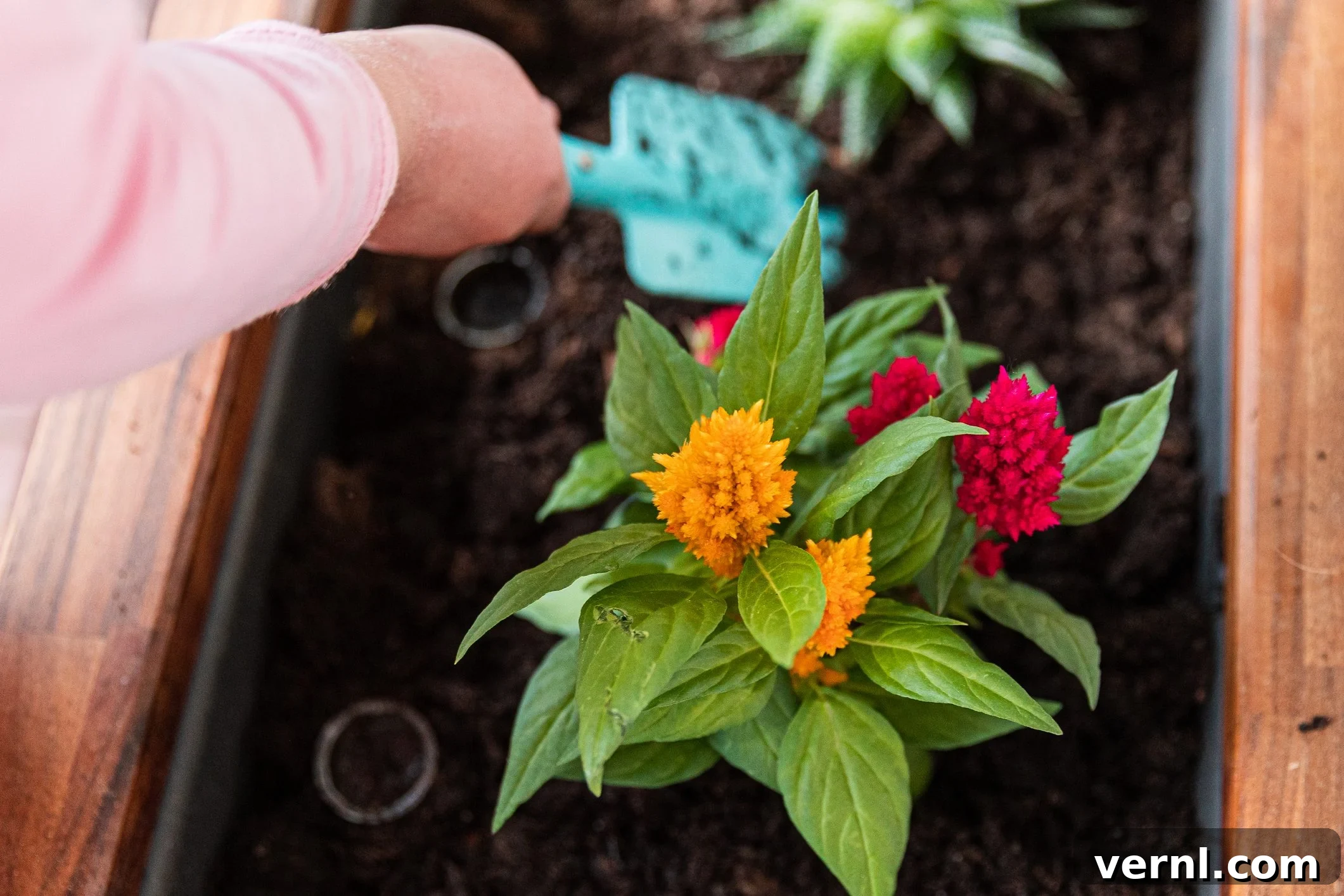
The National Garden Bureau, a respected non-profit organization dedicated to fostering a love for gardening across North America, notably declared 2023 as the “Year of the Celosia.” This special recognition has undoubtedly propelled these captivating plants into the spotlight, making them even more beloved by gardeners everywhere. Renowned for their astonishingly bright and vibrant colors, coupled with truly unusual textures and whimsical shapes, celosias are a phenomenal choice for adding an instant splash of personality and charm to any garden space.
My own journey with celosias began this year at my local nursery, where their playful energy was simply irresistible. I quickly found myself planting a few, eager to see their unique forms unfold. And I wasn’t disappointed! Celosias are surprisingly easy to grow and generally boast impressive resistance to common garden pests and diseases, making them a low-maintenance yet high-impact choice. Whether nestled in decorative flower containers or integrated into expansive garden beds, celosia plants effortlessly inject a vivid pop of color and architectural interest. To ensure your celosias thrive, we’ve gathered expert tips and comprehensive care advice from Sharon Yiesla, a distinguished Plant Knowledge Specialist at the Plant Clinic at The Morton Arboretum. Get ready to unlock the secrets to cultivating these magnificent flame flowers!
What Exactly Is Celosia? Unveiling the Flame Flower
Celosia serves as both the botanical scientific name and the common name for a diverse group of stunning annual flowering plants. These fascinating blooms are closely related to the ancient and nutritious grain, Amaranth, sharing a botanical lineage that hints at their resilience and beauty. The name “Celosia” itself originates from an ancient Greek word meaning “burning” or “flame,” a descriptor that perfectly encapsulates the appearance of many varieties. True to their name, countless celosia flowers burst forth in a spectrum of fiery hues, predominantly ranging from sunny yellows and warm oranges to passionate reds, truly resembling flickering flames in the garden.
Why Are Celosia Plants So Incredibly Popular?
Celosias have garnered immense popularity among gardeners for a multitude of compelling reasons, primarily revolving around their extraordinary visual appeal and surprising ease of cultivation. They stand out dramatically from other common garden flowers, offering a spectacle of unique forms and textures that are hard to forget. Once you encounter the striking, undulating flower head that uncannily resembles a chicken’s cockscomb – a characteristic feature of the Cristata group – it’s a sight that leaves a lasting impression. Another fascinating variety captivates with blooms that mimic the intricate convolutions of a brain, adding an element of quirky wonder to your landscape. Beyond their distinctive shapes, many celosia varieties boast an incredible palette of bright, saturated colors, spanning cheerful pinks, deep reds, sunny yellows, and fiery oranges, ensuring there’s a shade to complement every garden design. Their ability to thrive in various conditions and resist common garden woes only adds to their allure, making them a favorite for both novice and experienced gardeners seeking to make a bold statement.
Explore the Diverse Types of Celosia to Plant
Celosias offer a fascinating array of forms, broadly categorized into three primary groups: Plumosa, Cristata, and Spicata. Each group presents unique characteristics that allow gardeners to choose the perfect celosia for their desired aesthetic and garden role.
1. Plumosa Group: The Feathery Flames
The Plumosa type, often referred to as the ‘plume’ celosia, is celebrated for its distinctive upright, feathery flower spikes. These soft, plume-like blooms create a delicate yet vibrant texture in the garden, swaying gently with the breeze. “They come in an impressive range of colors,” notes Sharon Yiesla, “including sunny yellow, fiery red, warm orange, soft salmon, and delightful pink.” A standout example that perfectly embodies the Plumosa group’s charm is the variety ‘Flamma Orange.’ This particular cultivar produces abundant, brilliant orange flowers on compact plants that typically reach just under one foot in height. Its exceptional performance and captivating color earned ‘Flamma Orange’ a prestigious national All-America Selections award in 2022, solidifying its status as a must-have for vibrant container displays and cheerful garden borders.
2. Cristata Group: The Velvety Cockscombs
For those seeking a more dramatic and unusual form, the Cristata type, affectionately known as the ‘cockscomb’ celosia, is an unparalleled choice. These varieties are characterized by their large, incredibly unique flower clusters that possess a velvety texture and an undulating, convoluted shape, often likened to the intricate folds of a brain or, indeed, a rooster’s comb. “They are often taller than the plume type and may need to be staked to support the large, heavy flowers,” Yiesla advises, highlighting their impressive stature. The color range for Cristata celosias is strikingly similar to that of the Plumosa group, offering rich shades of pink, red, yellow, and orange. ‘Cramer’s Rose,’ with its deep, luxurious red color, is a popular and relatively easy-to-find variety that makes a bold, sophisticated statement in any garden.
3. Spicata Group: The Wheat-Like Spikes
The Spicata type, or ‘wheat’ celosia, offers a more understated yet equally charming aesthetic. These celosias are distinguished by their slender, elongated flower stalks that bear a striking resemblance to a head of grain, adding a graceful, architectural element to the garden. “The color range is more limited with this type,” Yiesla explains, “mostly featuring beautiful pinks and purples.” This subtle palette allows them to blend seamlessly into various garden schemes while providing unique vertical interest. ‘Flamingo Feather,’ with its delicate silvery-pink blooms, stands as an exquisite example of the Spicata group, perfect for adding a touch of elegance and soft texture to perennial beds or cottage gardens.
When Is the Best Time to Plant Celosia for Optimal Growth?
Timing is crucial when it comes to successfully planting celosia to ensure a season of abundant blooms. As tender annuals, celosias are highly sensitive to cold temperatures and frost. Therefore, they should only be planted outdoors in the spring after all danger of frost has completely passed. A good indicator for outdoor planting is when nighttime temperatures consistently average around 55 degrees Fahrenheit (13 degrees Celsius). This warm embrace allows the plants to establish strong root systems without the stress of cold shock, whether you’re planting them directly into garden beds or into containers.
Beyond spring, celosia offers another delightful opportunity for instant garden gratification. In the fall, it’s common to find celosia plants in full bloom available for purchase at nurseries and garden centers. These mature plants are perfect for adding immediate, vibrant color to your garden as other summer annuals begin to fade. They make exceptional additions to fall containers, creating stunning autumnal displays and extending the season of color well into cooler weather, often until the first hard frost.
Comprehensive Guide: How to Plant Celosia Successfully
Growing celosia can be a highly rewarding experience, whether you choose to start them from seeds indoors or purchase young plants from a nursery. Each method offers its own advantages, allowing gardeners flexibility in their approach.
If you opt to grow celosia from seeds, plan to start them indoors approximately six to eight weeks before your area’s average last frost date. Provide a warm, bright environment and keep the soil consistently moist until germination occurs. Once seedlings are sturdy and the weather warms, gradually harden them off before transplanting. For both seed-started and nursery-bought plants, the fundamental requirements remain the same: always plant celosia in a location that provides full sun – meaning at least six to eight hours of direct sunlight per day – and in soil that is consistently well-drained. Celosias abhor soggy feet, so ensure your planting site prevents waterlogging.
Additionally, it’s vital to consider the mature size of the specific celosia variety you choose. Celosias exhibit a remarkable range in height and spread, from dwarf varieties that barely reach eight inches tall, perfect for the front of a border or small containers, to towering types that can grow as tall as three feet, ideal for dramatic backdrops or focal points. Planning for their mature dimensions will prevent overcrowding and ensure each plant has ample space to flourish and showcase its unique beauty.
Essential Celosia Plant Care Tips for Thriving Blooms
Celosias are generally low-maintenance plants, but providing them with the right care will ensure a spectacular display of their unique blooms throughout the growing season. “All celosias need full sun and are drought and heat-tolerant,” emphasizes Sharon Yiesla, underscoring their preference for bright conditions and their ability to withstand summer extremes. They perform best in well-draining soil, which is a critical factor for their overall health.
Sunlight and Soil Requirements
As mentioned, full sun is paramount for celosias. Insufficient sunlight will result in leggy growth and fewer, less vibrant blooms. Ensure your chosen site receives at least 6-8 hours of direct sunlight daily. For soil, well-draining conditions are non-negotiable. While celosias aren’t overly fussy about soil type, a rich, fertile loam is ideal. If your garden soil is heavy clay, amend it generously with organic matter like compost or aged manure to improve drainage and aeration. Sandy soils may benefit from similar amendments to enhance water retention and nutrient availability.
Effective Watering Strategies for Celosia
Proper watering is key to healthy celosia growth. For annuals planted directly in the ground, aim to provide the equivalent of an inch of rainfall per week, either through natural precipitation or supplemental irrigation. However, newly planted celosias may require more frequent watering during their initial establishment phase, typically for the first few weeks, until their root systems are well-developed. If you’re growing celosia in containers, their watering needs will be significantly higher due to faster evaporation and limited soil volume. During the hottest days of summer, container-grown celosias may need daily watering, and sometimes even twice a day, especially if they are in full sun and well-draining pots. Always check the soil moisture level before watering; the top inch or two of soil should feel dry to the touch before rewatering.
Fertilizing Your Celosia for Prolific Blooms
Fertilizing celosia is similar to caring for other annual flowers. While those grown in rich, fertile garden soil may not require extensive additional fertilizer, celosias grown in containers will almost certainly benefit from regular feeding. Container plants have a finite amount of soil nutrients, which are quickly depleted through watering and plant uptake. Use a general-purpose granular or liquid fertilizer specifically labeled for annual flowers. A balanced fertilizer (e.g., 5-10-5 or 10-10-10) or one slightly higher in phosphorus (the middle number) will encourage robust blooming. For in-ground plants, a single application at planting time or mid-season might suffice. For container plants, follow the product instructions, which often recommend feeding every 2-4 weeks throughout the growing season.
Pruning and Deadheading for Continuous Beauty
To encourage your young celosia plants to produce more branches and a greater abundance of flowers, it’s beneficial to “pinch back” their growing tips. This involves carefully cutting off or pinching out the central growing tip of each young plant when it’s about 6-8 inches tall. This action redirects the plant’s energy into developing side shoots, leading to a bushier plant with more blooms. After this initial pruning, continue to cut off old, faded blooms (a process known as deadheading) as they begin to form seeds. “Removing old flowers will keep the plants producing new ones,” explains Yiesla, as it prevents the plant from expending energy on seed production and instead encourages it to produce more flowers. Many celosia varieties are eager self-sowers, meaning they will readily drop seeds and sprout new plants in your garden the following year. If you wish to prevent this, be diligent about deadheading before the seeds have a chance to mature and fall to the ground.
Overwintering Celosia: An Annual’s Fate
As an annual flower in most climates, celosia plants complete their life cycle within a single growing season and are not typically overwintered. Their delicate nature means they cannot tolerate freezing temperatures, and the first hard frost of autumn will bring their vibrant display to an end. Consequently, it’s generally best and most practical to start fresh plants from seeds each spring or purchase new transplants to ensure a healthy and vigorous bloom cycle. However, there are exceptions in warmer regions. In U.S. Department of Agriculture Plant Hardiness Zones 10 and 11, where frosts are rare or nonexistent, celosia can behave as a tender perennial, potentially lasting year-round. Even in these mild climates, though, many gardeners still choose to grow celosia as an annual, especially if there are occasional periods of widespread frost that might damage established plants.
How Long Do Celosia Last and Can They Be Preserved?
Celosias, when grown as annuals, provide a stunning display throughout a single growing season, typically from late spring until the arrival of the first significant frost in the fall. Once temperatures drop and frost blankets the garden, their life cycle concludes for the year.
Fortunately, the beauty of many celosia flowers, particularly those from the Cristata (cockscomb) and Spicata (wheat) groups, can be extended far beyond the growing season as they dry exceptionally well. This makes them a fantastic choice for crafting unique and long-lasting dried flower arrangements, wreaths, and other decorative elements. To successfully dry celosia flowers, it’s crucial to harvest them at their peak, just before they begin to form seeds. Cut the stems to your desired length, then gather them into small bunches. Hang these bunches upside down in a cool, dark, and well-ventilated room. Good air circulation is vital to prevent mold and ensure even drying. After several weeks, once the flowers feel completely dry and crisp to the touch, they will be ready to use in your creative projects, preserving their vibrant colors and intriguing textures for months to come.
Frequently Asked Questions About Celosia Care
What common pests or diseases affect Celosia plants?
Celosia plants are generally quite resilient, but they can occasionally be susceptible to a few common garden pests and diseases. In more humid or consistently moist climates, aphids and thrips can sometimes become an issue, feeding on the foliage and new growth. Fungal issues like leaf or stem rot can also occur, particularly if plants are overwatered or planted in poorly draining soil, which creates an ideal environment for pathogens. However, in drier climates, Sharon Yiesla assures us, “they are not often troubled by diseases and insects, so are relatively low maintenance.” Good air circulation, proper watering techniques, and consistent garden hygiene are the best preventative measures.
Can I save seeds from my Celosia plants for next year?
Absolutely! Saving seeds from your Celosia plants is a straightforward and rewarding process, allowing you to propagate your favorite varieties for the following season. To save seeds, allow the flower heads to fully mature and dry directly on the stem. Once the flower feels dry and brittle, carefully remove it and gently shake or rub it over a piece of paper or into a container. You’ll find numerous tiny, shiny black seeds. Store these collected seeds in a cool, dry, dark place in an airtight container or paper envelope until you’re ready to plant them again the following spring.
Is Celosia toxic to pets or humans?
Celosia is generally considered non-toxic to humans and pets. In fact, some varieties, particularly those closely related to Amaranth, are cultivated for their edible leaves and seeds in various cultures. However, it’s always wise to prevent pets from ingesting large quantities of any plant material, and to consult with a veterinarian if you have concerns about a specific incident.
Can Celosia be grown indoors as a houseplant?
While celosia thrives outdoors in full sun, it can be grown indoors as a temporary houseplant if provided with exceptionally bright light. Place it near a sunny south-facing window or under grow lights to ensure it receives adequate illumination. Keep the soil consistently moist but not waterlogged. Indoor conditions may limit its growth and bloom production compared to outdoor cultivation, but it can certainly provide a colorful accent for a period.
What are good companion plants for Celosia in the garden?
Celosia’s vibrant colors and unique textures make it an excellent companion for many other annuals and perennials. Good companion plants include those that also enjoy full sun and well-drained soil. Consider pairing celosia with marigolds, zinnias, salvia, petunias, or dusty miller for complementary colors and textures. Their varying heights and forms can create a dynamic and visually appealing garden bed or container arrangement.
About the Expert
Sharon Yiesla is a dedicated Plant Knowledge Specialist at the Plant Clinic at The Morton Arboretum, where she provides invaluable insights and advice on plant health and care.