Uncovering Timeless Elegance: A Deep Dive into Historic Staircase Features
Stepping into an older house is like opening a living history book, each corner, fixture, and architectural detail whispering tales of generations past. From charming phone niches that speak volumes about communication in bygone eras to built-in ice boxes predating modern refrigeration, these homes are treasure troves of forgotten ingenuity and evolving lifestyles. Among the most evocative elements within these venerable structures are their staircases – not just functional pathways between floors, but often grand statements, intricate works of art, and fascinating repositories of history and tradition.
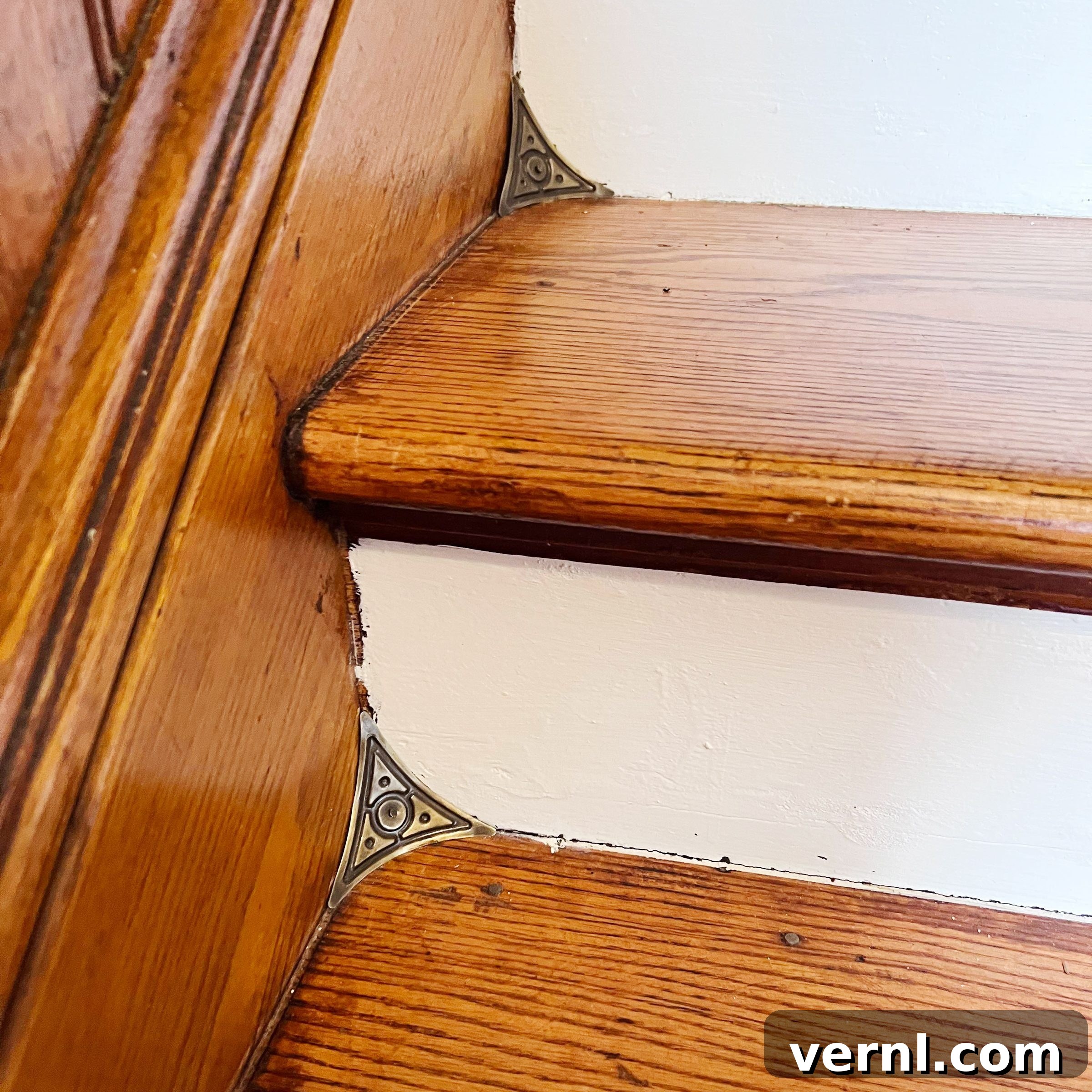
A closer inspection of a historic staircase often reveals a wealth of captivating details that might seem curious to the modern eye. Perhaps you’ve noticed the subtle glimmer of brass corner protectors nestled into each step, or the stately presence of polished metal rods securing a runner. These aren’t merely decorative flourishes; they are tangible links to a different time, each serving a specific purpose, whether practical, aesthetic, or even steeped in superstition. Join us as we embark on a detailed exploration of these intriguing staircase features, unearthing their origins, understanding their utility, and discovering how they continue to inspire contemporary design and staircase ideas for your next DIY or restoration project.
Dust Corners: A Testament to Practical Ingenuity in Historic Homes
Before the widespread adoption of modern vacuum cleaners revolutionized household cleaning in the early 20th century, maintaining a pristine home was an arduous and often laborious task. Dust, an ever-present adversary, would accumulate relentlessly in every nook and cranny. Staircases, with their numerous right-angle corners created by the intersection of tread and riser, presented a particular challenge. Sweeping dust and debris out of these tight spaces with a traditional broom was an exercise in frustration, often leaving behind stubborn grime and requiring painstaking effort to achieve true cleanliness. It was this everyday household dilemma that spurred the invention of a clever, yet often overlooked, solution: the stair corner dust guard.
The Ingenious Solution: Design and Functionality of Stair Corner Guards
Introduced around the 1890s, stair corner dust guards, frequently referred to simply as “dust corners,” were small, L-shaped pieces of metal meticulously designed to fit snugly into the internal corners of each stair tread. Their primary purpose was brilliantly simple: to transform the sharp, dust-trapping angles into smooth, curved surfaces. This innovative design allowed brooms to glide effortlessly across the step, sweeping dust and dirt out of the corners with minimal fuss. Crafted from various durable metals such as polished brass, antique bronze, sturdy cast iron, or even gleaming polished steel, these small accessories were not just practical but also added a touch of refined detail to the wooden staircase, subtly enhancing its overall appearance.
Beyond Practicality: Aesthetic Appeal and Wood Protection
While their functional utility in simplifying sweeping was undeniable, dust corners quickly evolved beyond mere practicality. They became subtle decorative elements, significantly enhancing the overall aesthetic of a staircase. The glint of polished brass or the warm patina of aged bronze could elevate a plain wooden staircase, adding a layer of period charm, sophistication, and visible craftsmanship. Furthermore, these metal guards offered an additional, often unacknowledged, benefit: protection. They shielded the delicate wooden corners of stair treads from the inevitable wear and tear of daily foot traffic, accidental bumps, and the repeated scraping of brooms during cleaning, thereby preserving the integrity and beauty of the staircase for a much longer period.
Modern Relevance and Creative Applications for Vintage Charm
Today, with powerful vacuum cleaners readily available and integrated into most homes, the original sweeping function of dust corners is largely obsolete. However, their charm, historical significance, and unique aesthetic have ensured their survival as coveted items for homeowners keen on preserving or replicating the authentic feel of a historic property. For those undertaking a home renovation, restoring a period staircase, or simply wishing to infuse a sense of vintage elegance into a contemporary space, dust corners offer a unique opportunity. They are perfect for restoration projects where historical authenticity is paramount, or for new builds aiming for a classic, bespoke look that stands out.
Beyond staircases, these versatile little guards can be imaginatively applied to other awkward corners in your home, extending their decorative and protective benefits. Consider adding them to the base of fireplace moldings where they meet the wall, along the trim of doorways that experience high traffic, or even on built-in shelving units. They not only add a distinctive decorative accent and a touch of historical flair but can also provide a subtle layer of protection in high-traffic areas, effectively mirroring their original protective role on staircases.
Where to find dust corners: For those inspired to incorporate these charming historical details into their living spaces, a variety of reliable sources are available. Look for high-quality corner guards at specialty retailers renowned for antique hardware and architectural salvage. These outlets often offer meticulous reproductions crafted to original specifications, as well as genuine reclaimed pieces that carry their own unique history. Online marketplaces like House of Antique Hardware provide a wide selection of styles and finishes, ensuring you find the perfect match for your aesthetic. Additionally, large e-commerce platforms such as Amazon offer convenient options, often with various decorative motifs and materials. For unique, handcrafted, or more distinctive designs that truly stand out, artisan platforms like Etsy can be a treasure trove, featuring custom-made pieces such as charming star-spangled stair guards.
Stair Rods: From Functional Fastener to Decorative Flair in Staircase Design
The elegance of a carpet runner cascading down a wooden staircase is a timeless interior design statement, instantly imbuing a home with warmth, luxury, and superior acoustic dampening. However, securing these runners in place was once a far more intricate affair than simply stapling them. Historically, before the advent of modern carpet fitting techniques, stair rods played a crucial and indispensable role in preventing runners from slipping, bunching, and becoming a dangerous trip hazard. According to experts at The Victorian Emporium, a distinguished renovation company specializing in period homes, stair rods were originally essential hardware, meticulously installed to hold runner carpets firmly against the wooden treads and risers of staircases.
A Historical Necessity: The Vital Role of Stair Carpet Rods
In homes of the 18th, 19th, and early 20th centuries, stair runners were commonly laid over hardwood stairs not only to provide comfort and warmth underfoot but also to reduce noise and protect the valuable wooden treads. Without the robust and discreet fastening methods available today, these runners desperately needed a reliable way to be held taut and securely in place at each step. Stair rods, typically robust metal bars passed through eyelets or fabric loops on either side of the carpet at the junction of each tread and riser, served this vital function. They effectively “pinned” the carpet down, ensuring it remained flat, taut, and prevented any movement that could lead to unsightly wear, damage to the carpet or stairs, or dangerous accidents. This distinctive feature was a perfect blend of form and function, a practical necessity beautifully integrated into the staircase’s overall design, reflecting the meticulous attention to detail in period homes.
The Evolution of Purpose: Stair Rods as Aesthetic Adornments
With the significant evolution of carpet installation techniques, particularly the widespread use of staples, tack strips, specialized adhesives, and professional carpet fitters, the primary structural role of stair rods diminished considerably. Modern carpet fitting ensures that runners are typically stapled or otherwise permanently affixed to the staircase, often beneath the visible edge, entirely negating the need for rods as primary fasteners. Consequently, stair rods have gracefully transitioned from an essential functional component to a predominantly aesthetic item. Today, they are celebrated for their ability to add a touch of classic elegance, luxury, and historical authenticity to a staircase, even when the carpet is already securely installed beneath them. They are a chosen embellishment, rather than a necessity.
For homeowners and interior designers, stair rods are now a deliberate choice, an opportunity to significantly enhance the visual appeal of a staircase and complement the existing interior décor. They draw the eye along the fluid line of the runner, emphasizing the rhythm and geometry of the steps, and adding a polished, finished look that speaks of quality and tradition. They serve as a sophisticated accent piece that instantly elevates the perceived value and design heritage of a home.
Design Versatility: Materials, Finials, and Finishes of Decorative Stair Rods
Stair rods come in an astonishing array of designs, allowing for significant customization to match virtually any interior style, from grand Victorian to sleek contemporary. The rods themselves can be solid or hollow, featuring smooth, reeded, twisted, or even intricately spiraled profiles, each offering a distinct visual texture. Materials range from classic polished brass, which offers a warm, traditional gleam that brightens a space, to sophisticated antique bronze for a more subdued, historical feel, sleek polished chrome for modern interiors, sturdy wrought iron for a rustic or industrial touch, and even painted wood for a more understated, cottage-core look. The decorative ends of the rods, known as finials, are equally diverse and crucial for character, with popular designs including elegant acorns, simple spheres, ornate pineapples symbolizing hospitality, classic urns, or intricate rosettes. These extensive choices allow for seamless integration with existing hardware and decorative themes within any home, creating a cohesive and stunning staircase.
Installation and Considerations for Modern Use of Stair Rods
When installing stair rods today, especially when their purpose is primarily decorative, it’s absolutely crucial that the underlying carpet runner is already properly and safely secured to the staircase using modern fitting techniques. The rods then sit atop the runner, held securely in place by brackets attached to the sides of the stair risers. This ensures both safety and the desired aesthetic effect. Proper measurement is key to selecting rods of the correct length and ensuring they perfectly complement the width of your runner and the staircase itself. Choosing the right style, material, and finials can dramatically impact the character and focal presence of your stairway, transforming it into a truly captivating centerpiece of your home.
Where to find stair rods: If you’re looking to elevate your staircase with these distinguished features, stair rods are readily available from various specialized retailers. Start by exploring specialty hardware stores that cater specifically to period properties and restoration projects, as they often carry high-quality reproductions and a comprehensive range of finishes to ensure historical accuracy. Reputable rug manufacturers and dedicated carpet suppliers also frequently offer a comprehensive selection of coordinating stair rods designed to perfectly complement their runners. Additionally, major home furnishings and décor retailers such as Wayfair and general e-commerce giants like Amazon provide convenient online shopping options with a vast array of styles, finishes, and price points to suit every taste and budget, making it easy to find the perfect accent for your staircase.
The Mystery of the Upside-Down Baluster: Superstition and Symbolism in Historic Staircases
Beyond the practical and the purely decorative, some historic staircases harbor a detail that delves deep into the realm of folklore and ancient belief: the elusive upside-down baluster. A baluster, also frequently referred to as a spindle, is an integral component of a staircase’s support system, forming the vertical posts that fill the space between the handrail and the tread. These essential elements are vital for safety, preventing falls, and structurally support the handrail, guiding users safely up and down the stairs. Discovering one of these carefully crafted elements intentionally installed in an inverted position on a centuries-old staircase can be a truly captivating and intriguing moment, instantly prompting curiosity about the profound reasons behind such an unusual and deliberate choice.
Architectural Superstition: A Link to Higher Powers and Ancient Beliefs
The consistent presence of an upside-down baluster in various historic properties is almost universally attributed to superstition, offering a fascinating window into the beliefs, anxieties, and spiritual lives of past generations. In a world where life was often unpredictable, challenging, and divine intervention was frequently sought or feared, it was common for builders and homeowners to incorporate symbolic or protective elements into their constructions. These elements were designed to ward off evil, invite good fortune, or express deep-seated spiritual convictions. The staircase, as a transitional space connecting different levels of a home – often associated with life, death, and spiritual journeys – was frequently imbued with particular significance, seen as a powerful pathway that could be traversed by both mortals and unseen, often malevolent, entities.
Two Dominant Theories: Acknowledging Perfection and Providing Protection
Two main theories prevail regarding the intentional installation of an inverted baluster, both powerfully linking this peculiar architectural feature to a higher power and deeply held cultural beliefs:
- Acknowledging Divine Perfection: One popular and spiritually resonant explanation suggests that master builders, in an act of profound humility and deep reverence, would purposely install one baluster upside down. This was a symbolic gesture to acknowledge that “only God’s creations are perfect.” This theory stems from a deep religious conviction, implying that human craftsmanship, no matter how exquisite or painstakingly detailed, could never truly achieve the flawless and absolute perfection inherent in the divine. By deliberately introducing a single, subtle “imperfection,” the builders were not only paying homage to God but also potentially protecting their magnificent work from the hubris of claiming absolute, god-like perfection. It was a humble admission of human limitation in the face of divine artistry.
- Warding Off Evil: Another compelling and widely cited theory traces its roots to an old English superstition, though similar beliefs have been found in other cultures. This belief posits that an upside-down baluster acts as a powerful ward, specifically designed to prevent the devil or other malevolent spirits from climbing the stairs and entering the sacred spaces of the home, particularly reaching a person’s deathbed. The logic behind this particular superstition is multifaceted. Some believe that the inverted baluster disrupts the continuous flow, perfect symmetry, or predictable pattern of the staircase, thereby confusing or deterring evil entities who might seek to ascend. It essentially serves as a subtle, yet potent, spiritual barrier or a ‘trick’ in the design, reflecting a common desire in folklore to protect the sanctity of the home and its occupants from dark forces, especially in moments of vulnerability or illness.
Beyond Superstition: Accidents or Intentional Art?
While some might casually argue that an upside-down baluster could simply be a builder’s mistake or an oversight during a busy construction period, the consistent recurrence of this intriguing feature in various historical properties across different regions and time periods strongly suggests intentionality rather than mere accident. The precise, often singular, placement of the inverted baluster further supports the idea that it was a deliberate choice, carefully embedded with profound meaning. It’s a secret, a quiet declaration, or a hidden protective charm meticulously woven into the very fabric of the home, patiently waiting to be discovered and understood by observant future inhabitants.
Today, finding an upside-down baluster in a historic home is a delightful discovery, a tangible piece of cultural heritage that sparks immediate imagination and conversation among visitors and residents alike. It powerfully reminds us that even the most functional elements of our homes can carry profound symbolic weight and tell stories that transcend generations, bridging the gap between practical construction and the mystical beliefs of the past. It’s a subtle yet powerful nod to the spiritual lives and cultural richness of those who built and lived in these cherished old homes, leaving behind a legacy that continues to intrigue, educate, and inspire us to look closer at the world around us.
Conclusion: The Enduring Narrative of Historic Staircase Details
From the unassuming practicality of dust corners that once eased the burden of daily chores, to the stately elegance of stair rods that transitioned gracefully from essential fasteners to sophisticated decorative accents, and finally to the enigmatic upside-down baluster that whispers tales of ancient superstitions and spiritual beliefs, the intricate details found within historic staircases are far more than mere components. They are intricate narratives, each telling a unique story about the ingenuity, aesthetics, and cultural fabric of bygone eras.
These timeless features remind us that every element within an older house holds a piece of history, reflecting the lives, technologies, and beliefs of those who came before us. They encourage us to look beyond the obvious, to appreciate the exquisite craftsmanship, and to delve into the fascinating stories embedded in the architecture around us. Whether you are diligently preserving a historic property, thoughtfully infusing new construction with vintage charm, or simply admiring the intricate details of an old building, these staircase features offer endless inspiration and a profound, tangible connection to our rich past.
So, the next time you ascend a grand old staircase, take a moment to pause. Look closely at the corners of the steps, examine the elegant presence of the carpet runner, and perhaps even count the balusters. You might just uncover a hidden gem, a secret from another century, waiting patiently to share its story. These small, yet significant, details truly transform a house into a home filled with unparalleled character, depth, and a rich, enduring narrative that continues to captivate and educate.