
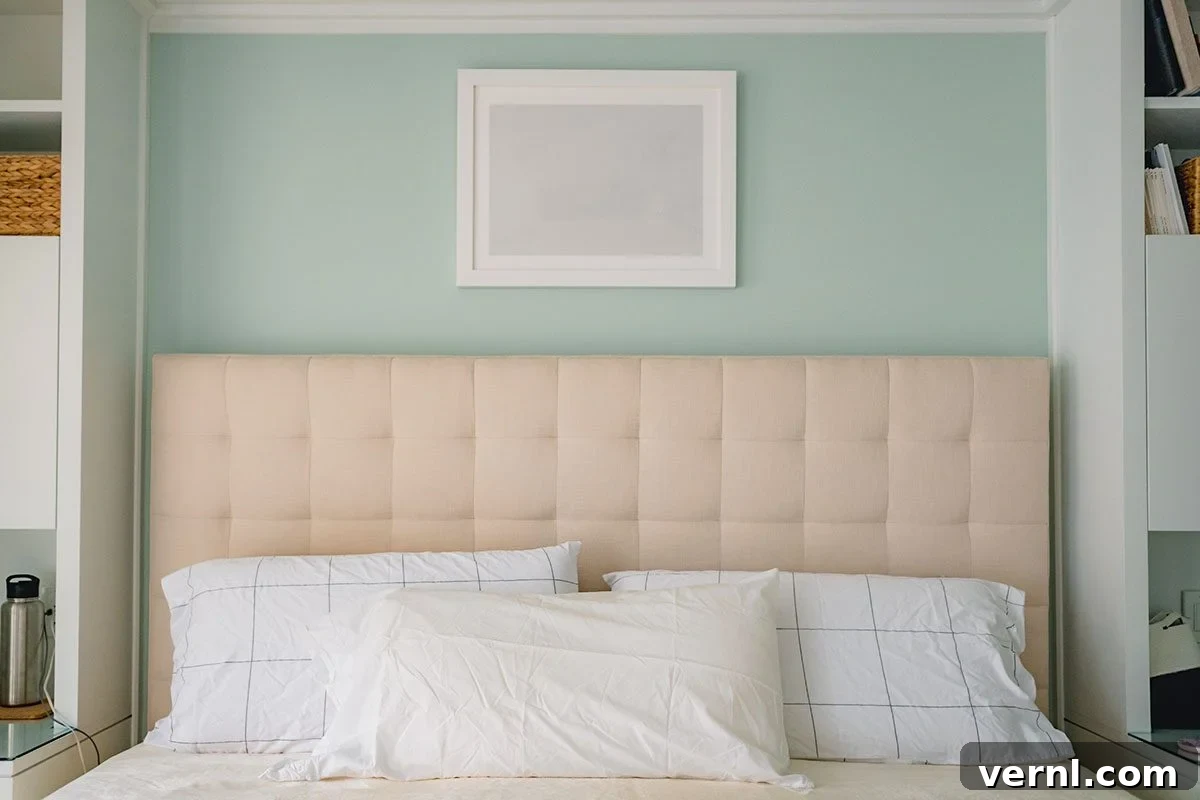
When it comes to furnishing the rooms in your home, allocating a substantial portion of your budget to your bedroom is a wise decision. While it might not be the space frequently showcased to guests, it is unequivocally the room you’ll utilize daily – a personal sanctuary essential for relaxation, rejuvenation, and achieving restful sleep. This intimate space profoundly impacts your overall well-being and daily productivity.
A significant part of creating this ideal sleep environment involves investing in the most comfortable mattress and quality bedding your budget allows. However, the ambiance and functionality of your bedroom extend far beyond just the bed itself. The way you furnish the entire room critically contributes to its overall feel. For many, a cluttered or unfinished-looking room can be a source of subconscious stress, hindering the ability to unwind and sleep soundly. This brings us to a common dilemma in bedroom design: do you truly need a headboard, or is it merely an ornamental piece, a clever marketing ploy designed to lighten your wallet? Let’s explore the multifaceted role of headboards in creating a perfect bedroom retreat.
Why a Headboard is an Essential Element in Your Bedroom Design
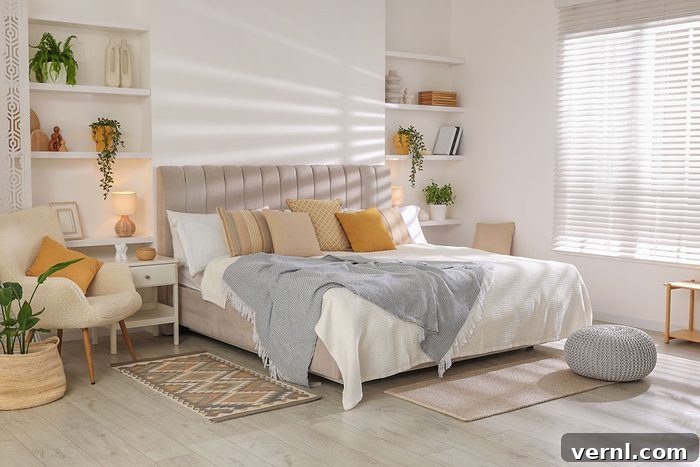
While the final decision ultimately hinges on personal preference and the specific aesthetic you wish to cultivate, in the vast majority of cases, incorporating a headboard can dramatically enhance your bedroom’s appeal and functionality. It serves as a powerful visual anchor, instantly making your sleeping space feel more structured, intentional, and complete. A well-chosen headboard elevates the entire bed, transforming it from a simple sleeping surface into the undeniable focal point of the room.
Imagine the profound visual impact of simply making your bed in an otherwise messy room. The neat, tidy arrangement of sheets and pillows instantly injects a sense of calm and order amidst chaos. A headboard amplifies this effect exponentially. It frames the bed, defining its boundaries and creating a clear “sleeping zone” that draws the eye and exudes an air of meticulous design. This sense of orderliness is not just superficial; it contributes to a more serene and peaceful environment, conducive to relaxation and improved sleep quality. Beyond aesthetics, headboards offer tangible practical benefits. They prevent pillows from slipping into the gap between the mattress and the wall, a common frustration that can disrupt sleep. Furthermore, they protect your wall from scuffs, stains, and wear that naturally occur from daily use, especially if you enjoy sitting up in bed to read, work, or watch television.
Many modern headboards go beyond mere decoration, integrating clever storage solutions directly into their design. Features like built-in shelving, hidden compartments, or even pull-out drawers can be absolute lifesavers in smaller bedrooms where every inch of space counts. These functional headboards provide convenient spots for storing books, personal items, a glass of water, or even charging your electronic devices without the need for additional nightstands, thereby minimizing clutter and maximizing floor space. An upholstered headboard can also offer a softer surface to lean against, providing an added layer of comfort and support for those evenings spent unwinding with a book or your favorite show, further transforming your bed into a true sanctuary.
How To Select the Perfect Headboard for Your Space
The market offers an astonishing array of headboard designs, materials, and styles, which can initially feel overwhelming. To navigate this wealth of choice effectively, begin by considering the overall style, size, and existing décor of your room. The goal is to choose a headboard that complements, rather than competes with, your bedroom’s aesthetic.
**1. Consider Room Size and Style:**
If you have a compact, minimalist bedroom, a grand, imposing four-poster headboard, while beautiful, might overwhelm the space, making it feel cramped and less inviting rather than tranquil. Instead, opt for a sleeker, perhaps wall-mounted design or one with clean lines that maintains an open feel. Conversely, in a large master bedroom, a substantial, statement-making headboard can help ground the space and prevent the bed from feeling lost. Think about your existing décor style:
* **Modern/Minimalist:** Look for simple, geometric designs in wood, metal, or sleek upholstered finishes.
* **Rustic/Farmhouse:** Reclaimed wood, wrought iron, or distressed finishes work well.
* **Bohemian:** Rattan, woven textures, or vibrant upholstered patterns can add character.
* **Traditional:** Tufted, upholstered designs, or classic wooden headboards with intricate carvings.
* **Industrial:** Metal, exposed wood, or even repurposed materials like old doors.
**2. Explore Textures and Materials:**
The material of your headboard plays a crucial role in its overall feel and the atmosphere it creates.
* **Upholstered Headboards:** These are incredibly popular for their comfort and versatility. They come in various fabrics like linen, velvet, leather, or faux leather, and can feature tufting, channeling, or smooth finishes. An upholstered headboard adds softness and warmth, making it ideal for leaning against.
* **Wooden Headboards:** From solid oak to sleek bamboo, wooden headboards offer timeless appeal and durability. They can be rustic, modern, or traditional, depending on the finish and design. Natural wood brings an organic, earthy feel to the room.
* **Metal Headboards:** Wrought iron, brass, or brushed steel headboards introduce an elegant or industrial touch. They are often lightweight and can feature intricate scrollwork or minimalist geometric patterns, providing a nice contrast to plush bedding.
* **Rattan/Woven Headboards:** Perfect for bohemian, coastal, or relaxed styles, these add texture and a natural, airy feel to the bedroom.
* **Mirrored Headboards:** For a touch of glamour and to make a small room feel larger, mirrored panels or entire mirrored headboards can be a stunning choice.
If your bedspread is already laden with plush pillows and throws, a simple wrought-iron or sleek wooden headboard can provide a refreshing textural contrast. Conversely, if your bedding is minimalist, a luxurious tufted headboard in velvet can add depth and opulence.
**3. Coordinate Colors and Finishes:**
Decide whether you want your bedroom to feel cohesive and harmonious or eclectic and vibrant. Are you drawn to lighter wood finishes that brighten a room, or do you prefer the rich, grounding appeal of dark woods?
* **Cohesive Look:** Choose a headboard color and finish that either matches your existing furniture (dressers, nightstands) or blends seamlessly with your wall color and overall palette.
* **Eclectic Look:** Opt for a headboard that stands out with a contrasting color or unique material, creating a deliberate focal point that adds character to the room.
Always consider how the headboard’s color and finish will interact with the colors you’ve already established in your room, including wall paint, curtains, and bedding.
**4. Don’t Forget Functionality and Special Features:**
As a bonus, if there are specific functional features you desire, such as integrated charging ports for your devices, ambient LED lighting, or additional shelving for storage, actively seek out headboards that offer these innovations. The market is continually evolving, providing more and more options that blend aesthetic appeal with practical utility. With a little research, you are sure to discover a headboard that not only complements your style but also caters to all your specific needs, truly making your bedroom both beautiful and highly functional.
Creative Alternatives When a Headboard Isn’t an Option
Furnishing a home can be an expensive endeavor, and while your bedroom certainly warrants a generous allocation of your budget, sometimes financial constraints mean a traditional headboard simply isn’t feasible right now. But fear not! You don’t have to sacrifice style or comfort. There are numerous creative, budget-friendly ways to achieve the visual impact and practical benefits of a headboard without actually buying one.
Paint Your Wall: The Faux Headboard Effect
If your living situation allows for painting, consider transforming the wall behind your bed into a striking accent wall. This approach mimics the defining presence of a headboard beautifully.
* **Choose a Contrasting Color:** Select a paint color that either contrasts boldly with the other walls or complements your bedding and decor.
* **Define a Shape:** Instead of painting the entire wall, you can create a “faux headboard” by painting a specific shape on the wall where your bed is positioned. A half-circle, an oval, or even a large rectangle extending slightly wider than your bed are popular and relatively easy options. For a more sophisticated look, consider painting a geometric pattern or a series of vertical stripes behind the bed.
* **Beyond Paint:** For renters or those who prefer not to paint, removable wallpaper, decorative wall decals, or fabric panels can achieve a similar accent wall effect without permanent changes.
Unleash Your Inner Craftsman: DIY a Headboard
If you have some spare materials lying around, enjoy a good craft project, or can source materials affordably, building your own headboard is an incredibly rewarding and customizable option. A DIY headboard allows you to infuse your personality and unique style into your bedroom.
* **Research and Inspiration:** Start by exploring online resources like Pinterest, home decor blogs, and DIY websites for inspiration. You’ll find countless ideas for headboards made from unexpected materials.
* **Material Ideas:**
* **Plywood or MDF:** These are versatile and affordable. You can cut them into any shape, paint them, cover them with fabric, or even stencil designs.
* **Reclaimed Wood or Pallets:** For a rustic or industrial vibe, repurposed wood planks can be stunning. Just ensure they are cleaned and sanded properly.
* **Old Doors or Shutters:** Salvaged architectural elements can make a unique and conversation-starting headboard.
* **Fabric Panels:** Stretch fabric over foam core or thin plywood panels for a soft, upholstered look. You can create multiple panels for a modular design.
* **Decorative Screens or Room Dividers:** A beautiful screen can be repurposed as an instant headboard, adding texture and visual interest.
* **Bookcases or Shelving Units:** Small, narrow bookcases placed horizontally behind the bed can function as a headboard with built-in storage.
* **Custom Features:** Think about what custom features you might want to include, such as small shelves for a phone, hooks for hanging items, or even integrated LED strip lighting for ambiance. Measure your bed and space carefully to ensure your DIY creation fits perfectly and enhances the room’s aesthetic.
Other Clever Alternatives:
* **Hanging Tapestry or Rug:** A large, beautiful tapestry or a lightweight decorative rug hung on the wall behind the bed can create a soft, bohemian, or eclectic headboard effect.
* **Gallery Wall:** Arrange a collection of framed art, photos, or mirrors above your bed to create a focal point that serves the same purpose as a headboard.
* **Decorative Screen:** A freestanding decorative screen or room divider can be placed behind your bed, offering both style and a sense of enclosure.
* **String Lights:** For a magical, ethereal touch, arrange string lights or fairy lights on the wall in a headboard-like shape.
Embracing these creative and affordable solutions ensures that your bedroom can still feel complete, stylish, and conducive to a good night’s sleep, even without a traditional, store-bought headboard.
RELATED:
- 7 Signs You’re Over-Decorating
- 18 Cheap Decor Ideas That Look Expensive
- 14 Traditional-Style Home Decor Ideas That Are Still Cool