

A power outage can disrupt modern life in an instant, transforming routine conveniences into significant challenges. Far beyond mere inconvenience, blackouts can lead to costly property damage, spoiled food, and, in severe cases, pose serious safety risks to you and your family. With increasing frequency due to aging infrastructure, extreme weather events, and growing energy demands, preparing for a blackout is no longer a luxury but a vital necessity for every household. This comprehensive guide offers essential strategies and practical tips to help you navigate a power outage safely, protect your home and finances, and maintain a degree of comfort and normalcy until power is restored. By taking proactive steps now, you can mitigate the impact of the next blackout and ensure your family’s well-being.
Prepare for Power Surges and Grid Instability
When the power goes out, the immediate concern often shifts to lighting and heating, but an equally important threat lurks: power surges. As utility companies work tirelessly to restore electricity to the grid, the entire system can become unstable. This instability often manifests as voltage fluctuations and sudden surges, which can deliver devastating blows to unprotected electronics and appliances. High-voltage spikes can instantly fry delicate circuit boards, leading to expensive repairs or complete replacement of your cherished devices, from televisions and computers to refrigerators and smart home systems.
To safeguard your valuable electronics during a blackout, the most effective measure is to unplug them completely from wall outlets. This creates a physical disconnect, ensuring that no surge can reach them. Make sure to switch off all major appliances, including your oven, washing machine, and air conditioning unit. However, as a practical tip, leave one low-wattage light source, such as a lamp, plugged in and switched on. This serves as a clear visual indicator, immediately alerting you the moment power is restored, preventing you from constantly checking and potentially missing the return of electricity. While dedicated surge protectors offer some defense against minor fluctuations, during a major grid event, a direct unplugging is your most reliable shield against power surge damage, an essential aspect of comprehensive blackout preparedness.
Harness the Power of Solar Lights Indoors
During a power outage, traditional flashlights become crucial, but their battery life is often limited. A smart and sustainable alternative for ambient lighting is to bring your outdoor solar landscape lights inside. These ingenious devices, designed to charge automatically in sunlight and illuminate after dark, can provide hours of low-level, diffused lighting, significantly conserving your precious flashlight batteries for tasks that demand focused brightness. Modern solar lights come in various styles, from decorative pathway lights to more robust lantern-style options, offering versatility for different indoor spaces.
Unlike candles, which pose a significant fire hazard, solar lights are completely safe, emitting no open flame or heat. They also produce no fumes or carbon monoxide, making them an ideal choice for enclosed indoor environments. To ensure they are ready when darkness falls, remember to place your solar landscape lights outside in a sunny spot to recharge during the day, even during an ongoing blackout. By cycling them between outdoor charging and indoor use, you can maintain a continuous source of gentle illumination, enhancing both safety and comfort without relying on disposable batteries or risking fire, a clever tactic for emergency lighting.
Understanding and Preventing Carbon Monoxide Dangers
Carbon monoxide (CO) is often referred to as the “silent killer” because it is a colorless, odorless, and tasteless gas, making it impossible to detect without specialized equipment. Produced whenever fossil fuels (like gasoline, propane, natural gas, wood, or charcoal) burn, CO exposure is a leading cause of accidental poisoning, and unfortunately, incidents frequently spike during power outages as people resort to alternative heating and cooking methods. Symptoms of CO poisoning can range from headaches and nausea to dizziness and confusion, often mimicking the flu, and severe exposure can quickly lead to unconsciousness, permanent brain damage, and even death.
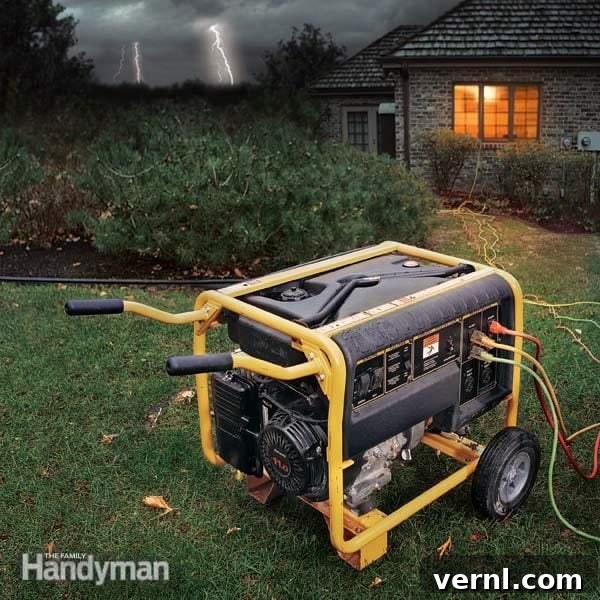
To prevent this grave danger during a blackout, it is absolutely critical to never run generators, charcoal grills, propane heaters, or camp stoves inside your home, garage, basement, or any partially enclosed space. Even operating these devices directly outside, but too close to open windows, doors, or vents, can allow CO to seep into your living areas. Generators should always be placed at least 20 feet away from your home, with their exhaust pointed away from the building. Ensure your carbon monoxide detector is fully functional before an outage, and proactively replace its batteries as part of your general emergency preparedness. Having working CO detectors on every level of your home, especially near sleeping areas, is a non-negotiable step to protect your family from this invisible threat and ensure critical home safety tips.
Maximize Freezer Effectiveness to Save Food
One of the most immediate and costly consequences of a power outage is the potential for food spoilage in your refrigerator and freezer. However, with proper management, your freezer can actually be a highly effective cold storage unit for a surprisingly long time. A full, well-packed freezer can typically keep food frozen for one to three days, and even a half-full freezer can maintain temperatures below 40 degrees Fahrenheit (the safe threshold) for about 24 hours. Beyond this, frozen food can often remain at safe, cold temperatures for another couple of days, depending on the freezer’s efficiency and how often it’s opened.
The key to maximizing this preservation time is simple: keep the freezer door closed as much as possible. Every time the door is opened, cold air escapes, and warm air rushes in, accelerating the thawing process. As a practical reminder and to deter curious family members, consider taping a clear “Do Not Open” sign to the freezer door at the outset of the blackout. For added insurance, you can group items together, pack any empty spaces with crumpled newspaper, or even place bags of ice or gel packs among your frozen goods. Prioritize consuming perishable refrigerated items first, then move to foods that have partially thawed but are still cold. Understanding these food preservation blackout strategies can save you significant money and prevent food waste during an emergency.
Secure Your Emergency Water Supply
While electricity powers our lights and appliances, it’s also essential for delivering municipal water to our homes. When the power goes out, the pumps that move water through the city’s infrastructure often cease to function, meaning your tap water supply could quickly dwindle or stop entirely. Having an adequate emergency water supply is paramount for various needs, from basic hygiene to hydration. The average person needs at least one gallon of water per day for drinking and basic sanitation, meaning a family of four would need at least 12 gallons for a three-day outage.
Proactively filling your bathtub, sinks, and any available buckets at the start of a blackout ensures you have a readily accessible supply for washing hands, bathing, and, crucially, flushing toilets. While this water may not be suitable for drinking without purification, it is invaluable for sanitation. Don’t forget the hidden reserve in your water heater; most residential water heaters store 40 gallons or more of water that can be accessed via the drain valve. For drinking purposes, it’s wise to have dedicated emergency water storage containers or bottled water. If using tap water for drinking, consider boiling it or using a portable water filter to ensure its safety. This multi-faceted approach to water storage emergency preparedness is critical for sustaining your household during a prolonged outage.
Manually Operate Your Garage Door
Modern garage doors rely heavily on electrical openers for their convenience, but a power outage renders these automatic systems useless. Fortunately, virtually all garage door openers are equipped with a manual release mechanism, allowing you to operate the door by hand. This crucial feature ensures you’re not trapped inside or locked out of your garage when the power fails. You’ll typically find a red rope or cord hanging from the trolley mechanism that connects the door to the opener rail. This rope is specifically designed for emergency situations.
To engage the manual release, ensure the garage door is in the fully closed position for safety. Then, firmly yank the red cord downwards and towards the back of the garage. This action disconnects the door from the electric opener, freeing it to be raised or lowered manually. Exercise caution when operating the door by hand, as it can be heavy. Ensure you have a firm grip and use both hands if necessary. Be aware of the door’s spring tension, which assists in its movement. Before the next blackout, locate and practice using your manual release cord to ensure you’re familiar with its operation, a vital skill for manual garage door operation during a power crisis.
Utilize Your Water Heater for Supplemental Heat
When the furnace inevitably stops working during a power outage, your home can quickly become uncomfortably cold, especially in colder climates. While an electric water heater will also cease to function, a gas-powered water heater that doesn’t rely on an electric power vent might still be able to produce hot water. This can provide a temporary and supplementary source of warmth for your living space, making a cold environment more bearable, though it won’t replace a functional heating system.
If you have a gas water heater that operates without a powered vent, you can carefully draw hot water and fill sinks and bathtubs. The warmth radiating from this hot water will incrementally raise the ambient temperature in the immediate vicinity, creating a slightly warmer microclimate. Once the water cools to room temperature, you can drain it and refill with fresh hot water if your heater is still operational. This strategy is not designed to make your home perfectly comfortable, but rather to take the edge off the cold and prevent temperatures from plummeting rapidly. Always exercise caution around hot water and ensure proper ventilation if using any other supplemental heating methods. This clever trick leverages existing resources for emergency relief.
Keep Your Devices Charged with Your Car
In our increasingly connected world, keeping communication devices charged during a blackout is paramount for staying informed and connected with loved ones or emergency services. When household outlets are dead, your car becomes a highly effective mobile charging station. The average car battery holds plenty of power to recharge multiple mobile phones, tablets, and other small USB-powered devices several times over. Modern vehicles often come equipped with USB ports, but if yours doesn’t, a simple 12-volt car charger (which plugs into the cigarette lighter socket) or a power inverter can convert your car’s DC power into AC power for standard wall plugs.
To charge your devices, simply turn your car’s engine on, plug in your charger or inverter, and connect your devices. It’s advisable to run the car for short intervals, perhaps 15-20 minutes at a time, to charge devices, rather than continuously for extended periods, to avoid unnecessarily consuming fuel or straining your car’s battery. While your car is a reliable source, also consider investing in portable power banks or solar chargers as backup options, ensuring you always have a means to power your essential communication tools during a power outage. These charging solutions are key components of effective emergency readiness.
Proactive Measures Against Freezing Pipes
One of the most destructive and costly consequences of a winter power outage is frozen and burst pipes. As indoor temperatures plummet towards freezing, the water inside your plumbing can freeze, expand, and rupture pipes, leading to significant water damage and expensive repairs once the power is restored. Preventing this disaster requires proactive steps to drain your plumbing system if temperatures are expected to remain below freezing for an extended period.
The process involves a few critical steps: First, locate and turn off your main water supply valve to prevent any new water from entering the system. Next, open the lowest valve in your house, which is often the drain valve on your water heater or an outdoor hose bib. This allows gravity to begin draining the system. Then, proceed to open all other faucets throughout the house, both hot and cold, to allow air into the system and facilitate complete drainage. For traps under sinks and in toilets, which retain water, use a plunger to clear them. Finally, once all water has drained, plug these drains to prevent sewer gases from entering your home. Insulating exposed pipes in unheated areas like basements or crawl spaces is another preventative measure. Taking these actions can save you from a major plumbing catastrophe and are essential frozen pipes prevention strategies during severe cold weather blackouts.
Prioritize Safety and Avoid Unnecessary Risks
A power outage introduces a myriad of unique risks that can compromise your safety. The absence of light drastically increases the chances of falls down stairs, trips over unseen objects, or injuries from navigating unfamiliar dark spaces. Furthermore, storm cleanup efforts, often undertaken during or immediately after a blackout, can lead to serious accidents involving chainsaws, ladders, or falling debris. What makes these risks even more dangerous is the diminished capacity of emergency services during widespread outages. Emergency rooms can become swamped, ambulances may be slowed by non-functional traffic lights or roads blocked by fallen trees, and communication lines might be down. This means immediate, thorough emergency care might be delayed or unavailable when you need it most.
During a blackout, it is more crucial than ever to think before you act. Prioritize safety above all else. Avoid unnecessary tasks or activities that carry inherent risks. If you must venture into dark areas, always use a reliable light source. When engaging in storm cleanup, exercise extreme caution and, if possible, wait for professional help or daylight and restored power. Ensure your emergency kit includes a well-stocked first-aid kit, and consider having a designated meeting point and communication plan for your family. By understanding the heightened risks and making cautious, informed decisions, you can significantly reduce the likelihood of accidents and ensure the well-being of your household throughout the duration of the power outage. This proactive approach to general emergency readiness is the cornerstone of safe blackout management.