
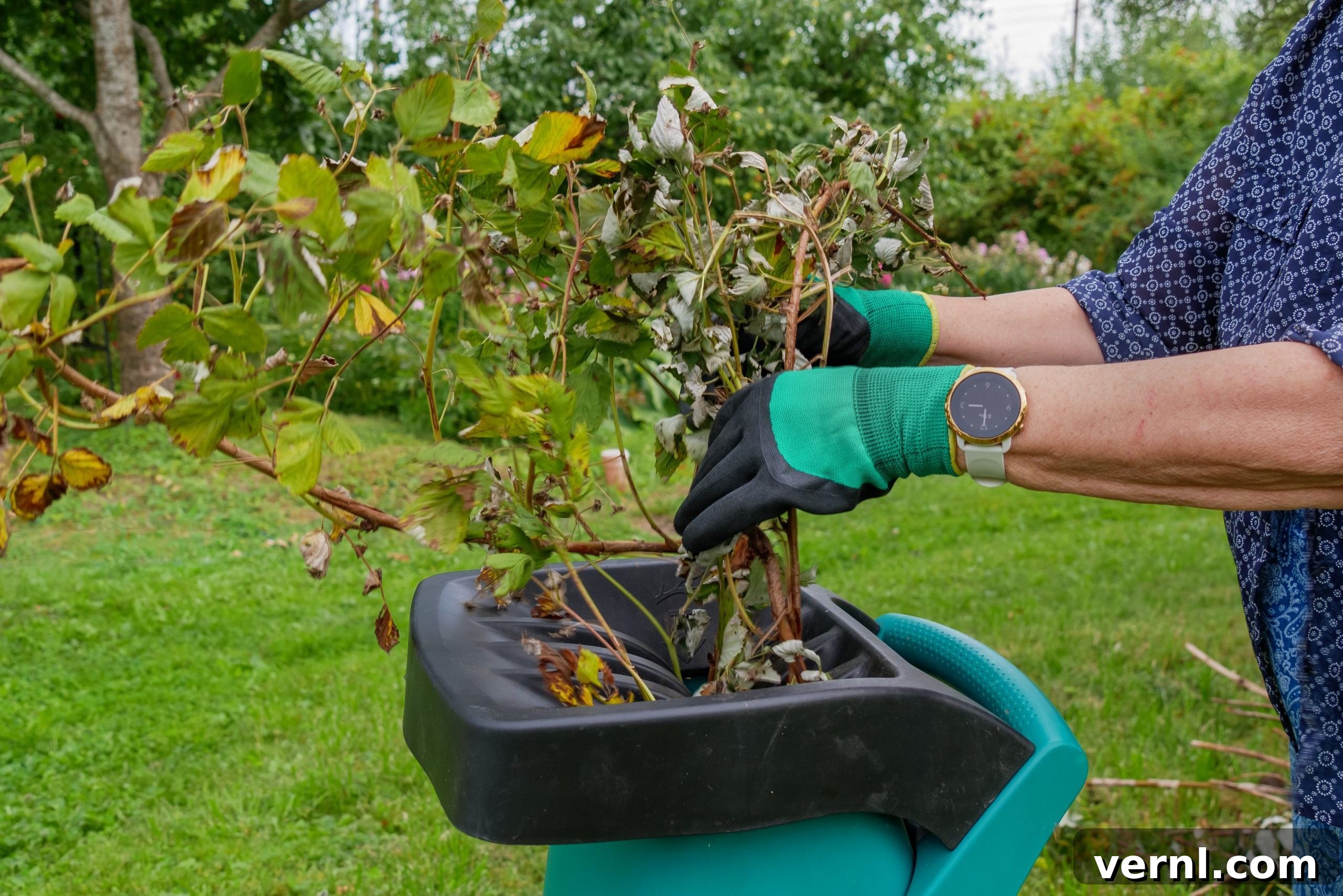
In recent decades, the frequency and intensity of wildfires have surged dramatically, impacting communities worldwide. Whether driven by evolving climate patterns, shifts in solar activity, or natural ecological cycles, these devastating events necessitate proactive measures, especially for homeowners in forested or high-risk areas. A critical component of safeguarding homes and properties is creating a defensible space – often requiring the clearance of a 100-foot radius around structures, as mandated by many fire authorities and insurance providers. This vital task of brush and branch removal can be significantly streamlined and made more efficient with the right equipment: a wood chipper.
The urgency of this preparation hit close to home for me in Santa Cruz, California, during the harrowing CZU Lightning Complex Fire of 2020. Our property, nestled amidst the flames, miraculously survived the inferno. Our survival was a testament to both sheer luck and the incredible courage of neighbors who, defying evacuation orders, stayed behind to tirelessly stamp out countless spot fires that threatened our homes.
Realizing that relying solely on luck and heroic efforts was not a sustainable long-term strategy, we committed to proactive fire mitigation. We subsequently hired a professional crew to meticulously clear the dense, steep hillsides surrounding our home. The industrial-grade wood chipper they deployed was a marvel of power, capable of grinding four-inch logs with ease. (For those seeking similar robust performance, the Power King Chipper Shredder stands out as an excellent, high-capacity option in the market.)
While acquiring such a powerful, professional-grade machine isn’t practical for most individual homeowners, a wide array of more manageable and accessible models are readily available. The decision to rent or buy a wood chipper ultimately hinges on several key factors: the scale and nature of the wood waste you need to process, your budget, and the anticipated frequency and duration of use. Understanding these variables is crucial for making an informed choice that best suits your specific needs.
Wood Chipper Rental: Flexibility and Convenience for Specific Projects
For many homeowners, renting a wood chipper presents a highly practical and cost-effective solution for intermittent or one-off projects. Most reputable tool rental outlets, including major hardware and home improvement stores, offer a diverse selection of wood chippers for rent. Navigating this selection requires understanding the key specifications to ensure you choose a machine adequate for your tasks.
The two most critical characteristics to consider when renting are the motor size, typically measured in cubic centimeters (cc), and the throat size (or feed opening), measured in inches. Generally, larger numbers in both specifications indicate a greater log capacity and more powerful chipping capability. Naturally, these more robust machines often come with higher rental fees. It’s important to align your choice with your actual needs: don’t overpay for a heavy-duty chipper designed for large logs if your primary goal is merely to clear small twigs and garden debris from the ground. Conversely, if you’re tackling more substantial tasks, such as felling small trees, or as we did, clearing sizable branches from mature redwood and Douglas fir trees, you’ll absolutely require extra power and a generously sized throat to efficiently process the material.
Rental costs can vary significantly based on location, rental period, and machine capacity. As a general guide (based on historical data from 2019 via ForestryEquipmentGuide.com), you can expect a two-inch capacity wood chipper to cost approximately $100 per day, $400 per week, or $1,200 per month. Stepping up to a six-inch capacity chipper typically runs around $165 per day, $740 per week, and $1,850 per month. Always confirm current pricing with your local rental provider, as rates are subject to change.
Beyond capacity, you’ll likely encounter a choice between gas, diesel, or electric models. Electric wood chippers are generally less powerful, often best suited for smaller branches and garden waste. Their primary limitation is the need for a power cord, which restricts mobility around your property. However, they are often cheaper to rent, quieter, and easier to operate, making them a practical and safer option if you can efficiently bring the brush to the chipper’s location. Gas and diesel models offer greater power and mobility, essential for larger properties and thicker materials.
Wood Chipper Rental Pros
- Cost-Effectiveness: For occasional use or single projects, renting is almost always more economical than purchasing, especially for larger, more powerful machines.
- Maintenance-Free: The rental outlet is responsible for all maintenance, repairs, and sharpening. You receive a machine that should be in good working order, minimizing your effort and responsibility.
- No Storage Hassle: Once your project is complete, you simply return the chipper. There’s no need to allocate valuable garage space or outdoor storage for a machine you use infrequently.
- Access to Various Models: Rental centers typically stock a range of models with different capacities and power sources, allowing you to choose the exact machine suitable for each specific job.
- No Depreciation: You don’t bear the financial burden of depreciation, which is a significant factor with equipment ownership.
Wood Chipper Rental Cons
- Inconvenience: You must arrange for pickup and return of the machine, which can be cumbersome, especially for larger chippers. Delivery services might be available but often come with additional fees.
- Cumulative Costs: If your projects are frequent or span long periods, the cumulative rental costs can quickly surpass the price of purchasing a smaller model. For ongoing yard maintenance or fire prevention, ownership might become more economical.
- Availability Issues: Popular chipper models can be in high demand, particularly during peak seasons. This might require booking well in advance, potentially forcing you to adjust your work schedule based on the chipper’s availability.
- Time Pressure: Rental periods create a sense of urgency. You might feel rushed to complete your work to avoid incurring additional rental fees, which can lead to fatigue or hurried operations, increasing safety risks.
- Limited Familiarity: Each time you rent, you might encounter a slightly different model, requiring a learning curve for operation and safety protocols.
Buying a Wood Chipper: A Long-Term Investment for Regular Use
While the initial outlay for a wood chipper can seem significant, purchasing one can be a wise long-term investment for homeowners who regularly manage yard waste, maintain large properties, or live in areas requiring consistent defensible space clearing. You might be surprised to learn that some smaller, consumer-grade models, such as the Sun Joe Electric Wood Chipper (our detailed review offers further insights), can cost as much as a basic lawnmower or snow blower, making them surprisingly accessible.
A compact electric chipper, while excellent for processing brush piles and smaller garden debris, may lack the power for larger tree branches. For those needing to handle wood up to three inches in diameter, gas-powered machines like the Landworks Mini Wood Chipper represent a significant step up in capability. While these models carry a higher price tag than their electric counterparts, their cost can still be less than renting a comparable machine for an extended period, such as a full month.
Should you decide to purchase, you’ll discover a vast selection of both gas and electric models available online and at local home centers. This wide availability means you can often have the exact model of your choice conveniently delivered directly to your door. To aid in your decision-making, explore some of the best wood chippers currently on the market, offering a range of features and price points to suit various needs and budgets. When buying, consider factors like engine horsepower, chipper capacity, portability, the type of feeding mechanism, and overall build quality and durability, as these will directly impact the machine’s performance and longevity.
Wood Chipper Buying Pros
- Unrestricted Access: Own the exact model you need, available whenever you need it, without worrying about rental store hours or availability. This allows you to work at your own pace and schedule, without rushing.
- Cost Savings Over Time: For frequent or ongoing use, the initial investment will eventually be recouped, making it more cost-effective than continuous renting. This is particularly true for managing extensive yard waste or maintaining large properties.
- Customization and Familiarity: You can choose a machine perfectly tailored to your specific needs and become intimately familiar with its operation, maintenance, and safety features.
- Income Potential: You have the option to loan, rent, or even offer chipping services to neighbors, potentially offsetting your initial investment or generating a small income.
- Consistent Fire Prevention: Living in a wildfire-prone area, owning a chipper empowers you to regularly clear nearby brush and fallen trees. As Steve Mercer, a seasoned expert from Northampton Rental Center, emphasizes, “Chippers help you quickly remove old, decaying trees and branches on the ground,” which are critical fuel sources for fires. This consistent management significantly enhances your property’s safety.
- Mulch Production: A key environmental benefit of owning a chipper is the ability to produce your own organic mulch. This enriches soil, conserves moisture, suppresses weeds, and reduces the need to purchase bagged mulch, contributing to a more sustainable garden.
Wood Chipper Buying Cons
- Higher Upfront Cost: The initial purchase price is significantly higher than a single rental. While this cost can even out with frequent use, it requires a larger immediate financial commitment.
- Maintenance Responsibility: You are fully responsible for all maintenance, including blade sharpening, oil changes, air filter cleaning, and general upkeep. Neglecting maintenance can lead to poor performance or costly repairs.
- Storage Requirements: Wood chippers, especially larger gas models, require adequate storage space, protected from the elements. This can be a challenge for homeowners with limited garage or shed space.
- Depreciation: Like any piece of equipment, a wood chipper will depreciate in value over time.
- Single Tool Limitation: You must select a single tool that can meet all your potential needs, which might involve compromises. If your needs change dramatically (e.g., from small branches to large logs), your purchased chipper might become insufficient.
Renting or Buying: Which Is Better for Your Needs?
Whether your primary motivation is proactive fire prevention, routine general yard maintenance, or generating nutrient-rich mulch for your garden, there’s a wood chipper solution available for you, either for rent or for purchase. As Steve Mercer aptly points out, “A chipper is great for homeowners who are clearing trees for a landscaping or garden project. They’re also nice to have for yard cleanup of small branches and debris.” The key is to carefully weigh your specific circumstances against the advantages and disadvantages of each option.
- You’re better off renting if:
- You have a single, large-scale project involving significant brush or logs that requires a powerful, gas-powered, or industrial-capacity machine. The logistics of storing and maintaining such a large piece of equipment for infrequent use are often not worth the ownership cost.
- You only anticipate needing a chipper once or twice a year for minor cleanup.
- You have limited storage space at your home.
- You prefer to avoid the responsibilities and costs associated with equipment maintenance and repairs.
- You’re better off buying if:
- You regularly generate a substantial amount of yard waste, or you live in an area that requires frequent brush clearing for fire safety. The long-term savings will quickly make ownership more economical.
- You need a smaller-capacity machine (e.g., electric models or compact gas chippers). The price difference between renting and buying small models is less significant, making ownership a more viable option for ongoing, lighter tasks.
- You desire the flexibility to work on your schedule, without the pressure of rental deadlines or availability constraints.
- You enjoy DIY maintenance and have the space to store the equipment properly.
- You intend to use the chipper to consistently generate your own mulch, saving money on bagged products and improving your garden’s health.
Ultimately, the decision rests on a comprehensive assessment of your property’s needs, the frequency of use, your budget, and your comfort level with equipment maintenance and storage. By carefully considering these factors, you can choose the most efficient and economical path to a cleaner, safer, and more beautiful property.
About the Experts
Steve Mercer has dedicated 41 years to the industry, serving as the esteemed manager at Northampton Rental Center, a comprehensive tool and party supply rental business. His extensive experience provides invaluable insights into equipment utilization and homeowner needs.