
Installing a Metal Roof Over Existing Shingles: Your Comprehensive Guide
The prospect of installing a durable, long-lasting metal roof without the messy and time-consuming process of tearing off your old asphalt shingles is certainly appealing. But is it always possible? The answer is nuanced: maybe. Most local building codes currently permit no more than two layers of roofing material before a complete tear-off becomes mandatory. Therefore, if your existing roof already comprises two layers of asphalt shingles, you will likely be required to remove them entirely, even though modern steel roofing systems are significantly lighter than their asphalt counterparts. Building codes can vary dramatically from one municipality to another, so it is absolutely essential to contact your local building department to understand the specific regulations and permitting requirements regarding how to install metal roofing over existing shingles in your area, ensuring full compliance and avoiding future complications.
Understanding the Process: What’s Involved in Installing Metal Roofing
A high-quality steel roof represents a significant, long-term investment in your home, typically offering a lifespan of 50 years or even more. In stark contrast, traditional asphalt roofs generally last between 20 to 30 years, with their longevity heavily influenced by the quality of the installation and the shingles themselves. Given this substantial difference in durability and lifespan, the initial investment in a metal roof can often prove to be well worth it over time. However, the sheer array of choices available in today’s market can make shopping for a steel roofing system far more complex than you might initially anticipate.
Choosing the Right Metal Roofing System for Overlay
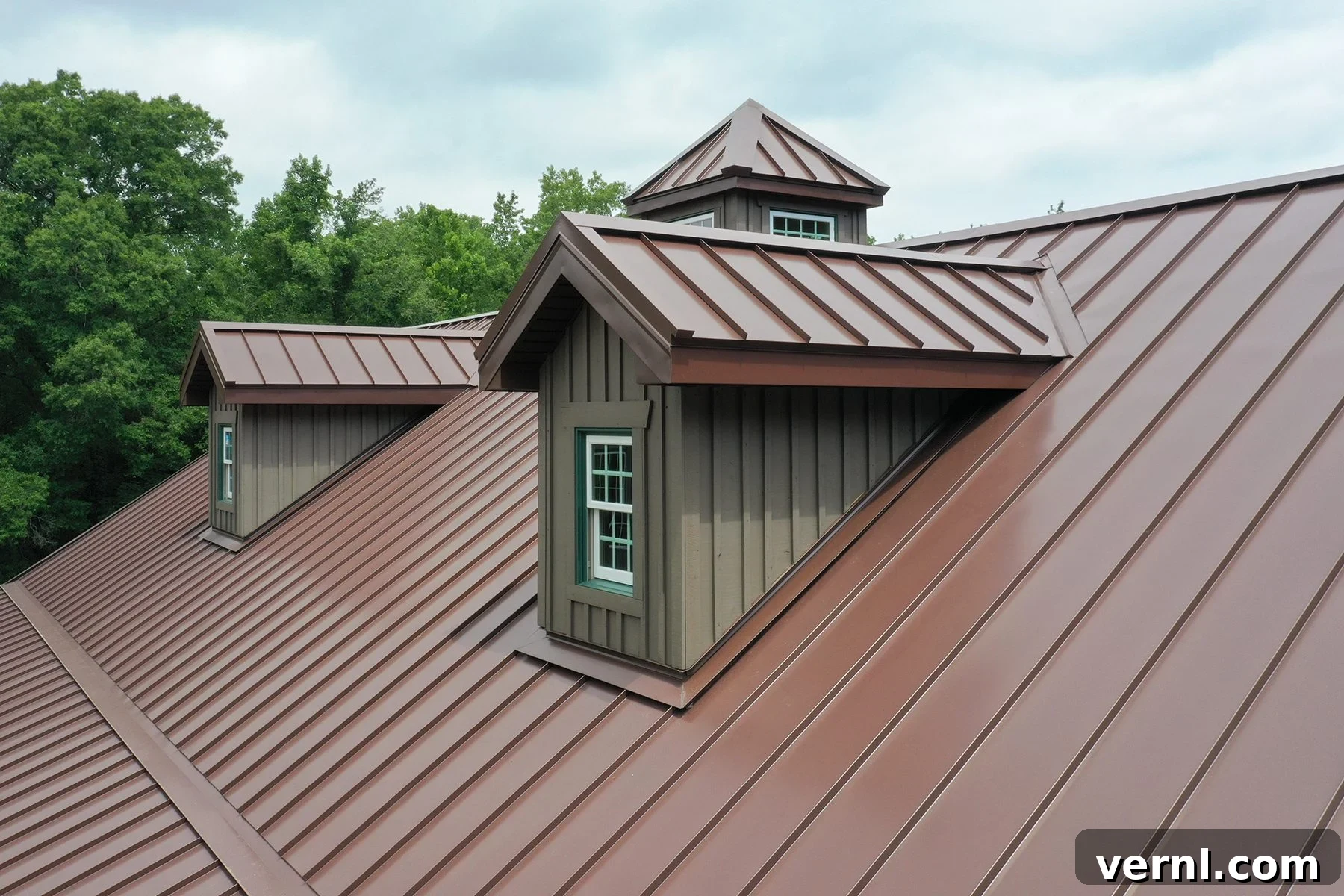
When considering installing a steel roof directly over an existing asphalt shingle roof, your most advantageous option is typically a steel shingle system. These systems, like the one often showcased, are generally more suitable for overlays compared to the more common (and often more expensive) standing seam steel roofs. Let’s delve into the differences:
- Steel Shingle Systems: These systems consist of smaller, individual panels designed to mimic the appearance of traditional asphalt shingles, slate, or wood shakes. They are typically installed in horizontal rows, much like conventional shingles, and are often lighter and easier to handle during installation. Their design makes them a practical choice for residential overlays, offering excellent aesthetics and performance.
- Standing Seam Steel Roofs: Characterized by long, continuous panels that run vertically from the eave to the ridge, standing seam roofs feature raised interlocking seams that conceal fasteners. While offering superior weather resistance and a sleek, modern aesthetic, they are generally heavier, more rigid, and require more precise installation. Due to their design and weight, standing seam systems often necessitate a complete tear-off of existing roofing materials for optimal performance and structural integrity.
The Advantage of a 2×2 Framework for Steel Shingles
Superior steel shingle systems, particularly those designed for overlays, are often installed over a precisely constructed framework of 2×2 lumber. This innovative framework provides three significant advantages that dramatically enhance the performance and longevity of your new metal roof:
1. Unmatched Wind Resistance and Structural Integrity
By screwing the 2×2 framework directly into the existing roof rafters, and then securely attaching the interlocking steel shingles to this frame, the entire system achieves remarkable structural stability. This robust attachment method allows the roof to withstand extreme wind forces, often rated to resist winds of up to 120 mph or even higher, without sustaining damage. This level of wind resistance is a critical factor for homeowners, especially those in regions prone to severe weather events, offering unparalleled peace of mind and protection against the elements.
2. Creating a Perfectly Flat and Straight Surface
One of the most valuable benefits of the 2×2 framework is its ability to create a consistently flat and straight surface for the new metal shingles. This is particularly crucial when installing over an older asphalt roof, which often exhibits imperfections such as badly curled shingles, sagging areas, or a bowed ridge line. The framework effectively bridges these inconsistencies, providing an ideal substrate for the new metal roof. This not only ensures a flawless aesthetic finish but also contributes to the roof’s long-term performance by preventing water pooling and ensuring proper drainage.
3. Enhanced Ventilation and Energy Efficiency
Perhaps the most significant advantage of the 2×2 framework is the creation of a continuous ventilation gap between the new metal roof and the old asphalt shingles. This ingenious design facilitates a powerful airflow system that offers multiple benefits throughout the year:
- Prevents Ice Dams in Winter: Ice dams form when heat escaping from the attic melts snow on the roof, and the water then refreezes at the colder eaves, creating a barrier. The ventilation gap, combined with proper soffit and ridge vents, allows cool outside air to enter through the soffit vents, travel under the shingles, and exit through the ridge vent. This continuous airflow keeps the entire roof deck uniformly cold, preventing premature snowmelt and significantly reducing the risk of destructive ice dam formation.
- Cools the Roof and House in Summer: During hot summer months, the ventilation gap acts as a thermal break. It allows superheated air that accumulates beneath the metal panels to escape through the ridge vent, effectively carrying away heat before it can transfer into the attic and subsequently into your living spaces. This passive cooling mechanism can lead to a noticeable reduction in indoor temperatures and lower your air conditioning costs.
- Removes Moisture and Extends Roof Life: Beyond temperature regulation, the ventilation gap continuously pulls out moisture and trapped heat from beneath the roof. This helps to prevent condensation buildup, which can lead to mold growth, rot, and degradation of insulation and structural components over time. By maintaining a dry, well-ventilated attic and roof assembly, the lifespan of both your new metal roof and the underlying structure is significantly extended.
To optimize this ventilation, small holes are strategically cut in the old roof deck just above the soffit, allowing air to be drawn effectively from the soffit vents underneath. This continuous flow of cool, ambient air beneath the new metal shingles ensures maximum efficiency for both winter ice dam prevention and summer cooling.
Pros and Cons for Metal Roofing Installation Over Shingles
Deciding to install a metal roof over existing asphalt shingles involves weighing various advantages and disadvantages. Here’s a comprehensive look:
Dispelling Common Misconceptions: Noise and Aesthetics
- Noise Concerns: A common misconception is that metal roofs are excessively noisy during rain or hail. However, when a steel roof is installed over an existing asphalt roof, the underlying shingles act as an excellent sound-dampening layer. In many cases, homeowners report that a metal roof installed this way can actually be quieter than an asphalt roof during inclement weather. Modern manufacturing techniques and proper installation with solid decking further reduce noise transmission, ensuring your home remains a peaceful sanctuary.
- Aesthetics: The image of metal roofs being industrial or “looking like a cattle barn” is largely outdated. Today’s metal roofing manufacturers offer an incredible array of styles, colors, and finishes designed to complement virtually any architectural style. You can find metal shingles that beautifully mimic the appearance of traditional slate, terracotta tile, or even wood shakes, providing exceptional curb appeal. With numerous choices available, you can select a style that not only protects your home but also significantly enhances its visual appeal and resale value.
The Investment: Cost, Durability, and Energy Savings
- Initial Cost vs. Long-Term Value: There’s no denying that a steel roof represents a higher initial investment compared to a new asphalt roof. The type of system described here, installed with a framework, might cost approximately twice as much as a standard asphalt roof installation. However, it’s crucial to view this through a long-term lens. Given its 50+ year lifespan, a metal roof’s lifetime cost can be significantly lower. You’ll avoid multiple asphalt roof replacements, the associated labor, and disposal fees over the decades.
- Return on Investment (ROI): The long-term savings often extend beyond replacement costs. Metal roofs can increase your home’s resale value and reduce your energy bills. Many metal roofs feature “cool roof” technology with reflective pigments that deflect solar radiation, reducing heat absorption and subsequently lowering air conditioning costs by 10-25% in warm climates.
- Maintenance: Metal roofs are remarkably low-maintenance. They resist moss, algae, and mildew growth, and they don’t curl, crack, or degrade under UV exposure like asphalt shingles. Periodic cleaning is usually all that’s required to maintain their pristine appearance.
Considering DIY Metal Roofing Systems
For budget-conscious homeowners or those with significant DIY experience, some steel shingle manufacturers offer do-it-yourself systems. These options can sometimes bring the material cost closer to that of an installed asphalt roof. However, it’s important to understand the trade-offs:
- Direct Installation: DIY systems are often designed to be installed directly over the old roof, without the 2×2 framework. Consequently, they do not provide the same vital ventilation advantages discussed earlier. This means you might forgo the benefits of enhanced ice dam prevention, summer cooling, and continuous moisture removal that a framed system offers.
- Skill and Safety: Installing a roof is a physically demanding and potentially dangerous job. Proper installation is critical for performance and warranty validity. While DIY can save on labor costs, any errors can lead to leaks, premature wear, and costly repairs down the line.
- Warranty Implications: Always check the warranty terms for DIY systems. Professional installation often comes with comprehensive labor and material warranties that might not apply to self-installed roofs.
Ultimately, while DIY metal roofing offers a cost-effective entry point, it’s crucial to weigh the potential savings against the loss of advanced performance features and the inherent challenges of roofing installation.
Environmental Benefits
Beyond personal advantages, metal roofing offers significant environmental benefits:
- Recyclability: Metal roofs are typically made from a high percentage of recycled materials and are 100% recyclable at the end of their exceptionally long life, significantly reducing landfill waste.
- Energy Efficiency: As mentioned, cool roof coatings reflect sunlight, reducing the urban heat island effect and lowering overall energy consumption.
- Longevity: Their extended lifespan means fewer roofs are produced and replaced, conserving resources over time.
In conclusion, installing a metal roof over existing asphalt shingles is a viable and often advantageous option, provided you adhere to local building codes and choose the right system. While the initial outlay is higher, the long-term benefits in terms of durability, energy efficiency, low maintenance, and enhanced curb appeal make it a wise investment for many homeowners. By understanding the intricacies of installation, particularly the advantages of a proper ventilation framework, you can ensure your new metal roof provides decades of superior protection and value for your home.