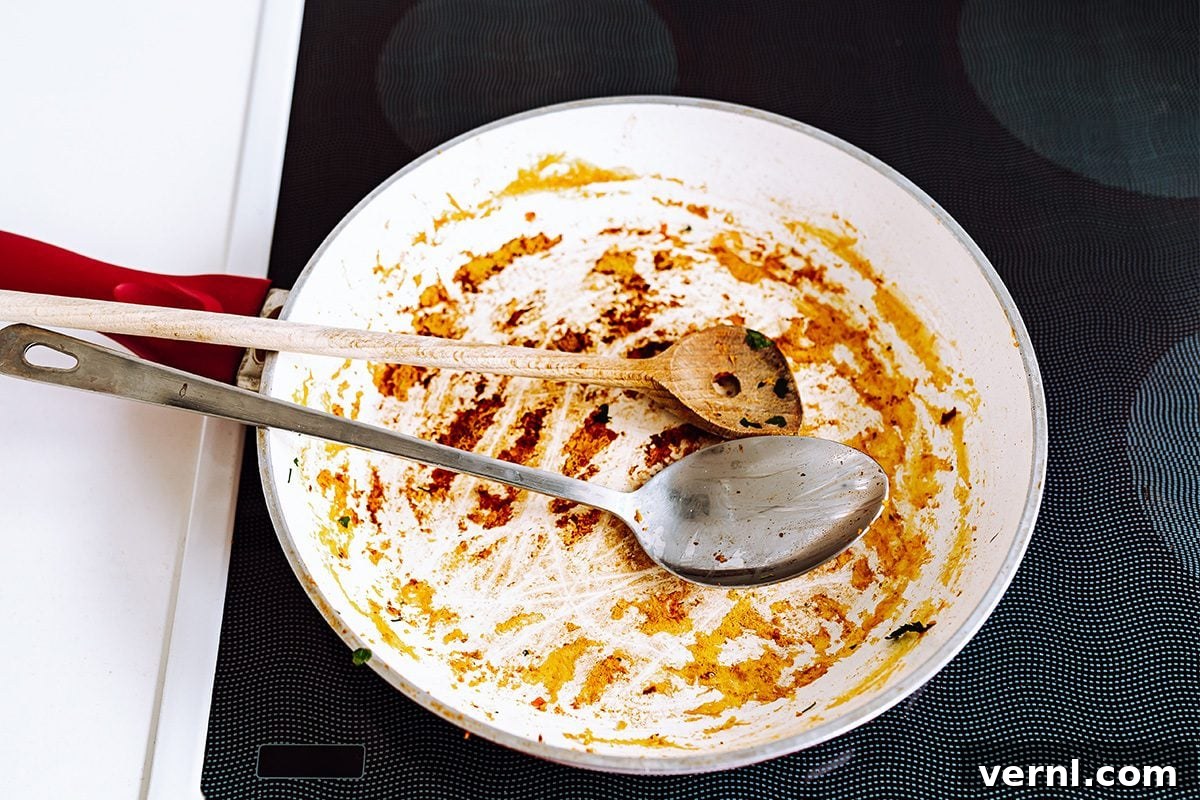
We’ve all been there: after a delightful meal, you’re faced with the aftermath of a stubborn stain on your favorite dishware. Perhaps it’s a vibrant red tomato sauce mark marring your cherished ceramic tray, or a tell-tale ring of coffee on your mug. Your initial reaction is usually to reach for the dishwasher or scrub diligently by hand, only to find the unsightly blemish persists. The frustration is real, and it often leads to the exasperating conclusion that some stains are simply permanent.
But what if there was an unconventional, surprisingly effective, and completely natural method you haven’t considered? Prepare to be introduced to an ancient, powerful cleaning agent often overlooked in our modern homes: sunlight.
Yes, you read that correctly. While you might be familiar with the age-old trick of using sunlight in conjunction with lemon juice to brighten whites or lift stains from clothing, its application isn’t limited to textiles. In many cases, especially when dealing with stubborn organic marks, the sun’s potent rays can be a game-changer for your stained dishes, serving as a powerful last resort before you consider discarding them.
To shed light on this fascinating, eco-friendly cleaning hack, we’ve consulted with a leading professional cleaner. We delved into the science and practicalities of harnessing Mother Nature’s powerful UV rays to restore your dishes to their pristine condition, offering a fresh perspective on tackling those otherwise unyielding spots.
Can Sunlight Truly Remove Stubborn Stains from Your Dishes?
The answer is a resounding yes! You can indeed remove stains from certain types of dishes using the natural power of sunlight. However, it’s crucial to understand that sunlight isn’t a universal stain remover for every single dish or every type of blemish. Its effectiveness is largely dependent on several key factors, including the specific nature of the stain itself and the material composition of the dish you’re trying to clean.
Deep-colored, organic stains are often the most challenging adversaries in the kitchen. Think of the vibrant hues left behind by beet juice, rich red wine, or the ubiquitous tomato sauce. These pigments can penetrate surfaces and cling stubbornly, resisting conventional washing methods. While they can be particularly tricky, sunlight offers a surprisingly effective solution, especially when you’ve already exhausted other popular stain-removal techniques. Many homeowners have tried soaking dishes in solutions of baking soda, or a mix of hot water with vinegar and dish detergent, only to be met with disappointment. In these instances, turning to the sun can provide that much-needed breakthrough.
Beyond its stain-fighting capabilities, direct exposure to sunlight offers additional benefits for your dishware. The potent UV rays are known to possess natural sanitizing properties. This means that, in addition to potentially dissolving visible stains, sunlight can also help to eliminate lingering odors that sometimes cling to dishes and kill a significant portion of common bacteria and germs present on surfaces. This dual action makes it not just a stain remover, but also a valuable tool for maintaining overall dish hygiene, all without the need for harsh chemicals.
The Science Behind Sunlight’s Cleaning Power: Why This Method Works
To understand why this seemingly simple method is so effective, we turn to cleaning expert and professional organizer, Marisol Rivera, from Sparkly Maid Austin. According to Rivera, sunlight isn’t just a source of warmth and light; it’s a powerful natural agent, primarily due to its ultraviolet (UV) rays. These UV rays act as a gentle yet potent natural bleach, initiating a process known as photobleaching and oxidation.
In essence, when UV light from the sun strikes the colored molecules that make up a stain, it energizes them. This energy causes chemical bonds within these molecules to break down, effectively changing their structure and making them colorless. This process is very similar to how prolonged exposure to sunlight can fade fabrics left outdoors, or how white clothes become brighter when line-dried in the sun. The intense energy of the UV spectrum directly attacks the chromophores (the parts of a molecule responsible for its color), deactivating them and causing the stain to visibly lighten or disappear.
“This method works best on organic stains,” Rivera explains, “which include nearly all food-based stains and tannins. Think about the dark rings left by coffee and tea, the vibrant splotches from wine, or the notorious orange residue from tomato sauce. These are the prime candidates for sun-bleaching.” She cautions, however, that while incredibly effective for these types of blemishes, sunlight is “not as effective on metal marks, heavy mineral deposits like hard water stains, or the delicate, etched crazing sometimes found in fine china.” For such issues, different cleaning approaches are typically required.
It’s important to manage expectations regarding speed. While some minor stains might vanish relatively quickly, Rivera emphasizes that sun-bleaching is rarely an instant fix. “For optimal results, plan for dishes to be out in direct sunlight for anywhere between two and six hours,” she advises. “And for particularly stubborn spots, be prepared for multiple sessions.” The setup is simple: you can place your stained items on a clean dish rack outdoors, or simply arrange them on a towel on a patio table or even on a grassy area, ensuring maximum exposure to the sun’s rays.
For those looking to accelerate the process or enhance effectiveness, there’s an optional pre-treatment step: applying lemon juice directly to the stained area before placing the dishes in the sun. Lemon juice, a natural acid, also functions as a mild bleaching agent. When combined with UV exposure, it can amplify the photobleaching effect, potentially speeding up the stain removal. While beneficial, this step isn’t always strictly necessary or required for successful stain removal, as sunlight alone often suffices.
What if you’re pressed for time, or live in a region where consistent direct sunlight is a luxury? Rivera offers an excellent alternative for those persistent stains: a hydrogen peroxide soak. This method involves filling a basin with warm water and adding a standard three percent hydrogen peroxide solution. Allow the stained dishes to soak for approximately 30 minutes. After soaking, simply wash the dishes as you normally would.
“The peroxide actively bubbles and oxidizes the stains chemically,” Rivera explains, “effectively lifting them without the need for strenuous scrubbing. This chemical oxidation process breaks down stain molecules in a similar fashion to sunlight, but in a more controlled, indoor environment. Best of all, it’s generally safe for a wide range of materials, including glass, most plastics, and the majority of ceramics.” This makes it a fantastic backup plan when the sun isn’t cooperating.
Is This Natural Stain Removal Method Safe for All Your Dishes?
Safety is paramount when trying any new cleaning method, and sun-stain removal is generally considered very safe for the vast majority of non-metallic dishes. Marisol Rivera assures us that materials like clear glass, many plastic food containers, and unglazed stoneware are excellent candidates for this technique. The primary reason for its safety profile is its reliance on natural elements rather than harsh chemicals or abrasive acids, which can scratch, etch glazes, or irreversibly damage delicate finishes over time.
However, there are crucial exceptions to note. “You should absolutely avoid using this method on delicate china, particularly pieces with metallic trim, intricate painted designs, or colored glazes,” Rivera strongly advises. The UV rays, which are so effective at breaking down organic stain molecules, can also cause certain pigments in colored glazes to fade, dulling their vibrancy. Similarly, metallic trims, such as gold or silver leaf, can be susceptible to discoloration or even pitting when exposed to prolonged, direct sunlight. “Furthermore, never use this technique on silverware or aluminum cookware,” she cautions, “as these metals can pit, oxidize, or become discolored and damaged by the intense UV exposure.” Understanding these limitations ensures you protect your more precious or sensitive kitchenware.
After your dishes have had their rejuvenating sunbath, Rivera offers a crucial final step to ensure they are truly clean and ready for use. “It’s highly recommended to rinse them thoroughly,” she states. This final rinse helps to wash away any loosened residue from the broken-down stain molecules that might still be clinging to the surface. Following this, a quick wash with dish soap and water, as you normally would, ensures that the dishes are not only stain-free but also hygienically clean and food-safe. This meticulous post-treatment guarantees that the natural cleaning power of the sun delivers both aesthetic improvement and practical sanitation.
Step-by-Step Guide to Sun-Bleaching Your Dishes
Ready to try this natural stain-fighting method? Here’s a simple guide to effectively use sunlight to banish those stubborn dish stains:
- Clean First: Begin by washing your stained dish as you normally would with soap and water. This removes any food particles or grease, allowing the sunlight to directly target the stain itself.
- Assess the Stain & Dish Material: Confirm that your dish is suitable for sun exposure (e.g., glass, unglazed ceramic, safe plastic). Identify if the stain is organic (coffee, tea, wine, tomato sauce) – these are the best candidates.
- Optional: Pre-treat with Lemon Juice: For an extra boost, especially with very dark stains, squeeze fresh lemon juice directly onto the stain. Allow it to sit for a few minutes before moving to the next step.
- Position for Maximum Sun Exposure: Find a spot outdoors that receives direct sunlight for several hours. This could be a patio, deck, windowsill, or even a clean patch of grass. Place the stained side of the dish directly facing the sun. A dish rack can be useful for air circulation and stability.
- Wait Patiently: This isn’t a quick process. Allow the dishes to sit in the direct sunlight for a minimum of 2 hours, and up to 6 hours or even longer for very stubborn stains. Check periodically.
- Repeat if Necessary: For deep-set stains, you might need to repeat the process over several days. Patience is key, as the cumulative effect of UV rays will gradually break down the stain.
- Rinse and Wash: Once the stain has faded or disappeared, retrieve your dish. Rinse it thoroughly under running water to remove any loosened residue. Then, wash it with dish soap and water to ensure it’s completely clean and sanitized before use or storage.
Optimal Conditions for Sun Bleaching Your Dishes
For the most effective sun-bleaching results, consider these optimal conditions:
- Direct Sunlight: This is non-negotiable. Overcast days or shaded areas will significantly reduce or eliminate the effectiveness of the UV rays.
- Time of Day: Mid-day, when the sun is highest in the sky, typically offers the strongest UV intensity.
- Season: Summer months, with longer daylight hours and higher sun angles, are generally more effective than winter months.
- Angle: Ensure the stained surface is directly exposed to the sun’s rays for maximum impact.
- Clean Surface: As mentioned, ensure the dish is free of food debris so the UV rays can directly act on the stain molecules.
Beyond Stains: Additional Benefits of Sunning Your Dishes
While stain removal is the primary focus, exposing your dishes to sunlight offers several other advantages that contribute to a cleaner, fresher kitchen environment:
- Odor Elimination: Lingering smells from pungent foods (garlic, onion, certain spices) can stubbornly cling to plastics and even ceramics. UV light helps to break down the organic compounds responsible for these odors, leaving your dishes smelling fresh and neutral.
- Natural Sanitization: UV-C light is widely used for sterilization in various industries. While household sunlight contains primarily UV-A and UV-B, these rays still possess antimicrobial properties. Exposure can significantly reduce the bacterial and viral load on your dishes, offering a chemical-free method of sanitization. This is particularly beneficial for items that might harbor bacteria, like plastic containers or cutting boards.
- Eco-Friendly Approach: By utilizing sunlight, you reduce your reliance on harsh chemical cleaners, which are often non-biodegradable and can contribute to water pollution. This method promotes a more sustainable and environmentally conscious cleaning routine.
- Cost-Effective: Sunlight is free! This method requires no special cleaning products, saving you money on expensive stain removers.
Exploring Alternatives: When the Sun Isn’t an Option
As Marisol Rivera pointed out, sunlight isn’t always available or practical. Here’s a deeper look at effective alternatives:
- Hydrogen Peroxide Soak: This is Rivera’s top recommendation. Fill a basin with warm water and a generous amount of 3% hydrogen peroxide. Submerge the stained dishes for 30 minutes to an hour. The effervescent action of peroxide actively oxidizes and lifts stains. It’s safe for most glass, plastic, and ceramic. Always rinse thoroughly afterward.
- Baking Soda Paste: For milder stains, a thick paste made from baking soda and a little water can be effective. Apply the paste to the stain, let it sit for a few hours or overnight, then scrub gently and rinse. Baking soda is a mild abrasive and odor absorber.
- Vinegar and Hot Water Soak: A solution of equal parts white vinegar and hot water can help loosen many organic stains, especially from coffee and tea. Soak the dishes for several hours, then wash as usual. Vinegar is acidic and helps to dissolve mineral deposits and organic residues.
- Commercial Stain Removers: For very persistent stains or specific materials not suitable for natural methods, specialized commercial stain removers for dishes are available. Always check product labels for compatibility with your dish material and follow instructions carefully.
About The Experts
- Marisol Rivera, a highly respected cleaning expert and professional organizer, leads the team at Sparkly Maid Austin. Her extensive experience in residential and commercial cleaning provides invaluable insights into effective and sustainable cleaning practices.
In conclusion, the next time you encounter a seemingly impossible stain on your favorite dish, don’t despair or immediately reach for aggressive chemicals. Consider the natural, powerful, and free solution shining right above you. Harnessing the sun’s UV rays for stain removal is a testament to the simple yet profound effectiveness of nature’s solutions. By understanding its science, applying it correctly, and knowing its limitations, you can often restore your beloved dishware to its original glory, all while embracing an eco-friendly approach to household cleaning. Give it a try – you might be surprised by the brilliance of this age-old trick!