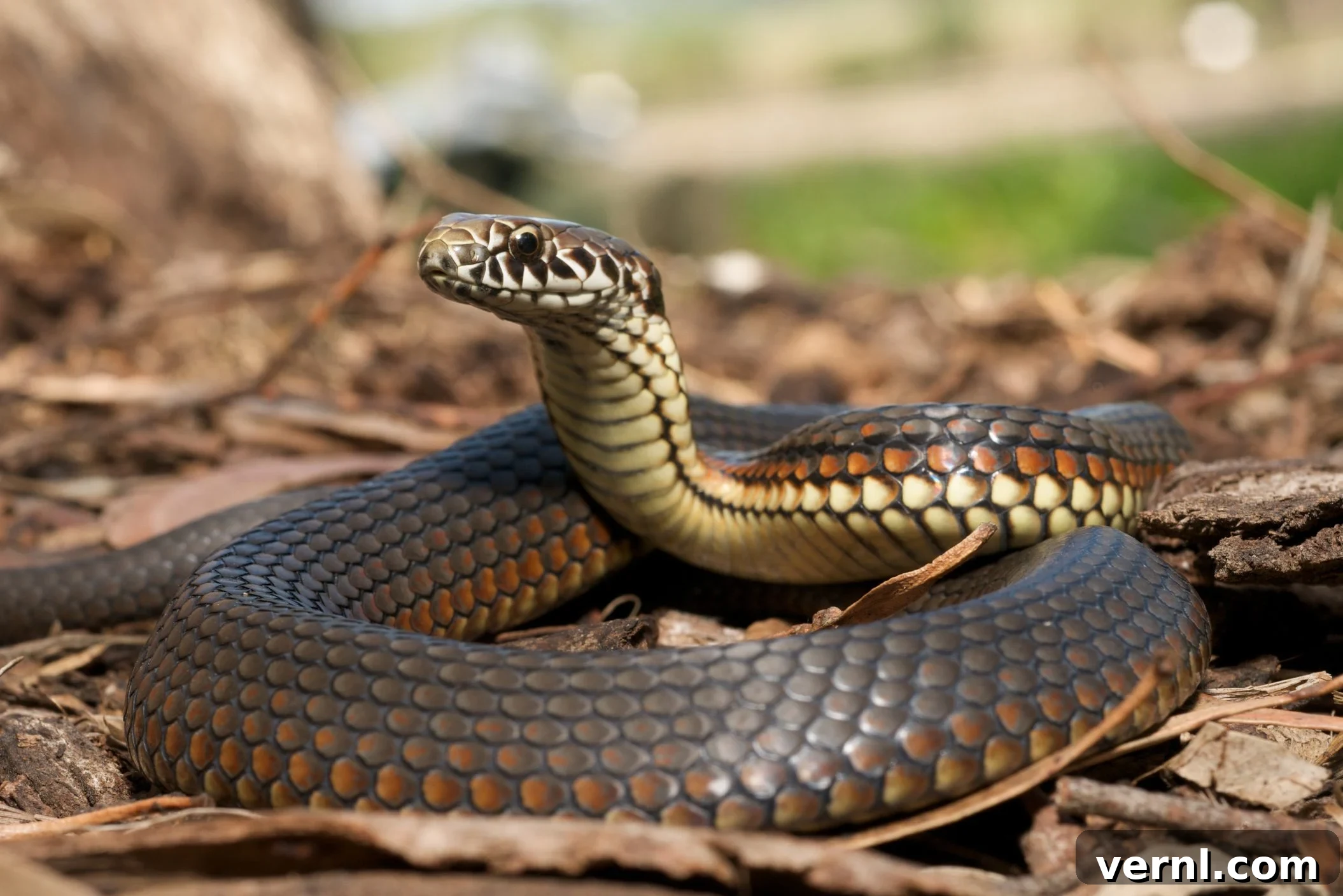
As an enthusiastic camper, a biologist by profession, and a dedicated snake enthusiast, I’ve had countless opportunities to observe and interact with snakes in their natural habitats. Over the years, I’ve honed my skills in navigating these encounters safely and respectfully. Understanding the correct procedures when you encounter a snake in your campsite isn’t just about avoiding a scary situation; it’s about transforming a potential moment of fear into a truly enriching and positive wildlife experience. This comprehensive guide will equip you with the knowledge to ensure both your safety and that of the magnificent reptiles you might meet on your outdoor adventures.
The most effective strategy to avoid any unwelcome campsite snake encounter is proactive prevention. While many commercial “snake repellent” products or popular home hacks—such as pouring white vinegar or scattering mothballs around your camp—are widely advertised, scientific evidence consistently shows they are largely ineffective. Snakes are driven by instinct and habitat, not easily deterred by such superficial barriers. However, there are concrete, practical steps you can take to make your campsite far less appealing to snakes, thereby significantly reducing your chances of an encounter:
- Secure Food Storage: Always store all food items, including pet food and trash, in robust, sealed, and rodent-proof containers. Rodents and other small mammals are a primary food source for many snake species. By eliminating this attraction, you reduce the likelihood of snakes venturing into your immediate camping area.
- Strategic Campsite Selection: When choosing your camping spot, prioritize areas away from dense underbrush, tall grasses, marshy or sandy banks, or any location with numerous large rocks, fallen logs, or rock piles. These environments provide ideal shelter, hunting grounds, and basking spots for snakes. Opt for open, well-trafficked areas if possible.
- Clear Your Immediate Area: Upon arrival, meticulously clear your chosen campsite of any loose debris, brush piles, rock stacks, or firewood stashes that could serve as perfect hiding spots for snakes. A tidy camp leaves fewer places for snakes to conceal themselves.
- Ensure High Visibility: Select a campsite that offers good visibility, allowing you to easily scan the ground around your tent and activity areas. This makes it easier to spot a snake from a safe distance before it gets too close.
- Check Your Gear: Before packing up at home, and especially before using it at the campsite, thoroughly shake out tents, sleeping bags, backpacks, and clothing. Snakes, particularly small ones, are notorious for seeking warmth and shelter in unexpected places.
- Mind Your Footing: Always wear sturdy, closed-toe shoes or boots while walking around your campsite, especially at dawn, dusk, and night when snakes are often most active. Avoid walking barefoot or in open-toed sandals.
Snakes, unfortunately, often suffer from a negative reputation, frequently misunderstood as aggressive or inherently dangerous creatures. In reality, most snakes are shy and prefer to avoid human contact. By keeping the following three crucial safety tips in mind, you’ll be well-prepared and confident in knowing exactly what to do should you find a snake near your camp.
Prioritize Safety: Leave the Snake Alone
This is, without a doubt, the single most important piece of advice when encountering any wild snake. Your initial and primary response should always be to maintain a safe distance and leave the animal undisturbed. Most snakes in North America are non-venomous and pose little threat beyond a defensive bite if provoked. However, the venomous species present can inflict serious, even life-threatening injuries.
Common venomous species, such as various types of rattlesnakes, copperheads, and cottonmouths (water moccasins), are found across nearly every state and diverse habitats. Their venom can lead to severe tissue damage, requiring extensive medical intervention, potential loss of a limb, or in the worst-case scenario, prove fatal. Consequently, it is imperative to always maintain a significant safe distance from any wild snake until you are 100 percent certain of its species and whether it is venomous or not. When in doubt, assume it’s venomous and give it plenty of space.
It’s a stark reality that almost all snake bites involving humans occur when individuals attempt to move, harass, or antagonize the snake. This includes trying to capture it, kill it, or even just get a closer look. If a snake happens to be in your campsite, it can be incredibly tempting to try and shoo it away or remove it. However, resisting this urge is critical. If you simply back away slowly and give the snake space, it will almost invariably leave your camp on its own once it perceives that the immediate threat (you) has receded and it feels safe enough to move. Snakes are not interested in confrontation; they simply want to escape. If you’ve diligently implemented the snake-prevention measures outlined above, there will be very little to entice a snake to linger in your camp in the first place, making its departure even more likely.
Identify the Snake From a Safe Distance
Once you have established a safe distance and the snake is no longer an immediate concern, take the opportunity to try and identify it. This step is invaluable as it provides you with crucial information, ensuring you know exactly what kind of creature you’re dealing with. Accurately identifying a snake as non-venomous can bring immense peace of mind, allowing you to feel much safer and more comfortable sharing the outdoor space with it. Conversely, confirming it as venomous reinforces the need for extreme caution and professional intervention.
For reliable identification, purchasing a dedicated field guide specific to the region, state, or national park where you plan to camp is highly recommended. These guides are invaluable resources, packed with detailed descriptions, clear photographs, and range maps that can help you distinguish between species. For those camping in western North America, the Peterson Field Guide to Western Reptiles and Amphibians is an excellent and highly respected choice. If your adventures take you to eastern or central North America, the Peterson Field Guide to Reptiles and Amphibians of Eastern and Central North America is the guide you’ll want by your side. These essential guides typically cost $25 or less and provide a level of accuracy and detail that can genuinely offer peace of mind during your camping trips.
While some modern mobile applications can assist in snake identification, it’s vital to use them with caution and not as your sole source of information. These apps, while convenient, can sometimes produce false negatives, mistakenly identifying a venomous snake as harmless, or provide inaccurate information due to poor image quality or lighting conditions. This potential for error can place you and your fellow campers at undue risk. Therefore, it is always best practice to consult a reliable physical field guide first, using mobile apps primarily for secondary confirmation or when a field guide is not immediately available. Remember, nothing beats the tangible, well-researched information found in a specialized book, especially when your safety is on the line. When attempting identification, pay attention to visible characteristics from a distance, such as overall body shape, head shape (triangular vs. oval), presence of rattles, and general color patterns, but never get close enough to confirm these details at the risk of provoking the snake.
Contact a Park Ranger or Campground Host
In situations where a snake has entered your campground and, despite your efforts to give it space, it simply won’t leave, or if you’ve positively identified it as a venomous species, the appropriate next step is to contact the campground host, park rangers, or other local wildlife authorities. This is particularly crucial for the safety of yourself and others.
Sometimes, you’ll encounter a particularly stubborn snake that has made itself comfortable a little too close to your campsite, perhaps under your tent vestibule or near a frequently used path. If you’ve already tried the critical step of backing away slowly, maintaining distance, and giving the snake ample time (e.g., 30 minutes to an hour) to move on its own, and it remains persistently in place, it may indeed be time to call in the professionals. This is especially true if, through your careful, distant observation and field guide consultation, you’ve identified the snake as venomous, or if its size and behavior suggest it could pose a significant threat.
It cannot be stressed enough: never, under any circumstances, attempt to move a venomous snake yourself. These animals require specialized handling techniques and equipment that only trained professionals possess. Even non-venomous snakes, while posing significantly less risk of serious injury, can still deliver powerful, painful bites if they feel threatened. Therefore, their relocation should also be left exclusively to individuals with experience, proper training, and the correct tools to ensure both human safety and the snake’s well-being. Public campgrounds, National Parks, State Parks, and many private campgrounds usually have trained staff, such as park rangers or wildlife management personnel, who are equipped and authorized to handle such situations. These individuals will typically come to your campsite and safely remove snakes if they are deemed to pose a safety risk to visitors. Contact information for these authorities is almost always provided at check-in, on park maps, or on information boards around the campground. Don’t hesitate to use it.
When to Consider Moving a Snake (Expert-Level, Last Resort Only)
This section is included for educational completeness but comes with a stringent warning: attempting to move a snake yourself should only ever be considered as an absolute last resort, and exclusively by individuals who possess significant experience and confidence in snake handling. This is not for beginners, curious campers, or anyone unsure of a snake’s species or temperament. If 30 minutes or more have passed and a harmless snake still refuses to leave your campsite, and professional help is unavailable or significantly delayed, then and only then, if you are 100 percent confident the snake is non-venomous and harmless, might you consider this option. If there is even a shred of doubt regarding its identity or your ability, leave it alone and seek alternative solutions, like relocating your own camp if necessary.
For those with expert-level experience, you can use a specialized tool such as a snake hook to gently guide the snake away safely, thereby decreasing the chance of a defensive bite. A snake hook allows you to maintain a safe distance and offers a degree of control. However, extreme care must be exercised, especially with grabber-style hooks or tongs, as improper use can easily injure the snake, causing spinal damage or other trauma. The goal is always safe relocation, not harm. Never attempt to use sticks, shovels, or other makeshift tools, as these often lead to injury for both the snake and the handler. Beginners should never even contemplate this task. It requires a deep understanding of snake behavior, quick reflexes, and the proper equipment. For the vast majority of campers, the safest and most responsible course of action is always to follow the previous three steps: leave it alone, identify from a distance, and contact a professional.
By understanding and respecting snakes, recognizing their vital role in the ecosystem, and adhering to these safety guidelines, you can ensure your camping experiences remain enjoyable, safe, and truly harmonious with the natural world around you. Responsible camping means coexisting peacefully with all wildlife, big and small.