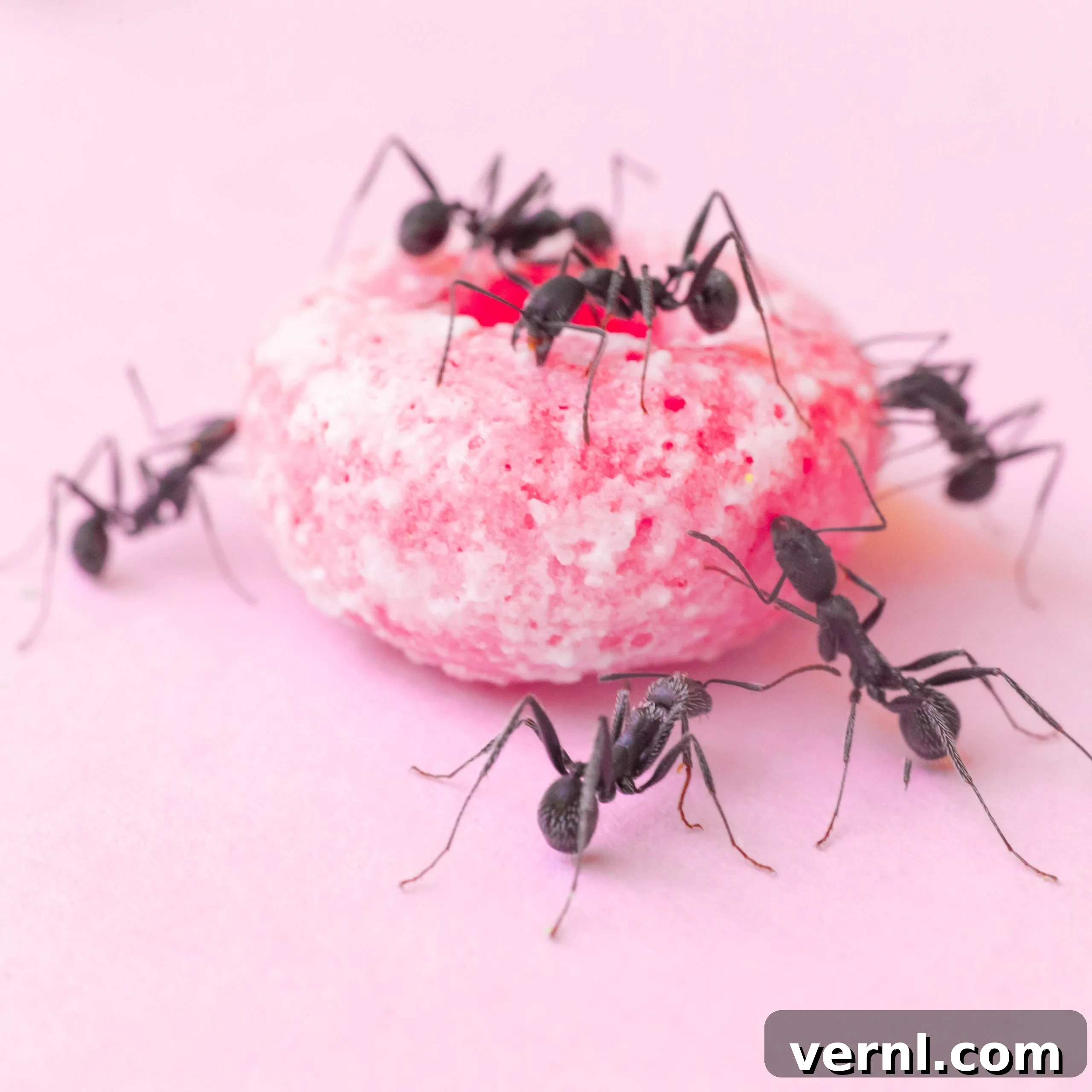
Amazingly cooperative, impressively diligent, and at times, annoyingly invasive, ants are truly fascinating creatures that have adapted to nearly every corner of the globe. With an estimated 22,000 different species worldwide and close to 1,000 varieties thriving across the United States alone, these tiny insects play a significant role in ecosystems while also frequently becoming unwelcome guests in our homes.
Ants are remarkable for their complex social structures and highly organized colonies, which can range from a few dozen individuals to millions. They are incredibly resilient, capable of surviving in diverse habitats, from sprawling forests and open fields to the intricate environments within our residential and commercial buildings. When they infiltrate our living spaces, they can quickly establish a damaging infestation, posing a nuisance and, in some cases, a threat to property or health.
As a common household pest, understanding effective ant prevention and control techniques is essential for maintaining a safe and healthy environment for your family and pets. This comprehensive guide delves into everything you need to know about ants – from their distinguishing characteristics and complex behaviors to their preferred habitats and the signs of an infestation. We will explore how to co-exist with these industrious insects, implement preventative measures, and, if necessary, efficiently and safely get rid of ants, drawing on expert insights from Steven Rossetti of Florence Pest Solutions.
What Do Ants Look Like? Identifying Common Ant Species
Accurate identification is the first step in effective ant control. While most people can recognize a general ant, differentiating them from other insects, particularly termites, and understanding the nuances between various ant species, is crucial. Ants typically measure between 1/16-inch and two inches in length, though most common household ants are on the smaller end of this spectrum. They possess three distinct body segments: a large head, a constricted thorax (or “waist”), and a swollen abdomen.
A key distinguishing feature of ants is their elbowed antennae, which are thin and jointed, bending sharply in the middle. Their six spindly legs are attached to the thorax. Ant colors vary widely, ranging from pale white or yellow to red, brown, and jet black, depending on the species. Some ants, especially during reproductive phases, develop wings, which can sometimes lead to confusion with winged termites. However, ants have a pinched waist, while termites have a broad waist. Ant swarmers also have forewings that are significantly longer than their hindwings, whereas termite swarmers have wings of equal size.
The presence or absence of a stinger is another variable characteristic; while many ants bite, some species, like fire ants, possess a painful stinger. Understanding these visual cues will aid homeowners in pinpointing the type of ant problem they face. While you’re learning about ant identification, don’t forget to learn how to get rid of sugar ants, a frequent kitchen invader.
What Are the Different Types of Ants? Common Ant Species and Their Habits
The United States is home to a vast array of ant species, each with unique characteristics and habits. According to PestWorld.org, the three most commonly encountered ant species in residential settings across the U.S. are carpenter ants, odorous house ants, and pavement ants. In warmer, more tropical regions like the South and Southwest, residents frequently encounter red fire ants, ghost ants, and big-headed ants. Despite their differences, all ants share fundamental biological and social traits:
- Structured Colonies: All ants live in hierarchical colonies with at least one queen, responsible for laying eggs and ensuring the colony’s continuity.
- Caste System: Worker ants are typically wingless, sterile females dedicated to foraging, nest building, and caring for the young. Male ants, often called drones, primarily serve the purpose of reproduction.
- Pheromone Communication: Ants communicate through sophisticated chemical signals known as pheromones. These scent trails guide foraging paths, alarm signals, and help organize colony activities.
- Diverse Diets: While many species are generalist scavengers, foraging for food crumbs and sugary substances, others have more specialized diets. Some feed on dead insects, while certain species exhibit complex behaviors like ‘farming’ aphids for their honeydew or cultivating fungus gardens for sustenance.
- Metamorphosis: Ants undergo complete metamorphosis, progressing through four distinct life stages: egg, larva, pupa, and adult.
Spotlight on Common Ant Species:
- Carpenter Ants: These large, typically black ants are known for nesting in wood, hollowing out galleries for their colonies. Unlike termites, they do not eat wood but excavate it, creating smooth tunnels. They pose a significant threat to wooden structures.
- Odorous House Ants: Small, dark brown to black ants that emit a rotten coconut-like odor when crushed. They prefer to nest in soil, under rocks, or within wall voids and are often attracted to sweets.
- Pavement Ants: Small, dark brown or black ants commonly found nesting under sidewalks, driveways, and foundations. They forage for a variety of foods and can become a nuisance indoors, especially in search of water.
- Fire Ants: Aggressive, reddish-brown ants known for their painful, burning stings that can cause red welts and pustules. They build distinctive mounds in sunny, open areas, primarily in the southern U.S.
- Ghost Ants: Tiny ants with pale, translucent legs and abdomens and dark heads and thoraxes, making them difficult to see. They are attracted to sweets and moisture and often nest indoors in wall voids or behind baseboards.
- Argentine Ants: Small, dark brown ants that form massive supercolonies. They are highly adaptable and known for displacing native ant species, often entering homes in large numbers in search of food and water.
How to Identify Ants: A Step-by-Step Guide
The first crucial step in effectively combating an ant infestation in your home or garden is accurate identification of the species involved. Different ants require different control strategies, and misidentification can lead to ineffective treatments. Here’s how to distinguish common ant types:
- Size and Color:
- Carpenter Ants: “Carpenter ants are typically black and medium to large-sized,” notes Steven Rossetti. They can range from 1/4 to 1/2 inch.
- Pavement Ants: These are “pretty tiny,” as Rossetti describes, usually dark brown to black, measuring about 1/8 inch.
- Odorous House Ants: Small (1/16 to 1/8 inch), dark brown to black.
- Fire Ants: Reddish-brown, ranging from 1/8 to 1/4 inch.
- Ghost Ants: Very small (1/16 inch) with pale, almost translucent legs and abdomens, and darker heads and thoraxes.
- Body Shape: All ants have a distinct “pinched waist” or petiole between their thorax and abdomen. This is a critical feature that differentiates them from termites, which have a broad, uniform waist.
- Antennae: Observe the antennae. Ants always have elbowed (bent) antennae, while termites have straight, bead-like antennae.
- Wings (if present): If you encounter winged ants (swarmers), note the wing size. Ant swarmers have two sets of wings, with the front wings being noticeably larger than the hind wings. Termite swarmers have four wings of equal size.
- Behavioral Cues:
- Nesting Location: “Pavement or soil ants are usually found in the grass or near pavement,” explains Rossetti. Carpenter ants, however, “nest in wood and the colony gets bigger as time goes on.”
- Food Preferences: Some ants are attracted to sweets, others to proteins or fats. Observing what they are foraging for can provide clues.
- Odor: Odorous house ants release a distinct rotten coconut smell when crushed. Citronella ants emit a lemony or citronella-like scent.
“Carpenter ants are the only ones that really are a threat to your home’s structure,” Rossetti emphasizes. “They nest in wood, creating extensive galleries that can weaken structural elements like support joists and beams if left untreated.” This damage can be similar to that caused by termites, but carpenter ants push out “frass” (a sawdust-like material mixed with insect parts), while termites create mud tubes. Knowing what type of ant you’re dealing with enables you to choose the most effective and targeted eradication method.
Where Do Ants Live? Understanding Ant Habitats
Ants are incredibly adaptable insects, establishing nests in a vast array of environments both outdoors and indoors. Their habitats are largely dictated by species, but a common thread is their insatiable appetite and the availability of food and moisture. If these resources are plentiful, ants won’t hesitate to take up residence in or around your house or garden.
Outdoor Ant Habitats:
Outdoors, ants can be found almost everywhere, from bustling city parks to secluded farm fields. Their nests are often hidden but can sometimes be quite visible:
- Soil and Ground: Many species, like pavement ants, establish intricate underground networks of chambers and tunnels beneath sidewalks, driveways, rocks, and foundations. Fire ants are famous for their distinctive above-ground mounds in open, sunny areas.
- Wood and Trees: Carpenter ants burrow into dead or decaying wood, tree trunks, stumps, and even firewood piles to create their nests. Other species might live under tree bark.
- Vegetation: Some ants nest in dense foliage, under leaves, or in hollow stems.
- Landscaping Elements: Under decorative stones, pavers, landscape timbers, and mulched areas are common nesting sites.
Indoor Ant Habitats:
When outdoor conditions become unfavorable (too hot, too cold, too dry, or too wet) or when a promising food source is discovered, ants will readily move indoors. Common indoor nesting sites include:
- Wall Voids: Spaces within walls, especially near plumbing leaks or moisture sources, are ideal for many ant species, including odorous house ants and carpenter ants.
- Under Floors and Foundations: Crawl spaces, basements, and areas beneath flooring provide sheltered and often damp environments.
- Behind Appliances: Dishwashers, refrigerators, and ovens offer warmth, shelter, and sometimes food scraps or moisture.
- Attics and Ceilings: Especially if there are leaks or rotting wood, these elevated areas can host colonies.
- Insulation: Both wall and attic insulation can be used by ants for nesting.
- Potted Plants: Ants can sometimes nest in the soil of indoor potted plants.
- Cupboards and Pantries: While often foraging grounds, ants can also nest in undisturbed corners, especially if food items are easily accessible.
Ants typically enter homes through tiny cracks in foundations, gaps around windows and doors, utility line openings, or even through small holes in screens. Their ability to find and exploit even the smallest entry points makes prevention a continuous effort.
What Are the Signs That You Have Ants? Recognizing an Infestation

Detecting an ant infestation early can save you significant trouble and potential damage. While the most obvious sign is seeing live ants, there are several other indicators that suggest you might have an ant problem:
- Live Ant Trails: The clearest sign of an infestation is observing trails of live ants, particularly inside your home. Ants establish these trails, guided by pheromones, to lead fellow colony members to newly discovered food or water sources. A few scout ants might not be an immediate concern, but a steady line of ants indicates an active foraging party and likely a nearby colony.
- Foraging Ants: Even without a distinct trail, individual ants wandering across countertops, floors, or inside cupboards signal their presence. They are likely scouts searching for food or water.
- Ant Nests:
- Outdoors: Visible mounds in your garden, lawn, or patio, especially around cracks in pavement, are clear signs of an outdoor ant colony.
- Indoors: While less common to see directly, some ants may create small piles of dirt or debris near cracks or crevices. For carpenter ants, you might find piles of “frass” – a sawdust-like material mixed with insect parts – near wood structures or entry points.
- Rustling Noises in Walls: For larger species like carpenter ants nesting within wooden structures, you might occasionally hear faint rustling or chewing noises coming from inside your walls, especially during quiet periods at night.
- Distinctive Odors: If you smell rotten coconuts when ants are crushed or in a concentrated area, it’s a strong indicator of odorous house ants. Some other species, like citronella ants, can emit a lemony or citronella-like scent.
- Winged Ants (Swarmers): The appearance of winged ants indoors, especially in spring or summer, signifies a mature ant colony that is reproducing. These swarmers are often mistaken for termites, so proper identification is crucial. They are attracted to light and might be found near windows or light fixtures.
- Damaged Wood: If you notice weakened or hollow-sounding wood, or small, smooth tunnels (galleries) carved into wooden beams or floors, it could be a sign of carpenter ant activity.
- Food Contamination: Ants in your pantry, pet food bowls, or on open food items are a direct sign they have found a reliable food source within your home.
Being vigilant for these signs will allow you to address an ant problem before it escalates into a major infestation.
How to Get Rid of Ants: Prevention and Treatment Strategies
Effectively managing an ant infestation requires a two-pronged approach: robust prevention measures to keep them out, and targeted treatment methods when they do manage to infiltrate your home. Steven Rossetti, an expert in pest control, emphasizes the importance of both.
Ant Prevention: Your First Line of Defense
Preventing ants from entering your home is often easier and more effective than eliminating an existing infestation. Focus on eliminating entry points, food sources, and moisture:
- Seal Entry Points: Inspect your home’s exterior for cracks in the foundation, gaps around windows and doors, and openings where utility lines enter the house. Seal these with caulk, weather stripping, or screen repair kits.
- Eliminate Food Sources: Ants are constantly searching for food.
- Wipe up crumbs and spills immediately.
- Store all food, including pet food, in airtight containers.
- Don’t leave dirty dishes in the sink.
- Empty trash cans regularly, ensuring they have tight-fitting lids.
- Clean food preparation areas thoroughly after use.
- Manage Moisture: Ants are attracted to water.
- Fix leaky pipes, faucets, and drains.
- Use dehumidifiers in damp basements or crawl spaces.
- Ensure proper ventilation in bathrooms and kitchens.
- Maintain Your Yard:
- Trim trees and shrubs so branches don’t touch your house, providing a bridge for ants.
- Remove debris, leaf litter, and woodpiles near your foundation.
- Keep gutters clean and ensure proper drainage away from your home.
- Inspect Deliveries: Before bringing groceries or packages indoors, quickly inspect them for hitchhiking ants, especially during warmer months.
Ant Treatment Methods: Addressing Existing Infestations
When prevention isn’t enough, various treatment options are available. The most effective approach often depends on the type of ant and the severity of the infestation:
- Baits: These are often considered the most effective long-term solution because they target the entire colony, including the queen.
- How they work: Baits contain a slow-acting poison mixed with an attractive food source (sugar, protein, or fat). Foraging worker ants carry the bait back to the nest, sharing it with other ants, larvae, and the queen. This gradually poisons and eliminates the colony at its source.
- Types: Easy-to-use pre-filled liquid ant killer stations and traps, as well as bait stakes for outdoor use, are convenient.
- Placement: Place baits directly in ant trails or near suspected entry points, but out of reach of children and pets.
- Gels: Potent ant bait gels are similar to liquid baits but can be precisely applied into cracks, crevices, and other hard-to-reach areas where ants are observed.
- Sprays: Aerosol and pump insecticide sprays offer short-term solutions, killing ants on contact. They are useful for quickly eliminating visible ant trails but do not typically address the source of the infestation (the nest and queen). They can also deter ants from carrying bait back to the colony if used incorrectly.
- Granules: Small ant killer granules are designed for spreading on lawns and around the perimeter of large yards, creating a barrier to prevent ants from entering.
- Powders and Dusts:
- Diatomaceous Earth (DE): A fine powder that dehydrates ants on contact. It’s a natural, non-toxic option when food-grade DE is used, making it safer around kids and pets.
- Boric Acid: “Boric acid works as a stomach poison that kills the ant,” Rossetti advises. “Mix some with a sugary drink like orange juice and leave it in a cup.” However, he cautions that boric acid can be toxic if ingested, so extreme care must be taken to keep it away from pets and children.
- Home Remedies: Many natural and non-toxic home remedies can deter ants, especially for minor issues. These include white vinegar solutions, essential oils (peppermint, tea tree), cinnamon, lemon juice, and cayenne pepper. While generally safe around kids and pets, their effectiveness can vary and they often only repel, rather than eliminate, the colony.
When to Call a Professional Ant Exterminator:
Ants can build nests in incredibly hard-to-reach places, such as deep inside walls, under foundations, or within inaccessible crawl spaces. If you suspect a widespread or persistent infestation, particularly with destructive species like carpenter ants, it’s highly advisable to call in a professional pest control expert right away.
A knowledgeable ant exterminator, like Steven Rossetti, can quickly assess the situation, accurately identify the ant species, locate hidden nests, and recommend the most effective and safest method to address your particular pest problem. They have access to commercial-grade products and techniques that are not available to the general public, ensuring a thorough and lasting solution.
Ant Safety and Concerns: Protecting Your Family and Home
While many ants are merely a nuisance, some species pose health and safety concerns. Understanding these risks is crucial for protecting your family and pets.
- Bites and Stings: Not all ants bite or sting, but those that do can inflict painful reactions. Red fire ants, in particular, are notorious for their venomous stings, which can cause burning sensations, red welts, and even pus-filled blisters. For individuals allergic to bee or wasp stings, ant stings can trigger severe allergic reactions (anaphylaxis), requiring immediate medical attention. Extra precautions should be taken when working outdoors near ant mounds.
- Disease Transmission: While less common than with other pests, some ant species can transmit diseases. Pharaoh ants, for instance, are known carriers of various pathogens, including salmonella and staphylococcus, and can contaminate food and sterile hospital environments. They should be dealt with at the first sign of infestation.
- Food Contamination: Ants foraging in your kitchen can pick up bacteria and other microbes from unsanitary areas (like trash bins or pet waste) and transfer them to your food preparation surfaces and stored food items, posing a risk of foodborne illness.
- Pesticide Safety: Most ant repellents and insecticides contain toxic or poisonous ingredients. When using any chemical treatment, it is paramount to read and follow all label instructions carefully. To ensure safety, especially in homes with children, pets, or individuals with sensitivities, it is often best to opt for eco-friendly, organic remedies or consider professional pest control services. Always store pesticides in their original containers, out of reach of children and pets.
- Structural Damage: Carpenter ants, as discussed, can cause significant structural damage to wooden components of your home if their infestations are left unchecked. This can compromise the integrity of your property over time.
If you’re unsure how to proceed with an ant problem, or if you suspect a dangerous species or a large infestation, never hesitate to contact an ant exterminator for professional help and advice. Their expertise ensures effective and safe eradication, protecting both your property and your loved ones.
About the Expert
Steven Rossetti is the esteemed owner of Florence Pest Solutions, based in Florence, Massachusetts. With over 30 years of extensive experience in the pest control industry, Steven brings unparalleled knowledge and practical expertise to managing and resolving various pest challenges, including complex ant infestations.