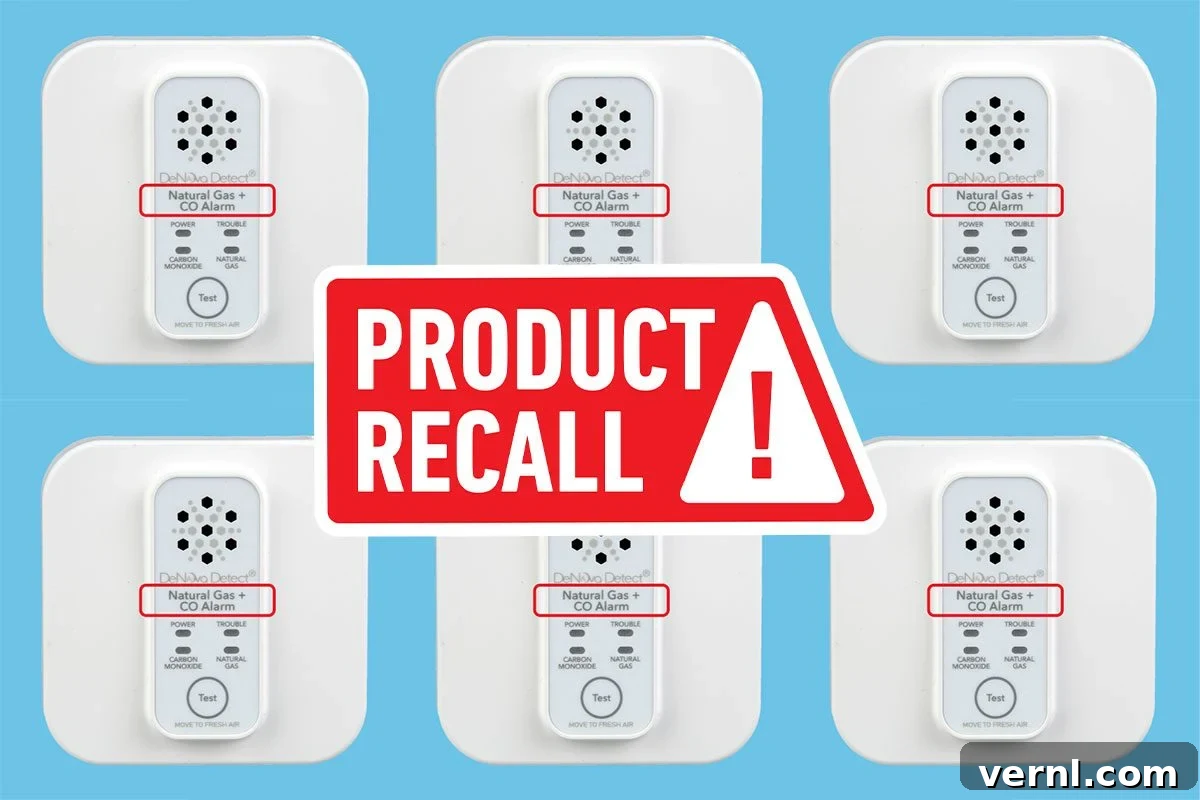
Protecting Your Home: Understanding the DeNova Detect Carbon Monoxide & Natural Gas Alarm Recall
Ensuring the safety of your loved ones within your home is a paramount concern for every homeowner. While visible threats are often easy to address, some of the most dangerous hazards are invisible, silent, and odorless. Among these insidious dangers are carbon monoxide (CO) and natural gas. This is precisely why a fully functional and reliable combination carbon monoxide and natural gas alarm is not just a convenience, but an absolute necessity for every household. These devices serve as your home’s first line of defense, providing crucial early warnings that can mean the difference between life and tragedy.
Carbon monoxide, often dubbed the “silent killer,” is a colorless, odorless, and tasteless gas produced by the incomplete combustion of fuels in various household appliances. Without an alarm, symptoms of carbon monoxide poisoning can mimic the flu, making it incredibly difficult to detect before it becomes deadly. Similarly, while natural gas often has an added odorant (mercaptan) for detection, leaks can still pose severe risks, including explosions and health issues. Therefore, the failure of such a critical safety device is a matter of utmost urgency and concern.
Recently, tens of thousands of combination natural gas and carbon monoxide alarms manufactured by New Cosmos USA, under their DeNova Detect brand, have been recalled due to a serious safety defect. This recall highlights the vital importance of product integrity and consumer vigilance. If you own one of these affected units, understanding the specifics of this recall, its potential implications, and the immediate steps you need to take is crucial for safeguarding your family and property.
The Invisible Threat: Why Reliable Carbon Monoxide & Natural Gas Alarms Are Essential
Carbon monoxide (CO) is a by-product of combustion from common household appliances such as furnaces, water heaters, gas ranges, and generators. When these appliances malfunction or are improperly vented, CO can accumulate to dangerous levels. The insidious nature of carbon monoxide lies in its inability to be detected by human senses. It binds with hemoglobin in the blood far more readily than oxygen, effectively suffocating the body’s cells. Early symptoms like headaches, dizziness, and nausea are often mistaken for common illnesses, allowing exposure to continue unchecked until it results in severe injury or death.
Natural gas, on the other hand, while not odorless in its commercial form (due to the added mercaptan), poses a different set of severe risks. Leaks can lead to explosive atmospheres, threatening the structural integrity of your home and the lives within it. Beyond the immediate explosion risk, prolonged exposure to natural gas, or the by-products of its incomplete combustion (like CO), can also lead to various health problems. A reliable combination alarm is engineered to detect both of these distinct yet equally dangerous gases, offering comprehensive protection against multiple invisible threats. Their ability to provide an immediate alert is a critical safety net, allowing occupants precious time to evacuate and seek help before irreversible harm occurs.
DeNova Detect Alarm Recall: What You Need to Know
The safety of your home hinges on the reliability of its protective systems. When a device designed to save lives is found to have a critical flaw, swift action is paramount. New Cosmos USA, a reputable manufacturer, has initiated a voluntary recall of specific DeNova Detect brand combination alarms. This proactive measure, undertaken in cooperation with regulatory bodies, aims to mitigate a potentially deadly risk to consumers.
Identifying the Affected DeNova Detect Alarms (Model DD622NCV)
This recall specifically targets DeNova Detect Brand Combination Natural Gas and Carbon Monoxide Alarms. These units were sold between December 2023 and July 2024. The crucial identifier for this recall is the model number: DD622NCV. This number can typically be found clearly printed on the top or back of the alarm unit itself. It is imperative that homeowners locate their alarms and verify this model number to determine if their device is part of the recall. In total, approximately 26,360 units across the United States are encompassed by this safety notice, highlighting the widespread nature of the potential risk. Taking a moment to check your alarm now could prevent future danger.
The Critical Flaw: Why These Alarms Pose a Serious Safety Risk
The core problem leading to this recall is a critical software defect that compromises the alarm’s ability to provide continuous protection. Under specific circumstances, these alarms can enter a “sleep mode” if an initial alert to the presence of natural gas or carbon monoxide lasts for less than four minutes. While in this sleep mode, the device will tragically fail to detect and alert users to any subsequent instances of gas or CO. This creates a dangerous window of vulnerability where a household could be exposed to life-threatening levels of these gases without any warning whatsoever.
Imagine a scenario where a brief gas leak triggers an alert, but then the alarm enters sleep mode. If the leak continues or reappears shortly after, the alarm would remain silent, leaving residents unaware of the escalating danger. This intermittent protection is fundamentally unacceptable for devices designed for continuous monitoring. The risk is magnified because both natural gas and carbon monoxide can rapidly accumulate to dangerous levels. A lapse of even a few minutes in detection capability can have catastrophic consequences, transforming a minor incident into a potential tragedy.
Despite the serious potential danger inherent in this malfunction, New Cosmos USA has reported that, thankfully, no incidents or injuries directly related to this specific defect have been reported to date. This underscores the proactive nature of the recall and emphasizes the opportunity for owners to rectify the situation before any harm occurs.
Unpacking the Dangers: Carbon Monoxide vs. Natural Gas
While often grouped together in combination alarms, carbon monoxide and natural gas present distinct threats. Understanding these differences emphasizes the comprehensive protection these alarms are supposed to offer, and why their failure is so critical for home safety.
- Carbon Monoxide (CO): The Silent Killer
CO is odorless, colorless, and tasteless. It’s produced by incomplete combustion in fuel-burning appliances. When inhaled, it replaces oxygen in the blood, leading to organ damage and ultimately death. Symptoms are often vague and flu-like, making self-diagnosis nearly impossible without a detector. A malfunctioning CO alarm leaves occupants completely blind to this deadly threat. - Natural Gas: The Explosive Risk
Natural gas is primarily methane. While an odorant (mercaptan) is added to give it a distinct “rotten egg” smell for human detection, this isn’t always reliable, especially for those with impaired senses or if the leak is small and slow. Leaks can accumulate rapidly, and even a small spark can trigger a devastating explosion. Furthermore, breathing in natural gas can also lead to symptoms like headaches, dizziness, and nausea, and in high concentrations, it can displace oxygen, leading to asphyxiation. A natural gas alarm that enters “sleep mode” risks missing these critical, potentially explosive accumulations.
The combination of these two threats makes the DD622NCV’s defect particularly alarming. The same flaw that might miss a carbon monoxide buildup could also miss a dangerous natural gas leak, putting homes at risk from multiple angles.
Immediate Action: Steps for Owners of Recalled DeNova Detect Alarms
If you suspect or confirm that your DeNova Detect alarm is part of this recall, immediate and decisive action is required to protect your household. The process for obtaining a replacement has been streamlined to ensure maximum safety and convenience for affected consumers.
Verifying Your Alarm’s Model Number
The very first step is to definitively confirm whether your alarm is among the recalled units. Locate your DeNova Detect combination alarm. Carefully examine the unit for printed information, specifically looking for the model number. The affected units are precisely identified by the model number DD622NCV. This number is typically found on the front, top, or back casing of the device. If your alarm matches this description, it is crucial to proceed with the replacement process without delay.
The Seamless Replacement Process: How to Get Your New Alarm
Once you’ve confirmed your alarm is part of the recall, the next step is to initiate the replacement.
- Visit the Official Safety Notice Page: Navigate directly to the DeNova Detect safety notice page. This dedicated online portal provides all the necessary information and a straightforward registration process for affected consumers.
- Register for Your Replacement: Follow the instructions on the safety notice page to register your recalled alarm. You will likely be asked to provide your contact information and details about your affected unit. This registration ensures that New Cosmos USA can send you a replacement alarm and track the recall process effectively.
- Receive Your Replacement Package: After successful registration, you will receive a prepaid shipping package along with your brand-new, corrected replacement alarm. The prepaid shipping label simplifies the return of your defective unit at no cost to you.
- Install the New Unit: Upon receiving your replacement, immediately install it according to the manufacturer’s instructions. Ensure it is placed in an optimal location for detecting both carbon monoxide and natural gas, typically near sleeping areas and on every level of your home.
- Return the Recalled Alarm: Once the new unit is safely installed and operational, place the recalled DD622NCV alarm into the provided prepaid shipping package and send it back. Returning the defective unit is an important step in ensuring it is properly taken out of service and doesn’t pose any further risk.
Crucial Safety Advice: Continue Using Your Current Alarm (Until Replacement)
A critically important piece of advice from New Cosmos USA and safety experts is to continue using your recalled alarm until your replacement arrives and is installed. While the DD622NCV model has a known defect, it still offers *some* level of protection against natural gas and carbon monoxide detection compared to having no alarm at all. Removing it prematurely would leave your home entirely vulnerable to these silent, deadly threats. The flaw occurs under specific circumstances (alerts lasting less than four minutes), meaning that for longer or continuous exposures, the alarm might still function as intended. Therefore, maintain its operation until your new, fully reliable unit is ready to take its place.
If you have any questions or require further assistance regarding this recall, do not hesitate to reach out to New Cosmos USA’s customer service. You can contact them directly by phone at 888-447-6016 or by email at [email protected]. Their team is prepared to assist you through every step of the recall process.
Beyond the Recall: Enhancing Your Home’s Gas & CO Safety
While addressing this specific recall is crucial, it’s also an opportune moment to review and enhance your overall home safety protocols regarding carbon monoxide and natural gas. Proactive measures can significantly reduce risks.
Optimal Placement of Your Alarms
Proper placement is key to effective detection. For carbon monoxide, alarms should be installed on every level of your home, especially near sleeping areas. For natural gas, which is lighter than air, alarms should be placed high on a wall, preferably within 12 inches of the ceiling. For combination alarms like the DeNova Detect, follow the manufacturer’s specific placement instructions, which often recommend a mid-wall height or higher, ensuring they can effectively detect both gases.
Regular Maintenance and Testing
Even the most reliable alarms require regular checks. Most alarms have a “test” button; press it monthly to ensure the siren is working. Replace batteries at least once a year, or immediately when the low battery warning sounds. Alarms also have an expiry date, typically 5-7 years for CO alarms. Mark the installation date on the unit and replace it completely when it reaches its end-of-life, even if it appears to be working.
What to Do If Your Alarm Sounds
Knowing how to react when an alarm sounds is as important as having one.
- Evacuate Immediately: If your CO or natural gas alarm sounds, evacuate everyone from the house immediately. Do not try to find the source of the gas.
- Call for Help: Once outside and in a safe location, call 911 (or your local emergency number) and your utility company.
- Do Not Re-enter: Do not re-enter your home until emergency responders have given you the all-clear and confirmed the area is safe.
Stay Informed and Stay Safe: The Role of Product Recalls
Product recalls, like this one for the DeNova Detect alarms, are a critical component of consumer safety. They demonstrate a manufacturer’s commitment to correcting flaws and regulatory bodies’ dedication to protecting the public. Staying informed about recalls, whether through direct manufacturer notices, news reports, or official government safety websites like the Consumer Product Safety Commission (CPSC), empowers consumers to take necessary action and prevent potential harm. Always prioritize acting on recall notices promptly; your safety and peace of mind depend on it.
Official Recall Information and Contact Details
For direct communication and further official details regarding this recall, please utilize the following contact information provided by New Cosmos USA:
- Phone: 888-447-6016
- Email: [email protected]
- Official Safety Notice Page: http://www.denovadetect.com/safetynotice-dd622
Sources
Consumer Product Safety Commission: “New Cosmos USA Recalls Combination Natural Gas and Carbon Monoxide Alarms Due to Failure to Alert Consumers to the Presence of Natural Gas and to the Risk of Carbon Monoxide Poisoning” (Issued 2024)