
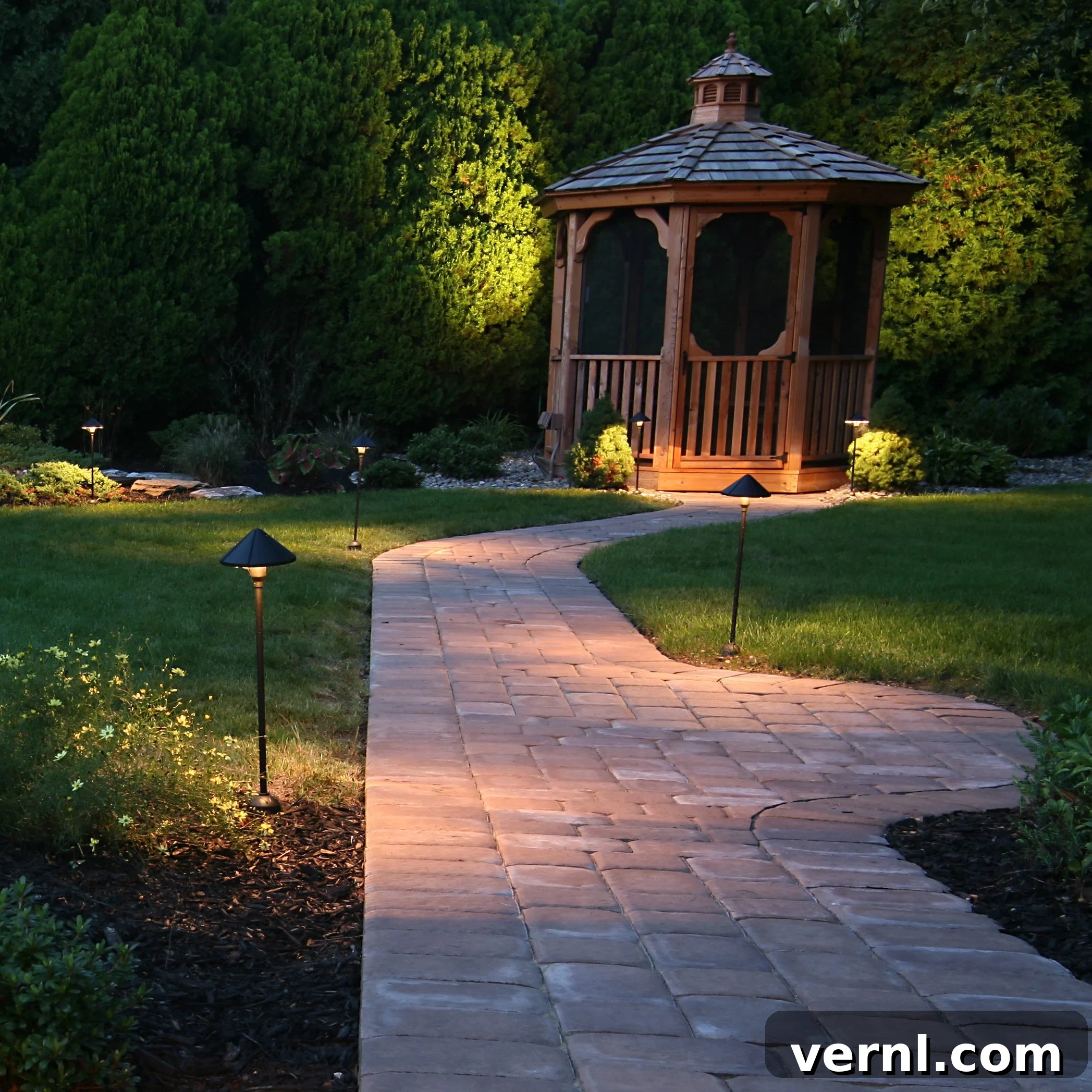
Illuminate Your Landscape: A Comprehensive Guide to Path Lighting Solutions
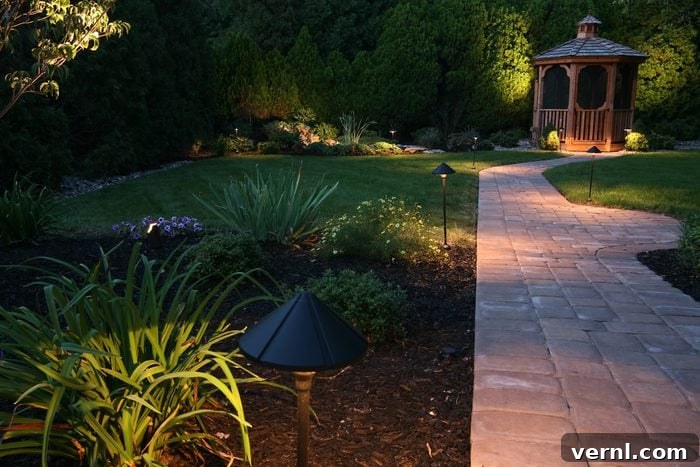
Imagine arriving home after a long day, greeted by a warm, inviting glow that gently guides you to your front door. Or perhaps you’re hosting an evening gathering, and your pathways are transformed into enchanting trails, making every step safe and magical. This isn’t just about functionality; it’s about elevating the aesthetic appeal, enhancing safety, and boosting the overall charm of your outdoor spaces. Our home, nestled in the wildfire-prone region of California, offers a striking example of innovative path lighting. While the sight of flickering flames might typically raise eyebrows here, our LED solar lights create such a convincing illusion of real fire that they often surprise, and sometimes even momentarily alarm, visitors. Yet, their realistic dance of light is entirely safe, providing a captivating welcome.
These remarkable lights are not only visually stunning but also exceptionally bright and consistently perform, maintaining their vibrancy even as the first hints of dawn appear. They have faithfully illuminated our walkway every night for the past three years, proving their durability and reliability. This blend of captivating aesthetics and practical brilliance highlights the transformative power of well-chosen path lighting.
However, what works perfectly for our sparse and spacious landscape might not be ideal for every outdoor setting. A property boasting lush greenery and ample water features, for instance, might benefit more from subtle, atmospheric landscape lighting that creates a soft glow without attracting unwanted nocturnal insects. On the other hand, a more intricately designed pathway with specific twists and turns would greatly benefit from focused lighting that precisely directs guests. The world of path lighting offers an expansive array of choices, and selecting the optimal solution for your home ultimately hinges on various factors, including your specific landscape, local climate conditions, and the complexity of the installation process.
Choosing the Perfect Path Lighting for Your Home
When embarking on the journey to select path lighting, you’ll primarily encounter two major categories: solar-powered and low-voltage systems. Both modern options predominantly utilize energy-efficient light-emitting diodes (LEDs). Gone are the days of prevalent outdoor halogen lights, which were once common but have been largely phased out due to their higher energy consumption and shorter lifespan compared to today’s advanced LED technology. To make an informed decision, consider these critical factors:
- Built-in vs. Freestanding: Seamless Integration or Flexible Placement?
Path lights offer diverse installation methods. Freestanding fixtures are typically staked directly into the ground alongside your pathway, providing flexibility in placement and easier rearrangement. These are ideal for homeowners who prefer a less permanent solution or enjoy reconfiguring their landscape design. In contrast, built-in lighting solutions are seamlessly integrated into existing structures such as walls, fence posts, steps, or even directly into the hardscape of the path itself. This option creates a very clean, integrated look but often requires more planning and can be more challenging to install, sometimes necessitating construction during the path or hardscape creation. The choice often comes down to your desired aesthetic and the permanence you seek. - Solar vs. Low-Voltage: Convenience vs. Consistency
Solar lighting fixtures are celebrated for their unparalleled ease of deployment. Installation is often as simple as unboxing, activating the battery, and inserting them into the ground in a location that receives ample direct sunlight throughout the day. They eliminate the need for electrical wiring, making them a popular DIY choice. However, their performance is directly tied to sunlight availability; they may dim on cloudy days or not last all night if not fully charged. On the other hand, low-voltage lighting systems offer superior reliability and consistent illumination, regardless of weather conditions. Their installation involves running underground wires from a transformer, which then plugs into an available Ground Fault Circuit Interrupter (GFCI) outlet for safety. While the initial setup is more involved, the long-term benefits include unwavering brightness and greater design flexibility. From an operating cost perspective, a typical three-watt low-voltage LED light, running for 10 hours every night, consumes approximately 10 kilowatt-hours (kWh) annually. This translates to an estimated cost of around $5 per year or even less, depending on your local electricity rates. This favorable cost often outweighs the recurring expense of replacing solar light batteries, which may be necessary every two to three years to maintain optimal performance. - Focused vs. Ambient: Directing Light Where It Matters
The primary purpose of path lighting is to ensure safe passage, which means fixtures should generally be positioned low to the ground, typically no more than two feet in height. You then have the option to choose between fixtures that concentrate light solely on the walking surface (focused lighting) or those that cast a broader glow over the path and its immediate surroundings (ambient lighting). Focused lighting is excellent for clearly defining the path and minimizing light spill. Ambient lighting, conversely, is ideal for highlighting interesting landscape features along the pathway, such as ornamental plants, decorative rocks, or architectural elements, adding depth and interest to your outdoor design. Careful consideration of this aspect allows you to sculpt the mood and functionality of your illuminated pathways. - Durability and Materials: Built to Withstand the Elements
Given that path lights are exposed to the elements year-round, the quality of their construction materials is paramount. Look for fixtures made from robust materials like powder-coated aluminum, brass, or copper, which are resistant to rust and corrosion. High-quality plastics can also be durable, but always check for UV resistance to prevent degradation and discoloration over time. Weatherproof ratings (like IP ratings) indicate how well a fixture is protected against dust and water ingress, ensuring longevity and consistent performance in various climates. Investing in durable materials minimizes the need for frequent replacements and ensures your lighting system stands the test of time. - Cost: Balancing Budget with Quality and Longevity
While budget-friendly solar lighting options are readily available, it’s often a case of “you get what you pay for.” Very cheap fixtures tend to be unreliable, offering inconsistent brightness and a shorter lifespan. For a dependable and attractive solar or low-voltage lighting system designed for an average-sized path, expect to invest anywhere between $200 and $700. This range typically reflects the quality of materials, the sophistication of the technology (especially for solar), and the overall design. Considering the long-term benefits of enhanced safety, curb appeal, and reduced maintenance, viewing path lighting as an investment in your home’s exterior is a wise approach.
Diverse Types of Path Lighting to Enhance Your Landscape
The market is rich with a vast array of path lighting styles and designs, each offering unique aesthetic and functional benefits. These can generally be categorized into five distinct types:
Garden Lights
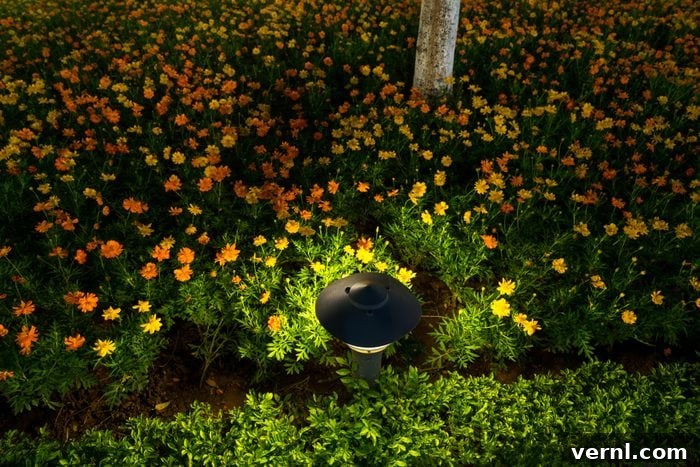
Garden lights, often designed with decorative canopies or diffusers, are characterized by their ability to emit light in all directions while cleverly concealing the light source itself. This design ensures a soft, diffused glow rather than a harsh glare. This type of fixture is exceptionally versatile, not only illuminating the path itself but also beautifully highlighting the surrounding foliage and garden features, creating a cohesive and inviting visual experience. They are perfect for creating an ambient, welcoming atmosphere in more traditional garden settings.
Down Lights
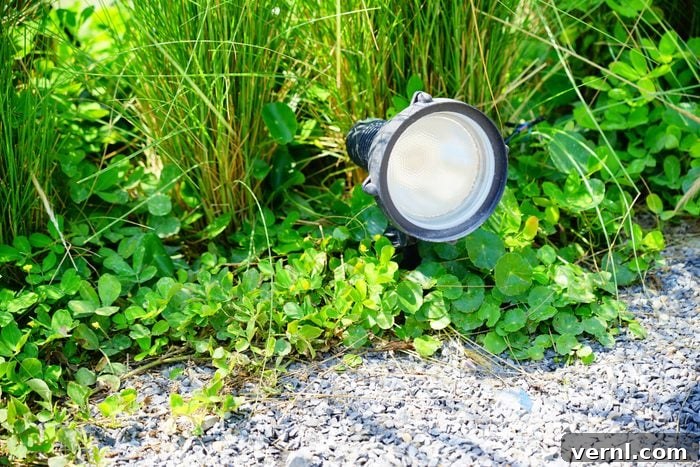
Down lights are essentially mini-spotlights specifically designed to focus a beam of light directly onto the path below. Their precision makes them excellent for accentuating specific points or guiding people along winding pathways. However, careful spacing and placement are crucial with down lights to avoid an over-illuminated, “runway” effect. When implemented correctly, they provide crisp, precise illumination that enhances visibility and adds a touch of modern sophistication to the landscape. They can be particularly effective for highlighting textural elements on the path itself.
Bollard Lights
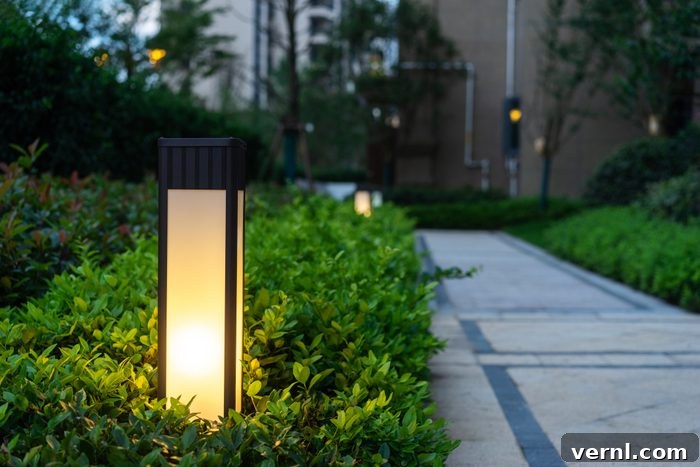
Shaped like sturdy pillars or posts, bollard lights are designed to emit light in a wide radius, illuminating both the path and a significant portion of the surrounding landscape features. Their robust presence makes them suitable for contemporary and minimalist garden designs. Similar to down lights, judicious spacing is key to prevent an overly bright or stark appearance, ensuring that the illumination complements rather than overwhelms the natural environment. Bollard lights are particularly well-suited for wider pathways, expansive open spaces, or commercial applications where a strong, consistent light source is desired.
Flush Lights
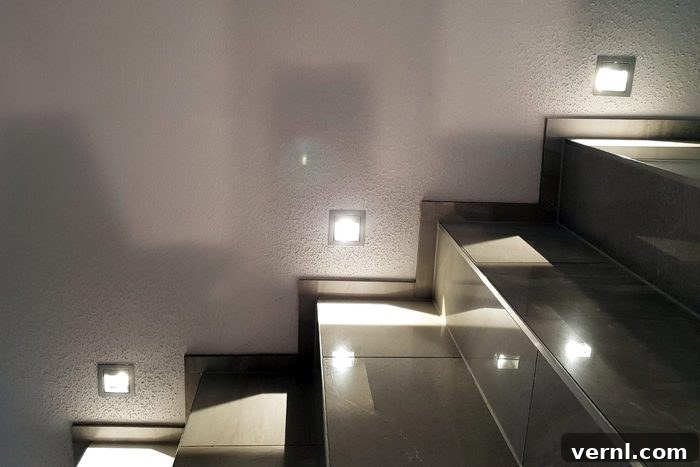
Flush lights, also known as recessed or in-ground lights, are the epitome of subtlety. They are mounted directly within the path itself, or seamlessly integrated into an adjoining wall, steps, or other hardscape features. Because of their unobtrusive nature, they typically require installation during the initial construction or renovation of the path or hardscape. Step lights, which illuminate individual stair treads, are a prime example of flush lighting, providing essential safety without disrupting the visual flow of the landscape. Their discreet design makes them perfect for modern and minimalist outdoor aesthetics.
String Lights
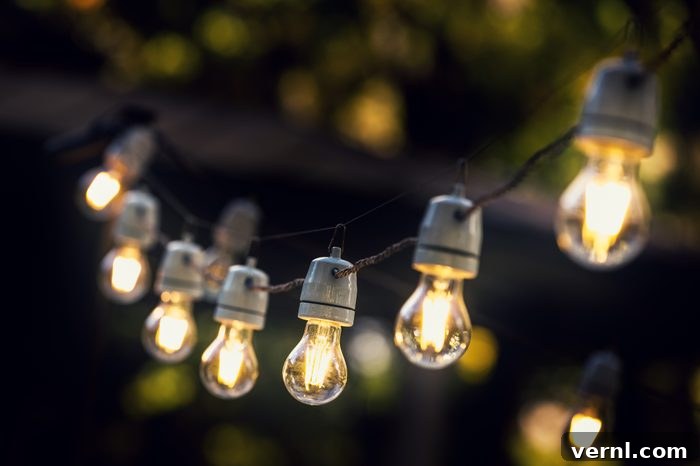
Often referred to as fairy lights or bistro lights, string lights are a charming and versatile option for defining pathways or creating a magical, festive, or ethereal atmosphere. While they don’t typically offer the primary safety illumination of ground-level fixtures, they excel at adding a soft, ambient glow that enhances visibility and defines the perimeter of a space. They are particularly popular for temporary lighting needs, such as parties or seasonal decorations, due to their ease of setup and removal. Most string lights plug into a standard 120-volt outlet, though solar-powered versions are also available for greater flexibility.
Essential Path Lighting Installation Tips
Installing path lights can range from remarkably simple to moderately complex, depending on the system you choose. While solar lights offer unparalleled ease, low-voltage systems require a bit more planning and effort. Here’s what you need to know to ensure a successful and effective installation:
Solar Path Light Installation: Simplicity and Strategy
The installation of a basic solar path light is incredibly straightforward. It generally involves removing a plastic tab to activate the battery and then simply pushing the fixture’s stake into the ground. However, to maximize their effectiveness and ensure you get the reliable illumination you need, keep these additional considerations in mind:
- Brightness Expectations: While modern solar lights have improved significantly, don’t expect them to match the consistent brightness of 12-volt wired lights. Many solar fixtures are designed for ambient light and may gradually dim as their charge depletes throughout the night. If intense, unwavering illumination is your priority, low-voltage might be a better choice.
- Strategic Placement for Charging: The performance of solar lights is entirely dependent on sunlight. Place your fixtures carefully to ensure their solar panels receive at least eight hours of direct, unobstructed sunlight daily to achieve a full charge. Avoid placing them under dense tree canopies, eaves, or in perpetually shaded spots.
- Addressing Shaded Areas: If you need to illuminate a shady spot where a traditional solar light won’t charge sufficiently, consider options with a detached solar panel. These designs feature a solar panel connected to the light fixture by a wire, allowing you to position the panel in a sunny location while placing the light exactly where illumination is needed.
- Creative Integration: Don’t limit yourself to just staking lights into the ground. Consider building custom structures like small wooden posts, decorative rocks, or planter boxes, and then mounting or embedding solar lights on top or within them. This can elevate the aesthetic and integrate the lighting more seamlessly into your landscape design.
- Maintenance: Regularly wipe the solar panels clean to remove dust, dirt, and debris, which can impede charging efficiency. Periodically check the batteries, as they will eventually need replacement (typically every 2-3 years) to maintain optimal performance.
Low-Voltage Path Light Installation: Precision and Durability
Low-voltage lighting systems offer greater control and reliability but require a slightly more involved installation process. These lights draw power from a pair of low-voltage wires connected to a transformer, which in turn plugs into a GFCI (Ground Fault Circuit Interrupter) outlet. Each individual light fixture then connects to these main wires. Proper installation ensures both safety and longevity:
- Burying Wires for Protection: The low-voltage wires are specifically designed for underground use. To protect them from damage by garden tools, foot traffic, or pets, it’s recommended to bury them at least six inches deep. It’s wise to complete any planting or landscaping work along the path before burying the wires to prevent accidental cuts with shovels or spades. At this shallow depth, there’s generally no need to call 811 before you dig, but always exercise caution and confirm local regulations.
- Choosing Superior Wire Connectors: Many low-voltage lighting kits come with “quick connectors” that pierce the main wire. While convenient, these are often unreliable and can corrode over time, leading to intermittent light performance. Professionals typically use outdoor-rated, waterproof wire connectors (like grease-filled wire nuts or heat-shrink connectors) which provide a more secure, durable, and weather-resistant connection, lasting much longer underground. Investing a little extra in these connectors will save you hassle in the long run.
- Transformer Sizing: Ensure your transformer has sufficient wattage capacity to power all the lights you plan to install. Calculate the total wattage of all your fixtures and choose a transformer with a capacity that is at least 10-20% higher to allow for future expansion or unexpected power draws.
- Optimal Spacing and Placement for Ambiance: A common mistake is placing lights too close together or in a perfectly straight, regimented line. This can create an overly bright, unnatural, or harsh effect that diminishes the intended ambiance. Instead, aim for a more organic, staggered layout. Depending on the lumen output of your chosen lights, a spacing of at least six to ten feet apart is generally a good starting point. This principle also applies to solar lights; thoughtful spacing creates a softer, more inviting glow and prevents the pathway from resembling an airport runway.
Our Top Picks: Best Path Lights to Buy
When it comes to path lighting, you’ll almost always need more than one fixture to effectively illuminate a pathway. For this reason, many of the best value options are sold in sets. While it’s perfectly acceptable to mix and match different styles or even brands, particularly with low-voltage systems, maintaining a consistent style or aesthetic across all your fixtures will lend a more cohesive and polished look to your overall landscape design.
Here are three highly-rated and popular sets that stand out for their performance and value:
Best Solar Path Lights: Sunnest Outdoor Solar Lights
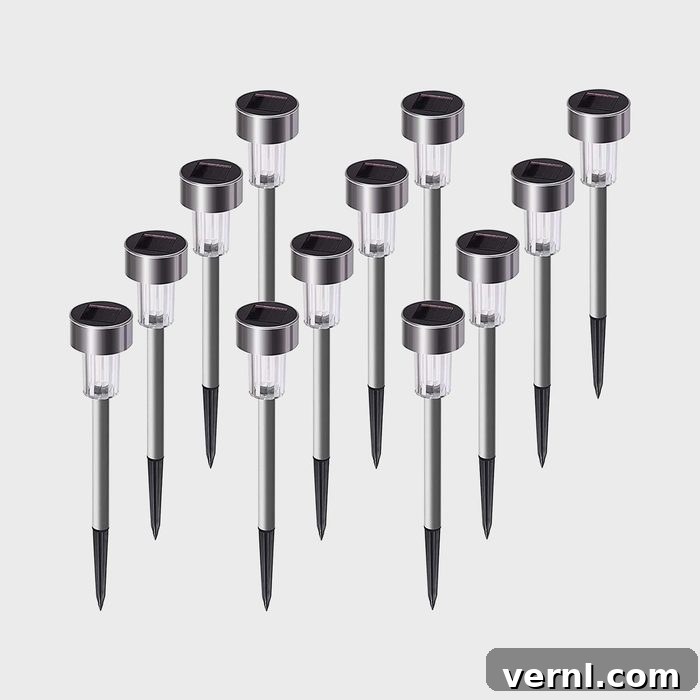
The Sunnest Outdoor Solar Lights are a perennial favorite on Amazon, consistently ranking among the most popular solar landscape lighting offerings. Available in convenient sets of 12 for around $20, they represent excellent value. These are classic canopy lights, designed to cast a wide, ambient glow, making them suitable not only for pathways but also for accentuating flower beds, garden borders, or other general garden areas. Their ease of installation and widespread popularity attest to their effectiveness and user satisfaction.
Best Low-Voltage Path Lights: LEONLITE Landscape Lighting Pathway Lights
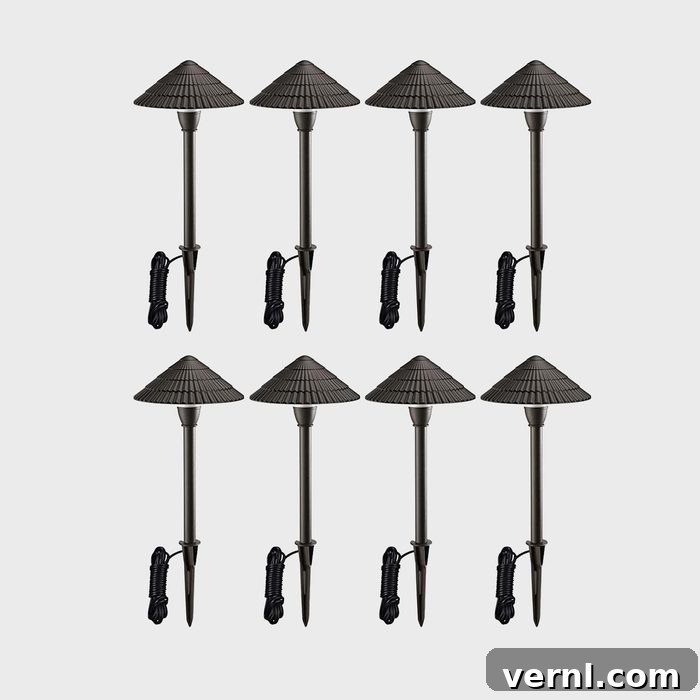
The Leonlite Low-Voltage Pathway Lights come in a 12-pack set, offering robust and efficient illumination. Each unit is remarkably energy-efficient, consuming less than three watts of electricity while providing the equivalent brightness of a traditional 30-watt incandescent bulb. This translates to significant energy savings over time. The set includes the necessary wires and wire connectors, simplifying the installation process. It’s important to note that the transformer is not included with this set, which is common for low-voltage fixtures. If you’re replacing an existing low-voltage lighting system, you can often reuse your old transformer, provided it has sufficient wattage capacity for the new lights.
Best Torchlights: TomCare Solar Lights
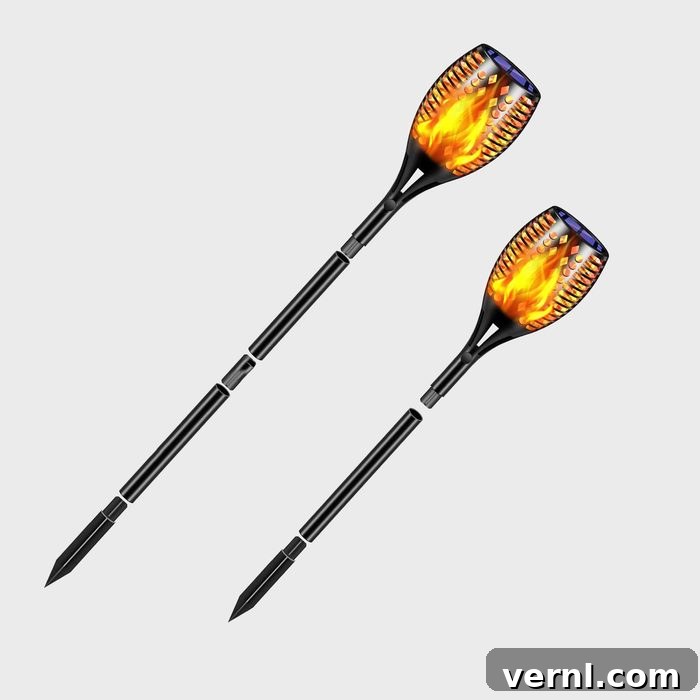
For those seeking a dramatic and enchanting effect, the TomCare Solar Lights are an exceptional choice. These are the very torchlights that grace our California home, captivating visitors with their realistic flickering flame effect. Available in sets of four, these torchlights are significantly taller than most standard path lights, providing a more prominent and striking presence. The mesmerizing flickering LEDs not only beautifully light the path but also serve a practical purpose by making it easier to spot foraging nocturnal critters like raccoons and skunks, adding an extra layer of awareness to your nighttime landscape. They perfectly blend safety, ambiance, and a unique aesthetic appeal.