In an era where every penny counts, mastering the art of smart shopping has become more crucial than ever. While understanding retailer return policies is essential for non-perishable goods or items you might need to exchange, the real strategic battlefield for household budgets often lies in the grocery aisles. With food costs continually fluctuating and inflation putting pressure on wallets worldwide, knowing where to secure the best deals on groceries isn’t just a convenience – it’s a necessity. It empowers consumers to make informed decisions, allowing them to splurge on premium items when desired and diligently cut costs elsewhere.
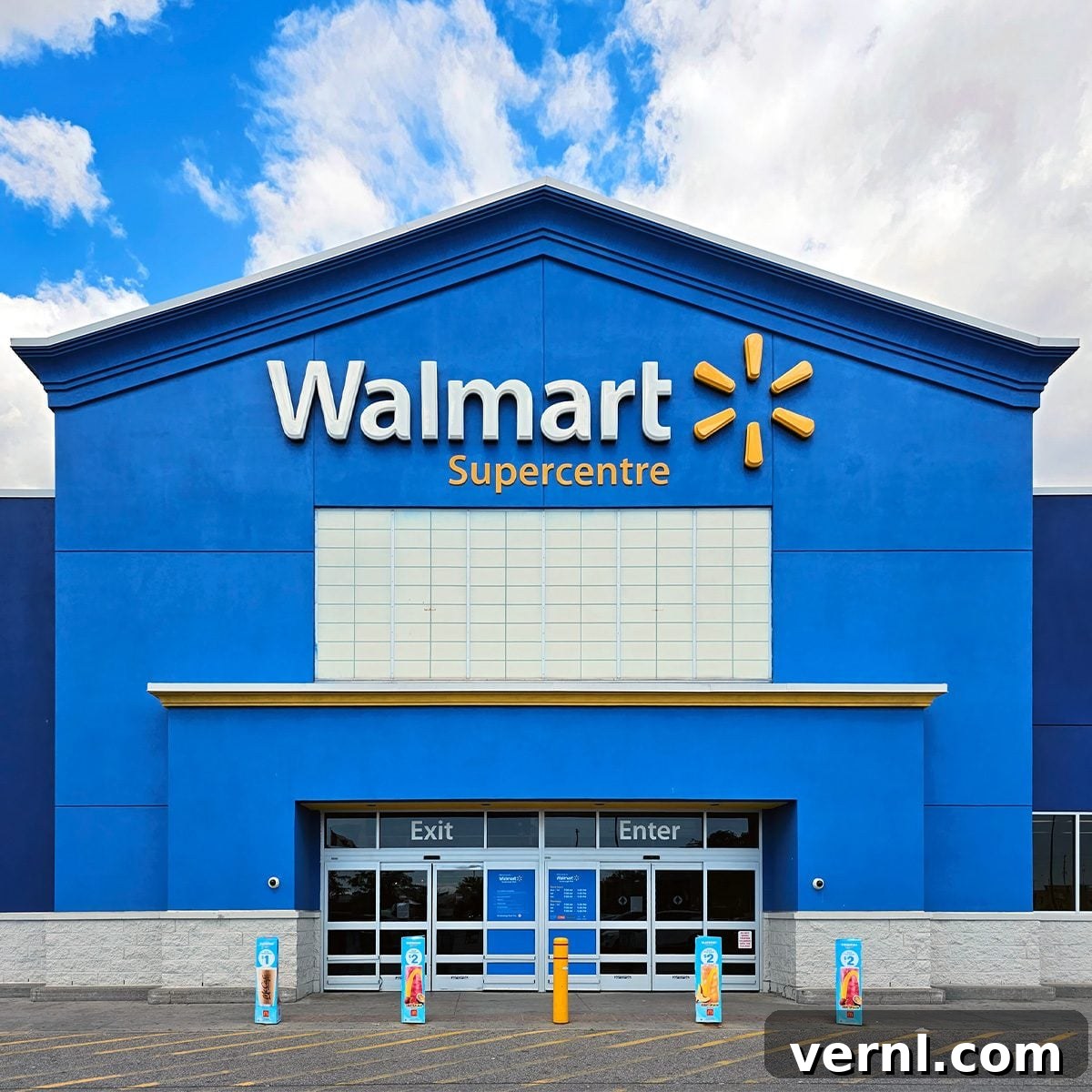
For years, Walmart has held a reputation as the go-to destination for budget-conscious shoppers seeking the lowest prices on everyday essentials, including groceries. However, recent, authoritative research is challenging this long-standing perception. A comprehensive study by Consumer Reports, a trusted name in unbiased product and service reviews, has revealed a significant shift in the grocery landscape. Their findings indicate that Walmart is, surprisingly, no longer the undisputed cheapest grocery store. This revelation prompts a critical question for millions of households: where can you truly shop to maximize your savings on weekly grocery hauls? This detailed guide will navigate you through the latest insights, highlighting the stores that offer more competitive pricing and providing actionable strategies to make your grocery budget stretch further.
Uncovering the Best Value: Grocery Stores Offering Significant Savings
The Consumer Reports study employed a robust methodology, using Walmart as a benchmark for comparison. Researchers meticulously analyzed pricing across various grocery stores in “six cities representative of their regions,” providing a geographically diverse and reliable assessment of where the best value truly lies. The results were eye-opening for many, identifying six prominent retailers that consistently outperformed Walmart in affordability.
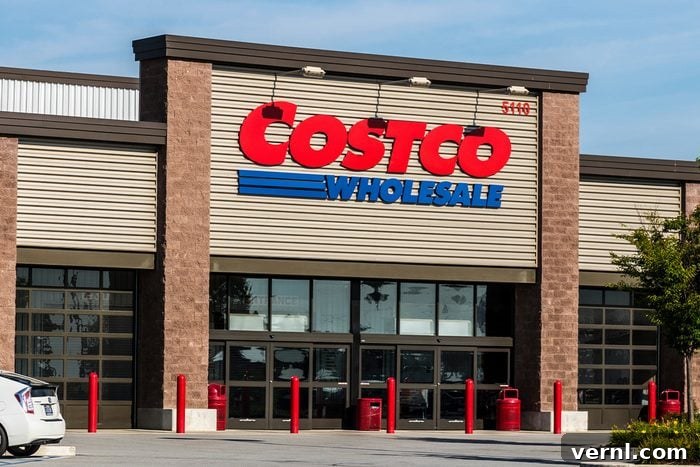
- Costco Wholesale: 21.4% Less Expensive
As a leading warehouse club, Costco operates on a membership model, offering products in bulk quantities. Their significant price advantage stems from economies of scale, a streamlined supply chain, and a focus on private label brands like Kirkland Signature, which are known for their quality and affordability. Shopping at Costco is ideal for large families or individuals who can store bulk items and benefit from the upfront membership fee through substantial long-term savings.
- BJ’s Wholesale Club: 21.0% Less Expensive
Similar to Costco, BJ’s Wholesale Club offers groceries and general merchandise in bulk. With a strong emphasis on value, BJ’s provides a diverse range of products, including fresh produce, meat, and dairy, often at prices significantly lower than traditional supermarkets. Their business model, which includes both in-club and online shopping options, caters to families looking to stock up and save on everyday essentials through a membership structure.
- Lidl: 8.5% Less Expensive
The European discount supermarket chain Lidl has rapidly expanded its presence in the U.S., captivating shoppers with its no-frills approach and aggressively low prices. Lidl focuses on a curated selection of primarily private-label goods, efficient store layouts, and limited staff to keep operational costs down. Shoppers can expect fresh produce, baked goods, and pantry staples that offer exceptional value without compromising on quality.
- Aldi: 8.3% Less Expensive
Another German-owned discount grocer, Aldi, has perfected the art of low-cost grocery shopping. Like Lidl, Aldi keeps prices down by stocking mostly private-label items (approximately 90% of their inventory), requiring customers to bag their own groceries, and charging a quarter for shopping cart use (refundable). Their efficiency-driven model translates directly into substantial savings for consumers, making it a favorite for budget-conscious individuals and families.
- WinCo Foods: 3.3% Less Expensive
WinCo Foods operates as an employee-owned discount supermarket chain, primarily in the Western United States. Their model focuses on low prices by buying directly from manufacturers and offering a vast selection of bulk foods. Without the overhead of advertising or credit card processing fees (they are cash/debit only), WinCo passes considerable savings onto its customers, making it a strong contender for those seeking everyday low prices.
- H-E-B: 0.2% Less Expensive
A beloved Texas-based supermarket chain, H-E-B consistently ranks high for customer satisfaction and competitive pricing. While its discount compared to Walmart is modest, H-E-B’s commitment to offering good value, combined with its strong regional focus on local products and diverse selections, makes it an attractive option for shoppers in its operating areas. Their frequent promotions and store brand options further contribute to overall savings.
The clear takeaway from these findings is that shopping in bulk at warehouse clubs like Costco and BJ’s offers the most significant potential for savings, often exceeding 20% compared to Walmart. However, if purchasing large quantities isn’t practical for your household – perhaps due to limited storage space or a smaller family size – dedicated discount grocers such as Lidl and Aldi present excellent alternatives. Their business models are specifically designed to deliver consistent low prices on everyday essentials, proving that substantial savings are achievable even without buying in bulk.
Identifying the Higher-End: Most Expensive Grocery Stores
While the focus is often on where to save, it’s equally important to understand where your money goes further and where it might disappear faster. The Consumer Reports study didn’t just highlight the cheapest options; it also identified the retailers that come with a considerably higher price tag. If you’ve been feeling the financial squeeze at checkout, it might be an opportune time to re-evaluate your primary grocery store. The study pinpointed six stores where grocery bills tend to be significantly higher than the average:
- Vons: 26.7% More Expensive
As a prominent supermarket chain, primarily in Southern California and Nevada, Vons (part of the Albertsons Companies family) offers a wide selection, convenience, and a more traditional shopping experience. While they often have sales and loyalty programs, their overall price structure places them on the higher end, catering to customers who prioritize variety and accessibility.
- Mariano’s: 27.6% More Expensive
Mariano’s, a chain known for its upscale shopping experience in the Chicago metropolitan area, boasts a vast array of specialty products, organic options, prepared foods, and an inviting atmosphere. This focus on premium offerings and enhanced customer experience naturally leads to higher prices, appealing to shoppers looking for a gourmet selection and convenience.
- Jewel-Osco: 29.7% More Expensive
Another Albertsons Companies subsidiary, Jewel-Osco, is a well-established supermarket chain mainly serving the Chicago metropolitan area and parts of Indiana. Similar to Vons, Jewel-Osco provides a full-service grocery experience with a broad product range. Its pricing reflects this comprehensive offering, positioning it as one of the pricier options for regular grocery shopping.
- El Rancho Supermercado: 30.1% More Expensive
El Rancho Supermercado caters primarily to the Hispanic community with a unique selection of authentic Latin American products, fresh produce, and a lively market atmosphere. While it offers specialty items not found in mainstream stores, its niche focus and specific sourcing can contribute to higher overall grocery costs compared to general discount retailers.
- Shaw’s: 31.9% More Expensive
Shaw’s, a New England-based supermarket chain also under the Albertsons Companies umbrella, offers a conventional grocery shopping experience with a wide assortment of national brands and fresh goods. Its pricing structure places it among the more expensive supermarkets in its region, reflecting its full-service model and product variety.
- Whole Foods Market: 39.7% More Expensive
Unsurprisingly, Whole Foods Market tops the list as the most expensive grocery store, coming in at nearly 40% pricier than Walmart. Renowned for its focus on organic, natural, and high-quality specialty foods, Whole Foods targets a demographic willing to pay a premium for ethically sourced, health-conscious, and often unique products. While it has made efforts to lower prices since its acquisition by Amazon, its commitment to specific product standards inherently commands higher costs.
Shopping at these stores often means paying for a premium experience, a wider selection of specialty or organic goods, enhanced customer service, or simply convenience. While these factors hold value for many consumers, understanding their impact on your grocery bill is crucial for effective budget management. If these are your preferred stores, smart strategies like focusing on sales, utilizing loyalty programs, and buying only specific specialty items there can help mitigate the higher costs.
Navigating the Middle Ground: Mid-Range Grocery Stores
Not all grocery stores fall into the extreme categories of “cheapest” or “most expensive.” Many retailers occupy a comfortable middle ground, offering a balance between competitive pricing, product variety, and shopping convenience. These “middle-of-the-pack” stores can still offer significant savings compared to high-end options like Whole Foods or Shaw’s, but they typically come in a bit pricier than the deep-discount stores or even Walmart. Understanding their positioning helps in crafting a diversified shopping strategy.
- Target: 5.9% More Expensive
Target is known for being a one-stop-shop, offering groceries alongside clothing, electronics, and home goods. While not primarily a grocery store, its “Good & Gather” and “Market Pantry” private labels provide affordable options, and its general merchandise sales can be appealing. Groceries at Target are often competitive, but overall, the pricing tends to be slightly higher than Walmart, balanced by its convenience and other product offerings.
- Wegmans: 7.6% More Expensive
Wegmans enjoys a cult-like following for its exceptional customer service, vast selection, and immersive shopping experience, often featuring prepared foods and a marketplace feel. While slightly more expensive than Walmart, many shoppers find the quality, variety, and overall experience worth the modest premium. Savvy Wegmans shoppers focus on their excellent store brand products and weekly specials to manage costs.
- Food 4 Less: 9% More Expensive
As its name suggests, Food 4 Less aims to offer groceries at competitive prices. Operating as a warehouse-style supermarket with a no-frills approach, it often requires customers to bag their own groceries. While it provides good value, particularly on everyday items, the study indicates it’s still a bit pricier than the absolute cheapest options on the market.
- Ralphs: 21.9% More Expensive
Ralphs, a long-standing supermarket chain primarily in Southern California (part of the Kroger family), offers a conventional grocery experience with a wide range of national and store brands. Its pricing, while not as high as some premium stores, places it significantly above the discount retailers, making loyalty programs and sale items critical for budget shoppers.
- Trader Joe’s: 24.6% More Expensive
Trader Joe’s has carved out a unique niche with its distinctive private-label products, often featuring exotic or gourmet items at surprisingly reasonable prices for their quality. However, its limited selection of conventional brands and fresh produce, combined with the unique nature of its offerings, places it at a higher price point for a complete grocery run compared to Walmart. Shoppers often supplement Trader Joe’s trips with visits to other stores.
- Albertsons: 24.8% More Expensive
Albertsons, a major supermarket chain across many U.S. states, offers a full-service grocery experience with a wide variety of products, including fresh produce, meat, deli, and bakery items. While it provides convenience and selection, its pricing strategy positions it as one of the more expensive general supermarkets, necessitating careful use of weekly ads, coupons, and loyalty programs for those on a strict budget.
Ultimately, the choice of where to shop will always be influenced by the variety of stores available in your local area and your personal preferences. However, armed with this data, you can make more strategic decisions. Even a subtle shift in your shopping routine – perhaps buying pantry staples at a discount store and reserving your favorite specialty items for a mid-range or even higher-end supermarket – can lead to noticeable savings over time. Every penny saved contributes to a healthier household budget, making informed grocery choices a powerful tool for financial well-being.
Beyond the Lists: Comprehensive Strategies for Smarter Grocery Shopping
Knowing which stores are cheaper or more expensive is a powerful first step, but truly mastering your grocery budget involves implementing smart shopping strategies consistently. Even if you don’t have access to the absolute cheapest stores, or if your preferences lead you to mid-range options, these tactics can help you minimize expenses significantly.
1. Embrace Meal Planning
One of the most effective ways to cut down on grocery costs is to plan your meals for the week ahead. By deciding what you’ll eat for breakfast, lunch, and dinner, you can create a precise shopping list, preventing impulse purchases and reducing food waste. Planning also allows you to utilize ingredients across multiple meals, ensuring nothing goes unused. Consider themes like “Meatless Mondays” or “Taco Tuesdays” to simplify planning and introduce variety.
2. Stick to a Shopping List (and Your Budget)
Once your meal plan is set, create a detailed shopping list and commit to buying only what’s on it. Avoid aimlessly wandering through aisles, as this often leads to picking up unnecessary items. Assign a budget for your grocery trip and track your spending as you shop, either mentally or with a calculator, to stay within your financial limits.
3. Leverage Weekly Ads and Digital Coupons
Before heading to the store, take a few minutes to browse the weekly circulars or digital flyers of your local supermarkets. Plan your meals around items that are on sale. Many stores also offer digital coupons through their apps or websites, which can be loaded directly onto your loyalty card for instant savings at checkout. Don’t overlook cashback apps that can offer rebates on specific purchases.
4. Prioritize Store Brands and Private Labels
Generic or store-brand products have come a long way in terms of quality and often rival their national brand counterparts. From canned goods to dairy and frozen foods, switching to private labels can offer substantial savings without sacrificing taste or quality. Supermarkets like Aldi and Lidl thrive on this model, but most conventional grocery stores also have excellent store brand options.
5. Understand Unit Pricing
The “unit price” label (e.g., price per ounce, per pound, or per count) is your secret weapon for comparison shopping. Don’t be fooled by larger packages that appear to be a better deal; always check the unit price to determine the true cost-effectiveness. This is especially useful when comparing different brands or package sizes of the same product.
6. Minimize Shopping Trips and Avoid Shopping Hungry
The more often you visit the grocery store, the more opportunities you have for impulse buys. Try to consolidate your shopping into one major trip per week. Additionally, never shop on an empty stomach. Hunger can significantly influence your purchasing decisions, leading you to buy more than you need or opt for pricier, ready-to-eat items.
7. Buy Produce In Season
Seasonal fruits and vegetables are not only fresher and more flavorful but also significantly cheaper due to abundance. Familiarize yourself with the growing seasons of your favorite produce and stock up when prices are low. Consider freezing or preserving extra produce to enjoy later.
8. Reduce Food Waste at Home
One of the biggest hidden costs in grocery shopping is food waste. By properly storing food, understanding expiration dates (best by vs. use by), and creatively using leftovers, you can ensure that the food you buy is actually consumed. Meal planning, as mentioned earlier, is a key component in reducing waste.
9. Maximize Loyalty Programs and Rewards
Sign up for every loyalty program offered by your frequented grocery stores. These programs often provide exclusive discounts, personalized coupons, and points that can be redeemed for future savings. Make sure to scan your card or enter your phone number every time you shop to accrue benefits.
Implementing even a few of these strategies can lead to substantial savings over time, transforming your grocery shopping from a routine chore into a savvy financial endeavor. The key is consistency and a willingness to adapt your habits based on new information and your personal circumstances.
Source
Most and Least Expensive Supermarkets, Consumer Reports, 2026.