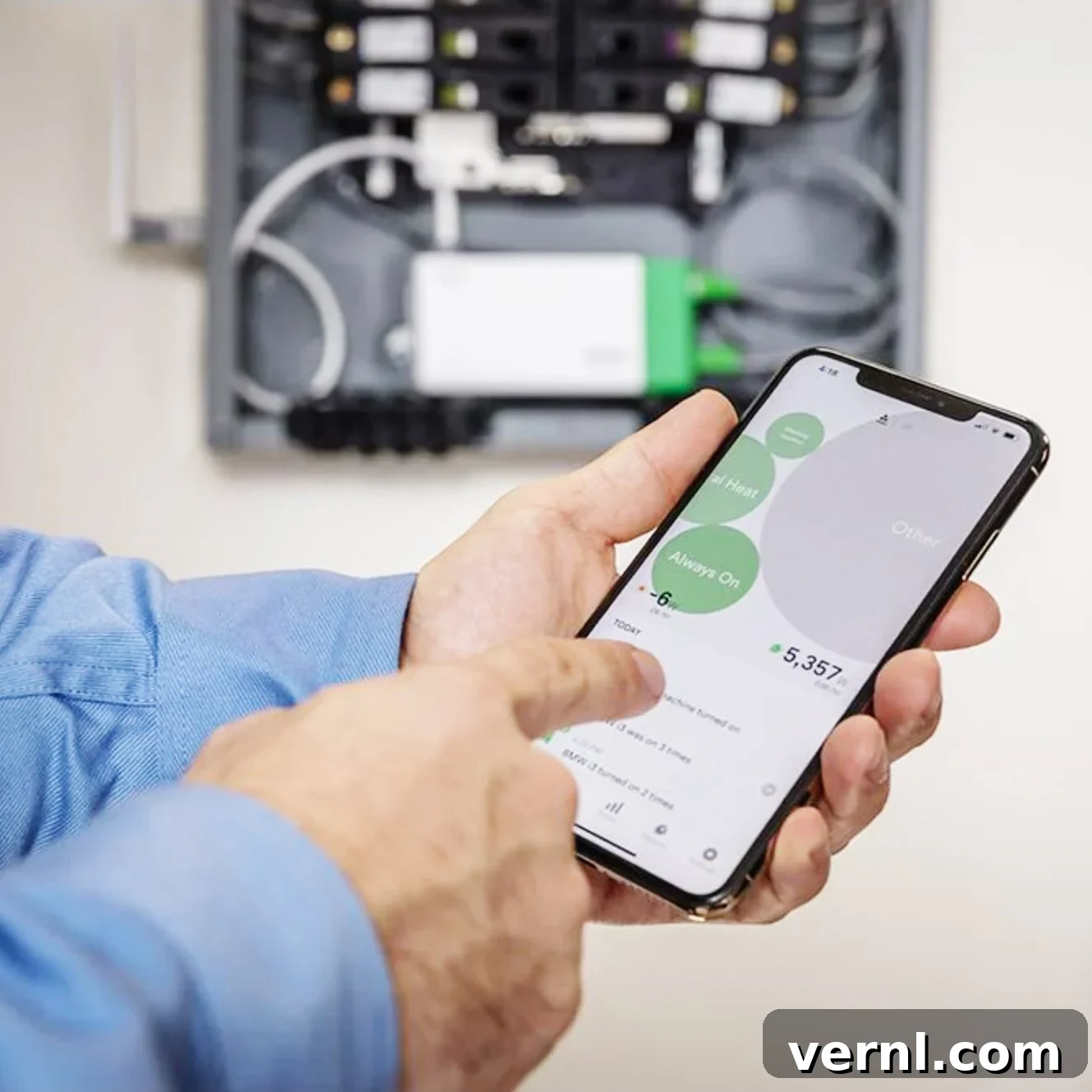
The concept of measuring and billing for utility consumption is as old as the services themselves. When pioneers like Thomas Edison first introduced electricity into homes in the late 19th century, a method was needed to accurately charge customers. Initially, electricity might have been “free” with charges levied per outlet, but those experimental days quickly faded. The need for precise billing quickly led to the widespread adoption of energy meters.
For generations, electro-mechanical meters with their characteristic spinning dials were a ubiquitous sight on the side of nearly every American home. These robust devices faithfully tracked consumption, necessitating periodic visits from dedicated meter readers. These individuals would manually record the household’s usage of electricity, water, or natural gas, a ritual that defined utility billing for decades.
The mid-20th century brought a significant leap forward with the advent of Automated Meter Readers (AMR). These systems allowed utilities to collect meter data remotely, often via radio frequency, eliminating the need for manual readings and improving efficiency. However, the true revolution in utility management arrived with the 21st century: the smart meter. This interactive device represents the next evolutionary step, enabling seamless, two-way communication between the meter on your home and the utility company that provides your service.
Today, smart meters are no longer a futuristic concept but a widespread reality. According to the U.S. Energy Information Administration, over 90 million residential electrical smart meters are actively tracking energy consumption, with millions more monitoring gas and water services across the nation. This significant adoption signals a pivotal shift in how we understand, manage, and consume utilities. Let’s delve deeper into what makes smart meters so transformative and why they are becoming an indispensable part of modern infrastructure.
What Exactly Is a Smart Meter?
At its core, a smart meter is an advanced electronic device that measures the consumption of electricity, natural gas, or water and communicates this data wirelessly to the utility provider. Unlike traditional meters, which primarily record usage, smart meters are characterized by their two-way communication capabilities. As defined by the Department of Energy, they “provide two-way communication between you and your utility, helping your utility know about blackouts … to maintain more reliable electrical service.”
This “two-way” aspect is critical. Not only does the smart meter transmit granular, real-time or near real-time usage data back to the utility company, but it can also receive information and instructions from the utility. This could include remote disconnections/reconnections, firmware updates, or even pricing signals that inform consumers about varying energy costs throughout the day. For consumers, this opens up unprecedented opportunities to monitor their consumption, identify patterns, and make informed decisions to save energy and money. For utilities, it means enhanced grid management, faster outage detection, and improved operational efficiency.
The underlying technology for this communication can vary, often employing secure wireless networks such as cellular, radio frequency (RF) mesh networks, or power line communication (PLC). These networks form what is known as Advanced Metering Infrastructure (AMI), a comprehensive system that enables the smart grid. AMI allows for automated data collection, remote control capabilities, and detailed analytics, transforming the entire utility landscape from a one-way energy flow to an intelligent, interactive system.
The Advantages and Disadvantages of Smart Meters
The widespread adoption of smart meters brings a host of benefits for both consumers and utility providers, but it also introduces certain challenges that warrant careful consideration. Understanding these pros and cons is essential for a balanced perspective on this evolving technology.
Smart Meter Advantages
- Real-Time Usage Insights: One of the most compelling benefits is the ability to track energy consumption in near real-time. Smart meters send frequent feedback, often in 15-minute or hourly intervals, allowing utility companies to monitor usage almost instantaneously. This granular data enables highly accurate billing and allows utilities to respond swiftly to sudden usage spikes or unusual patterns. For consumers, this transparency is invaluable, empowering them to understand their energy habits, identify wasteful practices, and adjust their behavior to optimize consumption.
- Automated Outage Notifications and Faster Restoration: In the event of a power outage, smart meters can immediately signal the utility company, often before the customer even reports it. This automated notification system dramatically improves the utility’s ability to locate the fault, dispatch crews with precision, and restore service more quickly and efficiently than with traditional meters. This leads to reduced downtime and enhanced grid reliability for everyone.
- Variable Pricing and Cost Savings: The real-time data collected by smart meters facilitates the implementation of variable pricing, also known as Time-of-Use (TOU) rates. This means the cost of electricity can fluctuate throughout the day, typically being higher during peak demand hours (e.g., late afternoon and evening) and lower during off-peak times (e.g., overnight). In areas previously prone to rolling blackouts due to excessive demand, TOU rates incentivize consumers to shift energy-intensive activities to off-peak hours, thereby relieving grid stress and promoting more stable service. Savvy homeowners can significantly control their utility costs by strategically timing appliance use, electric vehicle charging, or other high-consumption activities.
- Net Metering for Renewable Energy Integration: For homeowners who have invested in renewable energy sources like solar panel arrays, many smart meters support net metering. This crucial feature allows any surplus energy generated by the homeowner’s system to be fed back into the main electrical grid. The smart meter accurately tracks the amount of energy exported, providing credits on the homeowner’s utility bill and effectively turning them into active participants in the energy market. This incentivizes renewable energy adoption and supports a cleaner energy future.
- Appliance Usage Analysis (Non-Intrusive Load Monitoring – NILM): While smart meters primarily track whole-house usage, some advanced models incorporate “non-intrusive load monitoring” (NILM) technology. This sophisticated software can analyze the unique electrical signatures of different appliances as they turn on and off, allowing the meter to estimate which devices are consuming energy at specific times. Although not as precise as individual appliance monitoring, NILM can provide homeowners with valuable insights into their major energy consumers and suggest actionable ways to improve energy efficiency. This information can guide decisions on appliance upgrades or behavioral changes, leading to substantial long-term savings.
- Enhanced Grid Stability and Modernization: Smart meters are a foundational component of the smart grid, enabling better demand forecasting, load balancing, and faster fault detection. This contributes to a more resilient and efficient electrical infrastructure, capable of integrating more renewable energy sources and responding dynamically to changing energy demands.
- Reduced Carbon Footprint: By encouraging more efficient energy consumption and facilitating the integration of renewables, smart meters indirectly contribute to a reduction in greenhouse gas emissions. Optimized energy use means less energy generation, often from fossil fuels, and a cleaner environmental impact.
Smart Meter Disadvantages
- Security and Privacy Concerns: Any device capable of two-way communication carries inherent security risks. Just as seemingly benign devices like fitness trackers have created security issues in the past, smart meters are potentially vulnerable to hacking, data breaches, or remote manipulation by malicious actors. The detailed usage data collected could also raise privacy concerns if it were to fall into the wrong hands or be misused, potentially revealing insights into a household’s daily routines. Utilities are continuously working to implement robust encryption and cybersecurity measures to protect these systems and the sensitive data they transmit.
- Complexity and Potential for Malfunctions: With increased sophistication comes increased complexity. Smart meters are advanced electronic devices, and like any technology, they can malfunction. If a smart meter fails to connect reliably to the utility service, it can lead to billing inaccuracies or disruptions in service through no fault of the consumer. Troubleshooting and resolving these issues can sometimes be more intricate than with older, simpler meter designs.
- Deployment Costs: The initial investment required for utility companies to deploy millions of smart meters and establish the supporting AMI infrastructure can be substantial. While these costs are often justified by long-term operational efficiencies and grid improvements, they can sometimes be passed on to consumers through utility rate increases.
- Potential for Data Overload: While granular data is a significant advantage, some consumers may find the sheer volume of information overwhelming. Without user-friendly interfaces or clear guidance, the benefits of detailed consumption data might not be fully realized by all homeowners.
- Health Concerns (Electromagnetic Fields – EMF): A common concern raised by some individuals relates to potential health impacts from the radiofrequency (RF) radiation emitted by smart meters. While numerous scientific studies and health organizations, including the World Health Organization and the FCC, have concluded that smart meters operate within established safety limits and do not pose a known health risk, these concerns persist for a segment of the population.
Acquiring a Smart Meter: Utility Provided vs. Personal Monitoring
When considering a smart meter for your home, it’s crucial to understand who is responsible for its installation and ownership. In the vast majority of cases, the primary utility meter that tracks your electricity, gas, or water consumption is owned, installed, and maintained by your utility company. If your local utility has already rolled out smart meters, you likely don’t have a choice in upgrading; they will install one as part of their service modernization program. You cannot typically purchase and install your own utility-grade smart meter to replace theirs.
However, this doesn’t mean you’re without options if you desire the detailed insights of smart metering but your utility hasn’t adopted the technology, or if you simply want even more granular data than your utility provides. This is where “sub-meters” or personal energy monitors come into play. These devices are installed between the utility company’s meter and your home’s electrical panel (or water main) and provide all the detailed feedback and precise control capabilities typically associated with a smart meter, independent of your utility provider.
Smart sub-meters are available in various configurations, ranging from whole-house monitoring solutions that provide a comprehensive overview of your total consumption to specialized devices that track individual circuits, fixtures, or even specific outlets. While these consumer-grade sub-meters generally lack the automated outage reporting or remote control features that a utility-owned smart meter offers, they empower you to record your utility usage with exceptional precision. This data can be invaluable for identifying energy hogs, understanding peak usage patterns, and making informed decisions to reduce your consumption and save money. Installing a sub-meter can be a proactive step towards greater energy independence and efficiency, regardless of your utility’s technological advancements.
Top Smart Sub-Meters and Home Energy Monitors
If you’re ready to take control of your home’s energy or water consumption, a smart sub-meter or dedicated monitor is an excellent investment. Here are three highly-rated models that offer robust features and valuable insights:
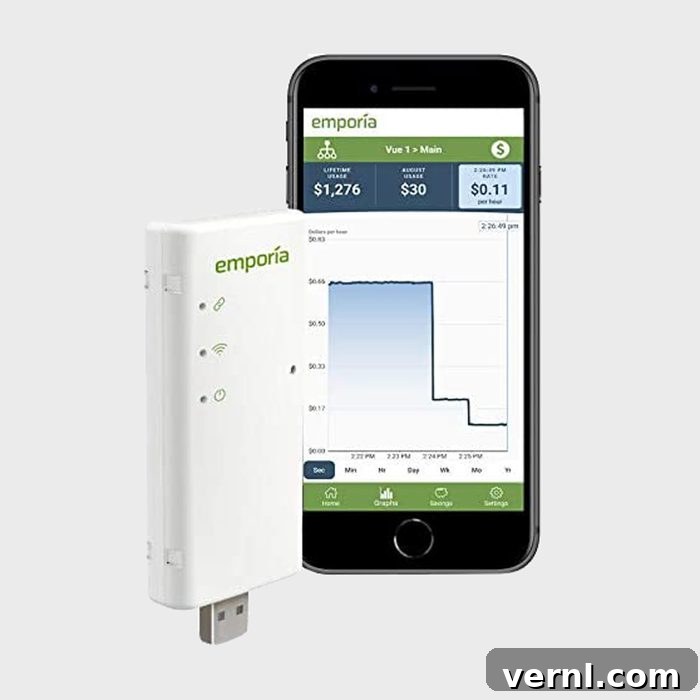
Emporia Vue Smart Home Energy Monitor
For those who already have a utility smart meter but crave more detailed, real-time insights into their electricity consumption, the Emporia Vue is an affordable and relatively easy-to-install solution. It works by “listening in” on the data sent by your existing utility smart meter, providing a second layer of monitoring. It’s important to verify compatibility with your specific electrical provider before purchasing, as it doesn’t work with all. Once set up, the Vue shares detailed usage results via its intuitive iOS or Android app, allowing you to track consumption, identify potential savings, and monitor solar net metering if applicable.
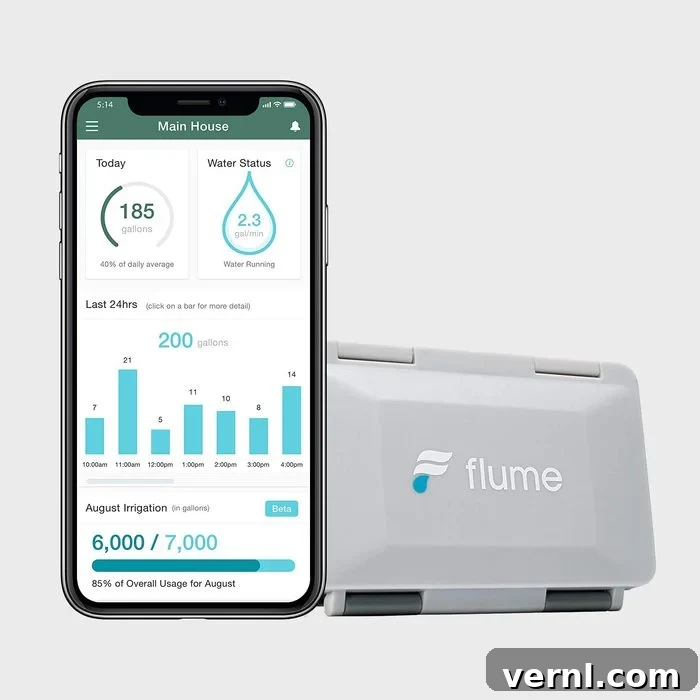
Flume 2 Smart Home Water Monitor
Managing water usage is just as important as monitoring electricity. If you’re looking for a smart solution for your water supply, the Flume 2 Smart Home Water Monitor is an excellent choice. Designed not only to track consumption but also to catch leaks as soon as they occur, the Flume 2 boasts a user-friendly design that makes installation a breeze with no plumbing required. It consists of a battery-operated unit that clamps securely onto your existing water meter, relaying data to your home’s WiFi network via a nearby AC-powered transmitter. While basic usage and leak detection are included, a monthly subscription unlocks more advanced features like real-time usage data, offering comprehensive insights into your water habits.
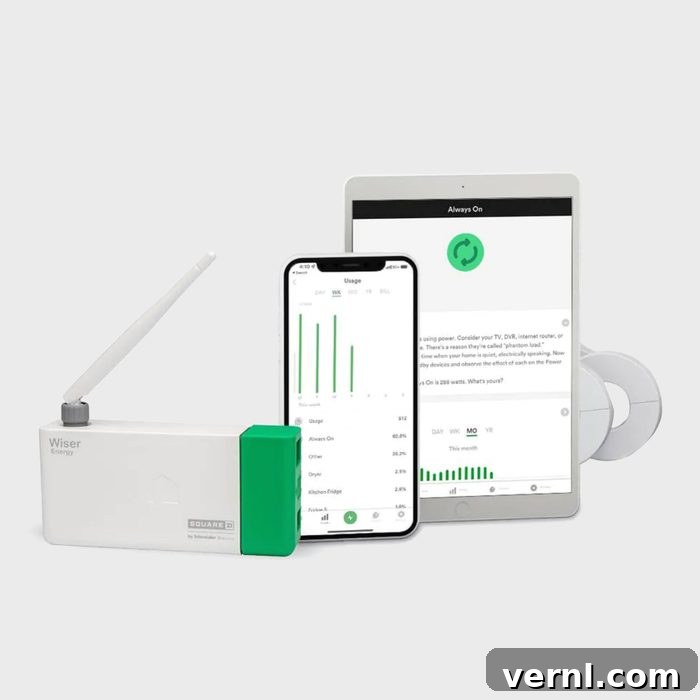
Wiser Energy Smart Home Monitor
For a comprehensive electrical monitoring solution that integrates seamlessly into your smart home ecosystem, consider The Wiser Energy Smart Home Monitor from Square D. This classic sub-meter connects directly to your home’s electrical panel, providing highly accurate, circuit-level usage tracking. It shares detailed information directly to your WiFi network and accessible via a mobile phone app, giving you deep insights into how your home consumes electricity. Additionally, it boasts the capability to track solar energy production, making it ideal for homes with photovoltaic systems. Its compatibility with popular voice assistants like Alexa ensures a fully integrated smart home experience, allowing you to monitor and manage your energy with ease. For those interested in advanced energy management, learning more about smart electrical panels can provide further context on how devices like Wiser Energy enhance overall home intelligence.
Smart meters, whether utility-provided or consumer-installed sub-meters, are fundamentally reshaping our relationship with energy and utilities. By providing unprecedented transparency and control, they empower us to make smarter choices, foster efficiency, and contribute to a more sustainable and resilient future. Embracing this technology is a crucial step towards optimizing home performance and fostering a more informed approach to resource consumption.