
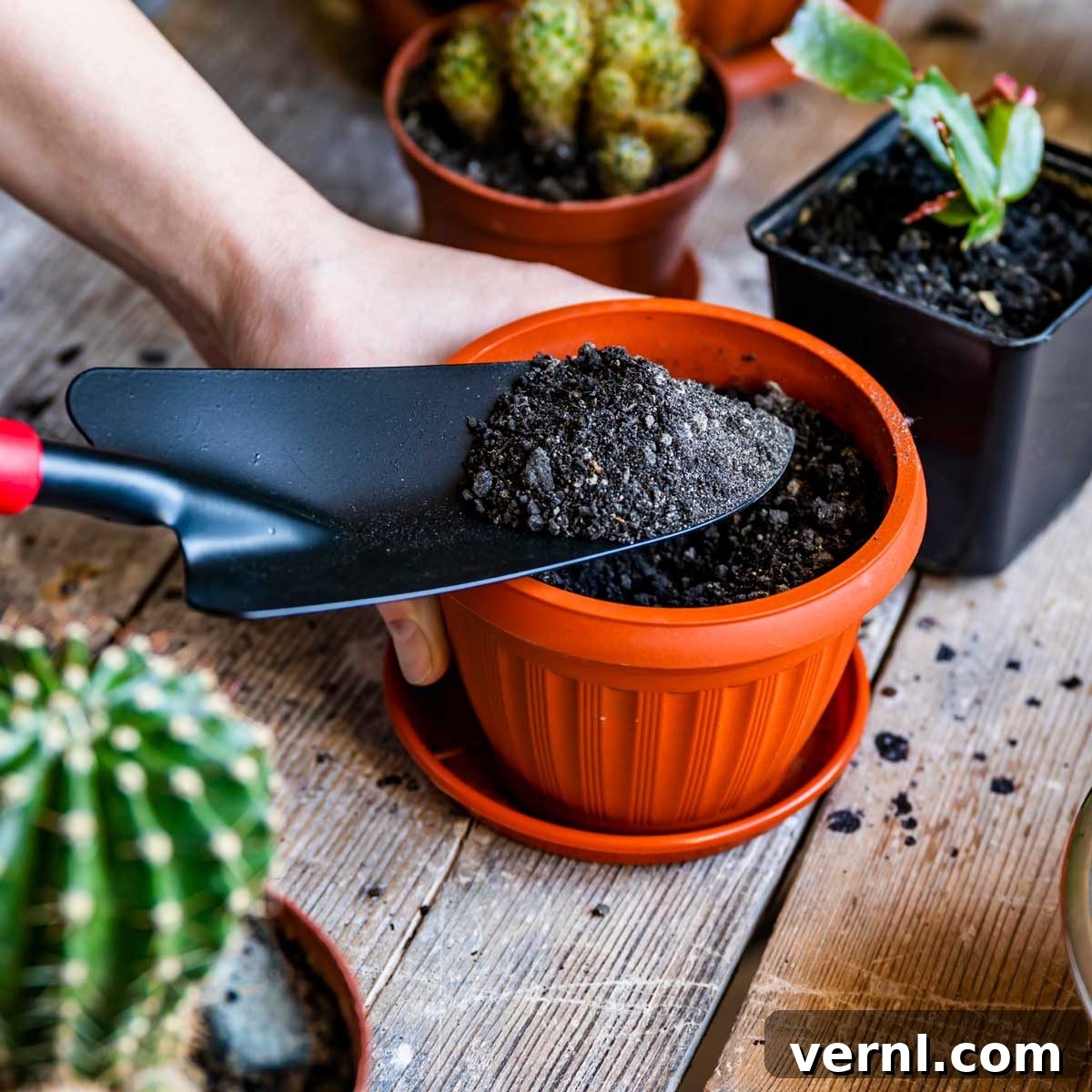
Maximizing Your Garden’s Potential: The Ultimate Guide to Reusing Potting Soil
For any aspiring or seasoned gardener, selecting the ideal growing medium is fundamental to cultivating thriving plants, vibrant flowers, and bountiful vegetable gardens. While traditional in-ground gardening benefits from the earth’s natural ecosystems, the realm of container gardening presents a unique set of challenges and considerations. Growing plants in pots demands an even more specialized type of soil, primarily due to the critical importance of proper drainage and aeration in confined spaces. As seasons change and plants are harvested or retired, the question often arises: can you reuse potting soil from year to year? While the notion of recycling resources is appealing and economical, there are crucial factors that warrant careful consideration before simply refilling your pots. This comprehensive guide will delve into the intricacies of reusing potting soil, exploring when it’s feasible, how to properly rejuvenate it, and offering invaluable advice from seasoned gardening experts to ensure your container plants flourish.
Understanding Potting Soil: More Than Just Dirt
Before exploring the possibilities of reuse, it’s essential to grasp the fundamental nature of potting soil itself. Often referred to as “potting mix,” this specially formulated medium is a carefully engineered blend of components designed to support plant life within the confines of a container. Unlike dense garden soil, which is primarily composed of mineral particles and often compacts easily, potting mix is crafted for optimal aeration, moisture retention, and nutrient delivery in a restricted environment. The precise composition can vary, but typically, a high-quality potting soil incorporates several key ingredients:
- Organic Matter: Components like peat moss, aged compost, and nutrient-rich worm castings form the backbone of most potting mixes. These materials are vital for providing a steady supply of essential nutrients, improving soil structure, and enhancing its capacity to hold water and nutrients. Peat moss, in particular, is excellent for moisture retention and creating a slightly acidic environment, which many plants prefer.
- Aeration and Drainage Enhancers: To prevent waterlogging and ensure roots have access to oxygen, potting soils include materials that create crucial air pockets and improve drainage. Common additives include lightweight vermiculite, perlite (small white volcanic glass particles), or rice hulls. These materials prevent compaction, allowing roots to breathe and excess water to drain away freely, a critical factor for healthy root development in pots.
- Moisture-Retaining Agents: Some advanced potting mixes may incorporate moisture-retaining crystals or coconut coir (a fibrous material derived from coconut husks). These additions act like sponges, absorbing excess water and slowly releasing it back to the plant as the soil dries, helping to maintain consistent moisture levels and reduce the frequency of watering.
These specialized ingredients are precisely what enable plants to thrive inside a pot or container, which, by its very nature, cannot replicate the vast organic matter, continuous nutrient replenishment, or consistent moisture levels that plants growing directly in the ground naturally enjoy. Understanding this unique composition is the first step toward appreciating the nuances of reusing such a carefully balanced medium. For those curious about the lifespan of their houseplant’s growing medium, it’s worth investigating if houseplant soil can go bad, as the principles are similar.
The Verdict: Can Potting Soil Be Reused?
The short answer is yes, with important caveats. All the horticultural experts consulted concur that reusing potting soil is indeed possible, but they unanimously emphasize that its condition and subsequent performance can significantly impact the health and vigor of your next crop of plants. It’s not a simple case of ‘set it and forget it.’ While the initial desire to save money and reduce waste by reusing soil is commendable, failing to properly prepare it can lead to disappointing results in your garden.
As veteran horticulturist Jessie Keith points out, “I always find that fresh potting soil performs better, and there are several compelling reasons why.” One of the primary issues with used soil is the degradation of its structural integrity. Keith elaborates, “For starters, used soil loses its air pockets and its vital ability to drain effectively.” Over time, the organic components within the soil decompose, leading to compaction. This reduction in pore space means less oxygen for roots and a higher likelihood of waterlogging, which can suffocate plants and encourage root rot. Keith recounted her own experience, noting a “really big difference in performance” by the third consecutive year of reusing potting soil in her containers without refreshment. The decline in plant health was noticeable, demonstrating the importance of intervention.
Fortunately, the challenges associated with used potting soil are not insurmountable. There are practical and relatively easy steps you can implement to revitalize your potting mix, restoring its crucial properties and getting it back into excellent shape for planting. With proper care and attention, you can extend the life of your potting soil for at least another year or two, especially when repotting a plant and refreshing its growing environment.
Essential Refreshment: Why Used Potting Soil Needs a Boost
If your aim is to successfully reuse your potting soil, it’s not merely an option but a necessity to first improve two critical factors: porosity and fertility. These elements are the cornerstone of healthy plant growth in containers, and both naturally diminish with each growing season.
1. Restoring Porosity: The Fluffiness Factor
Porosity, aptly described by Mark Highland of Organic Mechanics as “the fluffiness factor,” refers to the presence of vital air pockets and adequate drainage space within the soil. This structural characteristic is absolutely indispensable for the health of your plants’ root systems. Roots, much like the leaves of a plant, require oxygen to carry out essential metabolic processes and absorb water and nutrients efficiently. When potting soils are used over time, their organic materials—such as peat moss and compost—gradually decompose. As Highland explains, this decomposition causes the soil to “shrink down and become more compact.” This compaction reduces the critical air pockets, leading to poor aeration and diminished drainage. The result is often roots that struggle to breathe, become waterlogged, and are more susceptible to diseases, ultimately hindering plant growth.
2. Replenishing Fertility: The Nutrient Depletion
Fertility pertains to the level of essential nutrients in your potting soil. During a single growing season, plants actively extract nutrients from the soil to fuel their growth, flowering, and fruiting. Even if you initially use a potting mix that incorporates slow-release fertilizers, their effectiveness is finite. Jessie Keith emphasizes this point, noting, “It’s important to note that those added fertilizers generally last three to six months.” This means that by the end of a growing cycle, most of the readily available nutrients will have been depleted. Therefore, planning to add more fertilizer is crucial, with the amount depending heavily on the specific needs of the plants you intend to grow. High-feeders like annual flowers and most vegetables demand significant nutrient replenishment, while shrubs and plants naturally adapted to low-fertility conditions, such as certain herbs or succulents, may require less intensive feeding.
3. Addressing pH Changes: The Acidification Effect
Beyond porosity and fertility, the pH level of potting soil can also undergo significant shifts over time. Most fresh potting mixes are formulated with a neutral to slightly acidic pH, which is suitable for a broad range of plants. However, as peat-based soils age and organic matter breaks down, Keith observes that “they can become more acid, and some plants simply don’t like that.” A pH level that deviates too far from a plant’s preferred range can lock up essential nutrients, making them unavailable to the roots even if they are present in the soil. To counteract this acidification, you might consider applying some garden lime to raise the pH. Alternatively, you can strategically plant acid-loving species like azaleas, rhododendrons, and blueberries in the refreshed, slightly more acidic reused potting soil, turning a potential drawback into an advantage.
Addressing these three critical areas—porosity, fertility, and pH—is fundamental to successfully reusing potting soil and ensuring that your plants receive the optimal environment they need to thrive.
Step-by-Step: How to Refresh Your Potting Soil for Replanting
Revitalizing your used potting soil is a straightforward process that can significantly extend its utility and save you money. To prepare your potting soil for another successful season of replanting, Mark Highland offers a simple yet effective approach, starting with the contents of your existing flower pots or containers from the previous year. Here’s a detailed guide:
Step 1: The Initial Fluff and Clean-Up
As spring approaches and you prepare for new plantings, your first action should be to “fluff it up,” as Highland advises. Gently loosen the compacted soil in each container using your hands or a small hand trowel. This initial aeration helps break apart any dense clumps and begins to restore some of the lost porosity. As you do this, meticulously “pull out any remaining roots or root balls” from the previous plants. These old roots, if left in the soil, will continue to decompose, potentially harboring diseases or simply taking up valuable space. These organic remnants are perfect for your compost pile, where they will break down further and contribute to future rich soil amendments.
Step 2: Replenishing with Fresh Potting Soil
After cleaning out the old roots and fluffing the existing soil, you will inevitably find that the volume of soil in your containers has decreased due to decomposition and root removal. Highland suggests that you will “likely need to add fresh potting soil to refill the container.” This isn’t just about restoring volume; it’s a crucial step in boosting the overall quality of your reused mix. The addition of new, virgin potting soil brings a fresh supply of undecomposed organic matter, pristine aeration components, and a balanced nutrient profile. As a significant bonus, this new layer of soil can effectively help “block any of last year’s weed seeds from germinating,” giving your new plants a clearer head start.
Step 3: Integrating Soil Amendments for Optimal Health
Beyond simply adding new potting soil, Highland strongly recommends incorporating specific soil-revitalizing products designed to enhance old soil’s performance. These amendments are key to comprehensively addressing the issues of diminished porosity, fertility, and moisture retention:
- Compost or Worm Castings: Adding a generous amount of high-quality compost or worm castings is perhaps the most impactful amendment. These organic materials are packed with beneficial microorganisms that help improve soil structure, replenish a wide spectrum of essential nutrients, and enhance the soil’s ability to retain moisture. Aim for 10-20% by volume.
- Perlite or Vermiculite: If your soil feels particularly dense or heavy, incorporate more perlite or vermiculite. These lightweight aggregates will dramatically improve drainage and aeration, which are crucial for preventing root rot in containers. A handful or two per gallon of soil can make a big difference.
- Slow-Release Fertilizer: Since most of the original fertilizer in the potting mix will have been depleted, integrate a balanced slow-release granular fertilizer. This will provide a steady supply of nutrients to your plants over several months, aligning with the extended feeding needs of container plants.
- Lime (if needed): If you suspect your soil has become too acidic (common with peat-based mixes), you can add a small amount of garden lime (calcium carbonate). A soil pH test kit can confirm acidity levels, or you can add a tablespoon per gallon of soil as a general rule, unless you are growing acid-loving plants.
- Coconut Coir: If moisture retention was an issue, or if your mix feels too light, adding some rehydrated coconut coir can significantly boost its water-holding capacity.
Thoroughly mix these additions into the existing soil until everything is evenly distributed. The goal is to create a homogeneous, fluffy, and nutrient-rich medium that is indistinguishable in quality from fresh potting soil. By following these steps, you can confidently reuse your potting soil, providing an excellent foundation for your new plants to thrive.
Sterilization: A Risky Approach for Used Potting Soil
A common misconception among gardeners, particularly when dealing with used soil, is the idea of sterilization. The thought process is often logical: if there’s a chance of lingering soil-borne plant diseases or pests from the previous growing season, shouldn’t you sterilize the soil to eliminate them? However, horticultural experts strongly advise against this practice, as it can do more harm than good.
Mark Highland unequivocally warns that “sterilizing soil kills beneficial microorganisms found in worm castings, compost and other organic soil amendments.” This is a critical point. Healthy soil is a living ecosystem, teeming with a complex community of bacteria, fungi, protozoa, and other microscopic organisms. These beneficial microbes play an indispensable role in nutrient cycling, breaking down organic matter, improving soil structure, and even helping to suppress harmful pathogens. When you sterilize soil, through methods like baking in an oven or extensive chemical treatments, you indiscriminately wipe out this entire ecosystem—the good along with the bad. The result is often a “dead” soil that is sterile but lacks the biological activity necessary for robust plant growth. Such soil becomes highly susceptible to re-colonization by aggressive, harmful pathogens because there are no beneficial microbes left to compete with them.
Instead of sterilization, if you have genuine concerns about soil-borne pathogens or persistent insect pests in the soil, the most prudent and effective course of action is simply to “start with fresh soil.” This eliminates the risk of introducing diseases or pests to your new plants while ensuring a biologically active and healthy growing medium from the outset. While reusing potting soil is often beneficial, it’s vital to recognize when the risks outweigh the rewards, and soil sterilization typically falls into the latter category.
Beyond the Pot: Creative Uses for Used Potting Soil
Even if you decide not to reuse your potting soil for new container plants, or if you have an excess amount after refreshing, there are still numerous valuable ways to repurpose it. Discarding used potting soil entirely is often a missed opportunity, as its fundamental organic components still hold value for other gardening applications. As Jessie Keith wisely suggests, “I always add it to my garden beds to add organic matter and help fortify my garden.”
Here are several creative and beneficial uses for used potting soil:
- Enriching Garden Beds: The most common and highly recommended use is incorporating it directly into your in-ground garden beds or raised garden beds. While used potting soil may be depleted of nutrients and compacted for container use, it still contains valuable organic matter. Mixing it into your garden soil improves its structure, enhances water retention, and contributes to the overall health of the soil microbiome. It’s an excellent way to boost the organic content of sandy soils, helping them retain moisture and nutrients, or to lighten heavy clay soils, improving drainage and aeration.
- Starting a New Compost Pile: Though Highland cautions against adding large quantities to an active compost bin (due to its potential to “cool it down too much” and slow decomposition), a moderate amount can be beneficial when starting a new compost pile. It can provide a good base layer of organic material and introduce some microbial activity. Ensure it’s balanced with other “green” and “brown” materials.
- Amending Lawns: If you have bare spots or areas of your lawn that are struggling, used potting soil can be spread thinly and raked into the affected areas. It can provide a nutrient boost and improve the soil structure, encouraging new grass growth.
- Filling Low Spots: Use it as an organic filler for minor depressions or uneven spots in your garden or yard. This helps to level out areas while simultaneously improving the underlying soil.
- Pathways or Borders: While not a primary use, if you have a significant excess and no other immediate need, it can be used to build up pathways or garden borders, especially when mixed with other coarser materials.
What should you avoid? As Mark Highland clearly states, “Don’t put it in your compost bin” in large quantities, especially if your bin is actively decomposing, as it can disrupt the microbial balance and lower the temperature, hindering the composting process. Instead, spread it out or integrate it into other areas as mentioned above. By repurposing your used potting soil, you not only reduce waste but also contribute to the overall vitality and sustainability of your entire garden ecosystem.
About the Experts
Jessie Keith is a highly respected horticulturist, botanist, and garden communicator based in Wilmington, Delaware. Her extensive expertise and knowledge are sought after by a diverse range of clients, including Sun Gro Horticulture, Plants.com, 1800flowers.com, and Binkley Horticultural Services. With degrees in both horticulture and botany, Jessie specializes in plant identification and taxonomy, making her an invaluable resource for understanding plant health and care.
Mark Highland is the visionary owner and founder of The Organic Mechanics Soil Company. He pioneered the development and launch of the first peat-free, compost-based potting soil in the United States, demonstrating his commitment to sustainable and environmentally friendly gardening practices. Mark holds a bachelor’s degree in Environmental Horticulture from the University of Florida, and further advanced his knowledge through his MS degree studies, focusing specifically on the critical areas of compost and potting soil. His work has significantly influenced the organic gardening landscape.