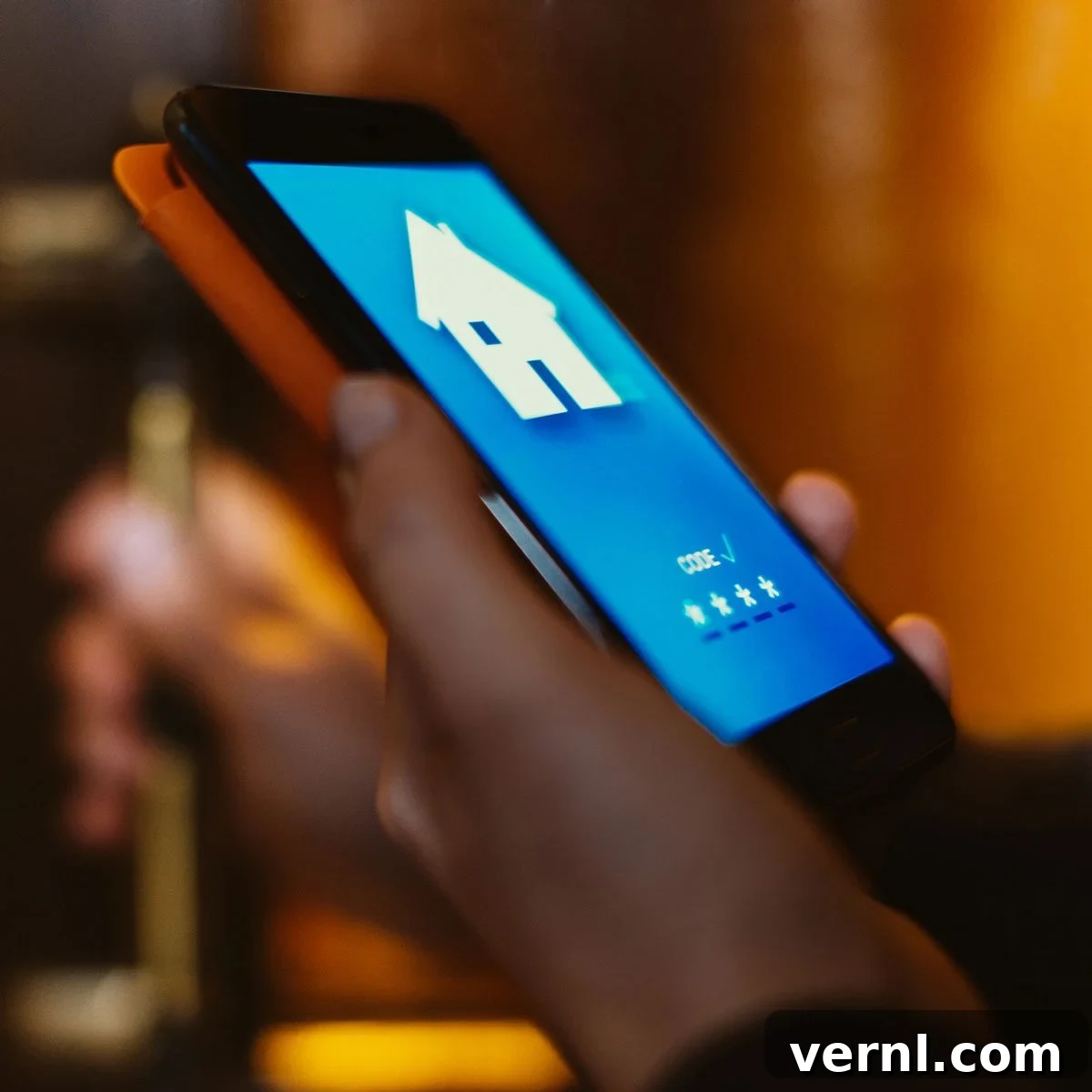
The concept of smart homes has dramatically evolved from futuristic fantasy to an integrated aspect of contemporary living. What was once considered a niche luxury, accessible only to a select few, is now a widely adopted and increasingly affordable reality, transforming millions of residences across the globe. This widespread embrace of connected living is underscored by robust market growth; one insightful study projected the global smart home market to soar from approximately $24 billion in 2016 to an impressive $53.45 billion by 2022, and its expansion continues vigorously today. This rapid growth is fueled by continuous innovation, making advanced smart home technology more intuitive, powerful, and integral to our daily routines. Modern smart homes represent a sophisticated convergence of cutting-edge technological innovations and automated systems, seamlessly blended with sustainable, durable, and energy-efficient building practices and materials. Within this expansive definition lies a multitude of ways a smart home, or even just a few select elements, can profoundly enhance your comfort, security, and efficiency.
What Defines a Smart Home?
At its core, a smart home is an interconnected living environment where multiple devices and systems work in harmony to automate tasks that homeowners would typically perform manually. Imagine your home proactively managing itself: your security system arms itself as you leave, lights dim or brighten based on natural light levels, and your favorite music starts playing when you enter a room. Actions such as adjusting indoor climate, turning on specific lights, initiating music playback, or even visually identifying who is at your doorbell can all be effortlessly managed directly from your smartphone, tablet, or via simple voice commands.
The advantages of smart home technology extend far beyond mere convenience. As Dan DiClerico, a renowned home expert and smart home strategist with HomeAdvisor, aptly points out, “Smart home technology is also making home maintenance easier and more effective.” Consider, for instance, advanced leak detectors installed under appliances like washing machines or water heaters. These intelligent sensors can instantly alert homeowners to the presence of water, preventing costly damage before it escalates. Some even go a step further, automatically connecting the homeowner with a local plumbing service to address the issue promptly. When the plumber arrives, secure access is granted through a smart door lock, remotely operated by the homeowner’s smartphone, eliminating the need to be physically present. This level of proactive maintenance and remote control offers unparalleled peace of mind and protection for your property.
The integration of connected technology, often referred to as home automation, can manifest in various forms. Some smart features are seamlessly integrated into the very structure of your house during construction or renovation, such as pre-programmed smart lighting systems that adapt to your schedule, or automated irrigation systems that optimize water usage based on weather conditions. Other smart solutions are standalone, independent devices that can be added to any home, offering flexibility and scalability. These include popular smart speakers, high-definition security cameras, and even smart kitchen faucets that dispense precise measurements of water at specific temperatures. This blend of built-in and add-on devices allows homeowners to customize their smart home experience to their unique needs and budget.
What Does Smart Home Improvement Entail?
The concept of “smart home improvement” encompasses a broader spectrum than just integrating smart gadgets. It signifies a holistic approach to enhancing a home’s efficiency, comfort, and sustainability, often leveraging both innovative technology and thoughtful material choices. This definition includes the strategic selection of sustainable building materials, products, and construction methods specifically designed to reduce energy consumption, minimize environmental impact, and ultimately lower overall operational costs. Implementing durable, eco-friendly flooring options, transitioning to energy-efficient LED bulbs throughout the property, and significantly improving a home’s insulation are all prime examples of smart home improvements. These actions contribute to a more sustainable lifestyle and tangible financial savings.
The impact of these improvements is substantial. According to the U.S. Energy Information Administration, the average American household consumes approximately 90 million BTUs of energy annually. However, a fascinating trend emerges when comparing homes built at different times: properties constructed after the year 2000, despite being an average of 30 percent larger than their older counterparts, utilize only about two percent more energy. This remarkable difference can be attributed almost entirely to advancements in energy-efficient materials, construction techniques, and equipment. From high-performance windows and doors to superior insulation and smart HVAC systems, these innovations make modern homes significantly more energy-conscious. Smart home improvement, therefore, is not just about convenience; it’s about building and maintaining homes that are smarter, greener, and more economical in the long run.
How Does a Smart Home System Function?
At its core, a smart home system operates through a sophisticated network where various smart devices and appliances communicate and interact seamlessly. These components either receive explicit commands from the homeowner or intuitively respond to environmental changes and learned preferences. The key to this harmonious operation is often a central hub, which acts as the brain of the smart home, orchestrating the actions of all connected devices. This hub enables devices to work together, adapting and responding intelligently to the evolving needs and lifestyle of the homeowner. Communication between devices typically occurs over various wireless protocols such as Wi-Fi, Bluetooth, Zigbee, or Z-Wave, each offering distinct advantages in terms of range, power consumption, and compatibility.
Interaction with smart home systems can take multiple forms, offering flexibility and ease of use. Many devices and appliances are directly controlled via voice commands through smart assistants, a dedicated remote control, or an intuitive app on your tablet or smartphone. This allows for convenient management whether you’re at home or away. Beyond direct commands, many modern smart home devices incorporate advanced artificial intelligence (AI) and machine learning capabilities. A prime example is the Nest thermostat, which is not just programmable but also “learns” your habits. It observes your temperature preferences, notes when you leave or return home, and even adapts to seasonal changes, automatically adjusting your home’s climate for optimal comfort and energy efficiency. This predictive intelligence means your home can anticipate your needs, creating a truly personalized and responsive living environment. Furthermore, advanced smart home systems can be programmed with complex routines or “scenes,” where multiple devices perform actions simultaneously based on a single command or trigger, such as a “Good Morning” scene that opens blinds, turns on lights, and starts the coffee maker.
What Are the Key Benefits of a Smart Home?
Embracing a smart home, whether fully integrated or selectively equipped with intelligent elements, offers a myriad of advantages that enhance daily living across several crucial dimensions. These benefits prominently include significant savings in time and money, substantial energy conservation, and a noticeable increase in both personal safety and overall property security.
One of the most compelling benefits lies in enhanced security. A smart security system, intelligently linked with integrated lights, advanced cameras, and smart doorbells, creates a formidable deterrent against potential intruders. Features like motion-activated lighting, real-time video feeds, and two-way audio communication through doorbells can actively prevent break-ins, often at a more competitive cost than traditional, professionally installed security systems requiring ongoing monthly fees. This proactive and interconnected approach provides homeowners with unparalleled peace of mind, knowing their property is constantly monitored and protected.
Beyond security, smart appliances and fixtures revolutionize daily household tasks, making them more efficient and resource-conscious. Consider a voice-command shower that precisely remembers each family member’s preferred water temperature and duration. Such an innovation not only streamlines morning routines but also conserves significant amounts of water and energy, reducing utility bills. Similarly, smart refrigerators that track inventory, smart ovens with remote control, and smart washing machines that optimize cycles based on load size all contribute to a more efficient and less wasteful home environment.
Energy conservation is another cornerstone benefit, with tangible financial and environmental impacts. According to insights from the U.S. Department of Energy, the strategic incorporation of green building materials and practices, particularly improvements like proper insulation, can lead to remarkable whole-house energy savings ranging from 10 to 20 percent annually. For older homes that often suffer from inadequate or virtually non-existent insulation, these savings can be substantially higher, offering a quick return on investment. Furthermore, smart thermostats, smart lighting, and smart plugs allow for precise control over energy usage, turning off lights in unoccupied rooms or adjusting heating/cooling when no one is home. This meticulous management of energy resources translates directly into lower utility bills and a reduced carbon footprint, supporting a more sustainable lifestyle. The cumulative effect of these smart technologies and sustainable practices transforms a house into an intelligent, efficient, and secure haven.
How Much Does a Smart Home System Cost?
While the prospect of outfitting an entire home with a comprehensive smart system featuring all the latest technologies might initially seem expensive, the reality is that embarking on your smart home journey can be surprisingly economical, especially if you adopt a phased, DIY approach and start small. The entry barrier to smart home technology has significantly lowered, making it accessible to a wider audience.
Many homeowners typically begin their smart home integration with a popular smart speaker or digital assistant. Devices like Google Home, Amazon Echo (powered by Alexa), or the Apple HomePod (with Siri) serve as excellent starting points. These versatile devices do far more than just play music; they can provide weather updates, deliver sports scores, offer recipe suggestions, or recommend a good movie to watch. Their affordability and ease of setup make them ideal gateways into the smart home ecosystem.
Once you’ve introduced a smart speaker, you’ll naturally begin to explore compatible devices that can communicate with your chosen digital assistant—be it Google Assistant, Alexa, or Siri. This is where the concept of a “smart home ecosystem” comes into play. An ecosystem refers to a collection of technology products, often from the same brand or designed to be interoperable, that work together seamlessly. You might then add smart plugs to control lamps, smart bulbs for customizable lighting, or a smart thermostat to manage your home’s climate. The beauty of this approach is that you can gradually expand your smart home, adding devices piece by piece as your needs evolve and your budget allows.
Suddenly, commanding a wide array of connected devices via simple voice commands or through a user-friendly tablet/smartphone app becomes second nature. Automating daily tasks—such as scheduling your lights to turn on before you arrive home, having your coffee maker start brewing at a specific time, or ensuring all doors are locked at night—transforms your living experience. This incremental adoption allows for a personalized and cost-effective transition into the convenience, efficiency, and enhanced security that smart homes offer, proving that cutting-edge home automation is within reach for almost any budget.