
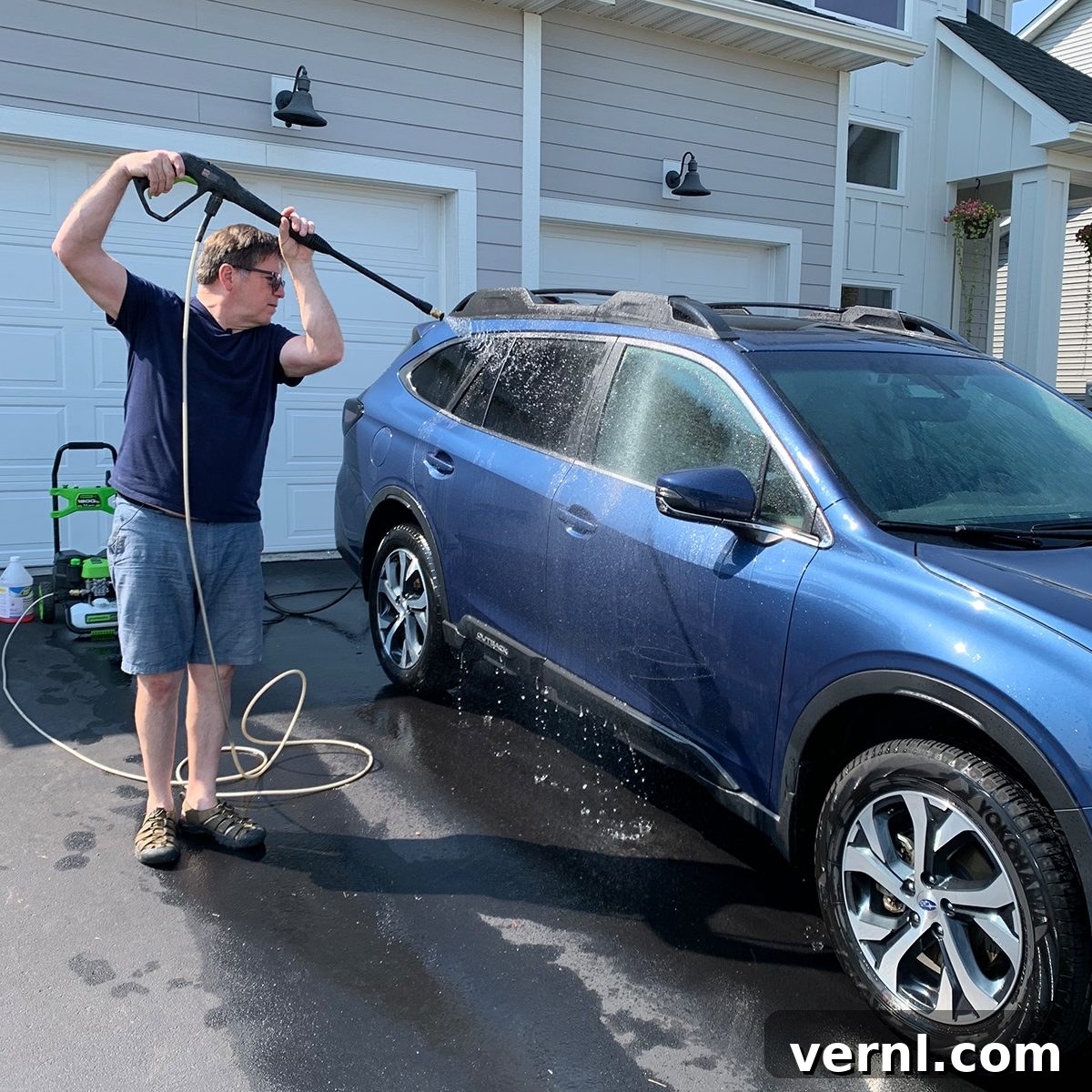
Mastering Car Pressure Washing: Your Ultimate DIY Guide for a Showroom Shine
Achieving a spotless, showroom-quality shine for your vehicle at home might seem like a daunting task, or even “questionable” if you’re thinking about using a high-powered pressure washer. However, with the right knowledge and techniques, pressure washing can be one of the most effective and safest ways to clean your car, delivering results that often surpass automated car washes. This comprehensive guide will walk you through everything you need to know, transforming your car cleaning routine from a chore into a satisfying art.
Why Pressure Wash Your Car? Beyond Just Cleanliness
While an automatic car wash offers convenience, it often falls short in delivering a truly deep clean, and can sometimes even inflict swirl marks on your paintwork. Hand washing is thorough but can be incredibly time-consuming and labor-intensive, especially for larger vehicles or heavily soiled ones. This is where pressure washing steps in, offering a perfect blend of efficiency and effectiveness.
Pressure washing allows you to blast away stubborn dirt, mud, grime, and road salt from every crevice of your vehicle, including hard-to-reach areas like wheel wells and undercarriages, without excessive scrubbing. When done correctly, it minimizes physical contact with the paint, significantly reducing the risk of scratching and marring that can occur with traditional washing methods. It’s also incredibly satisfying to watch layers of dirt melt away, revealing the pristine paint underneath.
Is Pressure Washing Safe for Your Car’s Finish? Addressing Common Concerns
The thought of pointing a powerful stream of water at your car’s delicate paintwork can understandably raise concerns. The good news is that pressure washing is absolutely safe for your car, provided you use the correct equipment, pressure settings, and techniques. The key lies in understanding the balance between water pressure and distance.
Modern pressure washers offer varying degrees of pressure, measured in PSI (Pounds per Square Inch). For car washing, you typically want a pressure washer that operates between 1200 and 1900 PSI. Anything significantly higher risks damaging paint, trim, or even glass. Equally important is the choice of nozzle and maintaining an appropriate distance from the vehicle surface. By following these guidelines, you can harness the power of pressure washing to your advantage without causing any harm.
Essential Tools & Supplies for a Professional Car Wash
Before you begin, gather all the necessary tools and supplies. Having everything ready will ensure a smooth and efficient washing process:
- Pressure Washer: An electric pressure washer (1200-1900 PSI) is generally recommended for cars as it offers sufficient power without being overly aggressive. Gas models can be too powerful for beginners.
- Nozzles: A set of quick-connect nozzles is crucial. You’ll primarily use the wider angle nozzles:
- 40-degree (White) or 65-degree (Black/Soap Nozzle): For a gentle, wide spray, ideal for rinsing and applying soap.
- 25-degree (Green): For more focused rinsing on tougher grime or wheels, but use with caution and distance.
- Avoid 0-degree (Red) and 15-degree (Yellow) nozzles on paintwork, as they are too powerful and can cause damage.
- Foam Cannon/Gun: This is a game-changer for car washing. It attaches to your pressure washer and creates a thick, clinging layer of snow foam, which helps loosen dirt and lubricate the surface, making subsequent cleaning safer.
- Car Wash Soap: Use a pH-neutral, high-quality car shampoo designed for automotive finishes. Avoid dish soap, as it can strip waxes and sealants.
- Wash Mitts: Invest in several soft, plush microfiber or lambswool wash mitts. Dedicate one for the upper body, one for lower body/rocker panels, and a separate one for wheels.
- Buckets: Two large buckets are essential for the “two-bucket method.” One for rinse water and one for soapy water. Grit guards at the bottom of each bucket are highly recommended to trap dirt.
- Drying Towels: Large, ultra-absorbent microfiber drying towels are best for quickly and safely drying your car without leaving streaks or water spots.
- Wheel & Tire Cleaner: A dedicated cleaner for wheels and tires will effectively remove brake dust and road grime.
- Detailing Brushes: Soft brushes for cleaning intricate wheel designs, grilles, and emblems.
Step-by-Step Guide: How to Pressure Wash Your Car Like a Pro
Follow these steps for a thorough and safe pressure washing experience, leading to a brilliant finish:
Step 1: Preparation – Park in the Shade and Rinse
Always wash your car in the shade to prevent soap from drying prematurely on the hot paint, which can lead to water spots. Before touching the car with any tools or soap, give it a thorough initial rinse with your pressure washer using the 40-degree or 65-degree nozzle. Start from the top and work your way down, blasting off loose dirt, dust, and debris. Pay extra attention to wheel wells and the undercarriage to remove caked-on mud and road salt.
Step 2: Pre-Soak with Snow Foam
Fill your foam cannon with your chosen pH-neutral car wash soap and warm water (follow manufacturer ratios). Attach it to your pressure washer and apply a thick, even layer of snow foam over the entire vehicle, working from top to bottom. Let the foam dwell on the surface for 5-10 minutes, but do not let it dry. This pre-soak stage is crucial as the foam encapsulates and softens dirt, making it much easier and safer to remove.
Step 3: Initial Rinse (Foam Removal)
After the foam has had time to work its magic, switch back to your wide-angle nozzle (40-degree or 25-degree). Rinse the entire vehicle thoroughly, again starting from the top and moving downwards, to remove all the suds and loosened dirt. Maintain a distance of at least 12-18 inches from the paint surface to avoid any damage.
Step 4: The Two-Bucket Hand Wash Method
Even with pressure washing, a gentle hand wash is essential for a truly clean car. This is where the two-bucket method shines:
- Fill one bucket with clean water (rinse bucket) and the other with fresh, soapy water (wash bucket). Place grit guards in both.
- Dip your clean wash mitt into the soapy water, lather it up, and wash a small section of the car (e.g., one panel), working from top to bottom.
- After washing a section, thoroughly rinse the mitt in the clean water bucket to remove trapped dirt before dipping it back into the soapy water for the next section.
- Repeat this process around the entire car, using separate mitts for upper, lower, and wheel areas to prevent cross-contamination.
Step 5: Final Rinse
Once the entire car has been hand-washed, give it a final, comprehensive rinse with your pressure washer, using the wide-angle nozzle. Ensure all soap residue is completely removed from every surface, paying special attention to door jambs, panel gaps, and around trim. This is crucial for preventing water spots.
Step 6: Drying for a Spotless Finish
Drying is as important as washing to prevent unsightly water spots, especially in hard water areas. The best method is to use large, high-quality microfiber drying towels. Gently lay the towel over a section and blot or lightly drag it across the surface. Avoid rubbing vigorously, which can induce scratches. You can also use a car-specific leaf blower or air dryer to blow water out of crevices before towel drying. For an extra touch, consider using a drying aid spray to boost shine and lubrication.
Step 7: Wheels, Tires & Finishing Touches
After the main body is clean and dry, tackle the wheels and tires. Apply dedicated wheel cleaner (ensure it’s safe for your wheel type), let it dwell, and agitate with wheel brushes. Rinse thoroughly with the pressure washer using the 25-degree nozzle from a safe distance. Clean and dress your tires with a tire shine product for a perfect finish. Finally, if desired, apply a quick detailer, spray wax, or sealant to protect your paint and enhance its shine.
Common Mistakes to Avoid for a Flawless Result
Even with the best intentions, certain mistakes can undermine your efforts or even damage your car. Be mindful of these common pitfalls:
- Using Too Much Pressure: Exceeding 1900-2000 PSI or using a narrow-angle nozzle (like a 0 or 15-degree) on paint can strip clear coat, damage trim, or even peel off decals.
- Spraying Too Close: Always maintain a safe distance (12-18 inches) from the car’s surface. Getting too close concentrates the pressure in a small area, risking damage.
- Washing in Direct Sunlight: As mentioned, direct sun can cause soap and water to dry too quickly, leading to stubborn water spots and streaks.
- Skipping the Hand Wash: Pressure washing is excellent for removing loose dirt, but a gentle hand wash with a clean mitt and pH-neutral soap is still vital for a truly clean, swirl-free finish.
- Using the Wrong Cleaning Products: Household detergents are not formulated for car paint and can strip protective waxes and sealants, leading to dullness.
- Not Rinsing Thoroughly: Any dried soap residue can leave marks or even damage the paint over time. Ensure every trace of soap is rinsed away.
- Using Dirty Wash Mitts/Towels: Contaminated wash media is a primary cause of scratches and swirl marks. Always use clean mitts and towels.
Enhance Your Car Cleaning Routine with a Visual Guide
Sometimes, seeing is believing. The following video offers a visual demonstration of effective pressure washing techniques, helping you visualize the steps and ensuring you apply them correctly:
It might sound questionable to some, but mastering these techniques truly works wonders for your car’s appearance!
Conclusion: Embrace the Power of DIY Pressure Washing
Pressure washing your car is not just about cleaning; it’s about preserving your vehicle’s appearance, protecting its finish, and deriving immense satisfaction from a job well done. By following this detailed guide, investing in the right tools, and practicing safe techniques, you can achieve professional-level results right in your driveway. Say goodbye to expensive car washes and hello to a gleaming, well-maintained vehicle.
Ready to dive deeper and explore every nuance of car pressure washing? For an even more in-depth exploration and additional expert tips, consider reviewing comprehensive guides:
Learn more at: A Full Guide to Car Pressure Washing