
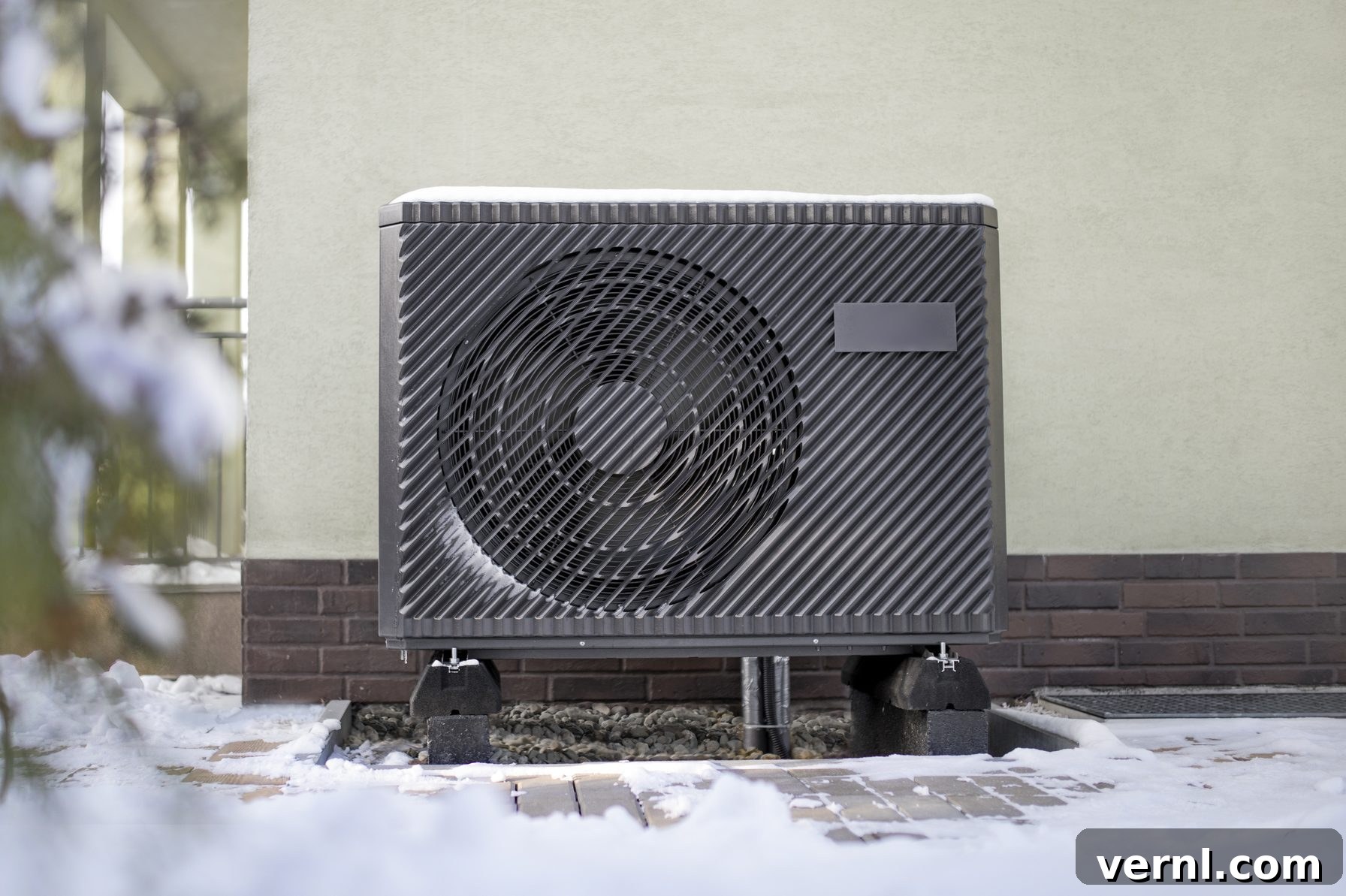
Modern home heating has evolved significantly, with homeowners increasingly seeking solutions that balance comfort with energy efficiency. Among the most popular and efficient options are heat pumps, which have gained widespread recognition for their ability to heat and cool homes using far less energy than traditional furnaces. Unlike conventional heating systems that generate heat through combustion or resistive elements, heat pumps work more efficiently than furnaces by simply moving heat. They don’t actually produce heat themselves; instead, they ingeniously transfer existing heat from one location to another. In heating mode, they extract thermal energy from the outdoor air, even when it feels cold, and then release it into your home via a refrigeration system that operates much like a refrigerator or air conditioner in reverse.
This heat transfer mechanism is what makes heat pumps incredibly energy-efficient. For instance, a typical heat pump draws approximately 3,000 watts of electrical power. In stark contrast, an electric furnace often consumes 10,000 watts or more to produce the same amount of heat. This substantial difference in energy consumption translates into significant savings on utility bills, making heat pumps an attractive investment. Recognizing these environmental and economic benefits, many governments, including the federal government, provide subsidies and incentives for new heat pump installations to encourage wider adoption of this sustainable technology.
However, the performance of heat pumps can be impacted by external conditions, particularly in colder climates. When outdoor temperatures plummet, there is naturally less warmth in the surrounding air for the heat pump to extract, which can reduce its efficiency and heating capacity. To counteract this, heat pump systems in colder regions are typically equipped with auxiliary heaters. These are usually resistive heating strips or elements that automatically activate when the indoor temperature consistently falls below the thermostat setting, providing supplementary warmth to maintain comfort. The integration of auxiliary heat ensures that your home remains warm even when the primary heat pump struggles with extreme cold.
Despite their importance, many homeowners remain unaware when their auxiliary heat system has engaged. Because this process is automatic and seamless, the first indication for many comes with a higher-than-normal monthly electricity bill. Resistive auxiliary heat consumes considerably more electricity than the heat pump compressor alone, leading to an unexpected surge in energy costs. Understanding when and why auxiliary heat activates can empower homeowners to optimize their thermostat settings and minimize unnecessary energy consumption. Furthermore, if you own a new heat pump, you might also be unfamiliar with another crucial backup function known as emergency heat, often labeled as EM heat. This feature is distinct from auxiliary heat and plays a critical role in rare but serious scenarios, such as when the heat pump entirely stops functioning or its outdoor coils become severely iced over. In the depths of winter, the probability of encountering such issues can be higher than many anticipate, making an understanding of emergency heat paramount for every homeowner.
What Is Emergency Heat and How Does It Differ?
Emergency heat (EM heat) is a specific feature designed as a last-resort heating option for heat pump systems. It’s important to understand that not all heat pumps are equipped with emergency heat; it is predominantly found in systems installed in northern climates or regions prone to extended periods of extremely cold weather. This is because these areas face a higher likelihood of conditions that could impair a heat pump’s primary function, such as extreme freezing temperatures or ice accumulation.
A heat pump system featuring emergency heat includes a robust, independent backup heating system. This backup typically consists of powerful electric heating elements, akin to those found in an electric furnace. In some configurations, particularly in homes already plumbed for gas or oil, the emergency heat system might be powered by natural gas or oil, essentially operating as a small, dedicated furnace. The key differentiator between emergency heat and auxiliary heat lies in its activation method. Unlike auxiliary heat, which engages automatically and silently to supplement the heat pump’s operation, emergency heat must be turned on and off manually by the homeowner. This is usually done via a specific setting on your thermostat, commonly labeled “E” or “EM,” emphasizing the user’s direct control over this critical function.
As its name clearly suggests, emergency heat mode is intended strictly for emergency situations. It is not designed to be a standard “comfort setting” for everyday use, even though in exceptionally harsh weather conditions you might feel compelled to activate it to maintain a livable indoor temperature. Its primary purpose is to serve as a reliable source of warmth when the main heat pump system experiences a significant problem that renders it inoperable or severely compromised. Whether it’s a mechanical failure, an electrical issue, or the outdoor coils icing over beyond the defrost cycle’s capacity, EM heat ensures that your home remains warm and safe while you diagnose the issue and arrange for repairs. It acts as a temporary bridge to comfort, providing essential warmth until the underlying problem with your heat pump can be resolved by a qualified HVAC technician. It’s crucial to remember that a dedicated furnace, even one burning natural gas or oil, generally consumes more fuel or electricity than an efficiently operating heat pump. Therefore, it is always advisable to use your system in emergency heat mode for the shortest duration necessary to prevent excessive energy consumption and higher utility bills.
How the Emergency Heat Setting Functions and Why It’s Manual
When you manually select the EM heat setting on your thermostat, you initiate a critical override sequence within your HVAC system. The first and most important action is the immediate shutdown of the heat pump compressor, which is the heart of its heat transfer operation. By deactivating the compressor, the system prevents potential damage that could occur if it were forced to operate under adverse conditions, such as severely iced coils or a malfunctioning refrigeration cycle. This protective measure safeguards the heat pump’s longevity and integrity, ensuring it can resume normal operation once the emergency is resolved.
Once the compressor is offline, the dedicated backup heating system takes over the role of generating warmth. The blower in your indoor air handler continues to function normally, circulating air throughout your home. However, instead of drawing heat transferred from the outdoors by the heat pump’s coils, the air handler now distributes heat produced by the emergency heating elements. If your system utilizes electric emergency heat, powerful resistive coils inside the air handler generate heat directly. If it’s a gas or oil-powered backup, a dedicated burner ignites to produce warmth. In essence, by engaging emergency heat, your advanced heat pump system temporarily transforms into a conventional furnace, relying on direct heat generation rather than heat transfer. This critical shift ensures that your home continues to receive a consistent supply of warm air, despite the primary heat pump’s malfunction.
It’s vital to understand that your system will remain in EM heat mode until you manually switch it off at the thermostat. This manual control is essential because EM heat is a high-cost, temporary solution, and the system won’t revert to the more efficient heat pump mode on its own. Once you resolve the underlying issue with your heat pump or the emergency conditions subside, you must manually toggle the thermostat back to its normal “Heat” or “Auto” setting. When you do, the emergency furnace elements will shut down, the heat pump compressor will restart, and the outdoor condenser coils will resume their function of efficiently supplying heat to the air handler, restoring your system to its optimal, energy-saving operation. Forgetting to turn off emergency heat can lead to unexpectedly high energy bills, making awareness of this manual process crucial for homeowners.
When Should You Engage Emergency Heat? Cost and Practical Considerations
Activating emergency heat comes with a significant financial implication that every homeowner should be aware of. The cost of running emergency heat is dramatically higher than operating your heat pump in its normal, efficient mode. For illustration, if you typically spend around $30 a week to comfortably heat your home with your heat pump, engaging the EM heat could cause your weekly energy costs to skyrocket to as much as $200. This stark increase is due to the inherent inefficiency of resistive electric heating or direct combustion compared to the heat transfer process of a heat pump. Emergency heat is designed for function over efficiency, prioritizing warmth in critical situations.
Beyond the immediate financial burden, it’s also important to recognize that the backup system for emergency heat is not a full-fledged, robust furnace designed for continuous, long-term operation. Using it for an extended period puts a considerable strain on its components, which can significantly reduce its service life and potentially lead to premature wear or breakdowns. Therefore, emergency heat should be reserved strictly for genuine emergencies and used only for the necessary duration. Keeping these critical factors in mind, here are the primary circumstances under which you might need to use the emergency heat setting:
- The Coils Ice Over: A common issue, especially in very cold or humid conditions, is the icing of the outdoor unit’s coils. When the heat pump is engaged in heating mode, the outdoor coils become cold as they absorb heat from the ambient air. This temperature difference causes moisture from the air to condense onto the coil surface. In freezing temperatures, this condensate can turn into a layer of ice. While heat pumps have a defrost cycle to manage this, severe icing or a malfunction in the defrost system can lead to excessive ice buildup. This ice acts as an insulator, preventing the coil from efficiently absorbing heat, resulting in your house feeling consistently cold despite the heat pump running. In such a scenario, engaging emergency heat will keep your home warm while you safely de-ice the coil. Methods include carefully pouring hot water over the coils (avoiding electrical components), using a hair dryer on a low setting, or other safe, verified techniques. If icing persists, it often indicates a larger system issue requiring professional attention.
- Damage to the Heat Pump System: Unforeseen events can render your heat pump inoperable. For instance, during a severe storm, a falling tree branch could directly impact and damage the outdoor unit, or high winds might disrupt electrical connections. Similarly, internal mechanical failures, such as a compressor breakdown, a refrigerant leak, or a faulty fan motor, can incapacitate the system. In any of these situations, the heat pump will cease to provide adequate warmth. Emergency heat serves as your immediate solution to maintain a comfortable temperature indoors while you await professional repairs. It ensures continuous warmth and prevents frozen pipes or extreme discomfort until a qualified HVAC technician can diagnose and fix the primary heat pump unit.
- Extremely Cold Weather Conditions: While heat pumps are remarkably efficient, there are limits to their performance. In truly frigid temperatures, often below 25-30°F (-4 to -1°C) depending on the specific model and its efficiency rating, the heat pump may struggle to extract enough heat from the outdoor air to adequately warm your home, even with the automatic assistance of auxiliary heat. The combined output of the heat pump and its auxiliary strips might simply not be sufficient to combat the severe cold and maintain your desired indoor temperature. In such cases, resorting to emergency heat becomes a necessary measure to prevent discomfort or even dangerous indoor conditions. You should use it judiciously, activating it only until the extreme cold snap passes and your heat pump can resume effective operation. This scenario highlights the importance of proper home insulation and sealing to maximize your heat pump’s effectiveness in challenging weather.
Maintaining Your Heat Pump: Best Practices for Efficiency and Longevity
To minimize reliance on auxiliary and emergency heat, and to ensure your heat pump operates at peak efficiency year-round, consistent maintenance is crucial. Regular upkeep not only extends the life of your system but also significantly impacts your energy bills and overall home comfort. Here are some key best practices:
- Regular Filter Replacement: A clogged air filter restricts airflow, forcing your heat pump to work harder and reducing its efficiency. Replace or clean your filters every 1-3 months, or more frequently if you have pets or allergies. This simple task can prevent system strain and improve indoor air quality.
- Keep Outdoor Unit Clear: Ensure the outdoor unit (condenser) is free from debris such as leaves, dirt, grass clippings, and snow. Proper airflow around the unit is essential for efficient heat exchange. Trim any vegetation that is too close to the unit.
- Clean Coils Annually: Over time, dust and grime can accumulate on both indoor and outdoor coils, impeding their ability to transfer heat. While outdoor coils can be gently sprayed with a hose (ensure power is off), professional coil cleaning during an annual tune-up is recommended for thorough maintenance.
- Schedule Professional Tune-Ups: An annual inspection and tune-up by a certified HVAC technician are invaluable. They can identify and address minor issues before they escalate into major problems, check refrigerant levels, inspect electrical components, and ensure all parts are functioning correctly. This preventive maintenance is key to extending the system’s lifespan and maintaining efficiency.
- Smart Thermostat Usage: Program your thermostat effectively. Avoid drastically dropping temperatures when you’re away, as it takes more energy for a heat pump to recover from a large temperature swing. Instead, set it back only a few degrees. Understand how your thermostat handles auxiliary and emergency heat to make informed decisions and prevent unnecessary activation.
- Insulation and Air Sealing: A well-insulated and properly sealed home reduces the workload on your heat pump. Addressing drafts, sealing air leaks, and ensuring adequate attic and wall insulation can dramatically improve your system’s efficiency and comfort levels, especially in extreme weather.
Common Heat Pump Questions, Answered
Heat pumps efficiently heat and cool your home by transferring heat rather than generating it, offering a sustainable and cost-effective HVAC solution. Understanding how they work and what options are available can help you choose the best system for your home and ensure its optimal performance.
- What Is a Heat Pump System? Discover the fundamental principles behind heat pump technology and how it provides year-round climate control.
- How to Buy a Heat Pump Get expert advice on selecting the right heat pump for your home, considering factors like size, efficiency ratings, and climate.
- What to Know About Types of Baseboard Heaters Explore different heating alternatives and how they compare to modern heat pump systems.
- Everything You Need to Know About Geothermal Heat Pumps Delve into the advanced world of geothermal heat pumps, harnessing the earth’s stable temperature for ultimate efficiency.
- The Pros and Cons of Geothermal Heat Pumps Weigh the advantages and disadvantages of geothermal systems to determine if they’re the right investment for your property.
- Fire Up DIY Projects with the Family Handyman Approved Wagner Furno 700 Heat Gun
- Lasko All-Season High-Velocity Hybrid Fan and Heater: We Tried It