
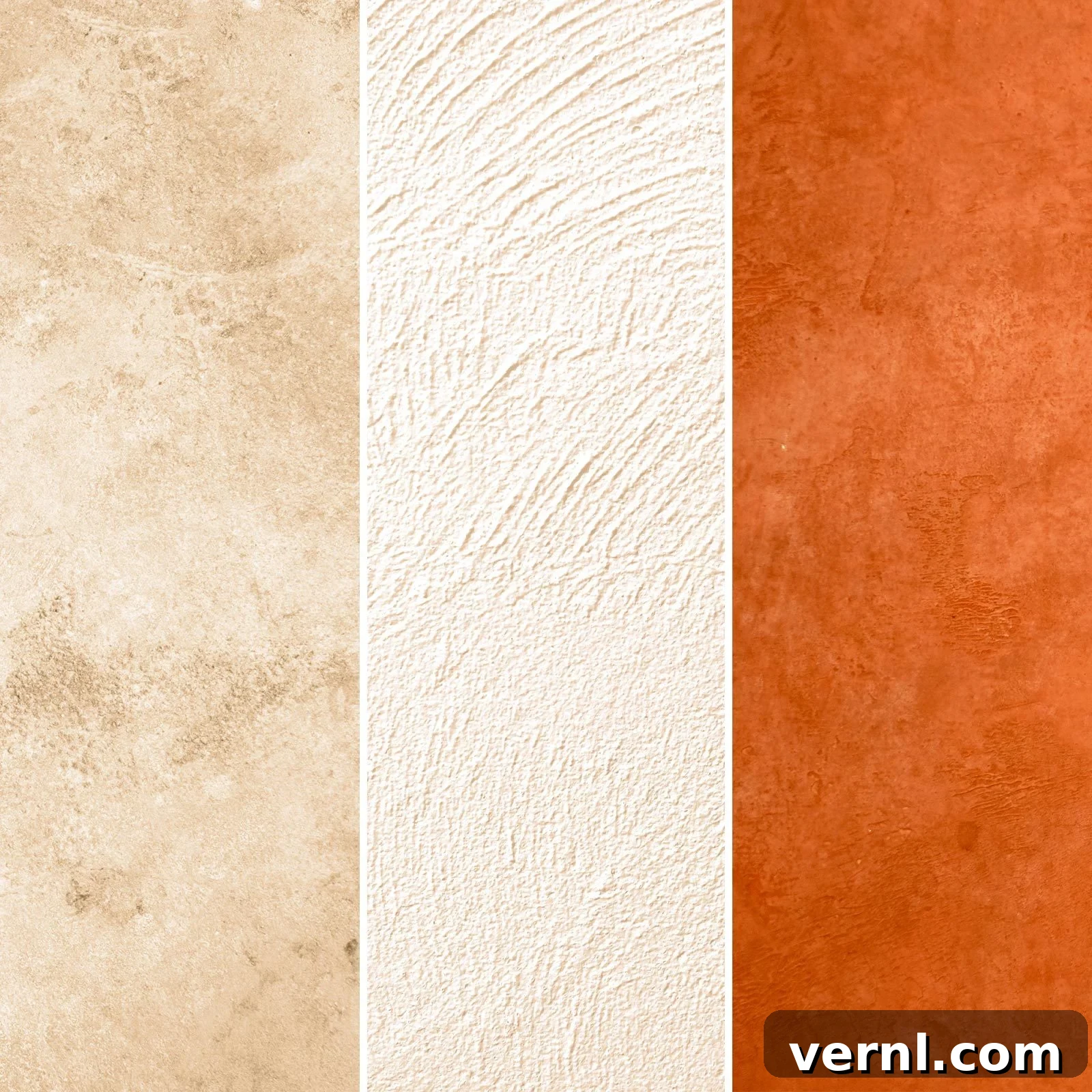
For many, the phrase “textured paint” conjures up unwelcome memories of dated sponge painting or the ubiquitous popcorn ceilings of yesteryear. It’s a natural reaction to associate texture with the past, but the world of interior design is witnessing a vibrant renaissance in wall finishes. Forget the outdated stereotypes; modern textured paints and specialty wall treatments are making a sophisticated comeback, offering depth, character, and a luxurious feel that flat paint simply cannot achieve. Designers and homeowners alike are increasingly gravitating towards these dynamic finishes, seeking to add an artistic touch and unique personality to their spaces.
Today, the conversation around textured walls has shifted dramatically. While the broad term “textured paint” still exists, it often encompasses a more refined category known as specialty wall finishes. You may have already noticed a surge in popularity for elegant options such as limewash, the earthy appeal of Roman clay, or the industrial chic of microcement. These are not your grandmother’s textured walls; they represent a contemporary approach to interior surfaces, blending traditional techniques with modern aesthetics. Far from being a fleeting trend, these finishes offer a timeless quality, adding warmth, visual interest, and a bespoke feel that elevates any room. We’re here to demystify these trending finishes and explore how they can transform your home.
What Exactly Is Textured Paint? Unpacking Modern Wall Finishes
At its core, textured paint is designed to create a tactile and visually dimensional surface on walls, moving beyond the flat, uniform appearance of conventional paints. According to Ashley Daubert, an insightful interior designer for Beam, textured paint can incorporate various elements to achieve its distinct look. One common method involves adding fine particles, such as sand or silica, directly into the paint formula. These aggregates provide a gritty texture that can range from subtly coarse to pronouncedly rugged, depending on the size and concentration of the particles. This approach adds physical depth and an organic feel to the walls, making them more engaging than a simple painted surface.
However, texture isn’t solely dependent on additives. The application technique itself plays a crucial role in creating desired patterns and finishes. A skilled painter can use ordinary paint and specialized tools, like a trowel or a wide brush, to manipulate the paint layer, creating intricate patterns, peaks, and valleys. For instance, applying paint with a trowel allows for a variety of effects, from smooth, Venetian plaster-like finishes to more rustic, uneven textures that mimic natural stone. Similarly, techniques such as spraying a base coat and then applying a contrasting paint on top can introduce subtle or dramatic textural variations. These methods demonstrate that achieving a textured look is as much about the painter’s artistry and choice of tools as it is about the paint’s composition.
For the enthusiastic DIYer, achieving a professional-looking textured finish has become more accessible than ever. Innovations like textured paint rollers, featuring specific patterns, can effortlessly replicate complex designs, allowing homeowners to create impressive effects without extensive training. These rollers are an excellent entry point for those new to textured painting, offering a straightforward way to add character to a room.
Liv Buli, Head of Content at Beam and Daubert’s colleague, draws a finer distinction within this evolving category. She emphasizes that many of the most popular contemporary finishes, such as limewash, Roman clay, microcement, and tadelakt, are often best categorized as “specialty wall finishes” rather than merely “textured paints.” While they undoubtedly offer texture, their unique compositions and application methods set them apart, often resulting in a more sophisticated and natural aesthetic. “These are trending due to their authentic, handcrafted feel,” Buli explains, “offering a depth and organic quality that standard textured paints might not fully capture.”
Despite these distinctions, Buli acknowledges the practical appeal of faux options. “Although there are paints and application processes that can create a faux plaster look, perhaps if someone doesn’t have the budget for the real thing, they are looking into the faux options,” she notes. This highlights a key advantage: textured paints can provide a similar visual impact to more expensive specialty finishes, making them a versatile choice for various budgets. Regardless of the medium, the underlying trend is clear: texture in interior design, whether on walls, wall coverings, or fabrics, is experiencing a significant resurgence, adding warmth, dimension, and tactile appeal to modern homes.
Jason Smith, a regional manager at Precision Painting Plus, offers a helpful analogy to understand textured paint. He likens it to baking a cake: “You have pigment, which is like the flour, providing the base color. Eggs are the resin, or the glue that binds everything together, ensuring adhesion and durability. And milk or water is the third main ingredient – in this case, the textured finishes.” This analogy beautifully illustrates how various components come together to create the final texture. Smith further elaborates that textured paints typically contain specific additives, most commonly silica sand, which imparts a gritty feel. Alternatively, the “texture” can be achieved through specific chemical formulations that modify the paint’s viscosity and drying properties, allowing for unique application effects. Smith observes that among all categories, limewash has seen the most significant, and perhaps singular, increase in demand and popularity, underscoring its unique aesthetic appeal.
Exploring the Different Types of Textured Paint
Achieving a textured look on your walls can be accomplished through several methods, each offering distinct advantages and results. Jason Smith outlines three primary approaches to acquiring textured paint, catering to different preferences and DIY skill levels:
- Premixed Textured Paints: These are the most straightforward option for those looking to add texture. Premixed textured paints are conveniently sold in cans, much like conventional paints. You simply open the can, stir, and apply. These paints already contain the necessary additives, such as fine grit or thickening agents, to produce a specific texture, often described on the label (e.g., “sandy finish,” “stucco effect”). They are ideal for DIYers seeking ease of use and consistent results without the hassle of mixing separate components. This category often includes paints designed to mimic orange peel or knockdown textures directly from the can.
- Mix-in Powders: For those who prefer a more customized approach, mix-in powders offer flexibility. These products come as dry powders that are first mixed with water to form a slurry, and then combined with your chosen paint. This method allows you to control the degree of texture by adjusting the amount of powder added. Mix-ins are perfect for creating unique, bespoke finishes and are often used to achieve more pronounced or specific textures that might not be available in premixed formulations. It requires a bit more effort and precision but offers greater creative control over the final look.
- Aggregates/Additives: This method provides the highest level of customization. Aggregates are raw materials like silica sand or mica flakes that you purchase separately and manually incorporate into standard paint. As Smith points out, you can find these at hardware stores like The Home Depot or specialty paint shops like Benjamin Moore. By adding these aggregates, you can transform any standard paint into a textured one. This approach allows for experimentation with different particle sizes and types, enabling you to create truly unique textures, from subtly sparkling mica finishes to dramatically sandy surfaces. It’s an excellent option for experienced DIYers or professionals who want complete command over their project.
It’s important to note that the vast majority of these textured paint options are formulated with latex bases. Smith explains that oil-based paints, while still available, are becoming a “different and kind of dying breed” in the general residential market, primarily due to longer drying times, stronger odors, and more difficult cleanup. However, if you opt for an oil-based textured paint, Smith advises using a paddle mixer or drill mixer for proper aggregate dispersion. Hand-mixing, he warns, simply won’t achieve the consistent, even finish required for a professional look, as the heavier aggregates tend to settle quickly without mechanical assistance.
Distinct Textured Paint Finishes: A Palette of Styles
The world of textured paint offers a diverse array of finishes, each with its own unique aesthetic and application technique. According to Ashley Daubert, these common finishes allow for a wide range of styles, from subtle elegance to bold statements:
- Smooth Texture: Despite its name, a “smooth texture” finish still offers more depth than a flat, untextured wall. This effect is achieved by using a significantly thicker paint formula that lacks any discernible aggregates. The thick, viscous paint is typically applied with a putty knife or trowel, much like plaster. This technique creates a subtly undulating, hand-troweled appearance, often characterized by soft, organic variations and a gentle sheen. The result is a sophisticated, artisanal look that can mimic traditional plaster or stucco, adding a refined, sculptural quality to walls without being overtly rough. It’s perfect for achieving an understated yet rich aesthetic, offering visual interest through nuanced shifts in light and shadow.
- Sand Texture: As the name suggests, this finish incorporates sand as an aggregate, mixed directly into the paint. The beauty of sand texture lies in its versatility. By varying the size of the sand grains – from ultra-fine to coarse – and their concentration, you can dramatically alter the finished look. Fine sand creates a subtle, almost velvety grit, adding a soft tactile quality that can make a room feel warmer and more inviting. Coarser grains, on the other hand, produce a more pronounced, rustic, and robust texture, reminiscent of natural stone or adobe. The application typically involves rolling or brushing, ensuring an even distribution of the sandy particles. This finish is excellent for adding an organic, earthy feel and is particularly effective at disguising minor wall imperfections.
- Knockdown Texture: This popular finish creates a soft, subtle texture with a flattened, irregular pattern. The process begins by spraying a relatively thick layer of textured paint or drywall compound onto the wall. This initial spray creates a series of peaks and valleys, giving the surface a somewhat spiky appearance (often referred to as “orange peel” or “splatter” texture at this stage). After this layer has partially dried – reaching a specific tackiness, but not fully hardened – the “high points” or peaks are gently “knocked down” and spread flat with a putty knife, trowel, or a specialized knockdown knife. This action flattens the peaks into smooth, irregular patches, leaving the valleys untouched. The resulting look is softer and less abrasive than many other textures, offering a sophisticated, softened stucco appearance that is both visually appealing and effective at hiding surface flaws.
- Slap Brush Texture: The slap brush technique is an artistic method that uses specific brushing and twisting motions to create distinct, often intricate, patterns and textures. After applying a base coat of paint, a special texture brush (which often has stiff bristles and a unique shape) is used to “slap” and twist the paint onto the surface while it’s still wet. This aggressive yet controlled application technique results in a variety of patterns, from subtle swirls and arcs to more pronounced fan-like or stippled designs. The beauty of slap brush lies in its handcrafted, organic appearance, making each wall truly unique. It can add significant visual interest and a sense of movement to a room, often evoking a rustic, artisanal, or even Mediterranean aesthetic. The texture provides excellent camouflage for minor wall imperfections and adds a dynamic layer to the interior design.
The Advantages and Disadvantages of Textured Paint
Deciding whether textured paint is the right choice for your home involves weighing its unique benefits against potential drawbacks. Understanding these aspects will help you make an informed decision for your next renovation project.
Pros of Textured Paint: Elevating Your Space with Depth and Style
- Hides Imperfections on Existing Walls: This is arguably the most significant advantage of textured paint. Unlike flat paints that highlight every ding, dent, and uneven patch, textured finishes excel at camouflaging minor surface flaws. The inherent unevenness and depth of the texture naturally draw the eye away from small cracks, nail holes, or inconsistencies in the drywall. This makes textured paint an ideal solution for older homes or surfaces that are not perfectly smooth, saving considerable time and expense on extensive wall preparation. Beyond mere concealment, Daubert notes that texture also imparts a softness and warmth to a space that flat paint simply cannot achieve, creating a more inviting and comfortable atmosphere.
- Limewash Brightens Brick and Adds Dimension: Limewash stands out as a specialty finish with particular transformative power, especially when applied to brick. It doesn’t just cover the brick; it penetrates and stains it, allowing the natural character and variations of the brick to show through while softening and altering its color. This creates an artistic, weathered, and natural finish, vastly different from a flat, static coat of opaque paint. Limewash significantly brightens brick surfaces, imparting an aged, Mediterranean, or European villa aesthetic. Furthermore, its unique matte, chalky finish interacts beautifully with light, adding incredible dimension and visual interest to not only brick but also other textured surfaces, making them feel richer and more complex.
- Achievable Application for DIY Enthusiasts: While some specialty finishes require professional expertise, many textured paint applications are well within the capabilities of a dedicated DIYer. Jason Smith confirms, “If you’re a pro DIYer, you’ll be able to do it no problem, with pretty good results.” The availability of premixed textured paints, textured rollers, and straightforward aggregate additions means that with a bit of practice and patience, homeowners can achieve impressive results. However, Smith prudently advises that if you typically shy away from paint DIY projects due to complexity or mess, hiring a professional for textured applications, especially for intricate finishes, is often the wiser choice to ensure a flawless outcome.
- Enhanced Durability: The inherent thickness and layered application of many textured paints can contribute to increased wall durability. The added body of the paint or compound provides an extra protective layer against minor scuffs and impacts that might easily damage a thinly painted surface. This robustness can extend the lifespan of your wall finish, reducing the frequency of touch-ups and repainting.
- Sound Dampening Qualities: While not its primary purpose, a thicker, textured wall surface can offer a marginal improvement in sound absorption compared to a flat, smooth wall. The uneven surface helps to scatter sound waves rather than reflecting them directly, contributing to a slightly quieter and more acoustically comfortable room, particularly in spaces with hard surfaces.
Cons of Textured Paint: Considerations Before You Commit
- Design and Timelessness: One significant concern with textured paint is its potential to date a room. While certain finishes like limewash and Roman clay are celebrated for their timeless appearance, others can quickly fall out of fashion. Daubert advises homeowners to carefully consider the long-term aesthetic. “As long as folks understand it is a trend, so more likely than not you’ll get tired of it and want to change it,” says Smith. This means choosing a texture and pattern that genuinely resonates with your personal style and the overall architectural integrity of your home, rather than simply following a fleeting trend, can prevent future regrets. Overly dramatic or specific patterns might feel outdated sooner than subtle, organic textures.
-
Higher Cost: Textured paint, especially specialty finishes, typically comes with a higher price tag than conventional paint. Smith explains, “It’s a specialty finish and pros will expect top dollar.” This increased cost stems from several factors:
- Material Costs: The paints themselves, particularly limewash, Roman clay, or microcement, are often premium products made with specialized ingredients, making them more expensive per gallon.
- Labor Costs: Applying textured finishes is more time-consuming and labor-intensive than rolling on a smooth coat of paint. It often requires specific techniques, multiple layers, and meticulous attention to detail. This increased labor time directly adds to professional fees.
- Specialized Tools: Achieving certain textures may require specialized tools like particular trowels, brushes, or spray equipment, which contribute to the overall project cost.
Homeowners should factor in these higher expenses when budgeting for a textured wall project.
- Maintenance and Repair Challenges: Maintenance on textured-paint walls presents a double-edged sword, as Smith aptly puts it. While the added texture might increase overall durability against minor abrasions, repairing damage can be exceptionally difficult. “If a textured finish or wall gets damaged, recreating that same texture will be almost impossible,” Smith warns. Matching the exact texture, depth, and even color consistency of the original application can prove to be a daunting, if not impossible, task for a patch repair. This often means that even a small area of damage could necessitate redoing the entire surface to maintain a uniform appearance, potentially even involving the costly and disruptive process of ripping out and replacing drywall. This aspect underscores the importance of proper application and care to prevent damage. However, on the brighter side, if applied properly and the surface is prepared correctly, textured paint can last as long as any other quality paint product in your home, offering lasting beauty and protection. Regular gentle cleaning is usually sufficient, as the texture can sometimes trap dust more easily than smooth walls.
- Dust and Dirt Accumulation: The very nature of textured surfaces, with their peaks and valleys, can make them more prone to accumulating dust and dirt compared to smooth walls. While not a major issue, it may require slightly more frequent or careful cleaning, such as gentle vacuuming with a brush attachment or dusting, to maintain their fresh appearance.
Ultimately, the choice to embrace textured paint or specialty wall finishes depends on your aesthetic goals, budget, and willingness to consider the long-term implications. When executed thoughtfully, modern textured walls can bring unparalleled character, warmth, and sophistication to any interior.