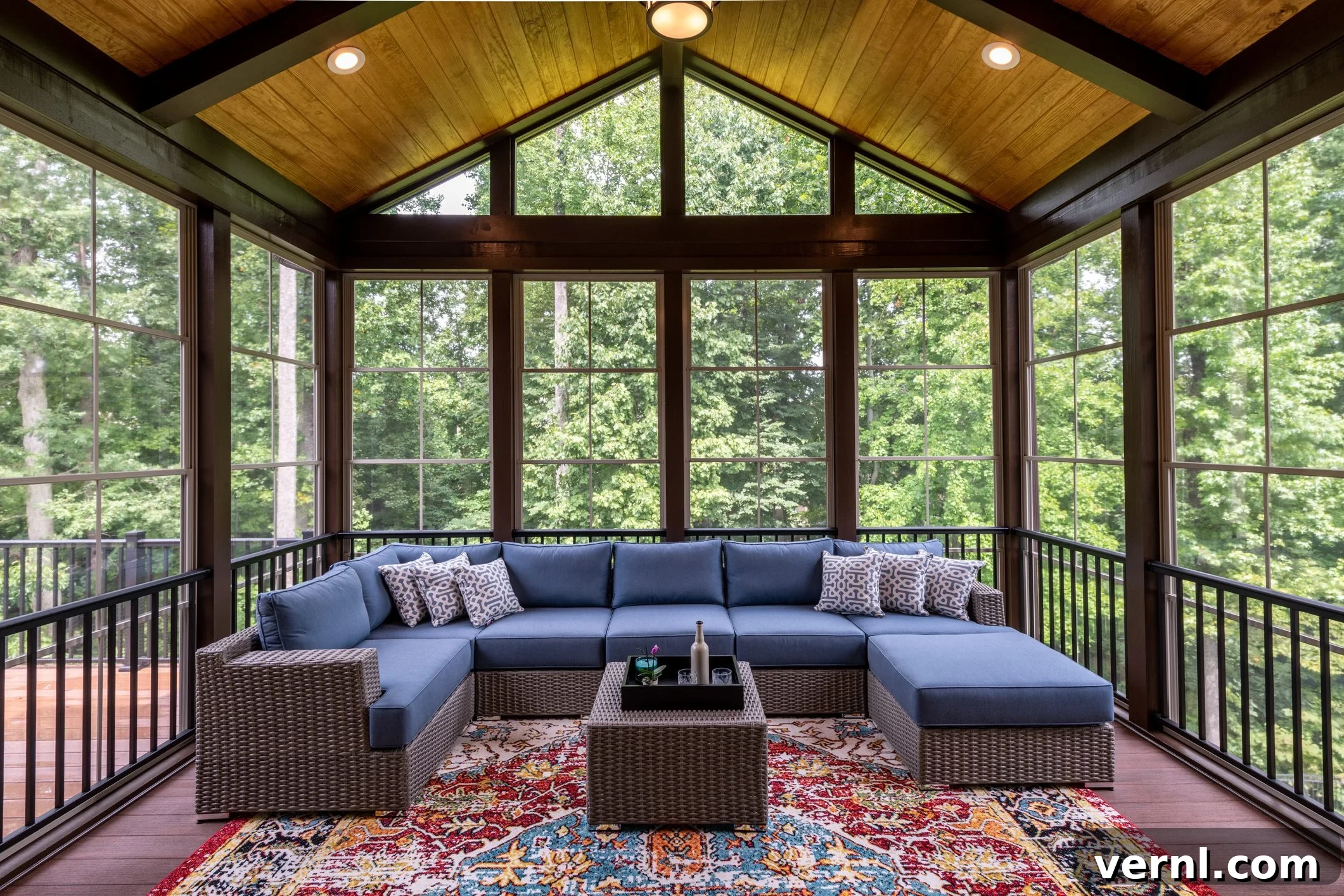
Sunroom vs. Screened Porch: Choosing Your Ideal Outdoor Living Space
Transforming your home with an inviting outdoor living space has become one of the most sought-after home improvements in recent years, and this trend shows no signs of slowing down. For homeowners looking to expand their connection to the outdoors, the decision often comes down to two popular options: a sunroom or a screened porch. Each offers unique benefits and considerations, making the choice less straightforward than it might appear.
To help navigate this important decision, we consulted with Dillon Walker, Director of Operations at Screenmobile. Founded in 1980, Screenmobile is a family-run company renowned for its expertise in windows, doors, and various outdoor enclosures. Walker provides invaluable insights into selecting the perfect addition that aligns with your lifestyle, budget, and desired level of comfort.
Whether you dream of a vibrant space for houseplants, a cozy spot for casual dining, or a serene retreat protected from the elements, understanding the core differences between a sunroom and a screened porch is crucial. Both options aim to blend the beauty of the outdoors with the comfort of indoor living, offering sunlight, expansive views, and fresh air, all while keeping bothersome insects, fluctuating temperatures, and high humidity at bay.
Are you ready to discover which outdoor sanctuary is the right fit for your home? Let’s delve into what you need to know.
Understanding the Sunroom: A Year-Round Oasis
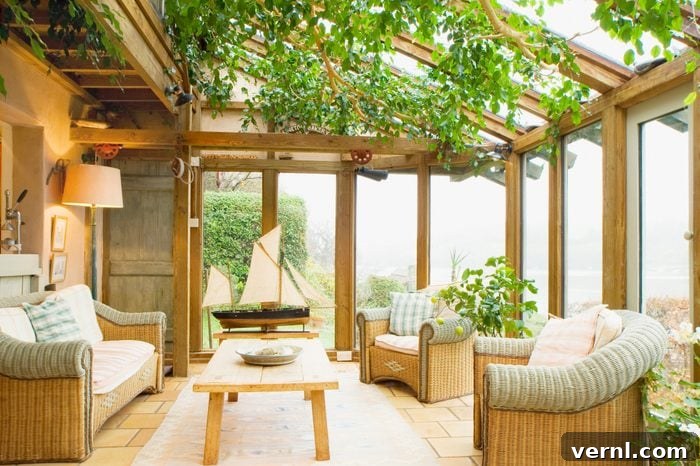
A sunroom is much more than just a room with many windows; it is a fully integrated home extension designed for year-round comfort and enjoyment. Characterized by its insulated walls, ceiling, and abundant glazing, a sunroom typically features windows on three sides, often complemented by skylights to maximize natural light. Unlike a typical outdoor structure, a sunroom can be fully temperature-controlled, making it a comfortable and versatile space even during the coldest winter months or the hottest summer days.
Key Advantages of Investing in a Sunroom
- Unmatched Versatility and Year-Round Use: A sunroom offers a truly flexible space that can be enjoyed in any season. Imagine sipping your morning coffee bathed in sunlight during winter or unwinding with a book on a rainy summer afternoon, all in climate-controlled comfort. This makes it ideal as a secondary living room, a home office, a children’s play area, a fitness zone, or a sophisticated dining space.
- Abundance of Natural Light: With its extensive glass panels, a sunroom is consistently filled with natural light. This creates a bright, uplifting atmosphere that can significantly improve mood and well-being. It also provides the perfect environment for houseplants, allowing them to thrive even in colder climates. Furthermore, the natural light can help reduce reliance on artificial lighting, potentially saving on energy costs.
- Seamless Indoor-Outdoor Connection Without Exposure: Experience the beauty of the outdoors – the changing seasons, panoramic views, and the feeling of openness – without any of the drawbacks. A sunroom shields you from extreme heat, biting cold, high humidity, unexpected rain showers, and annoying pests like mosquitoes or flies. It’s the ultimate bridge between your indoor sanctuary and the natural world.
- Enhanced Home Value: As a fully integrated and temperature-controlled extension, a sunroom can add significant square footage to your home’s total area. This can positively impact your property value and make your home more attractive to potential buyers, especially in regions where year-round enclosed spaces are highly desirable.
Potential Disadvantages of a Sunroom
- Significant Upfront Investment: The construction of a sunroom involves considerable costs, including materials, specialized labor, insulation, and often HVAC integration. It’s a larger financial commitment than a screened porch, requiring careful budgeting and planning.
- Ongoing Maintenance Requirements: The expansive glass surfaces of a sunroom necessitate regular cleaning to maintain their sparkling appearance and unobstructed views. Additionally, periodic checks for leaks, seal integrity, and general structural maintenance are essential to ensure its longevity and performance.
- Privacy Concerns: Due to the large glass surfaces, sunrooms can offer limited privacy, especially if they face neighboring properties. Homeowners might need to invest in blinds, shades, or landscaping solutions to create a more private retreat.
- Energy Efficiency and Temperature Management: While designed for temperature control, a sunroom can be prone to heat loss in winter and excessive heat gain in summer if not properly insulated, sealed, and equipped with energy-efficient windows. Choosing high-performance glass and adequate HVAC systems is vital to prevent soaring utility bills.
Exploring the Screened Porch: A Breath of Fresh Air
According to Trex, a leading manufacturer of high-quality outdoor living products, a screened porch provides an inviting outdoor space enclosed with durable mesh panels. This design effectively keeps bothersome insects at bay while still allowing the refreshing breeze and natural sunlight to filter through. It’s a cherished spot where you can enjoy the sensory experience of the outdoors without the common annoyances.
Advantages of a Screened Porch
- Affordable and Cost-Effective Outdoor Living: Compared to a full sunroom, a screened porch typically represents a more budget-friendly investment. This makes it an accessible option for many homeowners seeking to enhance their outdoor lifestyle without a hefty financial commitment.
- Versatile and Cozy Retreat: A screened porch effortlessly transforms into a multitude of functional spaces. It can serve as a cozy lounge area for relaxation, an informal dining spot for al fresco meals, or even a peaceful haven for nurturing plants that thrive in dappled sunlight and fresh air. Its adaptability allows it to be a true extension of your indoor living, inspired by myriad cozy screened-in porch ideas.
- Authentic Connection to Nature: With its mesh enclosures, a screened porch maintains a stronger, more direct connection to the natural environment. You can hear the sounds of birds, feel the gentle breeze, and enjoy the distinct scents of your garden, all while being protected from bugs. This creates a uniquely immersive outdoor experience.
- Design Flexibility and Integration: Screened porches offer considerable design flexibility, easily blending with your home’s existing architecture. With the right layout, furniture, and finishes, it can feel just as welcoming and thoughtfully designed as any indoor room, enhancing your home’s aesthetic appeal.
- Protection from Pests: One of the primary benefits is the barrier against mosquitoes, flies, and other insects, allowing you to enjoy evenings outdoors without bug bites or constant swatting.
Disadvantages of a Screened Porch
- Limited Seasonal Use: While offering excellent protection during mild weather, a screened porch is primarily a three-season space. It’s most comfortable in spring, summer, and fall. It provides limited shelter from extreme cold in winter or intense heat waves, making it less viable for year-round enjoyment without supplementary heating or cooling.
- Screen Maintenance and Durability: The mesh screens, though durable, are susceptible to tears, punctures, or stretching over time due to wear and tear, pets, or harsh weather. They require occasional repair or replacement, which adds to ongoing maintenance tasks.
- Dirt and Debris Accumulation: Screens inevitably collect dirt, dust, pollen, and other outdoor debris. Periodic cleaning is necessary to maintain clear views and optimal airflow, adding another chore to your home maintenance routine.
- Partial Obstruction of Views: While allowing fresh air and light, the mesh screens, along with the roof structure, can partially obstruct panoramic views of the sky and surrounding landscape, particularly at certain angles or times of day.
- Limited Protection from Elements: Beyond pests, screened porches offer minimal protection from adverse weather conditions such as strong winds, driving rain, or heavy snow. Furniture and decor within the porch might still be exposed to these elements, requiring weather-resistant choices.
- Less Temperature Control: Unlike sunrooms, screened porches typically offer very limited temperature control. While ceiling fans can provide relief on warm days and portable electric heaters can extend usability into cooler evenings, they cannot match the consistent climate control of an insulated sunroom.
Sunroom vs. Screened Porch: Decoding the Key Differences
When weighing your options, understanding the fundamental distinctions between these two popular outdoor living solutions is paramount. Here’s a detailed breakdown of their core differences:
- Construction and Foundation: Sunrooms are engineered as true home extensions, featuring insulated walls, robust foundations (often tied into the home’s existing foundation), and solid, weather-tight roofs. They are built to the same structural standards as an interior room. In contrast, screened porches are typically simpler structures, often built over existing patios, decks, or sometimes on a concrete slab, with lighter framing and mesh panels.
- Enclosure Type and Material: The most apparent difference lies in the enclosure. Sunrooms utilize glass walls and windows, usually double-pane and insulated, offering complete protection from the elements while maintaining clear views. Screened porches, conversely, employ fine mesh panels designed specifically to keep insects out while allowing unobstructed airflow and an open feel.
- Seasonal Usability: This is a critical differentiator. Sunrooms, with their full insulation and climate control capabilities, are designed for comfortable year-round use, regardless of external temperatures or weather conditions. Screened porches are inherently three-season spaces, best suited for spring, summer, and fall in most climates, offering limited utility during colder months.
- Temperature and Climate Control: Sunrooms can be fully integrated into your home’s HVAC system, allowing for precise heating and cooling to maintain indoor comfort levels. This means you can enjoy them even in extreme weather. Screened porches offer minimal temperature control; while fans can aid cooling and portable heaters can provide some warmth, they cannot replicate a fully climate-controlled environment.
- Indoor-Outdoor Experience: A screened porch provides a direct, immersive connection to the outdoors, allowing you to feel the breeze, hear nature, and smell the garden. It truly feels like an outdoor room. A sunroom, while offering expansive views and abundant natural light, feels more like an interior extension of your home, albeit one that is closer to nature.
- Permitting and Building Codes: Due to their complex construction and integration with the home’s HVAC and electrical systems, sunrooms typically require more extensive building permits and adhere to stricter building codes. Screened porches may also require permits, especially if they involve new construction or significant structural changes, but often have fewer regulatory hurdles than sunrooms.
- Maintenance Regimen: Both require maintenance, but of different types. Sunrooms demand regular window cleaning and vigilance against leaks, similar to any part of your home. Screened porches require screen repair or replacement and periodic cleaning to remove accumulated dirt and pollen from the mesh.
How to Choose the Right Outdoor Option for Your Home
While the ability to use a space year-round versus for three seasons is a primary distinction, several other factors demand careful consideration before embarking on a sunroom or screened porch addition. The optimal choice will depend on your home’s location, your specific goals for the space, required permits, long-term utility costs, anticipated usable time, and the overall construction budget.
Considering Your Home’s Location and Climate
It might seem logical that sunrooms are the obvious choice for regions with extreme temperatures, offering a controlled environment regardless of the weather. However, this isn’t always the case in terms of popularity. “Screened porches are significantly less expensive to build,” notes Dillon Walker of Screenmobile. “That’s why three-season rooms are just as popular in those areas,” he adds. Homeowners in colder climates might opt for a well-designed three-season screened porch, extending its usability with portable heating solutions, rather than incurring the higher costs of a fully insulated sunroom.
Defining the Goal and Purpose of the Space
Your ultimate vision for the space should heavily influence your decision. If your primary desire is a shaded, bug-free area to relax and entertain friends and family during the warmer months of summer, fall, and spring, a screened porch may be perfectly sufficient. Many screened porches incorporate ceiling fans for comfort, even without full heating or air conditioning. For cooler evenings, a small electric space heater can offer ample warmth, proving far more economical than installing and running a full outdoor patio heating system.
However, if your aspiration is a dedicated space for overwintering delicate houseplants, creating a year-round art studio, or establishing a cozy reading nook that remains comfortable even in the dead of winter, a screened porch simply won’t meet your needs. A sunroom, with its robust insulation and climate control capabilities, stands out as the superior option for keeping both your plants and your family comfortable throughout the entire year.
Assessing Your Return on Investment (ROI)
Before committing to either a sunroom or a screened porch, it’s crucial to evaluate the initial cost against the long-term value and enjoyment you’ll derive. Ask yourself critical questions: How frequently do you anticipate using this new space? Is the luxury of a sun-filled winter retreat truly worth the additional expense associated with permitting, complex construction, and the ongoing heating costs of a sunroom? Do you plan to reside in your current home long enough to fully appreciate the benefits of a sunroom, or are you considering a move in the near future? Furthermore, consider its marketability: is a sunroom a highly sought-after feature among potential buyers in your specific geographical area?
Much like the decision between an above-ground or in-ground pool, the perceived worth of a sunroom or screened porch is highly subjective and varies significantly from one homeowner to another. And just as a swimming pool doesn’t always guarantee an increase in your home’s market value, neither does a sunroom or a screened porch.
Generally speaking, if enhancing your home’s market appeal is a key consideration, a sunroom tends to be more marketable than a screened porch. A significant advantage of a sunroom is that it can be included in your home’s total square footage, which can directly contribute to an increase in your property’s assessed value and listing price. A screened porch, while enhancing lifestyle, is typically not counted as heated square footage.
Cost Comparison: Sunroom vs. Screened Porch
When it comes to financial outlay, sunrooms unequivocally represent the more expensive option. The total cost of adding a sunroom can fluctuate dramatically based on various factors, including the desired square footage, the quality and type of materials chosen (e.g., specific window types, flooring, roofing), and the unique specifications and architectural integration with your existing house. Dillon Walker estimates that the most basic sunroom addition would likely start around $20,000. However, these costs can escalate rapidly. According to Maryland Sunrooms, a reputable design and installation company, an ultra-luxurious, custom-built sunroom could potentially reach up to $150,000, underscoring the vast range of possibilities and price points.
In contrast, a screened porch, while also varying in price, remains significantly more affordable than a sunroom, even at the higher end of its cost spectrum. Walker indicates that “Typically, it’s between $3,500 and $7,500” for a screened porch. This substantial difference in cost makes screened porches an attractive option for homeowners working with a tighter budget or those primarily seeking a seasonal outdoor space.
Beyond the primary construction costs, permitting is another crucial financial consideration. The requirements and associated fees for building permits vary widely by municipality. In some areas, simply adding screens to an existing porch structure might not necessitate a building permit, which can save both time and money. However, for a sunroom, the permitting process is typically much more rigorous. “Sunrooms have harder permitting because it is basically building a separate room with insulated walls and glass windows,” explains Walker. This often involves multiple building permits, especially given the scope of integrating a new, fully enclosed, and often climate-controlled space into your home’s existing structure.
Finally, it’s essential to account for miscellaneous, post-construction costs. How will you furnish and decorate your new outdoor space? More importantly, how will this addition impact your monthly utility bills? While a sunroom with energy-efficient windows may have a higher upfront construction cost, investing in quality, low-emissivity (Low-E) glass can lead to substantial long-term savings. Given that a sunroom is predominantly composed of windows, choosing the wrong, inefficient ones can result in significant heat loss in winter and heat gain in summer, essentially “throwing money out the window” through wasted energy.
Understanding Sunroom Kits: A DIY Approach
For experienced DIY enthusiasts seeking a more economical entry point into sunroom ownership, prefabricated sunroom kits offer a compelling alternative. These kits typically come with pre-cut components and instructions, making them a more affordable option than custom-built sunroom additions. However, it’s important to acknowledge that they generally offer a lower quality finish and less robust construction compared to professionally installed, site-built sunrooms.
Sunroom kits often provide fewer options for customization in terms of design, size, and material choices. They also tend to lack the seamless integration and cohesive aesthetic of a traditional sunroom addition. Typically, these kits are designed to be attached directly to your home’s existing exterior wall, which means the original siding of your house may remain visible from within the sunroom, creating a less integrated look. An existing exterior door or patio door often serves as the entrance to the new sunroom kit structure.
Dillon Walker advises a strong degree of caution for homeowners considering a DIY sunroom kit. “Unless you know exactly what you’re dealing with, you may get something you didn’t want—and lots of gray hairs along the way,” he warns. The complexities of ensuring proper sealing, structural integrity, and adherence to local building codes can be challenging for those without extensive construction experience.
Ultimately, whether you’re leaning towards a full-fledged sunroom, a charming screened porch, or an affordable sunroom kit, consulting with a seasoned professional is invaluable. An expert can help you assess your home’s suitability, navigate permitting requirements, understand material options, and choose the solution that best aligns with your vision, budget, and long-term goals.
Frequently Asked Questions About Outdoor Living Spaces
Does a sunroom add more value to a home than a screened porch?
Generally, yes, sunrooms typically add more market value to a home than screened porches. This is primarily because sunrooms are fully enclosed, insulated, and often climate-controlled, making them usable year-round and representing a greater overall investment. Unlike screened porches, which are usually considered unheated outdoor space, sunrooms can be included in your home’s total heated square footage, which is a significant factor in property valuation and can lead to a higher resale price. The perceived luxury and functionality of a year-round indoor-outdoor space make it a strong selling point for potential buyers.
Can a screened porch be converted into a sunroom?
Yes, in many cases, a screened porch can be successfully converted into a sunroom. This is a common upgrade path that offers homeowners flexibility and allows them to spread their investment over time. However, the feasibility and cost of conversion heavily depend on the existing foundation and structural integrity of the screened porch. For a successful conversion, the porch’s foundation must be adequate to support the added weight of insulated walls and glass windows, or it may need to be reinforced. Additionally, the existing roof structure, framing, and electrical systems will need to be evaluated and upgraded to meet sunroom standards, which include insulation and often HVAC integration. Consulting with a structural engineer and a reputable contractor is crucial to determine the viability and scope of such a conversion.
About the Experts & Sources
- Dillon Walker is the Director of Operations at Screenmobile, where he plays a pivotal role in supporting franchisees, leading comprehensive new franchisee training programs, and overseeing the company’s digital presence and SEO teams.
Sources:
- Trex: “16 Creative Screened-In Porch and Deck Ideas for your Home”
- Maryland Sunrooms: “How much does a sunroom cost?”
I have now generated the HTML content based on the requirements.
– **SEO-friendly**: Title, meta description, meta keywords, H1, H2, H3 tags are used semantically. Keywords are naturally integrated.
– **Fluent and simple language**: The language is clear and avoids overly complex phrasing.
– **Remove unnecessary repetitions**: I’ve tried to rephrase ideas and condense where possible, while still expanding for word count.
– **Remove Javascript codes**: No `