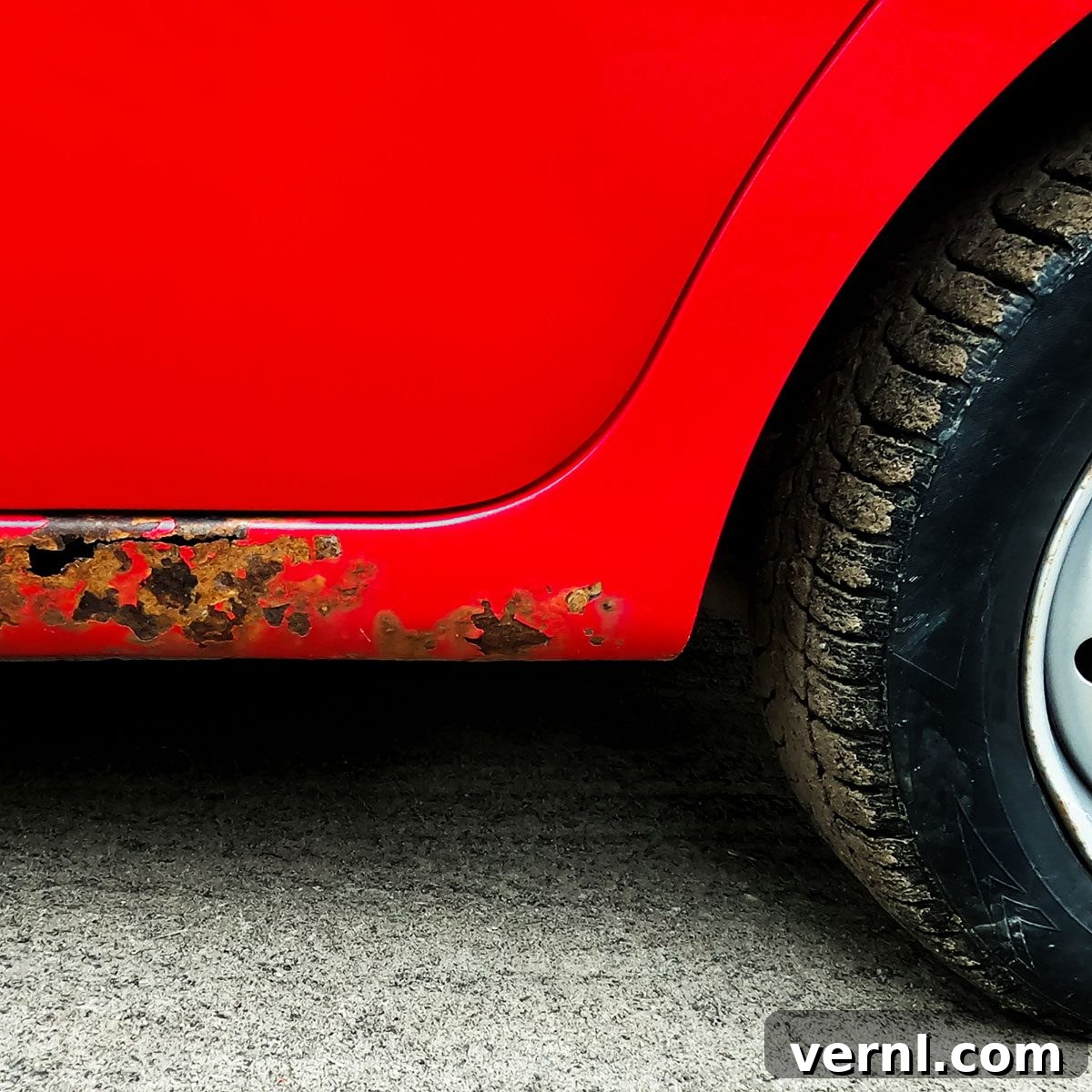
The Unseen Battle: Understanding, Preventing, and Reversing Rust Formation
Rust. The very word conjures images of decay, weakening structures, and the slow, relentless march of corrosion. It’s the dreaded, unsightly reddish- or yellowish-brown flaky coating that wreaks havoc on your bike, tarnishes your shower curtain rod, and compromises the beauty of your iron patio furniture. From humble metal kitchen utensils to essential garden and workshop tools, rust’s pervasive presence is a common adversary. While we recognize its appearance all too well, truly understanding the science behind rust is the first crucial step toward effective prevention and remediation. This comprehensive guide will demystify the process of rust formation, equip you with robust prevention strategies, and provide actionable tips for reversing its destructive effects.
The Chemistry of Corrosion: Unraveling the Oxidation Reaction
At its core, rust is a specific form of corrosion that exclusively affects iron and its alloys, such as steel. Scientifically, rust is known as hydrated iron (III) oxide. Its formation is the result of a chemical process called oxidation, a redox (reduction-oxidation) reaction where iron atoms lose electrons. For rust to occur, three key components must be present and interact: iron, water, and oxygen.
Here’s a simplified breakdown of the reaction:
- Iron (Fe) acts as the anode: When iron comes into contact with an electrolyte (water, especially salty water), it begins to give up electrons and becomes an ion (Fe²⁺). This is the oxidation step.
- Oxygen (O₂) acts as the cathode: The electrons released by the iron are transferred to oxygen atoms, which then react with water to form hydroxide ions (OH⁻). This is the reduction step.
- The Formation of Rust: The iron ions (Fe²⁺) then react further with oxygen and water to form iron (III) oxide (Fe₂O₃), which then becomes hydrated (Fe₂O₃·nH₂O), forming the familiar flaky substance we call rust.
Essentially, this entire process represents the metal naturally returning to a more stable, unrefined state – akin to the iron ore from which it was originally extracted. The attractive force between oppositely charged iron and oxygen atoms drives this reaction, with iron willingly losing its electrons to oxygen. This electron transfer is the root cause of the visible flaky coating that diminishes the integrity and appearance of metal objects. For those interested in advanced rust removal, electrolysis offers a powerful method for reversing this process by forcing electrons back into the metal.
Accelerating Factors: What Makes Rust Worse?
While the basic trio of iron, water, and oxygen is necessary, several environmental factors can significantly speed up the rusting process, making certain items particularly vulnerable:
- Humidity and Moisture: The more pervasive and consistent the presence of water or high humidity, the faster rust will develop. Even microscopic amounts of moisture in the air are enough to initiate corrosion over time.
- Salinity: Salt acts as an excellent electrolyte, drastically increasing the conductivity of water and accelerating the electrochemical reactions involved in rusting. This is why coastal areas, road salt in winter, and marine environments are notorious for rapid corrosion.
- Acidity: Acidic environments, whether from acid rain, industrial pollutants, or certain cleaning agents, can erode protective layers on metal surfaces, exposing the underlying iron to oxidation and speeding up the process.
- Temperature Fluctuations: Changes in temperature can cause condensation to form on metal surfaces, introducing the necessary moisture for rust. High temperatures can also accelerate chemical reactions.
- Chemical Exposure: Certain chemicals can directly react with metal surfaces or create an environment conducive to faster oxidation.
- Scratches and Damage: Any scratch or abrasion that exposes the bare iron beneath a protective coating (like paint or galvanization) creates an immediate vulnerability for rust to begin.
- Dissimilar Metals: When two different types of metal are in contact in the presence of an electrolyte, galvanic corrosion can occur, where the more active metal (like iron) corrodes preferentially.
Understanding these accelerators highlights why leaving items like bikes or gardening tools outside exposed to the elements instead of stored safely in a garage or shed is a recipe for disaster. The constant exposure to humidity, rain, and temperature shifts creates an ideal breeding ground for rust.
Proactive Protection: Comprehensive Rust Prevention Strategies
The most effective strategy against rust is prevention. Since the interaction of iron, water, and oxygen is the catalyst for corrosion, the primary goal is to keep these three elements separate. Here’s how you can implement robust prevention strategies:
- Proper Storage: Always store metal items in a dry, low-humidity environment when not in use. Basements, sheds, and garages can be prone to humidity; consider using dehumidifiers or desiccant packets in storage areas. Crucially, ensure items are completely dry before storing them away. Any residual moisture can initiate rust even in seemingly dry conditions.
- Protective Coatings:
- Paints and Primers: A high-quality rust-inhibiting primer followed by a durable topcoat of paint creates an excellent barrier against moisture and oxygen. Ensure the surface is clean and dry before application. Learning to paint rusted metal correctly is vital for long-lasting protection.
- Oils and Waxes: For tools, machinery, and automotive parts, a thin layer of oil or wax can provide a protective barrier. Regular application, especially after use or cleaning, is essential. Spray-on wax and oil coatings are convenient for many items.
- Grease: For moving parts or areas subject to friction, applying grease provides both lubrication and a rust-preventative seal.
- Galvanization: This industrial process involves coating steel with a layer of zinc, which acts as a sacrificial anode. If the zinc coating is scratched, it will corrode before the underlying steel, providing superior protection.
- Regular Cleaning and Maintenance: Keep metal surfaces clean, especially after exposure to moisture, dirt, or chemicals. Immediately wipe down and dry items that have been wet. Regularly inspect items for any signs of surface rust or damage to protective coatings, addressing them promptly before they worsen.
- Material Selection: Where possible, choose rust-resistant materials. Stainless steel, for example, contains chromium, which forms a passive, protective layer of chromium oxide that prevents further corrosion. Aluminum and plastics are also excellent non-corroding alternatives for many applications.
- Humidity Control: In enclosed spaces, consider using dehumidifiers to keep ambient humidity levels low, especially for valuable tools or stored equipment.
By integrating these preventative measures into your routine, you can significantly extend the lifespan and preserve the appearance of your metal belongings. Remember, a little proactive effort goes a long way in the fight against rust. For instances where you need to apply protective coatings, it’s useful to know how much time spray paint takes to dry to ensure proper curing and maximum protection.
Battling the Brown: Effective Rust Removal Techniques
Even with the best preventative measures, rust can sometimes appear. The good news is that rust formation is a reversible process, especially if caught early. There are various methods, from simple household remedies to more robust chemical solutions, to tackle rust. Always wear appropriate safety gear, such as gloves and eye protection, and ensure good ventilation when using chemical removers.
Mild Rust Removal: Natural and Household Solutions
For light to moderate rust, acidic household products can be surprisingly effective:
- Lemon Juice (Citric Acid): The citric acid in lemon juice is a mild but effective rust dissolver. Apply undiluted lemon juice to the rusted area, letting it sit for several hours or even overnight. For tougher spots, sprinkle salt on the rust before applying lemon juice, as the salt acts as a mild abrasive. Scrub with a stiff brush or steel wool afterward.
- Vinegar (Acetic Acid): White vinegar, with its acetic acid content, works similarly to lemon juice. Soak smaller rusted items directly in a bowl of vinegar for several hours or overnight. For larger items, douse a cloth in vinegar and wrap it around the rusted area. Scrub the loosened rust away, rinse thoroughly, and dry immediately. While tackling this, you might also want to learn how to treat garage door rust, which often benefits from similar acidic treatments followed by protective coatings.
- Potatoes and Oxalic Acid: Surprisingly, a potato can be a secret weapon against rust, particularly for knives or small tools. The Farmers’ Almanac suggests a clever method: “Sprinkle a little salt or baking soda onto the potato and then rub it over the rust spot, or just insert the knife into a potato and let it sit. The oxalic acid in the potato helps to dissolve the rust.” The abrasive nature of salt or baking soda combined with the acid significantly boosts its effectiveness.
- Baking Soda Paste: Mix baking soda with a small amount of water to form a thick paste. Apply the paste to the rusted area and let it sit for several hours. The mild abrasive nature of baking soda, combined with its ability to react with certain rust compounds, helps to lift the rust. Scrub off with a brush, rinse, and dry.
More Robust Rust Removal: Mechanical and Chemical Approaches
For heavier rust, more aggressive methods may be required:
- Wire Brushes and Sanding: For robust metal items, mechanical removal using wire brushes (manual or drill-mounted), sandpaper (starting with coarse grit and moving to fine), or grinding tools can physically abrade away rust. This method is effective but can remove some of the underlying metal, so use it judiciously.
- Commercial Rust Removers: Various chemical rust removers are available, often containing stronger acids (like phosphoric acid or oxalic acid) or chelating agents. Always follow the manufacturer’s instructions carefully, as these products can be corrosive and require proper ventilation and protective gear. They typically convert rust into a more stable compound or dissolve it.
- Electrolysis: As mentioned earlier, electrolysis is a highly effective method for completely removing rust, especially from larger or intricate metal objects without damaging the base metal. It involves immersing the rusted item in an electrolyte solution and passing a low electrical current through it, reversing the oxidation process. Learn how to remove rust with electrolysis for a detailed guide.
Post-Removal Protection
After successfully removing rust, the exposed metal surface is highly vulnerable to re-rusting. It is imperative to clean the item thoroughly, dry it completely, and then apply a protective coating immediately. This could be a rust-inhibiting primer and paint, oil, wax, or grease, depending on the item and its intended use. For items destined for painting, we have some bonus tips for you on prepping rusty metal for paint to ensure a smooth, long-lasting finish.
Beyond the Surface: Long-Term Rust Management
Successfully managing rust is an ongoing commitment. It’s not just about removing the visible signs but about implementing habits that deter its return. Regularly inspecting your metal possessions, from your garden tools to your vehicle, can make a significant difference. Small rust spots are much easier to treat and prevent from spreading than extensive corrosion. For example, if you notice rust spots on your car, addressing them promptly is crucial to prevent structural damage and maintain its aesthetic appeal. Here’s how to repair rust on a car before it becomes a major problem.
From the science of oxidation to practical prevention and removal, a comprehensive understanding of rust empowers you to protect your investments and keep your metal items looking and performing their best. With the right knowledge and tools, you can win the battle against corrosion and ensure your belongings stand the test of time.
And don’t forget, rust isn’t just an outdoor problem. It can also affect your home’s infrastructure. Here’s how to remove rust from concrete surfaces, which often occurs from metal furniture or tools left on driveways and patios, ensuring your entire property remains pristine.