
Embarking on a bathroom remodel is a significant undertaking, whether you choose the challenge of a DIY project or opt for the expertise of professional contractors. While the process can often feel daunting, fraught with decisions from design aesthetics to material choices and budget constraints, the rewards of a well-executed renovation are immeasurable. A thoughtfully updated bathroom not only enhances your daily living experience but also significantly boosts your home’s overall value and appeal. To ensure your investment yields lasting satisfaction, meticulous planning and a clear understanding of best practices are essential. Beyond the fundamental steps of setting a realistic budget and timeline, there are numerous critical considerations. This comprehensive guide delves into the essential dos and don’ts of a bathroom remodel, providing insights to help you navigate the journey successfully and avoid common pitfalls.
What You Should Do: Paving the Way for a Perfect Bathroom Remodel
1. Choose the Right Surfaces for a Bathroom
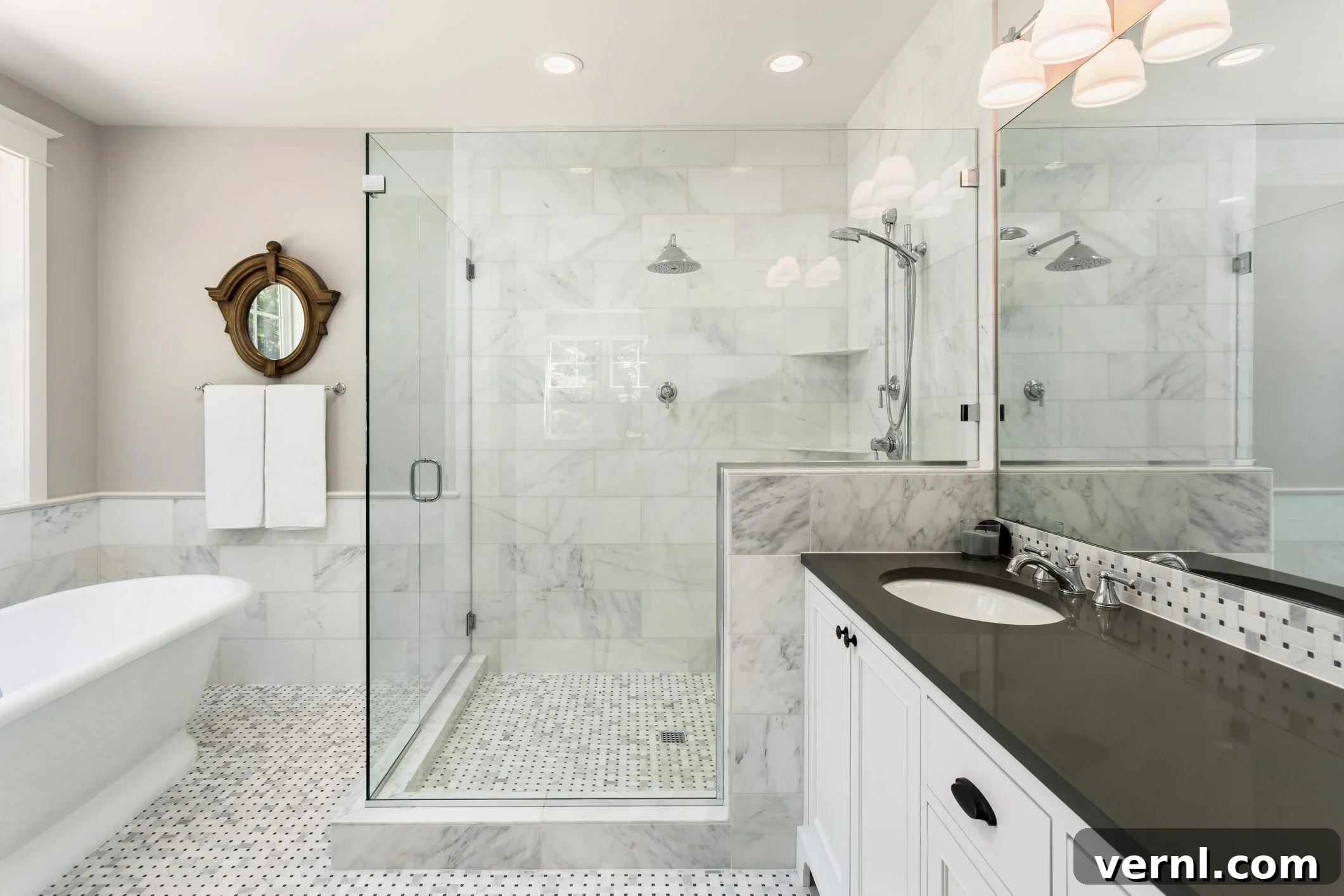
The selection of surfaces is paramount in a bathroom remodel, extending beyond mere aesthetics to crucial functionality and longevity. These materials must not only complement your desired design but also withstand the unique challenges of a high-moisture environment. Porcelain tile stands out as a consistently popular choice among designers for its exceptional versatility and resilience. Ideal for bathroom flooring, walls, and even bathroom sinks, porcelain is highly resistant to staining, bacterial growth, and odors, making it an incredibly hygienic and low-maintenance option. Its dense, non-porous nature makes it virtually impervious to water damage, a critical factor in bathrooms.
Beyond porcelain, other excellent options include ceramic tile, which offers similar benefits at a slightly lower cost, and natural stone like marble or granite, which provide unparalleled luxury but require more diligent sealing and maintenance. For countertops, quartz and solid surface materials offer durability and resistance to moisture and stains. When selecting flooring, consider materials like luxury vinyl plank (LVP), which mimics the look of wood or stone while offering superior water resistance and comfort underfoot. A practical tip for any tiled surface is to opt for larger format tiles. This not only creates a more expansive and modern aesthetic but also significantly minimizes the number of grout lines, making cleaning and long-term upkeep considerably easier.
2. Remember to Follow All Local Building Codes and Have Inspections Done
Ignoring local building codes and skipping necessary inspections during a bathroom remodel, especially for DIY enthusiasts, is a risky shortcut that can lead to severe consequences. While the associated permits and inspection fees might seem like an unnecessary expense, they are crucial for ensuring the safety, legality, and structural integrity of your renovation. Faulty wiring, improper ventilation, or incorrectly installed plumbing can result in dangerous situations such as electrical fires, persistent mold growth, or catastrophic water leaks that damage ceilings and structural elements. Beyond immediate dangers, non-compliant renovations can cause significant issues during home resale, potentially deterring buyers or leading to costly remediation requirements. Furthermore, your home insurance policy might not cover damages resulting from unpermitted work.
When you hire a licensed and reputable contractor, they typically manage the entire permit acquisition and inspection process, possessing the necessary knowledge of local regulations and the expertise to ensure all work meets code. For DIY projects, it is imperative to research and understand your local municipality’s requirements before starting any demolition or construction. Obtaining permits ensures that your project adheres to safety standards, protects your investment, and provides peace of mind that your renovated bathroom is safe and up to code for years to come.
3. Remember to Add Ample Storage Solutions
In the excitement of designing a luxurious walk-in shower or an expansive vanity, it’s easy to overlook one of the most practical and essential elements of any bathroom: storage. Sacrificing adequate storage space in favor of other features is a decision you will likely regret down the line. A cluttered bathroom can quickly diminish the appeal of even the most beautiful design. When meticulously planning your bathroom remodel, dedicate significant thought to where you will store all your bathroom essentials, from towels and linens to toiletries, cleaning supplies, and first-aid items.
Consider a variety of storage solutions: deep vanity drawers and cabinets offer discreet storage for smaller items, while wall-mounted medicine cabinets with integrated mirrors provide convenient access. Built-in linen closets, if space allows, are invaluable for towels and bulkier items. For smaller bathrooms, consider floating shelves, recessed niches within shower walls, or tall, narrow storage towers that maximize vertical space without encroaching on floor area. Smart storage solutions contribute significantly to a bathroom’s functionality and maintain its organized, serene atmosphere.
4. Define Your Style and Functionality Needs
Before you even think about tile samples or fixture finishes, take time to define the aesthetic style you desire and, crucially, how you need the bathroom to function. Is your vision a sleek, modern oasis, a cozy farmhouse retreat, a timeless traditional space, or a minimalist sanctuary? Gather inspiration from magazines, websites, and showrooms to hone your preferences. More importantly, consider who will be using the bathroom and their specific needs. Is it a bustling family bathroom, a tranquil master en-suite, or a compact powder room? Do you need features for aging in place, such as grab bars, a curbless shower, or a comfort-height toilet? Thinking about these functional requirements early in the planning process will guide your design choices, ensuring the finished space is not only beautiful but also perfectly suited to your lifestyle.
5. Set a Realistic Budget and Stick to It
While mentioned briefly in the introduction, emphasizing the budget is paramount. A comprehensive and realistic budget is the backbone of any successful remodel. It’s not enough to just have a number in mind; you need to break down costs meticulously. Allocate funds for major categories such as labor, materials (tiles, countertops, fixtures), plumbing, electrical work, demolition, permits, and unexpected contingencies (always factor in 10-20% for unforeseen issues). Research average costs in your area for similar projects to get a baseline. Be prepared to make compromises if certain design elements exceed your financial limits. Prioritize areas where quality is non-negotiable (like plumbing and waterproofing) and consider saving on less critical items. Sticking to your budget requires discipline and continuous tracking, but it prevents financial stress and ensures the project remains viable.
What You Shouldn’t Do: Avoiding Common Bathroom Remodel Pitfalls
1. Move Fixtures Unless Absolutely Necessary
One of the most significant cost drivers in a bathroom remodel is relocating existing plumbing fixtures. Moving the toilet, sink, or shower to a different part of the room can drastically inflate your budget, sometimes tripling plumbing costs, as highlighted by Nick Schiffer, owner of NS Builders, in an interview with Architectural Digest. This is because it requires extensive work to reroute water supply lines, drainage pipes, and waste vents within walls and floors. Such alterations demand the expertise of a licensed plumber and often necessitate opening up walls, which adds to labor and material costs for patching and finishing.
Unless you are dealing with a severely challenging, cramped, or dysfunctional layout that absolutely mandates a change for improved flow or accessibility, it’s generally best to work within the existing plumbing footprint. Strategic layout planning around current pipe locations can save you a substantial amount of money, which can then be allocated to higher-quality finishes or other desirable features. Always consult with a professional if you’re considering moving fixtures to understand the full scope and cost implications.
2. Forget About Proper Ventilation and Lighting
Overlooking adequate ventilation and effective lighting can compromise both the comfort and longevity of your new bathroom. A bathroom is inherently a wet environment, and without proper ventilation, moisture quickly accumulates. This creates a prime breeding ground for mold and mildew, which not only poses health risks but also takes a significant toll on your beautiful new finishes, paint, and surfaces, leading to premature deterioration. Ensure the space is equipped with an exhaust fan that is appropriately sized for the room’s volume (measured in CFM – Cubic Feet per Minute) and vented directly to the outdoors, not into the attic.
Equally important is a well-designed lighting scheme. A single ceiling fixture is rarely sufficient. Aim for layered lighting:
- Ambient Lighting: A primary ceiling fixture (e.g., a flush mount or recessed lights) provides general illumination for the entire room.
- Task Lighting: Essential around the vanity area for grooming. Sconces mounted on either side of the mirror or an overhead light bar specifically designed for task lighting minimize shadows and provide clear, even illumination.
- Accent Lighting: Consider adding dimmable recessed lights in the shower or a decorative fixture to highlight architectural features or artwork, enhancing the mood and aesthetic.
Dimmers are an excellent addition for creating different atmospheres and saving energy. Furthermore, maximize natural light where possible with windows or skylights, ensuring privacy is maintained.
3. Be Too Distracted by Fleeting Trends
While it’s tempting to incorporate the latest design trends into your bathroom remodel, an overreliance on current fads can lead to a quickly outdated space. When planning, think about the long term and the enduring appeal of your design choices. Trends come and go rapidly, and what’s popular today might look dated in just a few years, forcing another costly renovation sooner than desired. Instead of committing to trendy elements for permanent fixtures like tile, flooring, or cabinetry, opt for classic, timeless designs that provide a neutral and sophisticated backdrop. Materials like white subway tile, natural wood tones, and classic chrome or brushed nickel fixtures have proven staying power.
You can incorporate trends through easily replaceable elements such as paint colors, accessories, towels, shower curtains, artwork, or even a trendy mirror or lighting fixture. These smaller, less expensive items allow you to update the bathroom’s look with minimal effort and cost as your tastes evolve or new trends emerge. Focus on practical, durable fixtures and a foundational design that won’t lose its appeal in the next few years, ensuring your bathroom remains stylish and functional for decades. Here are some tips and tricks to replace a towel bar on tiles if you decide to update smaller elements.
4. Compromise on Quality for Cost Savings
In an effort to stay within budget, it’s common to look for ways to cut costs. However, compromising on the quality of essential materials and professional labor can be a false economy. Cheap fixtures, low-grade plumbing components, or inexperienced contractors might offer initial savings but often lead to costly repairs, replacements, and headaches down the road. For instance, investing in high-quality waterproof membranes and proper installation behind shower tiles is far more critical than saving a few dollars on decorative trim. Likewise, durable, well-made faucets and showerheads will outperform and outlast their cheaper counterparts, preventing leaks and functional issues.
Prioritize quality where it matters most: the structural integrity, water resistance, and functionality of your bathroom. Allocate your budget wisely, investing in a reputable contractor, licensed plumbers and electricians, and high-quality materials for critical components. You can save money on less crucial elements, but never at the expense of safety, durability, or long-term performance.
5. Underestimate the Project Timeline
Bathroom remodels rarely adhere to a perfectly smooth schedule, and underestimating the timeline is a common mistake. Delays can stem from various sources: unexpected structural issues discovered during demolition, material lead times, contractor scheduling conflicts, permit processing delays, or even personal indecision on finishes. A realistic timeline accounts for these potential setbacks and builds in buffers. Work closely with your contractor to establish a detailed project schedule that outlines each phase, from demolition to final walk-through. Be prepared for your bathroom to be out of commission for longer than anticipated, and plan accordingly for alternative arrangements (e.g., showering at a different bathroom or a friend’s house). Effective communication with your team and patience are key to managing expectations and minimizing stress throughout the renovation process.
By adhering to these essential dos and don’ts, you can transform your bathroom remodel from a source of stress into an exciting and rewarding journey. With careful planning, smart choices, and a focus on both aesthetics and functionality, your new bathroom will be a beautiful, durable, and highly functional space that enhances your home and lifestyle for years to come.