
Welcome to New Homeowner Bootcamp, Family Handyman’s essential guide for mastering homeownership. Navigating your home’s systems, from understanding crucial post-purchase tasks to implementing money-saving maintenance and smart upgrades, is key to achieving ultimate comfort and maximizing your property’s value. Today, we’re diving deep into one of the most vital components for any modern home: central air conditioning.
Have you ever wondered about the magic behind a consistently cool and comfortable home, especially during scorching summer months? That magic often comes from a central air conditioning system. While this heating and cooling solution is now a cornerstone for regulating a home’s temperature, it didn’t become widely common until the 1970s. This means a significant number of homes, particularly older ones, may not have it, leaving many homeowners constantly exploring upgrade options. If you’re considering investing in central air, looking to replace an old unit, or simply curious about how your existing system works, you’ve come to the right place. This comprehensive guide will walk you through the basics of central air, its crucial components, how to select a system perfectly suited for your home’s unique needs, and essential tips for maintenance and longevity.
Mastering Your Home’s Climate: A Comprehensive Guide to Central Air Conditioning
How Does Central Air Conditioning Work to Keep Your Home Cool and Comfortable?
A central air conditioner operates on a simple yet highly effective principle: it cools air in one central location and then efficiently distributes that conditioned air throughout your entire home using a network of fans and ducts. When integrated with your home’s furnace, this combined system is commonly referred to as “forced air,” providing both heating and cooling capabilities from a single distribution system. Unlike room air conditioners, such as window units or ductless mini-splits, which only cool the immediate vicinity, a central AC system ensures uniform temperature and consistent comfort across all living spaces.
At its core, a central air conditioning unit functions by facilitating a continuous heat exchange process. It doesn’t “create” cold air; rather, it actively removes heat and humidity from your indoor environment and releases it outside. This critical process relies on a chemical refrigerant that cycles through several key components:
- Evaporator Coil: Located inside your home, typically above the furnace in the indoor air handler, this coil absorbs heat from the warm indoor air. The refrigerant inside the coil changes from a low-pressure liquid to a low-pressure gas (vapor) as it absorbs this heat.
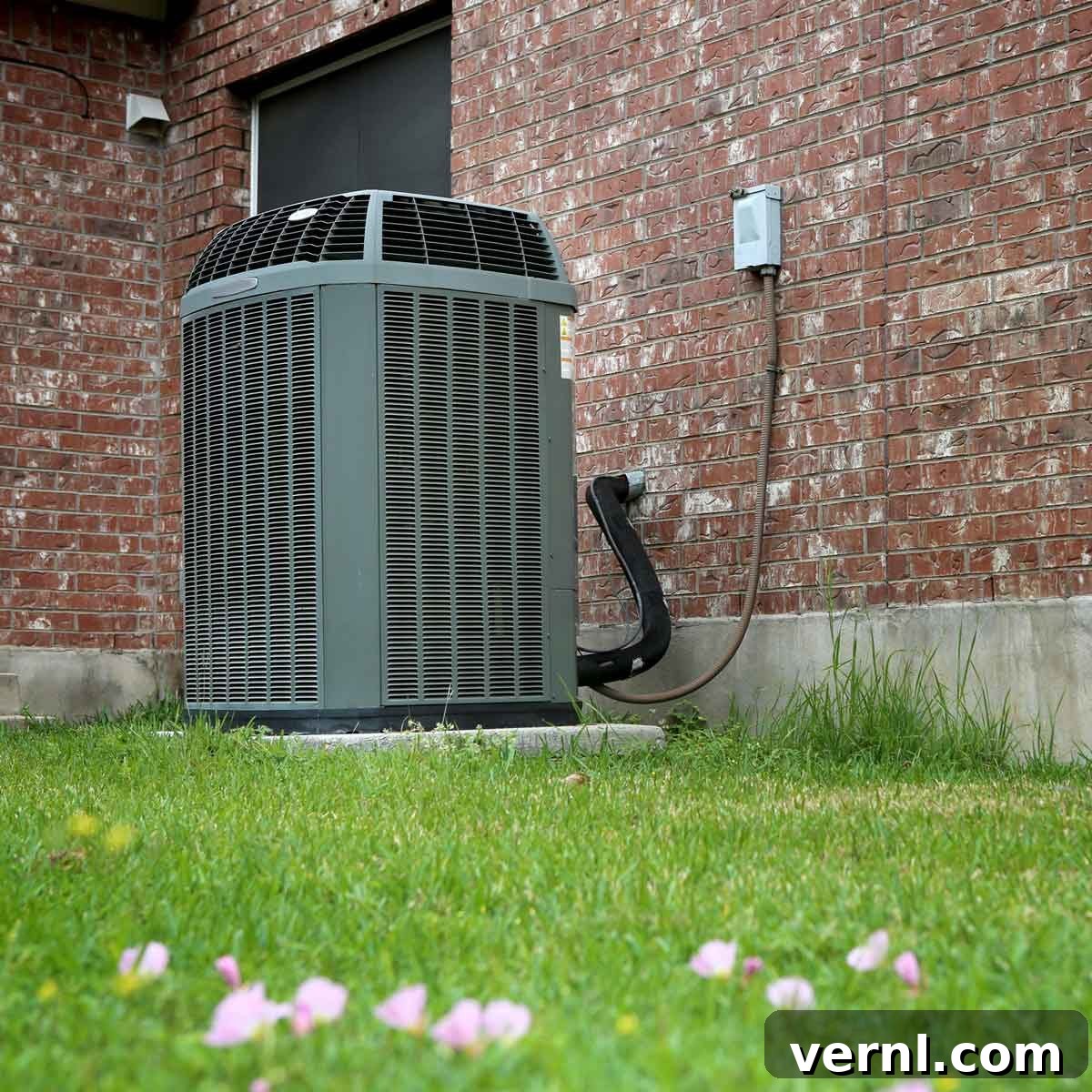
- Compressor: Situated in the outdoor unit (condenser), the compressor is the powerhouse of the system. It raises the temperature and pressure of the refrigerant vapor, moving it to the condenser coil.
- Condenser Coil: Also located in the outdoor unit, this coil releases the heat from the high-pressure, high-temperature refrigerant vapor into the cooler outside air. As it cools down, the refrigerant turns back into a high-pressure liquid.
- Expansion Valve: This component depressurizes the liquid refrigerant, preparing it to enter the evaporator coil again, thus completing the cycle and allowing it to absorb more heat from your home.
- Blower Fan: Part of your indoor air handling unit, this powerful fan draws warm indoor air over the evaporator coil and then pushes the newly cooled, dehumidified air through the extensive ductwork system into your rooms.
- Ductwork: A network of insulated metal or flexible tubes that efficiently carry conditioned air from the air handler to various supply registers throughout your home, simultaneously returning warmer air through return vents back to the system for cooling.
- Thermostat: Serving as your command center, the thermostat meticulously monitors indoor temperature and signals the AC unit when to turn on or off to maintain your desired climate settings.
This continuous cycle ensures that your home remains consistently cool, wonderfully comfortable, and significantly less humid, creating a healthier and more pleasant living environment, especially during peak summer heat.
Understanding the Types of Central Air Conditioning Systems for Your Home
Heating and cooling terminology can often be a source of confusion, as many terms carry different meanings for professionals and homeowners alike. For instance, while evaporative coolers or geothermal units also cool air centrally and distribute it throughout a home, they typically aren’t categorized as “central air conditioners” in the traditional sense, as they don’t use refrigerant. When we discuss central air conditioning, we’re primarily referring to closed-loop, refrigerant-based systems that circulate and condition the interior air of your home.
These essential cooling systems generally come in two primary configurations:
- Split Systems: The “classic” and most common central air conditioner, a split system is prevalent in U.S. homes. It consists of two main units:
- An outdoor unit housing the compressor and condenser coil.
- An indoor unit containing the evaporator coil and air handling unit, often neatly integrated with your existing furnace. This design efficiently utilizes the same blower and ductwork for both heating and cooling, making it a highly popular and economical choice for homes already equipped with a forced-air furnace.
- Packaged Systems: These units are designed to be more compact and self-contained, encasing all the central air conditioning components (compressor, condenser, evaporator) and the air handling unit within a single cabinet. Packaged units are typically located outside the home, either on a concrete slab beside the house or on the roof. They can also be conveniently combined with a furnace or heat pump, making them an excellent all-in-one solution for homes with limited indoor utility space or those requiring a simpler, consolidated installation.
Another related system worth mentioning, especially for year-round climate control, is a Heat Pump. While technically a central air conditioning system that uses refrigerant, heat pumps offer the added benefit of providing both highly efficient heating and cooling. They work by moving heat, either into or out of the house, depending on the season, making them a versatile and energy-efficient option for comprehensive climate control in many regions.
Choosing the Right Central Air Conditioner for Optimal Home Comfort and Efficiency
Selecting a new central air conditioning system is a significant investment that profoundly impacts your comfort, energy bills, and home value for many years to come. To ensure you make the best decision, several primary factors must be meticulously considered, including efficiency, functionality, and proper sizing, alongside brand reputation, warranty coverage, and even noise levels.
- Efficiency Ratings (SEER, EER, and Beyond):
Efficiency is arguably the easiest factor to quantify and one of the most impactful on your long-term operating costs. All central air conditioners are rated with a Seasonal Energy Efficiency Ratio (SEER). The higher the SEER, the more energy-efficient the AC unit, meaning it can provide the same amount of cooling using significantly less electricity. Modern AC units have minimum SEER ratings (currently SEER2, which updated SEER standards in 2023 for improved real-world performance measurement). While a higher SEER unit often comes with a greater upfront cost, the exact savings you’ll realize depend heavily on your usage patterns, local climate, and electricity rates. Investing in a high-efficiency unit can lead to substantial long-term energy bill reductions and potentially qualify for local or federal rebates and tax credits, further offsetting the initial investment.
Another important rating is the Energy Efficiency Ratio (EER), which measures efficiency at a specific, consistent outdoor temperature (typically 95°F). For climates with consistently high summer temperatures, EER can be a better indicator of how efficiently a system will perform during peak demand periods.
- Functionality and Smart Controls for Modern Living:
The functionality and user experience of your central air system are largely dictated by your thermostat. In today’s smart home era, upgrading to a smart thermostat offers unparalleled convenience, control, and potential energy savings. These advanced devices integrate seamlessly with your smartphone or virtual voice assistant, allowing you to adjust settings remotely, create customized schedules, monitor energy usage, and even learn your preferences over time to optimize comfort automatically. Beyond basic smart features, consider advanced options such as motion sensors or remote temperature sensors. These technologies enable your HVAC system to perceive your home as a comprehensive unit, rather than just the room where the thermostat is located, optimizing cooling for occupied areas and enhancing overall comfort and efficiency. Some sophisticated systems also offer “zoning” capabilities, allowing you to control temperatures independently in different areas or rooms of your home, further reducing energy waste by not cooling unused spaces.
- Crucial System Sizing for Optimal Performance:
Sizing is perhaps the most critical, yet often most complex, aspect of choosing the right air conditioner. An AC unit that is too small for your home will struggle to cool adequately, running constantly without ever reaching the desired temperature. This leads to excessive wear and tear on components, higher energy bills, and, crucially, inadequate dehumidification, leaving your home feeling clammy. Conversely, a unit that is too large will cool your house too quickly, turning off before it completes a full cooling and dehumidifying cycle. This phenomenon, known as “short cycling,” leaves excess humidity in the air, making your home feel muggy and less comfortable, even at cooler temperatures. It also significantly increases energy consumption and accelerates wear on the compressor, leading to a shorter lifespan for the unit.
A perfectly-sized air conditioner will efficiently cool your house to the desired temperature, effectively remove humidity, and then cycle off until needed again. This complete cycle is the key to both optimal comfort and lowering your energy bills and extending the unit’s lifespan.
Accurate sizing is complex and goes far beyond simply calculating square footage. A qualified HVAC professional will perform what’s known as a Manual J calculation. This comprehensive assessment considers numerous variables specific to your home and local climate, including:
- The geographic region and average temperatures where you live.
- Your home’s total square footage and ceiling height.
- The AC unit’s SEER rating.
- The type, R-value, and quality of your home’s insulation (walls, attic, crawl space).
- The number, size, and type of windows and doors, and their orientation relative to the sun.
- The level of sun exposure and shading your home receives throughout the day.
- The number of occupants and typical internal heat sources (such as major appliances, lighting, and electronics).
While online calculators can offer rough estimates based on square footage, they cannot account for these crucial nuances that dramatically impact cooling load. Your best and most reliable approach is to consult with a reputable HVAC installer near you who can perform a detailed Manual J calculation and recommend the ideal system size.
- Brand Reputation and Comprehensive Warranty:
Investigate reputable brands known for their quality, reliability, and robust customer service. A strong warranty indicates a manufacturer’s confidence in their product. Pay close attention to both parts and labor warranties, as installation errors can sometimes cause issues not covered by the manufacturer’s equipment warranty. A good installer will also confidently back their workmanship with a separate labor warranty.
- Noise Levels for Peaceful Living:
Consider the operating noise level, especially for outdoor units that might be near patios, decks, or bedrooms. Manufacturers often provide decibel ratings (dB) for their units; lower numbers indicate quieter operation, contributing significantly to a more peaceful and undisturbed home environment.
Central Air Conditioning Cost and the Importance of Professional Installation
The cost of installing a central air conditioning system can vary significantly, influenced by the size and type of your home, the extent of any existing air ducts, and the specific unit chosen. For homes already equipped with a forced-air furnace and existing ductwork, the upgrade is often more straightforward and less costly since much of the necessary infrastructure is already in place. However, older homes with radiator heating or electric floorboard heat will require extensive new ductwork installation, which adds considerably to the overall project cost and complexity.
On average, homeowners can expect a new central air conditioner to cost between $4,000 and $7,000 for the unit and professional installation. This range can increase substantially for larger homes, higher-efficiency units, or complex installations involving new ductwork, structural modifications, or advanced zoning systems. It’s always advisable to obtain multiple detailed quotes from different licensed HVAC contractors to compare pricing, services, and proposed equipment.
While the idea of a DIY air conditioning installation might appeal to experienced homeowners looking to save money, it is almost always best left to a licensed and certified professional. Installing a central AC system requires a diverse set of specialized skills, including in-depth knowledge of electrical wiring, safe refrigerant handling (which is regulated and requires specific certifications), precise ductwork design and sealing, and meticulous system calibration. Improper installation can lead to a host of significant and costly problems, including:
- Reduced Efficiency: An incorrectly installed system will not operate at its advertised efficiency, leading to unnecessarily higher energy bills.
- Premature Breakdown: Components can wear out faster and fail earlier if the system is not properly balanced, charged, or aligned.
- Voided Warranties: Most reputable manufacturers will void a warranty if the unit is not installed by a certified professional, negating your protection.
- Safety Hazards: Improper electrical and refrigerant handling poses serious risks of injury, fire, or environmental damage if not done correctly.
- Suboptimal Comfort: Issues like poor airflow, uneven cooling, or persistent humidity can result from flawed ductwork design or improper sizing.
- Code Violations: Professional installers ensure all work complies with stringent local building codes and regulations, preventing future headaches or fines.
Hiring a licensed and insured professional ensures that the installation complies with all local building codes, is performed safely and correctly, and is meticulously optimized for maximum efficiency, comfort, and longevity. They can also guide you through potential government rebates or incentives for energy-efficient systems, maximizing your overall savings.
Central Air Warranties, Essential Maintenance, and Repair Strategies
A new central air conditioner is a substantial, long-term investment designed to last approximately 15 to 20 years with diligent and proper care. To protect this investment for decades, it’s crucial to select a reputable manufacturer that offers robust warranties on its equipment and, equally important, to choose an installer who stands confidently behind their workmanship and will be readily available to assist with any potential mechanical or electronic issues that may arise over time.
Proactive Maintenance: The Undeniable Key to Longevity, Efficiency, and Air Quality
Most central air systems are relatively low maintenance on a daily basis, but consistent preventative care is paramount for optimal performance, peak efficiency, and significantly extending the lifespan of your unit. The easiest, most important, and most frequent maintenance item you can perform as a homeowner is regularly changing the air filter. A dirty filter severely restricts airflow, forcing your system to work harder, which wastes energy, reduces cooling capacity, and can ultimately lead to premature breakdowns. Depending on the filter type (e.g., disposable pleated, washable electrostatic), household conditions (e.g., presence of pets, number of occupants, allergy sensitivities), and local air quality, a filter may need to be changed every one to six months. Consider using filters with a higher MERV (Minimum Efficiency Reporting Value) rating for improved indoor air quality, but always ensure your specific system can handle the increased airflow resistance without strain.
Beyond routine filter changes, other essential maintenance tasks include:
- Cleaning the Exterior Condenser Unit: Annually, or more often if needed, meticulously clear away any debris, leaves, grass clippings, or vegetation from around the outdoor unit. Gently rinse the condenser coils with a garden hose to remove accumulated dirt and dust, ensuring unobstructed airflow for efficient heat exchange.
- Inspecting and Cleaning the Interior Duct System: Over time, dust, allergens, pet dander, and even mold can accumulate within your ductwork. While not an annual task, periodic inspection and professional duct cleaning can significantly improve indoor air quality, enhance system efficiency, and reduce allergens.
- Checking the Evaporator Coil: This indoor coil can accumulate dirt and grime over time, significantly reducing its ability to absorb heat efficiently. A professional HVAC technician can thoroughly clean it during an annual tune-up.
- Ensuring Clear Condensate Drain Lines: These critical lines remove humidity collected by the evaporator coil. If they become clogged with algae or debris, they can cause water leaks, excess indoor humidity, and potential water damage. Periodically check for blockages and clear with a wet/dry vac or a mild vinegar solution if accessible and safe to do so.
The Invaluable Role of Professional Tune-Ups and Expert Repair
In addition to diligent homeowner maintenance, scheduling an annual professional tune-up is highly recommended and incredibly valuable. Expect to pay around $150 to $250 a year for these comprehensive service checks, an investment that typically pays for itself in energy savings and extended unit life. During a thorough tune-up, a qualified HVAC technician will:
- Check and optimize refrigerant levels and pressure.
- Clean and meticulously inspect coils (both evaporator and condenser).
- Lubricate moving parts to reduce friction and wear.
- Inspect and tighten all electrical connections and components.
- Check and calibrate the thermostat for accurate temperature control.
- Examine the condensate drain for clogs and ensure proper drainage.
- Measure airflow and make necessary adjustments for optimal distribution.
- Inspect overall system operation and identify any potential issues before they become major problems.
These annual check-ups not only help prevent unexpected and costly breakdowns but also ensure your system operates at peak efficiency, saving you money on energy bills and significantly extending its operational life. They can also identify minor issues before they escalate into expensive and inconvenient repairs.
When repairs are needed, especially for complex issues involving refrigerants, electrical systems, or major component failures, always call a certified HVAC technician. Attempting DIY repairs on critical components can be dangerous, further damage your system, and potentially void your warranty. Trusting a professional ensures your system is fixed correctly, safely, and efficiently.
Common Central Air Conditioning Problems and Essential Troubleshooting Tips
Even well-maintained central air systems can occasionally encounter issues. Knowing some common problems and basic troubleshooting steps can help you identify when to call a professional or if it’s a simple fix you can handle.
- No Cool Air: First, check your thermostat settings to ensure it’s set to “cool” and the temperature is lower than the room’s current temperature. Inspect the circuit breaker; a tripped breaker can cut power to the unit. A severely dirty air filter is another frequent culprit, restricting airflow and preventing effective cooling. If these don’t resolve the issue, it could indicate a refrigerant leak, a failing compressor, or a problem with the outdoor fan, all of which require professional service.
- Weak Airflow: This often points directly to a clogged air filter or issues with the blower motor in your indoor unit. Ensure all supply and return vents throughout your home are open and unobstructed. Damaged, leaky, or improperly sealed ductwork can also significantly reduce airflow to certain rooms.
- Strange Noises: Any unusual noises should prompt attention. Hissing or gurgling sounds might indicate a refrigerant leak. Grinding or squealing could point to worn-out motor bearings. A sudden banging noise often suggests a loose or broken part within the unit. Any persistent or unusual noises warrant a professional inspection immediately.
- Leaking Water: Most commonly, water leaks around the indoor unit are due to a clogged condensate drain line, causing collected water to back up and overflow. You might be able to clear the drain line with a wet/dry vac or a mild vinegar solution (if accessible and safe to do so). If the leak persists, it could be a frozen evaporator coil, often caused by poor airflow (e.g., a dirty filter) or low refrigerant levels.
- Unit Constantly Running (Short Cycling): If your AC unit frequently turns on and off in short bursts, it’s “short cycling.” This often indicates an oversized unit, a dirty air filter, or low refrigerant levels. While a dirty filter is an easy fix, an oversized unit might require professional adjustment or system replacement, and low refrigerant necessitates a technician to find and fix the leak.
For any issue beyond a simple air filter change or thermostat adjustment, it’s always safest and most effective to contact a qualified HVAC technician. Their specialized expertise can accurately diagnose and efficiently resolve complex problems, ensuring your system operates safely, efficiently, and effectively for years to come.
Environmental Considerations and Future Trends in Central Air Conditioning
As technology continually advances and environmental awareness grows, so does the focus on the ecological impact of HVAC systems. Modern central air conditioners are increasingly designed to be more energy-efficient, significantly reducing electricity consumption and, consequently, lowering carbon emissions. The industry is also progressively moving away from refrigerants with high Global Warming Potential (GWP) towards more environmentally friendly alternatives, driven by international agreements and domestic regulations, ensuring a greener future for home cooling.
Future trends in central air conditioning point towards even smarter, more integrated, and environmentally conscious home climate control. Expect to see further exciting developments in:
- Variable-Speed Compressors: Offering superior energy savings, quieter operation, and enhanced comfort by precisely adjusting cooling output to match real-time demand rather than simply cycling on and off.
- Advanced Zoning Systems: More sophisticated controls allowing highly granular temperature management across individual rooms or designated zones, maximizing comfort and minimizing energy waste.
- IoT and AI Integration: AC systems that learn your preferences, anticipate your needs, and integrate seamlessly with other smart home devices and energy management platforms for ultimate convenience, efficiency, and predictive maintenance.
- Improved Refrigerants: Continued research, development, and widespread adoption of refrigerants with ultra-low environmental impact.
- Renewable Energy Integration: Systems designed to work more seamlessly with solar panels and other renewable energy sources, further reducing their carbon footprint.
Conclusion: Your Path to a Perfectly Cooled and Efficient Home
Central air conditioning is far more than just a luxury; it’s a fundamental component of modern home comfort, health, and overall quality of life. Understanding how these intricate systems work, the different types available, and the crucial factors involved in choosing the right one empowers you as a homeowner to make informed, confident decisions. From the indispensable importance of SEER ratings and smart thermostats to the vital role of proper sizing and professional installation, every detail contributes significantly to a system that delivers efficient, reliable, and consistent cooling for your entire home.
Remember, regular, proactive maintenance—especially timely air filter changes and annual professional tune-ups—is not merely about preventing inconvenient repairs; it’s about maximizing your system’s efficiency, extending its operational lifespan, ensuring optimal indoor air quality, and maintaining peak comfort. Embrace the comprehensive knowledge shared in this New Homeowner Bootcamp guide, and take confident, well-informed steps towards creating a perfectly cooled, comfortable, and energy-efficient home environment that you and your family will enjoy for many years to come.