Protecting your home from the damaging effects of water infiltration is paramount, and a properly functioning sump pump stands as your primary defense. However, even the most robust basement waterproofing systems can be compromised if critical components, such as the sump pump discharge pipes, are not adequately prepared for the unpredictable challenges of winter. A seemingly minor oversight in how these pipes are installed and maintained can escalate into a catastrophic basement flood, leading to extensive damage and costly repairs.
Last fall, I embarked on a seemingly straightforward home improvement task that, unbeknownst to me at the time, teetered on the brink of becoming a significant and expensive disaster. Following the installation of a comprehensive drain tile system in my basement the previous spring, the ongoing visual disruption caused by the ugly black extension hose protruding from my house had become an eyesore. Determined to improve my home’s curb appeal and functionality, I decided to bury a rigid pipe to discreetly carry the discharged water approximately 20 feet away, near a small rock garden. What began as an ambition for a neat, inexpensive solution quickly revealed a critical blind spot in my planning: the profound impact of freezing temperatures on buried pipes.
The Critical Role of Your Sump Pump and Drain Tile System
Before delving into the specifics of discharge pipe winterization, it’s essential to understand why a sump pump and its accompanying drain tile system are so vital. A drain tile system, typically installed around the perimeter of your basement foundation, collects groundwater that would otherwise seep through walls or floors. This collected water is then directed into a sump pit, where the sump pump activates to eject it away from your home’s foundation. This continuous process is crucial for preventing basement flooding, mitigating structural damage, and deterring the growth of hazardous mold and mildew. Without a reliable system, your basement is constantly vulnerable to moisture issues, especially during heavy rainfall or rapid snowmelt.
The Hidden Danger: Frozen Sump Pump Discharge Pipes
While the goal of moving water away from the foundation is clear, the method of achieving this, particularly in colder climates, is fraught with potential hazards. Many homeowners, myself included, are tempted to bury the discharge pipe to eliminate unsightly hoses and provide a more permanent solution. However, this convenience comes with a significant risk: the pipe freezing solid during winter months. When water sits stagnant in an underground pipe, especially one that isn’t properly sloped or installed below the frost line, it’s highly susceptible to freezing. This blockage creates an insurmountable barrier for your sump pump, preventing it from discharging water effectively.
The consequences of a frozen discharge pipe are severe and multifaceted. The pump, unable to expel water, continues to run, building up immense pressure. This sustained operation can lead to the pump overheating and ultimately burning out its motor, necessitating an expensive replacement. Furthermore, the back pressure can cause significant strain on various components of the system, including the check valve, potentially leading to leaks or complete failure. Most critically, with the primary discharge path blocked, the rising water in the sump pit has nowhere to go but back into your basement, resulting in substantial water damage, ruined possessions, and a lengthy, costly cleanup process.
My Almost-Fatal Oversight: A Lesson in Winter Preparedness
My initial design for extending the discharge system involved connecting the existing 1-1/2-inch sump pump pipe directly into a 4-inch pipe buried 1 to 2 feet underground. This seemed like a logical step to ensure efficient water flow and a tidy appearance. However, fate intervened in the form of a timely visit from my brother-in-law. Observing my trenching efforts, he posed a crucial question that instantly brought my project to a grinding halt: “What happens when those pipes freeze solid in the winter?” His simple query unveiled a massive oversight in my planning—a detail that could have transformed my basement into an indoor swimming pool.
At that moment, every potential solution I could conjure involved the terrifying scenario of water flooding my basement. I realized I had overlooked one of the most fundamental principles of outdoor plumbing in cold climates: the imperative to account for freezing temperatures. This interaction underscored the invaluable benefit of external perspectives and the wisdom of experience, especially when dealing with critical home systems.
The Ingenious Solution: The Air Gap Method
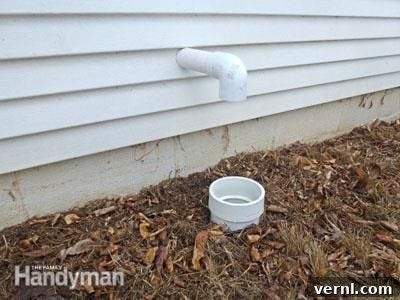
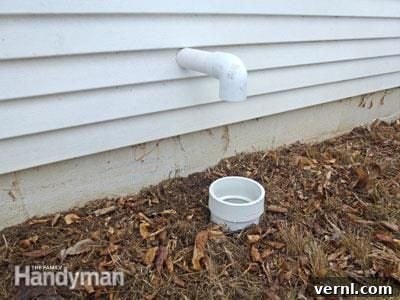
My brother-in-law, recalling a tip from a seasoned plumber who worked on his recently built home, explained a simple yet highly effective method to mitigate the risk of frozen buried pipes: the air gap. He described how the wise old plumber had deliberately left a gap between the upper discharge pipe exiting the house and the lower, buried pipe. The principle behind this design is remarkably straightforward: by maintaining a separation, even if the lower, underground pipe freezes solid, the water from the sump pump can still discharge freely from the upper pipe into the frozen lower section, preventing back pressure and allowing the pump to operate without obstruction. The water will then simply spill out onto the ground near the connection point, a minor inconvenience compared to a flooded basement.
This “air gap” strategy ensures that the sump pump’s function is never entirely compromised. While it might lead to some water pooling temporarily around the discharge area if the buried pipe is frozen, it guarantees that the pump can continue to protect your basement. This small design adjustment acts as a crucial safety valve, preventing the build-up of pressure that would otherwise lead to pump failure or damage to the check valve.
Validating the Solution: Expertise Confirms Best Practices
While I generally trust my brother-in-law’s advice, for such a critical component of my home’s waterproofing system, I felt it was prudent to seek professional validation. I contacted the company that had installed my original drain tile system to inquire about the air gap method. They not only confirmed its efficacy but also reinforced the severity of my initial oversight. They explained that had I proceeded with my direct connection design, the pipes would have almost certainly come apart at the check valve connection due to immense pressure, or the continuous, blocked operation would have caused my sump pump to burn out prematurely.
The professionals further elaborated that they receive dozens of service calls each year from homeowners facing similar dilemmas, often stemming from neglecting to remove their flexible extension hoses in the winter, which then freeze solid. They gently reminded me that they had, in fact, conveyed this crucial information both verbally during the initial consultation and through a comprehensive pamphlet. My memory, unfortunately, had conveniently purged that little tidbit. This interaction highlighted the importance of not only receiving professional advice but also diligently retaining and implementing it.
Addressing the Proximity of Water Discharge
Another concern I raised with the professionals was the temporary discharge of water relatively close to the house foundation, especially during periods when the buried pipe might be frozen and the air gap allows water to spill out. Their response was practical and reassuring. They noted that in most cold climates, sump pumps typically run much less frequently, if at all, during the peak winter months, as the ground is frozen and there’s less groundwater to contend with. My experience confirmed this; my pump remained largely dormant throughout winter.
They explained that the minor and temporary recycling of a small amount of water near the foundation for a few weeks during the spring thaw, while not ideal, is a far more preferable outcome than the alternatives. The primary alternatives included either undertaking the arduous and expensive task of digging a 4-foot-deep trench to bury the entire pipe below the frost line—an impractical and often unnecessary endeavor for residential properties—or, catastrophically, dealing with a flooded basement. Given these stark choices, the temporary pooling of water around the air gap connection seemed like a negligible trade-off for assured basement protection. Their pragmatic approach underscored the need to weigh risks and benefits when designing home utility systems.
Comprehensive Sump Pump Winterization Tips for Homeowners
My experience illuminated the critical importance of proper sump pump winterization. For homeowners in regions prone to freezing temperatures, taking proactive steps can save thousands in potential damages and provide invaluable peace of mind. Here are key considerations for maintaining your sump pump system through winter:
1. Implement the Air Gap Method for Buried Pipes
As detailed, if your discharge pipes are buried, ensure there is a clear air gap where the upper pipe drains into the lower, ground-level pipe. This allows water to discharge even if the underground section freezes, preventing pump burnout and basement flooding. The upper pipe should extend sufficiently past the foundation wall to direct water away, even when the air gap is actively in use.
2. Disconnect Flexible Hoses in Winter
If you use a flexible extension hose for your sump pump discharge during warmer months, always disconnect it and store it away before the first hard freeze. These hoses are highly prone to freezing solid, completely blocking water flow and causing severe issues. This seemingly simple step is frequently overlooked, leading to countless service calls for professionals.
3. Regular Sump Pump Inspection and Testing
Before winter sets in, perform a thorough inspection of your sump pump. Clean out any debris from the sump pit, check the float switch for proper operation, and test the pump by pouring a bucket of water into the pit to ensure it activates and discharges efficiently. A well-maintained pump is less likely to fail under pressure.
4. Ensure Proper Pipe Slope and Drainage
For any buried sections of your discharge pipe, ensure there’s a continuous, adequate slope away from the house. This prevents water from pooling inside the pipe, reducing the chances of freezing. Additionally, consider installing a pop-up emitter at the end of the buried pipe, ensuring it’s free of debris and can open easily for water discharge.
5. Insulate Exposed Pipes
While the air gap method handles the buried section, any exposed portions of the discharge pipe, especially where it exits the house, can also freeze. Consider insulating these segments with foam pipe insulation to provide an extra layer of protection against extreme cold.
6. Consider a Battery Backup Sump Pump
Winter storms often bring power outages. Without electricity, your primary sump pump is useless. A battery backup sump pump can provide crucial protection during power interruptions, ensuring your basement remains dry even when the lights go out.
7. Monitor During Thaws and Heavy Rains
Even in winter, periods of mild weather or heavy snowmelt can cause your sump pump to activate. Keep an eye on your discharge area during these times to ensure water is flowing freely. If you notice persistent pooling or ice buildup, investigate the cause immediately.
Conclusion: The Enduring Value of Experience and Forethought
In retrospect, my small project served as a powerful reminder that even seemingly minor home improvements can harbor significant hidden complexities, particularly when dealing with critical systems like basement waterproofing. My brother-in-law’s timely intervention and the subsequent validation from experienced professionals saved me from what could have been a truly devastating basement flood and substantial financial outlay. His practical wisdom, derived from the advice of a seasoned plumber, proved invaluable.
This experience underscores the enduring value of professional expertise and the benefits of seeking informed advice before undertaking projects that impact your home’s integrity. It’s a stark reminder that while DIY projects can be rewarding, they also come with a responsibility to thoroughly research and understand potential risks. And so, while my brother-in-law’s penchant for my beer over the years has been a point of ongoing contention, his sage advice on that particular day almost makes up for it… well, almost. For every homeowner, the lesson is clear: proactive planning and proper winterization of your sump pump discharge system are not merely recommendations; they are essential safeguards against potential disaster, ensuring your home remains dry and protected throughout the harshest winter months.