
Ultimate Guide to Understanding and Maintaining Your Vehicle’s Brake System for Optimal Safety
Your vehicle’s braking system is arguably its most critical safety feature. It’s what allows you to confidently control your car, reduce speed, and stop safely in any situation. Understanding how this vital system works, knowing the components, and recognizing the signs of wear are essential for every driver. This comprehensive guide will walk you through the anatomy of your brakes, help you navigate common repair decisions, and empower you to choose quality parts and services for peak performance and peace of mind on the road.
The Fundamental Anatomy of Your Vehicle’s Brake System
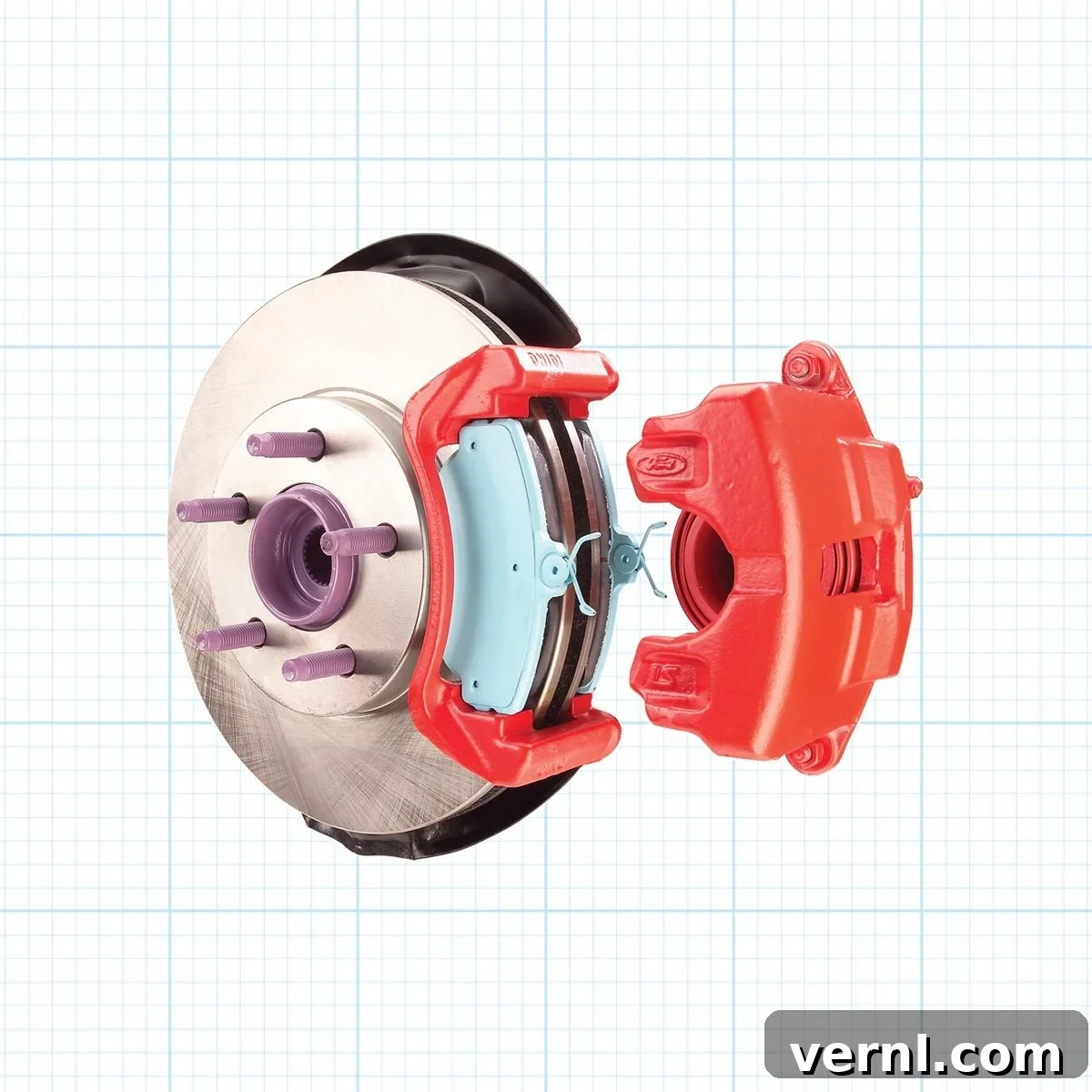
At its core, your car’s braking system relies on a simple yet incredibly effective principle: friction. When you press the brake pedal, a complex hydraulic process translates that input into immense pressure, causing three primary components at each wheel to work in concert to slow and stop your vehicle.
1. The Brake Caliper: The Squeezing Machine
Often considered the heart of the disc brake system, the caliper houses the brake pads and hydraulic pistons. When brake fluid pressure builds, these pistons extend, pushing the brake pads against the rotor. Calipers come in various designs, from floating calipers that move slightly to squeeze both sides of the rotor, to fixed calipers with pistons on both sides. Their primary function is to convert hydraulic pressure into mechanical clamping force.
2. The Brake Pads: The Friction Material
Brake pads are the sacrificial components designed to create friction against the spinning rotors. Made from various materials (which we’ll explore in detail later), they are engineered to withstand extreme heat and pressure. As they rub against the rotor, kinetic energy is converted into thermal energy, which then dissipates, slowing the wheel. Because they are designed to wear down, regular inspection and replacement are crucial for maintaining effective braking.
3. The Brake Rotor: The Squeezed Disc
Also known as a brake disc, the rotor is a metal disc attached to the wheel hub that rotates with the wheel. It’s the surface against which the brake pads press. Rotors are designed to dissipate the immense heat generated during braking, preventing brake fade and maintaining consistent stopping power. Their thickness, material, and ventilation design are critical for performance and longevity. Over time, rotors can wear thin, become warped, or develop grooves, all of which compromise braking efficiency.
Even if you’re not an experienced mechanic, learning to inspect your brakes can save you money and keep you safer. You can easily check your brake pads and the condition of the rotors with these simple how-to check brakes instructions. For an even quicker assessment, here’s also how to check brake pads without removing the wheel. While DIY checks are helpful, remember that brakes do need occasional professional servicing to stay in top shape and ensure all components are functioning optimally.
Saving Money and Extending Life: The Importance of Caliper Pins
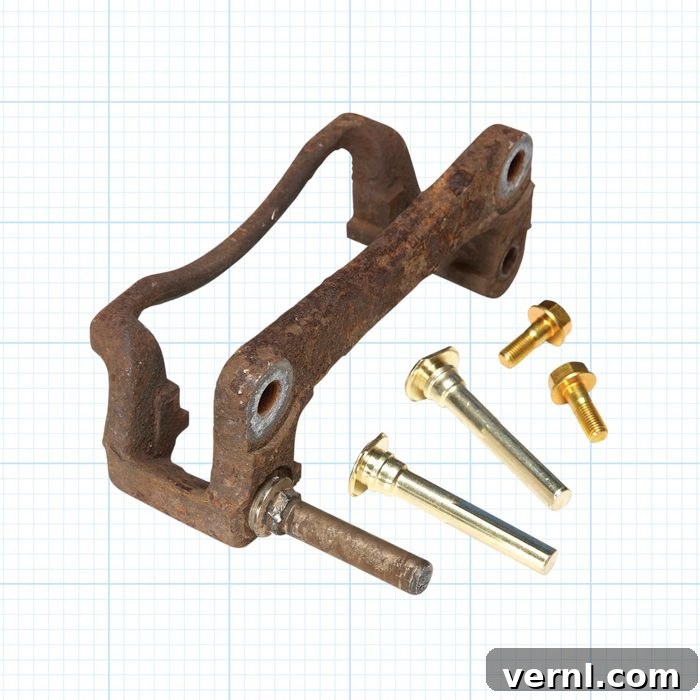
Understanding the full functionality of brake calipers is key to preventing unnecessary expenses. Calipers operate in a sophisticated push-pull process to ensure the brake pads squeeze uniformly against the rotors. Initially, the caliper piston pushes the inboard pad outward until it makes contact with the rotor. Subsequently, the entire caliper assembly is designed to slide backward slightly, pulling the outboard pad against the other side of the rotor, creating balanced pressure. When you release the brake pedal, the piston retracts minimally, and the caliper releases pressure on the pads, allowing the wheel to spin freely.
However, a very common and often overlooked problem arises when the caliper binds on its slide pins. These pins allow the caliper to move freely, ensuring even pressure distribution. If they become corroded, dry, or damaged, the caliper can stick, leading to uneven and rapid brake pad wear, reduced braking efficiency, and even a vehicle pulling to one side. This binding issue is incredibly prevalent, yet it doesn’t always necessitate a costly caliper replacement.
Instead, a reputable shop should be able to simply replace the inexpensive slide pins (which can cost as little as $20 for parts) and lubricate them with a high-temperature synthetic grease designed for brake components. This simple maintenance can prevent you from spending upwards of $300 per pair on new brake calipers. Therefore, if a shop recommends complete caliper replacement, always inquire if the issue can be resolved by replacing and lubricating the slide pins first. In most instances, the existing brake calipers can be reused, saving you significant money.
That said, there are legitimate reasons for caliper replacement. If you are told that the brake caliper is leaking fluid, indicating a failing seal, or if the piston itself won’t retract or is seized, then a rebuild or complete replacement is genuinely necessary for safety. But for issues related to uneven pad wear, often the less expensive solution of pin replacement is all that’s required. Empower yourself with this knowledge and always ask questions. Ready to tackle brake maintenance yourself? Check out how to change brake pads yourself!
The Debate: Premium vs. Generic Brake Pads and Rotor Quality
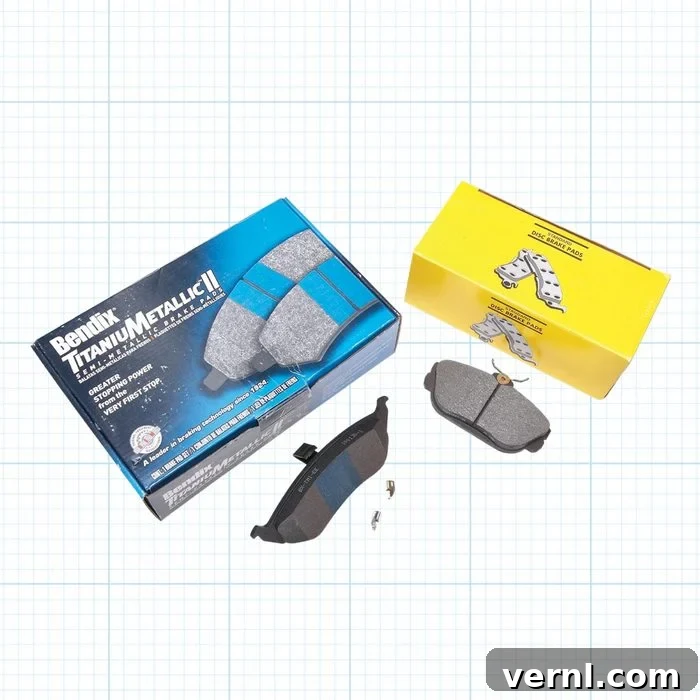
When it comes to brake components, quality is not a luxury; it’s a necessity for your safety and your vehicle’s longevity. The market is saturated with options, and distinguishing between high-quality premium parts and their inferior generic counterparts is crucial.
Why Demand Brand-Name Parts?
Top-quality manufacturers invest heavily in research, development, and rigorous testing to ensure their brake parts meet stringent performance and safety standards. They are proud to put their name, logo, and product specifications directly on the packaging. Generic brake parts, on the other hand, are almost universally packaged in plain white or yellow boxes, often lacking any identifiable branding or detailed information. These companies typically produce mediocre brake pads and rotors, attempting to pass them off as premium products at bargain-basement prices. However, such “bargains” rarely pay off in the long run. Generic parts wear out quickly, can cause premature damage to your rotors, and most dangerously, significantly increase your stopping distance, compromising your safety.
Identifying True Premium Brake Pads:
- Manufacturer Branding: The most straightforward indicator is the name on the box. Reputable brake part manufacturers always clearly label their products. While they may offer several quality tiers (e.g., “good,” “better,” “best”), even their entry-level “good” pads are almost invariably of superior quality to a “premium” pad from an unbranded company. This transparency reflects confidence in their engineering and materials.
- Included Hardware: Genuine premium brake pads typically include all the necessary installation hardware at no extra cost. This often includes shims (to reduce noise and vibration), anti-rattle clips, and abutment hardware (which ensures proper pad movement). These small components are vital for optimal brake performance and longevity. If a shop claims to be installing premium pads but charges extra for the hardware in your brake pad replacement quote, it’s a red flag. High-quality kits integrate these essential elements as standard.
Navigating Brake Pad Materials: Ceramic vs. Semi-Metallic and Avoiding the Upsell
The choice of brake pad material significantly impacts braking performance, noise, dust, and longevity. Two of the most common types are ceramic and semi-metallic, each with distinct characteristics that make them suitable for different driving conditions and preferences.
Debunking Ceramic Pad Myths:
There are numerous myths surrounding ceramic brake pads, and some shops are quick to recite them to justify an “upgrade” at a higher cost. They might claim ceramic is simply the best brake pad material universally available, or that it inherently outlasts semi-metallic pads and provides superior braking. These claims are generally not true.
What is true about ceramic pads is that they tend to run quieter and produce significantly less brake dust, making them an attractive option for drivers who prioritize clean wheels and minimal noise. This low-dust, low-noise characteristic is their primary advantage.
When to Choose Which Pad:
- Semi-Metallic Pads: These pads typically contain 30-65% metal by weight, along with other fillers and binders. They excel in demanding conditions. If you frequently haul heavy loads, tow, or engage in a lot of stop-and-go driving (especially in urban environments), semi-metallic pads are often the superior choice. They offer excellent stopping power, higher heat resistance, and longer lifespan under stress compared to ceramics in these scenarios. Their main drawbacks can be slightly more noise and brake dust.
- Ceramic Pads: Composed of a dense ceramic material and copper fibers, ceramic pads are known for their quiet operation and minimal dust. They are ideal for everyday commuting and light braking scenarios, especially for drivers who value aesthetics (e.g., keeping aluminum wheels clean). While they provide consistent braking, they generally don’t offer the same aggressive bite or heat dissipation capabilities as semi-metallics under heavy loads or spirited driving.
Before falling for a ceramic upgrade routine, consider the original equipment (OEM) pad type that came with your vehicle and your typical driving habits. If your vehicle came with semi-metallic pads and you often encounter heavy loads or frequent braking, switching to ceramic might actually downgrade your braking performance. If you primarily do light hauling, light braking, and are genuinely focused on keeping your aluminum wheels spotless, then ceramic pads could be a suitable and satisfying choice. Always match the pad to your vehicle’s design and your driving needs, not just a marketing claim.
The Hidden Danger: Less Metal in Brake Rotors is a Bad Idea
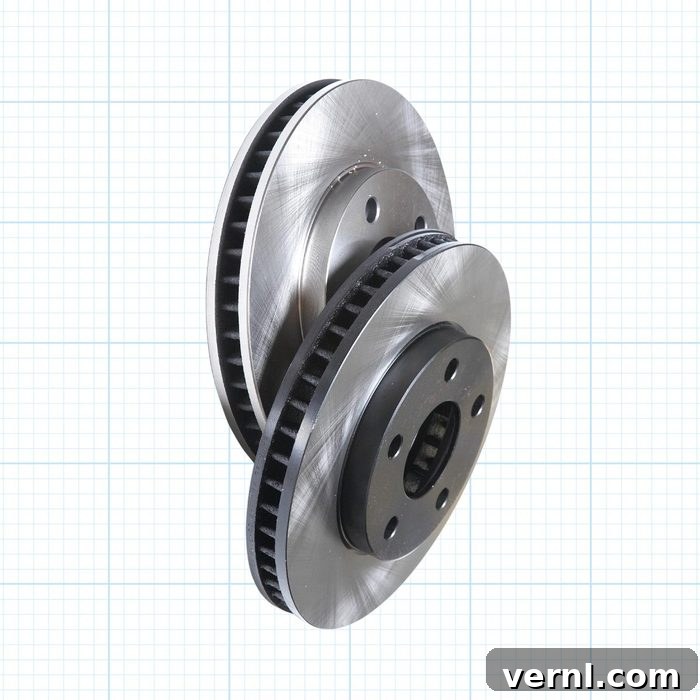
Just as with brake pads, the quality of your brake rotors is paramount for safe and effective braking. Unfortunately, the aftermarket is flooded with inferior rotors that can be purchased by shops for as little as $10 wholesale. Some unscrupulous shops may opt for these cheaper alternatives, charge you the price of premium rotors, and pocket the considerable difference, compromising your safety in the process.
The Deceptive Appearance of Cheap Rotors:
To the untrained eye, these generic, low-cost rotors might look identical to their high-quality counterparts. However, a side-by-side comparison quickly reveals staggering differences. The friction surfaces on generic rotors are noticeably thinner, and they typically weigh about 20 percent less than professional-grade rotors. This seemingly small difference has significant and dangerous implications.
Consequences of Inferior Rotors:
- Reduced Heat Absorption: With less metal mass, generic rotors have a diminished capacity to absorb the immense heat generated during braking. This leads to them heating up much faster.
- Poor Heat Dissipation: Coupled with fewer and often poorly designed cooling fins, these rotors struggle to dissipate heat efficiently.
- Increased Warping: Rapid, uneven heating and cooling cycles stress the thinner metal, making cheap rotors far more prone to warping. A warped rotor causes an uncomfortable and dangerous pedal pulsation (often felt as a vibration in the brake pedal or steering wheel), indicating inconsistent contact between the pad and rotor.
- Excessive Noise: Inferior materials and design often contribute to increased brake noise, including squealing and grinding sounds.
- Premature Wear: They simply wear out faster, requiring more frequent and costly replacements.
- Compromised Safety: Most critically, their reduced ability to manage heat and maintain structural integrity directly translates to compromised braking performance, increased stopping distances, and a heightened risk of brake fade in emergency situations.
These low-grade rotors are a disastrous choice, even if you’re attempting to save money on the brake job cost. The savings are negligible when weighed against the risks and the need for more frequent replacements. Just as with brake pads, always ask your shop for a quote that specifies brand-name, professional-grade (as opposed to “service” grade or generic) rotors. Insist on knowing the brand and quality level of the rotors they intend to install.
Recognizing the Signs: When Your Brakes Need Immediate Attention
Being proactive about brake maintenance means not only understanding the components but also knowing how to interpret the signals your vehicle sends when something is amiss. Ignoring these warning signs can lead to more extensive damage, higher repair costs, and, most importantly, compromised safety. If you notice any of these symptoms, it’s crucial to have your brakes inspected by a qualified professional without delay:
- Squealing or Squeaking: Often the first indicator of worn brake pads. Many pads are manufactured with a small metal wear indicator that makes a high-pitched squeal when the pads are getting thin. While occasional noise can occur (e.g., after rain), persistent squealing needs attention.
- Grinding Noise: A much more serious sign, a grinding sound indicates that your brake pads are completely worn out and the metal backing plates are rubbing directly against the rotors. This causes rapid damage to the rotors and significantly reduces stopping power.
- Pulsation or Vibration: If you feel a pulsing or vibrating sensation through the brake pedal or steering wheel when you apply the brakes, it’s a strong indicator of warped rotors. This happens when uneven heat distribution causes the rotor surface to become inconsistent, leading to uneven pad contact.
- Vehicle Pulling to One Side: If your car veers or pulls to the left or right when you brake, it could signal an issue with a caliper (e.g., a seized caliper or binding slide pins on one side), unevenly worn pads, or a problem with brake fluid pressure.
- Soft or Spongy Brake Pedal: A brake pedal that feels “mushy” or sinks closer to the floor than usual can indicate air in the brake lines, a leak in the brake system, or a failing master cylinder. This is a critical safety concern that requires immediate attention.
- Hard Brake Pedal: Conversely, if your brake pedal feels unusually hard and requires excessive force to stop, it might point to a problem with the brake booster, which assists in applying braking force.
- Dashboard Warning Lights: The most obvious sign is a dashboard warning light. This could be a “Brake” warning light (indicating low fluid, parking brake engaged, or a system fault) or an ABS (Anti-lock Braking System) warning light. Never ignore these indicators.
- Visual Inspection: Regularly look at your brake pads through your wheel spokes (if visible). If the friction material appears very thin (less than ¼ inch), it’s time for replacement. Also, check rotors for deep grooves or scoring.
Finding a Reputable Brake Service Shop: A Guide to Trust and Quality
Choosing the right brake service shop is as important as selecting quality parts. A reputable establishment prioritizes your safety and satisfaction over maximizing profit through deceptive practices. Here’s how to identify a trustworthy professional:
What to Look For in a Top-Quality Brake Service Shop:
- Commitment to Quality Parts: Top-tier brake service shops automatically use the best available parts because they understand the value of preventing “comebacks” – jobs that need to be redone at their expense due to faulty components. They know that using premium pads and rotors means satisfied customers and fewer headaches for their business.
- Transparent and Fair Pricing: A good shop will provide a fair and accurate price upfront, based on a proper diagnosis. They won’t resort to gimmicks, hidden fees, or unnecessary up-selling techniques. They explain what needs to be done and why, empowering you to make informed decisions.
- Qualified Technicians: Look for certifications, such as ASE (Automotive Service Excellence) certification, which indicates that technicians have met professional standards in automotive repair.
- Positive Reputation: Check online reviews (Google, Yelp, etc.) and ask for recommendations from friends, family, or trusted colleagues. Look for consistent positive feedback regarding service quality, honesty, and professionalism.
How to Vet a Potential Brake Shop:
- Call Around and Ask Specific Questions: Before you even bring your car in, call a few shops in your area. Ask them directly what brand, type, and quality level of pads and rotors they typically use for brake service. A transparent shop will be happy to provide this information. Be wary of vague answers like “our house brand” or “whatever we have in stock.”
- Request a Phone Quote: After you search “brake service near me” and identify shops that carry brand-name parts, ask for a brake pad replacement cost quote over the phone. Any reputable shop should be able to provide a fairly firm quote for a standard brake job without seeing the vehicle. This quote should typically include machining the rotors (if applicable and advisable), replacing the caliper slide pins, and installing high-quality pads and associated hardware (shims, clips). A brake job isn’t brain surgery; shops have standard procedures and pricing for common models.
- Beware of Reluctance to Quote: If a shop balks at providing a phone quote, claiming they “need to see the car first” just to give a baseline price for a routine service, it’s a significant red flag. While a final inspection might reveal additional issues, they should still be able to provide an estimated cost for the basic work. If they refuse, it’s best to search for a different one and give them a call.
- Ask About Warranties: Inquire about warranties on both parts and labor. A confident shop will stand behind its work and the quality of the parts it installs.
By taking these steps, you can significantly increase your chances of finding a trustworthy and competent brake service provider who will ensure your vehicle’s braking system is performing optimally, keeping you and your passengers safe on every journey.
Conclusion: Prioritizing Brake Health for Ultimate Road Safety
Your vehicle’s braking system is an intricate network of components, each playing a vital role in ensuring your safety. From the calipers and pads to the rotors and the essential slide pins, understanding these parts and their function empowers you to make informed decisions about maintenance and repairs. Prioritizing brand-name, professional-grade parts over cheaper generic alternatives is not merely an upgrade; it’s an investment in reliable performance, extended longevity, and, most importantly, your safety and the safety of everyone on the road.
By recognizing the warning signs of brake issues, advocating for proper repairs like caliper pin replacement, and diligently vetting your chosen service provider, you can avoid common pitfalls and ensure your braking system operates at its peak. Regular inspections and proactive maintenance are non-negotiable for roadworthiness. Don’t compromise on your brakes; they are the ultimate safeguard that allows you to confidently navigate every mile.