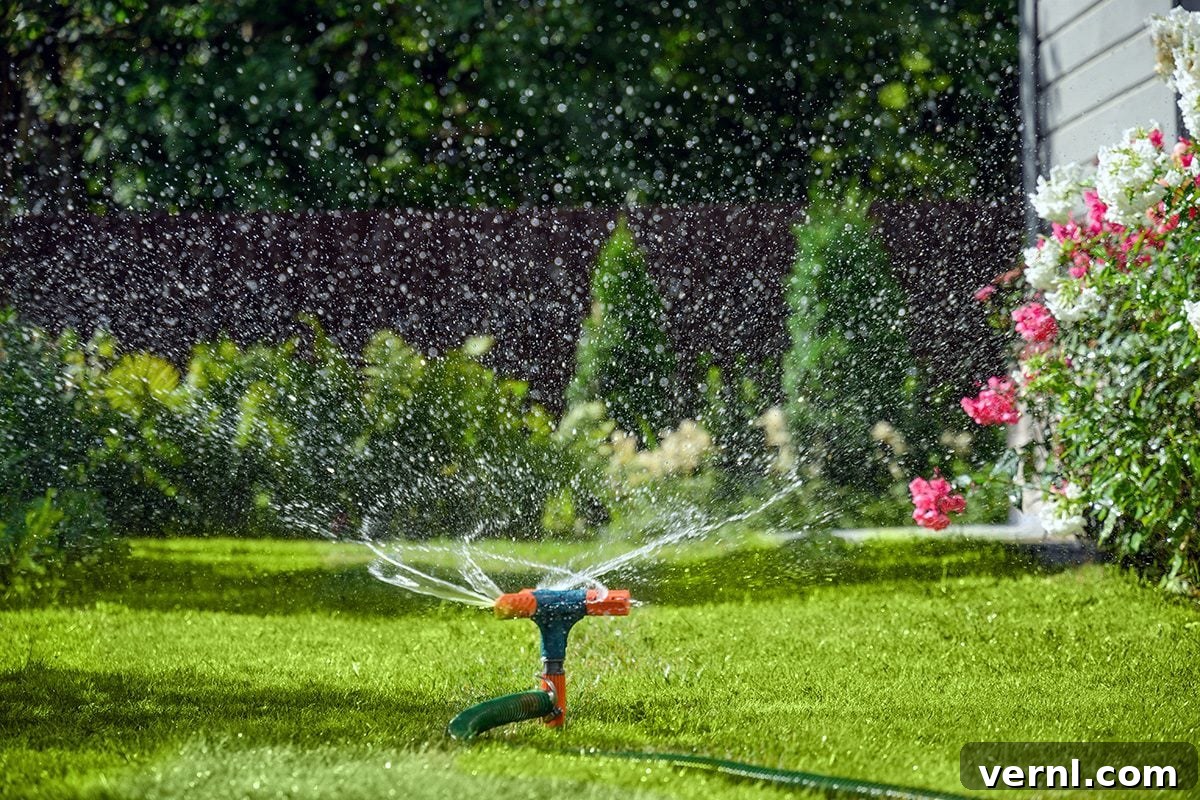
Water, an indispensable element for life, is becoming an increasingly valuable and costly resource. Across many regions, water utility rates have seen significant surges over the past few years, with further increases anticipated. Beyond the financial impact on households, water scarcity is a critical global issue, underscoring the urgent need for thoughtful consumption by both individual homeowners and municipal authorities. Adopting water-saving strategies in our daily lives, particularly in lawn and garden care, is not just an environmentally responsible choice; it’s also a smart financial decision that can lead to substantial savings on your utility bills.
By implementing practical, sustainable practices in how we plan, cultivate, and maintain our outdoor spaces, we can significantly reduce our water footprint. In this comprehensive guide, we delve into ten effective water-saving tips, offering insights and expertise from two seasoned lawn and garden professionals: Ryan Mange from CMS Landscaping and Joe Churchill from Reinders. Their combined knowledge provides a robust foundation for transforming your landscape into a more water-efficient and resilient haven.
Choose Drought-Tolerant Plants for a Resilient Landscape
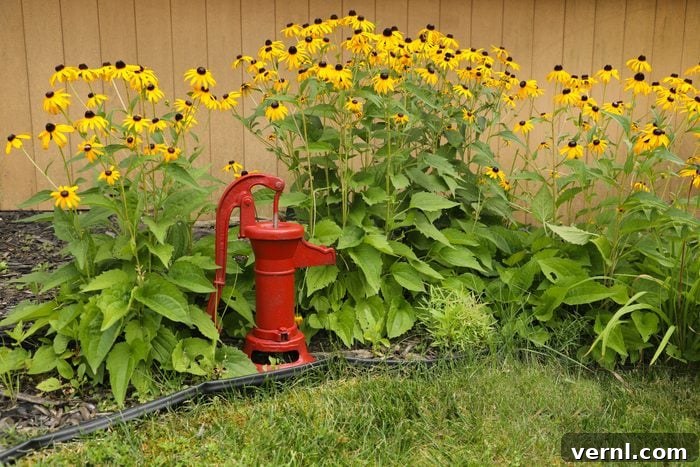
One of the most impactful decisions you can make for a water-wise landscape is to select drought-tolerant plants. This strategy applies equally to both your lawn and your garden beds. For lawns, consider specific grass seed types renowned for their ability to thrive with minimal water once established. Varieties like Buffalo grass, Tall Fescue, and Fine Fescue are excellent choices. Buffalo grass, for instance, is a native North American prairie grass that forms a dense, low-growing turf requiring significantly less water and mowing than traditional Kentucky Bluegrass. Tall Fescue offers deep root systems that help it access moisture deeper in the soil, making it more resilient during dry spells. Fine Fescues, known for their delicate texture, are also remarkably drought-resistant and often perform well in shaded areas.
In your garden beds, embracing drought-tolerant ornamental plants can drastically reduce your irrigation needs. Instead of high-water-demand species, opt for beautiful and robust options such as Lavender, celebrated for its fragrant blooms and resilience; Yarrow, with its flat-topped flower clusters and hardy nature; Salvia, offering a wide array of vibrant colors and shapes; and the cheerful Black-eyed Susan. Other fantastic choices include Sedum, Coneflower (Echinacea), Russian Sage, and various ornamental grasses. These plants are naturally adapted to drier conditions, often possessing specialized characteristics like waxy leaves, silvery foliage, or deep taproots that enable them to conserve moisture effectively. Adopting this approach, often referred to as xeriscaping, not only conserves water but also promotes healthier, more self-sufficient plant communities.
Add a Rain Barrel (or Two) for Sustainable Water Collection
Integrating rain barrels into your home’s gutter system is a remarkably simple yet highly effective method for diverting and collecting rainwater, providing a free and sustainable water source for your garden and lawn. By capturing precipitation that would otherwise run off into storm drains, you significantly reduce your reliance on municipal water for irrigation, especially crucial during periods of drought or watering restrictions. Many homeowners, myself included, find immense value in having at least one rain barrel on their property to water container plants, flower beds, or even small vegetable patches. A single storm can often fill a standard-sized rain barrel, offering gallons of pristine, chlorine-free water that plants often prefer over treated tap water.
Installing rain barrels is a straightforward process, typically involving connecting them to a downspout. It’s advisable to ensure the barrel is elevated slightly to allow for gravity-fed watering and to place it on a stable, level surface. Modern rain barrels come in various sizes, styles, and colors, allowing them to blend seamlessly with your home’s aesthetics. Key considerations include adding a screen to prevent debris and mosquitoes from entering, and an overflow system to divert excess water once the barrel is full. This simple addition is a powerful step towards greater water independence, reducing your utility bills, and contributing to overall environmental sustainability.
Mulch Well to Retain Soil Moisture
Proper mulching is an incredibly effective and relatively inexpensive strategy for significantly reducing water loss in your garden beds and around trees and shrubs. As Ryan Mange from CMS Landscaping emphasizes, “Proper mulching of plants and garden beds helps reduce water loss due to evaporation and retain water in root zones of trees, shrubs and other garden plants.” Mulch acts as a protective barrier on the soil surface, shielding it from direct sunlight and wind, which are primary drivers of evaporation. This keeps the soil cooler and more consistently moist, directly benefiting plant roots.
For optimal results, aim for a mulch layer of three to four inches. This depth is sufficient to provide excellent moisture retention and weed suppression without suffocating plants. It’s crucial, however, to avoid piling mulch directly against the trunks of trees and shrubs, creating what is sometimes called a “mulch volcano.” This can trap moisture against the bark, leading to rot and providing an invitation for pests and diseases. Instead, leave a small ring of clear space (an inch or two) around the base of the plant. Organic mulches such as wood chips, shredded leaves, straw, pine needles, or compost offer additional benefits. As they decompose over time, they enrich the soil with organic matter, improving its structure, fertility, and long-term water-holding capacity, creating a healthier environment for roots.
Plant Native Shrubs for Natural Resilience
When planning your garden, prioritizing native shrubs and perennial flowers is a profoundly wise decision for water conservation. Native plants are indigenous to your specific region, meaning they have evolved over millennia to thrive in the local climate, soil conditions, and rainfall patterns. This inherent adaptability translates into significantly reduced needs for supplemental irrigation once they are established. Unlike non-native species that often struggle to adapt and require extensive care, native plants boast deep root systems that allow them to efficiently access available moisture in the soil, making them exceptionally resilient during dry spells and periods of drought.
Beyond their minimal water requirements, native plants offer a host of ecological benefits. They are naturally attuned to the local ecosystem, supporting native wildlife such as pollinators (bees, butterflies), birds, and other beneficial insects by providing essential food sources and habitat. By choosing plants that are already suited to your environment, you also minimize the need for chemical fertilizers and pesticides, further enhancing the health of your soil and surrounding ecosystem. This approach fosters a more balanced, self-sustaining garden that not only conserves water but also contributes to biodiversity and creates a vibrant, living landscape that celebrates the natural beauty of your region.
Add Organic Matter to Soil for Enhanced Water Retention
The quality of your soil plays a pivotal role in its ability to retain water and support healthy plant growth. As Ryan Mange rightly points out, “Organic material in the soil provides sites for both water and nutrients to adhere and be available for roots or plants.” If you’ve ever dealt with hard, compacted, or excessively sandy soil, you’ll understand how quickly water can either run off or drain away, leaving plants thirsty. Amending your soil with rich organic matter is a fundamental step towards creating a more water-efficient garden.
Incorporating materials like high-quality compost, well-rotted aged manure, or leaf mold significantly improves soil structure. In heavy clay soils, organic matter helps to break up compaction, creating larger pore spaces that improve drainage while still retaining moisture. In sandy soils, it acts like a sponge, dramatically increasing the soil’s capacity to hold water and nutrients that would otherwise quickly leach away. This improved structure means that when you do water, more of it stays in the root zone where plants can access it, rather than evaporating or draining away. Furthermore, organic matter fuels beneficial microbial activity, which is crucial for nutrient cycling and overall soil health, ultimately leading to stronger, healthier plants that are better equipped to withstand environmental stresses, including drought.
Replace Grass with Low-Maintenance Ground Cover
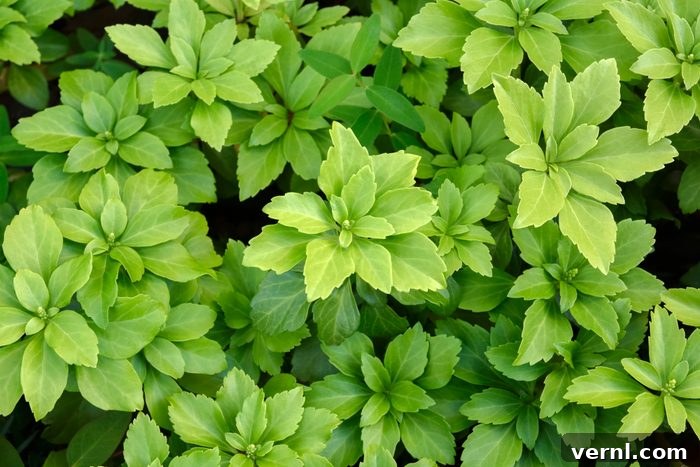
Traditional turfgrass lawns are notorious water guzzlers, often requiring frequent and substantial irrigation to maintain their lush green appearance. A highly effective water-saving strategy, particularly for areas of your yard that don’t experience heavy foot traffic, is to replace grass with low-maintenance ground covers. Once established, many ground cover varieties require very little to no supplemental watering, offering a beautiful, verdant alternative that also cuts down on mowing and other maintenance tasks. For example, the areas of Pachysandra in my own yard have never needed watering and consistently look fantastic year after year.
Excellent choices for ground covers include Pachysandra (Japanese Spurge), known for its dense, evergreen foliage that thrives in shade; Vinca minor (Periwinkle), a fast-spreading vine with charming blue flowers; and various types of Ivy, which provide dense coverage. Other fantastic options, depending on your climate and light conditions, include Creeping Thyme, Sedum, and some varieties of low-growing ornamental grasses. These plants create a living mulch, suppressing weeds and keeping the soil cool and moist. They are particularly well-suited for slopes where erosion is a concern, or under trees where grass struggles to grow due to shade and root competition. While there’s an initial investment in planting, the long-term savings in water, time, and effort make ground covers an incredibly rewarding choice for sustainable landscaping.
Install a Smart Irrigation System for Precision Watering
Revolutionize your outdoor watering habits and achieve significant water savings by investing in a smart irrigation system. Unlike conventional sprinkler systems that operate on a fixed schedule, smart systems leverage advanced technology to deliver water only when and where it’s truly needed. These sophisticated setups typically incorporate ground sensors strategically placed throughout your lawn and garden. As Joe Churchill, a Senior Turf Specialist, explains, “These sensors will sense when the soil under your lawn is dry and will engage the system only when water is needed. And, just as importantly, tell your irrigation system when it’s not needed and can take the day (or two or three) off.”
Beyond soil moisture sensors, many smart systems integrate with local weather data, adjusting watering schedules based on rainfall, temperature, humidity, and even wind speed. This proactive approach prevents overwatering, which can lead to runoff, nutrient leaching, and plant disease, while also ensuring your landscape receives adequate hydration during dry periods. As Ryan Mange highlights, these systems “lead to precise usage and way less waste and runoff than older irrigation systems or watering with a garden hose.” The benefits are manifold: significantly reduced water consumption, healthier and more vibrant plants that aren’t stressed by inconsistent watering, and lower utility bills. While the initial installation cost may be higher than a basic system, the long-term savings in water and the improved health of your landscape offer a substantial return on investment, making smart irrigation a cornerstone of modern water-wise landscaping.
Raise the Mower Height for a Healthier Lawn
Adjusting your mower blade height might seem like a minor detail, but it has a profound impact on your lawn’s health and its ability to conserve water. Simply raising your mower deck can lead to a more resilient, drought-tolerant turf. Longer grass blades cast more shade on the soil surface. This natural shading action significantly reduces the rate of evaporation caused by direct sun exposure, keeping the ground cooler and retaining precious moisture during hot weather. Think of it as a natural canopy for your soil, protecting it from the sun’s intense rays.
Furthermore, maintaining a taller grass height actively encourages deeper root growth. When grass blades are consistently cut short, the plant focuses its energy on producing new top growth rather than expanding its root system. Conversely, allowing the blades to grow longer stimulates the roots to delve deeper into the soil in search of water and nutrients. A lawn with deep, extensive roots is inherently more drought-resistant, as it can access moisture reserves further below the surface and is less susceptible to drying out during dry spells. As a general guideline, raise your mower deck to 4 inches for cool-weather grasses, which tend to prefer cooler soil temperatures, and to 3 inches for warm-weather grasses, which can tolerate slightly shorter cuts. Always ensure your mower blades are sharp for a clean cut that prevents tearing and reduces stress on the grass, promoting overall vitality.
Only Water During Ideal Conditions
When it comes to watering your lawn and garden, not all times of day are created equal. The timing of your irrigation can dramatically influence how much water actually reaches your plants and how effectively it’s absorbed. Early morning, typically between 4 AM and 8 AM, is generally considered the optimal time to water. During these hours, temperatures are cool, and wind speeds are usually low, minimizing water loss due to evaporation and drift. This allows the grass and other plants ample time to absorb the water before the heat of the day sets in, ensuring maximum hydration and reducing the risk of fungal diseases that can arise from prolonged leaf wetness overnight.
As Joe Churchill advises, “Try to stay away from watering during the midday when ambient temps are hot, and it may be windy.” Watering in the middle of the day, especially when temperatures soar to 85 degrees Fahrenheit or higher, is highly inefficient. A significant portion of the water will simply evaporate into the atmosphere before it even has a chance to penetrate the soil and reach the plant roots. Similarly, watering on windy days is counterproductive, as the wind can cause significant water drift, carrying precious water away from its intended target and onto pavement or other non-landscaped areas. Instead of frequent, shallow watering, aim for deep and infrequent irrigation. This encourages roots to grow deeper, making your plants more resilient to dry conditions. Pay attention to your plants and soil; water when the top few inches of soil feel dry to the touch or when plants show early signs of wilting.
Plant a Low-Water Lawn Alternative
For those committed to drastically reducing their water consumption for landscaping, planting a low-water lawn alternative presents a compelling solution. The traditional expansive monoculture lawn, while aesthetically pleasing to some, is often one of the biggest drains on household water resources. In water-scarce climates like California and Arizona, these alternatives are becoming increasingly popular and often a necessity, but their benefits extend to any region looking to conserve.
One option gaining traction is artificial turf. While the initial installation costs can be substantial, artificial lawns offer the undeniable benefit of requiring absolutely no water, no mowing, and minimal maintenance once in place. They stay green year-round, regardless of drought conditions, providing a consistent aesthetic. However, it’s important to consider factors like heat retention, material sourcing, and environmental impact. A more ecologically friendly and increasingly popular alternative is to replace traditional turf with living, grass-like ground covers that are inherently drought-tolerant and require little to no water once established. Excellent choices include:
- Clover: Both microclover and traditional clover varieties are nitrogen-fixing, meaning they enrich the soil. They stay green, are soft underfoot, support pollinators, and are remarkably drought-resistant and low-maintenance.
- Creeping Thyme: A fragrant, low-growing perennial that forms a dense mat, tolerating light foot traffic and thriving in sunny, well-drained areas with minimal water.
- Buffalo Grass: A native North American grass that is extremely drought-tolerant, forms a fine-textured turf, and requires significantly less mowing and water than conventional lawns.
- Sedum: Many low-growing varieties of sedum (stonecrop) can create beautiful, succulent ground covers that are incredibly tough and require almost no irrigation.
- Moss: For shady, moist areas, a moss lawn can be a stunning, water-wise, and no-mow alternative.
These living alternatives provide many of the aesthetic and functional benefits of a traditional lawn while dramatically reducing water consumption, maintenance efforts, and contributing to a more sustainable and biodiverse landscape.
About the Experts
- Joe Churchill is a Senior Turf Specialist with Wisconsin-based Reinders, a major distributor of lawn care products in the Midwest. He has over 25 years of experience in the turfgrass industry and is certified in Turfgrass Management with a B.A. in Geography and Horticulture from the University of Minnesota.
- Ryan Mange is a Lawn/Plant Health Manager at CMS Landscaping, a full-service lawn care and irrigation company in Holyoke, Massachusetts. He is also an International Society of Arboriculture (ISA) Certified Arborist.
Embracing a Water-Wise Future
Water conservation in our landscapes is no longer just an option; it’s a necessity driven by rising costs, environmental concerns, and the increasing scarcity of this vital resource. By integrating the ten practical, expert-backed strategies outlined in this guide, homeowners can make a significant positive impact. From thoughtfully selecting drought-tolerant plants and establishing efficient irrigation systems to optimizing soil health with organic matter and utilizing rainwater, each step contributes to a more sustainable and resilient outdoor space. These methods not only lead to substantial reductions in your monthly water bills but also foster healthier, more vibrant plants that are better equipped to withstand environmental stresses. Transforming your lawn and garden into a water-wise oasis is a rewarding endeavor that benefits both your wallet and the planet, paving the way for a greener, more sustainable future for generations to come. Start implementing these tips today and witness the remarkable difference they make.