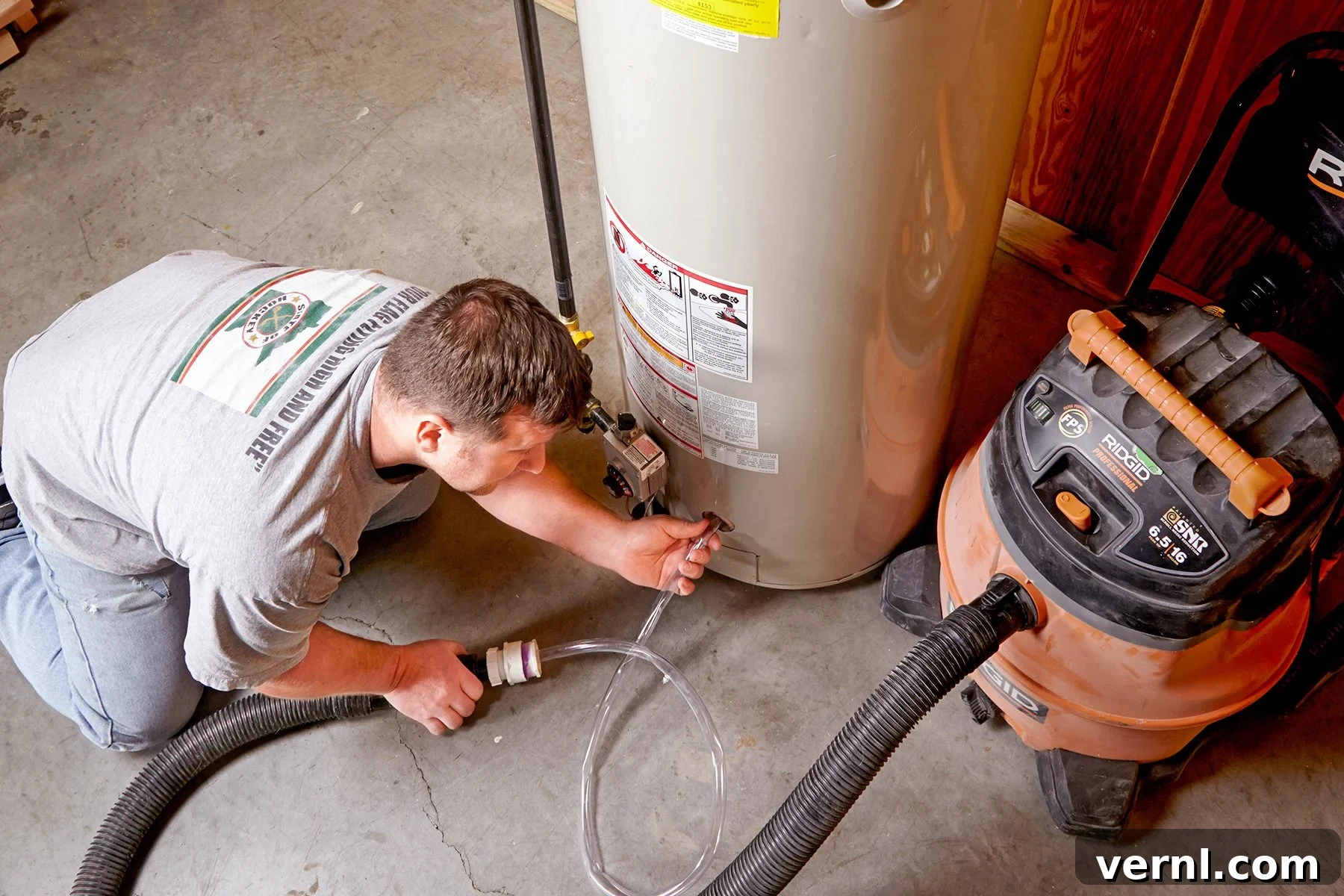
Maintaining a household’s essential appliances is crucial for their longevity and optimal performance, yet some vital tasks often slip under the radar. Flushing your water heater is a prime example of such an often-overlooked chore that holds significant benefits for its operational life and efficiency. Unlike other appliances that demand attention through obvious malfunctions, water heaters tend to labor silently in the background until a critical failure forces you to acknowledge their presence. Regular flushing, however, is a proactive measure that can head off potential issues, saving homeowners from the substantial expense and inconvenience of costly repairs or premature replacements.
Considering the national average cost to install a new water heater hovers around $3,500, dedicating a small amount of time to its routine maintenance is undoubtedly a worthwhile investment. This article delves into the critical reasons why flushing your water heater should be a regular part of your home maintenance schedule and explores the undesirable consequences of neglecting this task. We’ll also incorporate valuable insights and practical tips from plumbing expert Michelle Law of Blue Frog Plumbing and Drain, providing a comprehensive guide to keeping your water heater in peak condition.
Understanding the Importance of Water Heater Flushing
At its core, the primary purpose of flushing your water heater is to eliminate the accumulation of sediment and mineral deposits that naturally build up inside the tank over time. The water supplied to our homes, regardless of its source, contains various dissolved minerals such as calcium, magnesium, and iron. While many of these impurities are initially attracted to and collected by the anode rod—a sacrificial metal rod designed to corrode before the tank itself—a significant portion still settles at the bottom. As Michelle Law explains, “Most of the impurities in the water are collected by the anode rod to spare the water heater from corrosion. However, some sediment still makes its way to the bottom of the tank, and flushing it clears the rest out.” This seemingly simple action plays a pivotal role in preventing numerous issues that can severely impact your water heater’s performance and lifespan.
Over months and years, these microscopic particles coalesce, forming a layer of sludge and hardened sediment at the base of the tank. This layer acts as an insulator, creating a barrier between the heating element (or burner in gas models) and the water it’s supposed to heat. Consequently, the water heater has to work harder and longer to achieve the desired temperature, leading to decreased efficiency and an noticeable increase in your energy bills. Beyond efficiency, this sediment can cause physical damage to the tank and its components, paving the way for more serious, and often more expensive, problems down the line.
The Detrimental Effects of Neglecting Water Heater Maintenance
Failure to regularly flush your water heater can precipitate a cascade of issues, ranging from reduced performance to complete system failure. The accumulated sediment and sludge at the bottom of the tank aren’t merely harmless deposits; they are active agents of wear and tear. Consider the vivid illustration provided by a demonstration by @plumbersplunger, which graphically displays the sheer volume of debris that can accumulate in an unflushed unit. Such significant buildup can lead to severe corrosion of the tank’s interior, ultimately causing leaks and premature failure. As Law succinctly puts it, “The debris will actually begin to eat away at the tank,” compromising its structural integrity and shortening its functional life.
@theplumbersplunger Cutting open a water heater tank to see what is on the inside. Talking about water filtration and how to find out what is in your water. #plumbing #water #fyp ♬ original sound – The Plumbers Plunger
Beyond structural damage, sediment can also coat the heating elements within the tank. For electric water heaters, this means the element must operate at a much higher temperature to transfer heat through the insulating layer of sediment, significantly reducing its efficiency and potentially causing it to overheat and burn out prematurely. While Law notes that this specific issue may not affect all water heater designs equally, it remains a critical concern for many common models. For gas water heaters, sediment can impede heat transfer from the burner to the water, leading to similar efficiency losses and longer heating cycles.
Another common symptom of sediment buildup is strange noises emanating from your water heater. Homeowners often report rumbling, popping, or banging sounds, particularly when the unit is actively heating water. These noises are typically caused by water getting trapped and superheated beneath pockets of sediment, leading to mini-steam explosions as it tries to escape. This not only indicates a problem but also contributes to the wear and tear on the tank’s interior.
It’s important to heed a critical piece of advice from Michelle Law regarding older, neglected water heaters: if you have never flushed your unit, or haven’t done so in two years or more, exercising caution is paramount. “The sediment has been sitting at the bottom of the tank, helping to seal any corrosion or small holes,” she explains. “Disturbing it can dislodge that buildup, potentially causing leaks.” In such scenarios, it might be advisable to consult a professional plumber who can assess the condition of your water heater and recommend the safest course of action. While the goal is always preventative maintenance, attempting to flush a heavily sedimented, older tank could, paradoxically, trigger the very leaks it aims to prevent.
Assessing the Safety Implications of Neglect
While the consequences of neglecting to flush your water heater can be severe for the appliance itself, leading to costly repairs and replacements, it’s generally not considered an immediate safety hazard in the same vein as, say, a gas leak or electrical fault. Michelle Law reiterates this point, stating, “The reality is, most people don’t flush their water heater. It’s just one of those maintenance tasks that doesn’t get done.” If it were acutely dangerous, she observes, a significant portion of homeowners would be facing perilous situations.
However, while the lack of flushing itself doesn’t typically pose an instant danger, the problems it contributes to can, in extreme cases, have safety implications. For example, excessive sediment buildup can impede the proper functioning of the temperature and pressure relief (TPR) valve—a critical safety device designed to prevent dangerous pressure buildup inside the tank. If this valve becomes clogged or otherwise compromised by sediment, and other issues cause an overpressure situation, the risks associated with a malfunctioning water heater could escalate. Therefore, while not a direct danger, neglecting flushing is a contributing factor to the overall health and safety profile of your water heater, making it wise to perform this and other maintenance tasks diligently.
Beyond Flushing: Comprehensive Water Heater Maintenance
Flushing is a crucial component of water heater maintenance, but it’s just one piece of the puzzle. A holistic approach ensures your unit remains efficient, safe, and durable. Here are other vital maintenance tasks, categorized by frequency and expertise required:
Annual Maintenance Tasks for Homeowners:
- Check the Temperature Setting: Your water heater’s thermostat should typically be set between 120 and 130 degrees Fahrenheit. Settings above 130°F increase the risk of scalding, especially for children and the elderly, while also consuming more energy. Conversely, temperatures below 120°F can foster the growth of harmful bacteria, such as Legionella, which thrives in lukewarm water. Adjusting the temperature ensures both safety and optimal energy efficiency.
- Look for Leaks: Periodically inspect the area around your water heater for any signs of moisture, puddles, or drips. Check all plumbing connections, the pressure relief valve, and the bottom of the tank. Even small leaks can indicate a developing problem that, if left unaddressed, could escalate into significant water damage or structural failure of the tank. Early detection can prevent major headaches and costly repairs.
Maintenance Tasks Best Performed by a Professional:
- Inspect the Anode Rod: As Michelle Law explains, “The anode rod is the sacrificial element in a water heater; it will corrode and needs to be replaced periodically.” This metal rod, usually made of magnesium, aluminum, or zinc, is designed to attract corrosive elements in the water, sacrificing itself to protect the steel tank from rust and deterioration. Over time, it completely corrodes and becomes ineffective. A professional can inspect its condition and replace it as needed, typically every three to five years, significantly extending the life of your water heater.
- Check the Venting System (for Gas Water Heaters): Gas water heaters produce carbon monoxide, a colorless, odorless, and highly dangerous gas. It is absolutely critical that the venting system effectively channels these exhaust gases safely outside your home. A professional plumber or HVAC technician should regularly inspect the vent pipe for any blockages, disconnections, or signs of corrosion that could impede proper ventilation. Ensuring a clear and unobstructed vent pipe is paramount for the safety of everyone in the household.
- Test the Pressure Relief Valve (TPR Valve): The TPR valve is a vital safety device designed to release excessive pressure or temperature from the tank, preventing potential explosions. Over time, these valves can become clogged with mineral deposits or simply seize up. A professional can carefully test the valve to ensure it opens and closes properly when needed. This is a critical safety check that should not be overlooked, as a malfunctioning TPR valve can lead to dangerous conditions.
Additional Considerations for Water Heater Longevity:
- Insulate Your Water Heater and Pipes: In colder climates, insulating your water heater tank (especially older models) and the first few feet of hot water piping can significantly reduce heat loss, improving efficiency and lowering energy costs.
- Consider a Water Softener: If you live in an area with hard water, installing a whole-house water softener can dramatically reduce mineral buildup in your water heater and other plumbing fixtures, further extending their lifespan.
About the Expert
- Michelle Law is an apprentice plumber at Blue Frog Plumbing and Drain, a full-service residential and commercial plumbing company based in Springfield, Massachusetts. Her practical experience offers invaluable insights into effective home plumbing maintenance.
Source
USA Today: How Much Does Water Heater Installation Cost? 2024 Guide. (2024)