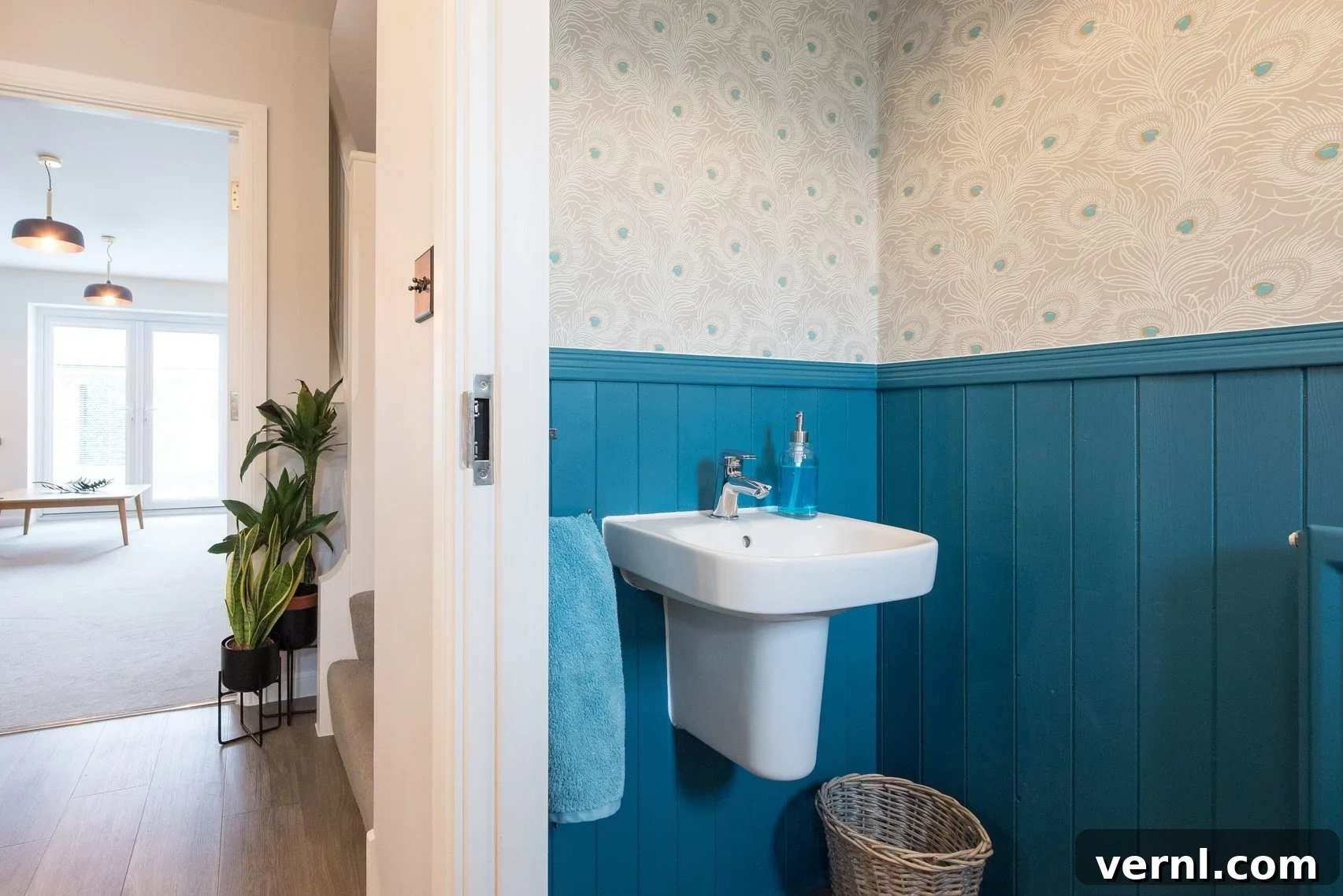
Bathroom Wall Panels: The Modern Alternative to Traditional Tile
In a refreshing wave of innovation, bathroom wall panels are rapidly transforming the North American renovation landscape, much like a new design trend sweeping in from Europe. Offering a compelling and often easier-to-install alternative to traditional tile, these panels are quickly becoming the preferred choice for homeowners and designers alike. For decades, ceramic or porcelain tile has been the undisputed champion of bathroom wall coverings, but its classic appeal can sometimes feel dated in modern designs, not to mention the ongoing challenge of grout maintenance.
Enter bathroom wall panels – a revolutionary solution that marries aesthetic versatility with superior functionality. Far from the limited options of yesteryear, today’s wall panels are available in an extraordinary array of designs, textures, and colors. This vast selection ensures they can seamlessly complement even the most modern, minimalist, or avant-garde bathroom furnishings and décor schemes, offering a crisp, clean finish that tile often struggles to achieve without extensive effort.
The appeal of bathroom wall panels extends far beyond professional designers. Do-It-Yourself (DIY) enthusiasts have embraced them with open arms, drawn by their significant cost-effectiveness, remarkable ease of installation, and adaptable application methods. Many panel systems can be applied directly over existing tiles or drywall, drastically reducing preparation time and mess. While certain high-end products may necessitate professional installation for optimal results, a substantial portion of the market caters to DIYers, often available as comprehensive kits complete with detailed instructions, specialized channeling, and all necessary components – except for the basic tools you likely already own.
If you’re contemplating a bathroom renovation and are new to the world of bathroom wall panels, now is the perfect time to delve into understanding what they are, their diverse applications, and the various types available. Familiarizing yourself with these innovative materials could unveil a wealth of benefits and design possibilities you hadn’t considered, making your renovation project smoother, more efficient, and ultimately, more beautiful.
What Are Bathroom Wall Panels?
Bathroom wall panels are essentially large, decorative sheets or boards designed to be affixed directly to your bathroom walls. Unlike traditional tiles that require individual placement and grouting, panels typically cover a much larger area in a single piece, creating a more uniform and often seamless surface. Their primary function, especially in moisture-prone areas, is to provide a durable, water-resistant, and aesthetically pleasing finish.
A crucial distinction exists between panels intended for “wet” areas and those for “dry” areas. Wet panels, specifically engineered for high-moisture environments like showers, around bathtubs, and behind sinks, are 100-percent waterproof. This means they can withstand direct water exposure without compromising their integrity or allowing moisture to penetrate to the substrate. Conversely, panels designed for other parts of the bathroom, such as above wainscoting or on accent walls, primarily need to be moisture-resistant, not necessarily fully waterproof. While they can handle humidity and splashes, they aren’t built for constant direct water contact.
These panels offer a distinct advantage in terms of hygiene and maintenance. Their non-porous surfaces and lack of grout lines inhibit the growth of mold, mildew, and bacteria, making them significantly easier to clean and maintain than tiled surfaces. This makes them an ideal choice for creating a pristine, health-conscious bathroom environment.
Types of Wet Bathroom Wall Panels
Wet wall panels are typically manufactured in substantial sizes, often comparable to or larger than a standard sheet of plywood (e.g., 4×8 feet or even longer). They vary in thickness and material composition, which dictates their weight, durability, and aesthetic qualities. Understanding the differences between these materials is key to selecting the right panel for your specific needs and budget. Here are the most common types:
- Fiberglass-Reinforced Plastic (FRP): This material is perhaps the most economical choice for a quick bathroom upgrade, particularly for rental properties or utility spaces. FRP panels are remarkably lightweight, typically less than one-tenth of an inch thick, and commonly available in 4×8-foot sheets. While highly functional and easy to install, FRP is known for scratching relatively easily and can experience color fading over time, making it less suitable for those prioritizing long-term aesthetic appeal or a high-design finish.
- Pure Fiberglass: A step up from FRP in terms of thickness and often cost, pure fiberglass panels usually come in standard sizes and are generally fastened directly to wall studs or a solid substrate. Similar to FRP, fiberglass is quite durable in terms of water resistance but remains susceptible to scratching and discoloration over extended periods. They offer a robust waterproof barrier but might not be the top choice for a luxurious visual statement.
- Acrylic: Acrylic panels stand out for their superior resistance to yellowing and scratching compared to FRP or pure fiberglass. This makes them a more durable and aesthetically stable option. They require installation over a proper backerboard or moisture-resistant drywall, though they can also be successfully installed over existing tile. Standard acrylic panels typically cost about twice as much as FRP. For those seeking a truly high-end contemporary look, especially for Euro-design bathrooms, top-of-the-line high-gloss acrylic panels are available, commanding a significantly higher price point due to their refined finish and advanced material properties.
- PVC Composite: Polyvinyl Chloride (PVC) composite panels are highly versatile, lending themselves exceptionally well to various textures and design stamping. This allows them to convincingly mimic the appearance of natural stone, ceramic tile, or even wood grain without the associated maintenance. On average, PVC bathroom panels are about a quarter-inch thick. They are generally installed over drywall or an existing wall covering, such as old tiles, providing a fresh, waterproof surface with a wide range of decorative possibilities.
- Solid Surface: Representing a premium segment, solid-surface panels are a sophisticated blend of resin, mineral fillers, and pigments. Popular brands and materials include cultured marble or Onyx (a specific brand combining resins and alumina trihydrate). These panels are typically around three-eighths of an inch thick and can be found in impressive lengths, up to 96 inches, allowing for fewer seams and a truly luxurious feel. Their seamless appearance and high-quality finish make them a favored choice for upscale bathroom designs.
- Laminated MDF: These panels feature a high-quality vinyl coating pressed onto a core of medium-density fiberboard (MDF). Laminated panels are engineered for seamless installation, often utilizing a tongue-and-groove system that allows them to click together effortlessly, much like laminate floorboards. Typically three-eighths of an inch thick, they offer a durable, waterproof surface with a wide range of aesthetic finishes, including realistic wood and stone patterns, providing a high-quality look without the weight or cost of natural materials.
- Natural Stone: For the ultimate in luxury and timeless elegance, natural stone wall panels, such as marble or granite, are unparalleled. These are significantly pricier than any other option and inherently demand professional installation due to their weight, fragility, and the precision required for handling and cutting. Natural stone panels deliver an unmatched sense of opulence and grandeur, making them the choice for truly bespoke, high-end bathroom renovations where budget is less of a concern.
Other Types of Bathroom Wall Panels for Non-Wet Areas
Beyond the waterproof solutions for showers and tub surrounds, several other panel options are available for areas of the bathroom that don’t experience direct water exposure but still benefit from enhanced moisture resistance and decorative appeal. These panels are excellent for creating accent walls, wainscoting, or achieving specific design aesthetics:
- MDF (Medium-Density Fiberboard): Painted MDF offers a clean, versatile, and inexpensive option, particularly popular for wainscoting. It can be easily cut, routed, and painted to match any decor, providing a classic or contemporary look. While not waterproof, properly sealed and painted MDF panels offer good moisture resistance for dry bathroom zones and are perfect for creating decorative panels or shaker-style wall treatments.
- Wood Panels: Various wood species, especially naturally moisture-resistant woods like cedar or redwood, make superb accent walls, backsplashes, or even full wall coverings in drier bathroom sections. Wood panels can be stained, painted, or left natural with a protective sealant to enhance their beauty and moisture resistance. They introduce warmth, texture, and an organic element that can transform a bathroom into a spa-like retreat or a rustic haven.
- Textured and Decorative Panels: These can be made from various composite materials and are designed purely for visual impact. They might feature geometric patterns, 3D textures, or unique finishes like metallic or concrete effects. While not typically used in wet zones, they are excellent for adding a focal point or architectural interest to a bathroom.
Bathroom Wall Panel Pros and Cons: A Detailed Comparison with Tile
Bathroom wall panels and traditional tiles both offer viable options for shower stalls and other water-exposure areas. While tiles have long been the traditional go-to, celebrated for their abundant design possibilities, bathroom wall panels compare exceptionally favorably, presenting distinct advantages and a few considerations.
Pros of Bathroom Wall Panels
- Effortless Cleaning and Superior Hygiene: One of the most significant advantages of wall panels is their non-porous nature and seamless surface. Unlike tiles, they have no grout lines to scrub, which are notorious for collecting dirt, soap scum, mold, and mildew. This makes panels incredibly easy to clean—a simple wipe-down is often sufficient—and naturally more resistant to mold and mildew growth, fostering a healthier and more hygienic bathroom environment.
- Simplified and Faster Installation: Depending on the product, panels are generally much easier and quicker to install than tiling. Each large panel can cover the same area as 20 to 30 individual tiles. This dramatically reduces installation time and labor. Many systems are designed for adhesive application, sticking directly to the wall, which also minimizes mess and the need for specialized tiling tools. For DIYers, this translates to significant time and effort savings.
- Remarkable Cost-Effectiveness: When considering the overall project cost, including both materials and labor, wall panels often present a more economical solution. For instance, the cost to panel a standard shower stall can range from $400 to $2,000, whereas a comparable tile installation might run anywhere from $800 to $5,000, especially when factoring in professional tiling labor and materials like grout and specialized adhesives.
- Extensive Design Versatility: Modern synthetic panels are available in an astounding array of finishes. They can be perfectly smooth with matte or high-gloss surfaces, or expertly crafted to mimic the sophisticated look of natural stone, the classic appeal of ceramic tile, or the warm texture of wood. This wide selection ensures there’s a panel design to suit virtually any aesthetic preference, from ultra-modern minimalist to rustic farmhouse.
- Ideal for Renovation: Many types of bathroom wall panels can be installed directly over existing tiled walls. This feature is a game-changer for renovations, as it eliminates the messy, time-consuming, and labor-intensive process of tile demolition, saving both time and disposal costs.
- Waterproof Performance: Specifically engineered wet panels offer 100% waterproof protection for showers and other high-moisture zones, providing a robust barrier against water penetration and ensuring the longevity of your bathroom structure.
Cons of Bathroom Wall Panels
- Variable Longevity: The lifespan of bathroom wall panels can vary significantly based on material quality and initial investment. While the most expensive, high-quality panels can last the entire life of the bathroom, more budget-friendly products might require replacement within 10 to 15 years, especially if not properly maintained or if exposed to harsh conditions.
- Installation Not Always DIY-Friendly: While many panels are DIY-friendly, certain types, such as natural stone, some solid-surface materials, and specific high-end acrylic panels, often require professional installation. This is due to their weight, specific cutting requirements, complex joining systems, or the need for specialized tools. Furthermore, some dealers may bundle installation services with the sale of their panels, limiting DIY options. This added professional labor can significantly increase the overall project cost.
- Aesthetic Limitations of “Faux” Materials: While faux-tile or faux-stone wall panels have come a long way in replicating natural materials, they may not always perfectly capture the intricate depth, unique variations, and tactile feel of the real thing. For those with a highly discerning eye, the difference might be noticeable, making them prefer authentic natural stone or ceramic.
- Potential for Unwieldiness: The large size of bathroom wall panels, while beneficial for quick installation, can also make them challenging to maneuver through tight doorways, around corners, and into position within a confined bathroom space. This often requires careful planning and sometimes extra hands during installation.
- Not Suitable for Curved Surfaces: Due to their rigid nature, wall panels are generally difficult, if not impossible, to install on curved walls or surfaces. They are best suited for flat, planar surfaces, which can be a limitation for bathrooms with unique architectural features.
How To Choose the Best Bathroom Wall Panels for Your Home
Deciding on the perfect bathroom wall panels involves more than just picking a color. Homeowners committed to integrating this modern solution into their bathrooms should carefully consider several key factors to ensure they make the best choice for their specific needs, style, and budget.
Cost Considerations
The price spectrum for bathroom wall panels is broad, accommodating various budgets. At the lower end, basic FRP and pure fiberglass panels for a shower stall typically range from $200 to $450 for materials alone. Moving up the scale, solid surface and laminated MDF panels can cost up to $2,000 for a shower enclosure. For those desiring ultimate luxury, real natural stone panels can be four times as expensive, often exceeding $8,000 for materials, making them a significant investment. Always factor in potential installation costs, as they can add $1,000 to $2,000 to the overall project.
Waterproof vs. Moisture Resistance
This is a critical distinction. All “wet panels” designed for showers, tubs, and other direct-contact water zones are inherently 100% waterproof. They form an impervious barrier. However, many decorative wood and MDF panels, while suitable for dry areas of the bathroom, have limited water resistance. For these, it is absolutely essential that they are properly coated with a high-quality moisture-repellent finish or sealant to protect them from ambient humidity and occasional splashes. Incorrectly using moisture-resistant panels in wet zones will lead to material degradation and potential structural damage.
Ease of Installation: DIY or Professional?
Many wet panels at the more affordable end of the price range are explicitly designed to be DIY-friendly, making them an excellent project for weekend warriors. These often feature lightweight materials and straightforward adhesive application. However, as you move towards higher-priced, heavier, or more complex panel systems (like solid surface or natural stone), professional installation becomes highly recommended, if not mandatory. Factors such as the bathroom’s configuration, the size and weight of the panels, and the need for precision cutting or specialized joining techniques can make professional help a far better idea. While adding $1,000 to $2,000 (or more) to the project cost, professional installation guarantees a flawless finish and long-term durability.
Availability and Customization
While many popular panel products can be found through local dealers or home improvement stores, online retailers offer an even wider selection. For higher-end panels made from solid-surface materials and laminates, precise measurements are often required. While some can be measured and cut on-site by skilled installers, for the most efficient and accurate installation, it is frequently better to send detailed measurements to the distributor for custom cutting. This ensures panels arrive perfectly sized and ready for installation. Natural stone panels, due to their unique properties and high cost, are almost always custom-cut and exclusively installed by professionals to ensure precision and prevent damage.
Aesthetics and Design Harmony
Beyond functionality, the visual impact of your chosen panels is paramount. Consider the overall style of your bathroom – modern, traditional, industrial, spa-like, or minimalist. Do you prefer a matte or glossy finish? Do you want to mimic natural materials like marble or wood, or opt for a bold, contemporary pattern? Obtain samples whenever possible to see how the colors and textures appear under your bathroom’s lighting. Ensure the panels harmonize with your flooring, fixtures, and other decor elements to create a cohesive and inviting space.
Long-Term Maintenance and Durability
While most panels boast easy maintenance, some materials are more durable than others. For instance, acrylic and solid-surface panels are highly resistant to scratches and fading, offering excellent longevity. FRP, while economical, may show wear more quickly. Consider how much wear and tear your bathroom experiences, and choose a material that can withstand it. Factor in any specific cleaning instructions to ensure the panels maintain their beauty for years to come.