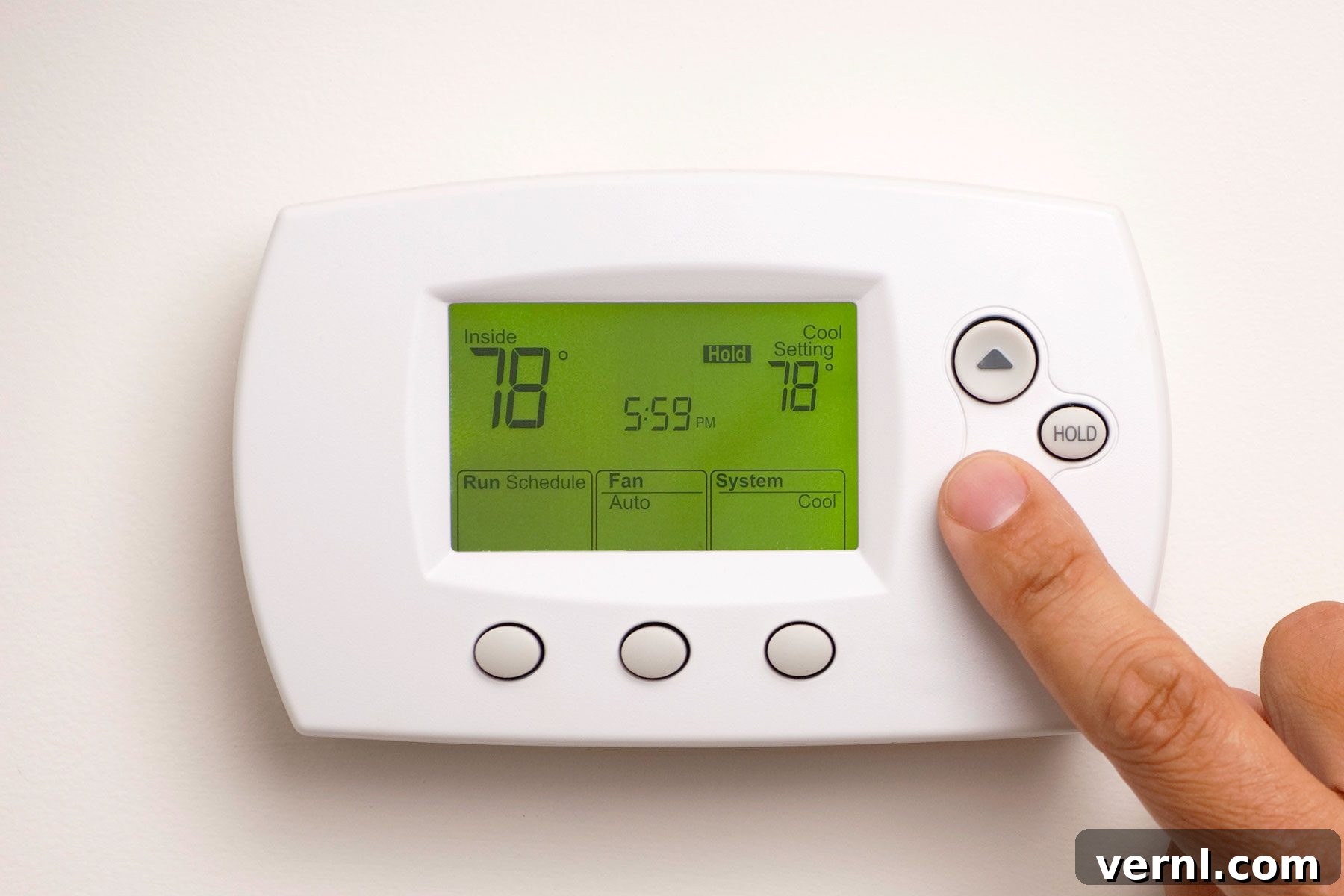
As the scorching summer months arrive, bringing with them record-breaking heatwaves across the nation, many Americans are actively seeking effective strategies to stay cool and safe. A common temptation during these sweltering periods is to drastically lower the thermostat, setting it to a temperature significantly below the ambient outdoor heat. However, insights from leading experts, as recently highlighted by the Washington Post, reveal that this seemingly intuitive approach can be both counterproductive and potentially harmful. Understanding the optimal way to manage your home’s cooling system is crucial for comfort, energy efficiency, and the longevity of your equipment. This comprehensive guide will explain why cranking down your thermostat is inadvisable and outline the best practices for setting your thermostat during the hot season, ensuring a comfortable, sustainable, and cost-effective home environment.
The Pitfalls of Dramatically Lowering Your Thermostat
Many homeowners believe that setting their thermostat to an extremely low temperature, such as 60 degrees, will cool their home faster and more effectively than a modest setting of 70 degrees. This common misconception can lead to several negative consequences, impacting your comfort, your wallet, and even the environment. Let’s delve into the key reasons why a drastic drop in thermostat settings is not the best approach for efficient home cooling.
1. It Doesn’t Speed Up Cooling
One of the primary myths surrounding air conditioning is that a lower thermostat setting accelerates the cooling process. As Jennifer Amann, a senior fellow in the buildings program at the American Council for an Energy-Efficient Economy, explains, “It’s not going to really cool your home any faster.” Shichao Liu, an architectural engineering professor at Worcester Polytechnic Institute, reinforces this point: “People think, ‘If I make the thermostat set point 60, I’ll get more cooling than a set point at 70,’ but that’s not correct. You get the same amount of the cooling.” An air conditioning system operates at a fixed rate, removing heat from your home. Setting it to a much lower temperature simply means the unit will run for a longer duration attempting to reach that target, not that it will cool down your space at a quicker pace. The system’s cooling capacity is a constant; it extracts heat at a steady rate regardless of how low the thermostat is set.
2. Increased Strain and Reduced Lifespan of Your AC Unit
Every air conditioning system is designed with a specific cooling capacity. When you set your thermostat to a temperature far below what the unit can efficiently achieve or maintain, your system will operate continuously in an attempt to meet that unrealistic target. This prolonged, non-stop operation places immense and unnecessary strain on the compressor, fan motors, and other critical components. Running the AC unit constantly can lead to premature wear and tear, increase the risk of breakdowns, and significantly shorten its overall lifespan. Overworking your unit can also cause coils to freeze, reduce efficiency, and eventually necessitate expensive repairs or even a complete system replacement long before it should be necessary. Maintaining your AC within its optimal operating parameters is key to its longevity and reliability.
3. Higher Energy Consumption and Grid Instability
The continuous running of an air conditioner is an energy-intensive process. This not only translates into substantially higher electricity bills but also has significant environmental implications due to increased energy demand, often met by fossil fuel power plants. Beyond the individual cost and carbon footprint, widespread continuous AC usage during peak demand periods can overwhelm the electrical grid. When millions of households simultaneously crank down their thermostats, the power grid experiences immense strain, increasing the risk of brownouts or even widespread power outages. Such failures during heatwaves can be dangerous, leaving communities without crucial cooling when it’s needed most. Promoting responsible air conditioner use contributes to grid stability and helps prevent these critical infrastructure failures.
Mastering Your Thermostat Settings for Summer Comfort and Efficiency
Achieving optimal indoor comfort while maximizing energy efficiency during the summer requires a smart approach to thermostat management. Instead of drastic temperature drops, focus on gradual adjustments and understanding your home’s unique cooling needs. Implementing these strategies will not only keep your home comfortable but also help you save money on energy bills and reduce your environmental impact.
1. Understand Your AC’s Cooling Capacity and Optimal Range
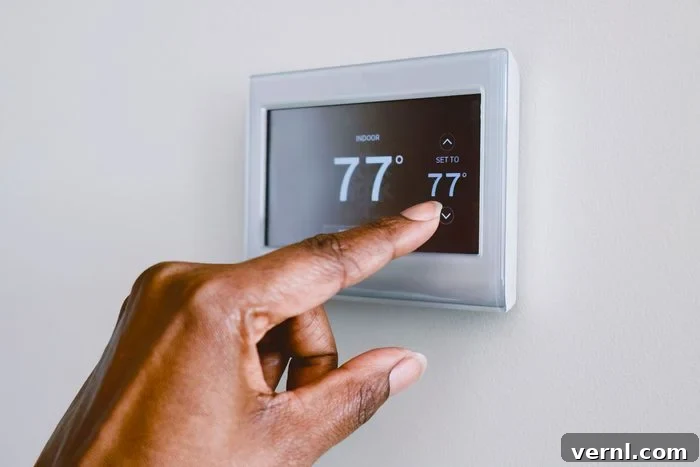
When setting your thermostat, making gradual changes can yield significant benefits. Begin by trying to determine your thermostat’s cooling capacity, either by contacting the manufacturer of your AC unit or consulting with your landlord or HVAC professional. Knowing this number can prevent you from setting a temperature lower than what your system can realistically achieve without excessive strain. If you cannot pinpoint the exact capacity, a general guideline is to maintain temperatures between 71 and 77 degrees Fahrenheit. A 2014 study conducted by the University of Georgia, Athens, found that most individuals report feeling comfortable within this temperature range. This range strikes an excellent balance between comfort and energy conservation.
2. Embrace Slightly Higher Temperatures
If feasible, aiming for the upper end of the 71-77 degree range can lead to substantial energy savings. Thomas Lawrence, a co-author of the aforementioned study and professor of practice emeritus, notes, “If a person was in their house and they’re going to be there all the time, they could maybe turn up to 76 or 77 or so.” He further added, “People should realize that if it’s really hot outside, having [the thermostat] at 77, 78, or even more, on the inside for a little while still feels good.” The human body is remarkably adaptable, and a slight increase in indoor temperature can still feel refreshing when the outside environment is much hotter. This small adjustment contributes significantly to energy efficiency without sacrificing comfort.
3. Adjust for When You’re Away
Optimizing your thermostat settings when your home is unoccupied is a highly effective way to conserve energy. Jennifer Amann emphasizes the substantial difference this can make in supporting power grids. She encourages homeowners to set their thermostat 5 to 10 degrees higher than their usual comfortable setting when they are away from home. The impact of even minor adjustments is notable: an increase of just one degree on your thermostat can result in approximately 1% energy savings. Amann highlights the collective benefit: “If everyone who is away from home has set their thermostat so that they’re saving at least 5% of their cooling, then across all of the houses that can really make a difference in addressing that peak load.” Modern smart thermostats offer programmable schedules and geofencing capabilities, making it easier than ever to implement these energy-saving adjustments automatically.
4. Be Mindful of Peak Energy Consumption Hours
Understanding and responding to peak energy consumption hours is another critical component of responsible thermostat management. These hours typically occur during the hottest parts of the afternoon and early evening when outdoor temperatures are highest and most people return home, simultaneously cranking up their air conditioners. This period places the greatest strain on the power grid. During these times, even a small increase of 1 or 2 degrees on your thermostat can collectively reduce demand and prevent grid overload. By consciously raising your thermostat slightly during peak hours, you contribute to power grid stability, reduce the likelihood of blackouts, and further lower your own energy consumption.
Additional Strategies for Energy-Efficient Home Cooling
Beyond smart thermostat settings, a holistic approach to home cooling involves several other practices that can enhance comfort, reduce energy bills, and prolong the life of your air conditioning system. Integrating these cost-effective energy efficiency tips into your routine will make a noticeable difference.
1. Regular AC Maintenance is Key
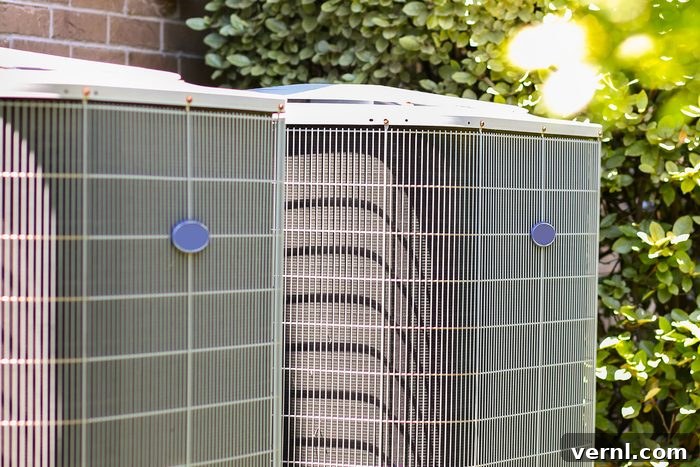
To ensure your air conditioner operates at peak efficiency and provides the best possible cooling, regular and proper maintenance is essential. This includes tasks such as regularly cleaning or replacing your air filters (at least once a month during heavy use), clearing debris from the outdoor condenser unit to ensure proper airflow, and ensuring that all vents inside your home are unobstructed. Neglecting these simple steps can significantly reduce your unit’s efficiency, increase energy consumption, and lead to costly breakdowns. For more in-depth care, consult this list of essential air conditioner maintenance tips. If you encounter any performance issues, begin by checking these simple fixes. Should these basic troubleshooting steps not resolve the problem, there are numerous DIY repairs you can often perform yourself before calling a professional.
2. Explore Alternative Cooling Methods
Before relying solely on your thermostat, consider a variety of other ways to keep your home cool without constantly running the air conditioning. These alternative methods can significantly reduce your AC usage, saving energy and money:
- Utilize Fans: Ceiling fans and portable fans create a wind-chill effect, making a room feel cooler without lowering the air temperature. This often allows you to set your thermostat a few degrees higher. Remember to turn them off when you leave a room, as they cool people, not spaces.
- Strategic Window Treatments: Keep blinds, curtains, and shades closed, especially on south and west-facing windows, during the hottest parts of the day to block solar gain. Blackout curtains are particularly effective at keeping heat out.
- Seal Air Leaks: Inspect windows, doors, and ductwork for drafts and seal any leaks with caulk or weatherstripping. Air leaks can account for a significant amount of heat entering your home, making your AC work harder.
- Improve Insulation: Adequate insulation in your attic, walls, and crawl spaces acts as a barrier against heat transfer, keeping hot air out in summer and warm air in during winter.
- Limit Heat-Generating Appliances: Postpone using heat-generating appliances like ovens, dishwashers, and clothes dryers until the cooler evening hours. Opt for grilling outdoors or preparing no-cook meals.
- Energy-Efficient Lighting: Switch to LED bulbs, which produce significantly less heat than traditional incandescent bulbs, contributing to a cooler indoor environment.
- Ventilate at Night: If evening temperatures drop considerably, open windows and use fans to draw in cooler air, then close them in the morning before the heat builds up.
- Consider Landscaping: Planting trees or shrubs strategically around your home can provide natural shade, reducing the amount of direct sunlight hitting your walls and roof.
By implementing these 12 alternative ways to cool your home, you’ll not only feel more comfortable but also significantly lighten the load on your air conditioner and your wallet. These strategies, combined with smart thermostat usage, form a powerful arsenal against summer heat, promoting both personal comfort and environmental responsibility.