
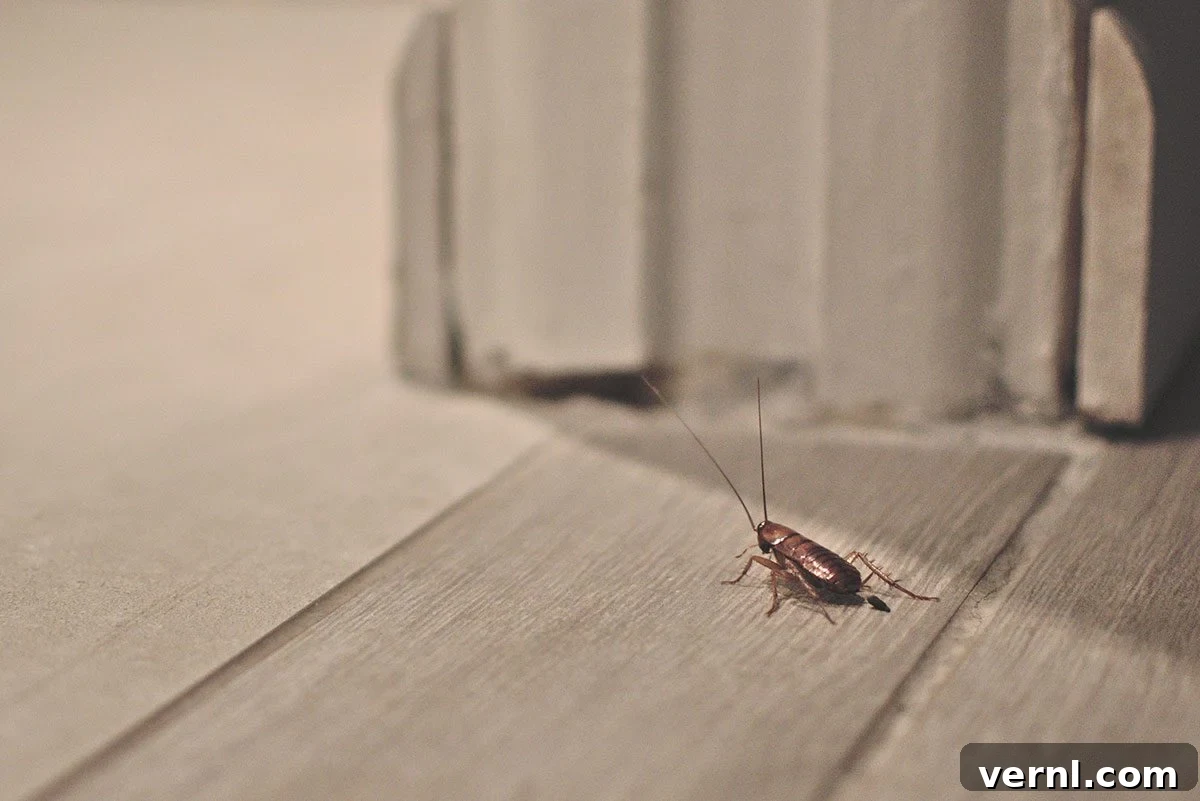
Finding cockroaches in your home is an unsettling experience that often sparks immediate concern. Beyond the initial shock, these resilient pests pose significant threats to the health of individuals, the safety of pets, the integrity of properties, and the reputation of businesses. Their ability to carry and transmit harmful pathogens makes understanding their dangers and implementing effective control crucial for maintaining a healthy and hygienic environment.
The U.S. Environmental Protection Agency (EPA) highlights that cockroaches are vectors for various harmful bacteria, including Salmonella, Staphylococcus, and Streptococcus. These microbes can contaminate food, kitchen surfaces, and other household items, leading to a range of diseases. In commercial settings, particularly restaurants and food processing facilities, a cockroach infestation can severely compromise food safety standards and inflict irreparable damage on a business’s reputation and financial stability.
To help you navigate the complexities of cockroach infestations, we’ve gathered expert insights from Dr. Chad Gore, an entomologist and market technical director with Rentokil Terminix, and Rachel Maccini, a pesticide safety education coordinator at the University of New Hampshire Cooperative Extension. They shed light on the critical signs to watch for and effective strategies for managing these unwelcome intruders.
The Hidden Dangers Cockroaches Pose to Human Health
Beyond their unsightly presence and nuisance factor, cockroaches carry a multitude of bacteria and allergens that can significantly impact human health, particularly for individuals with asthma and other respiratory issues.
Compromised Cleanliness and Pathogen Spread
One of the clearest indicators of a cockroach presence in your home is the tell-tale sign of their droppings. As opportunistic eaters that consume almost anything, cockroaches defecate indiscriminately across surfaces as they move. These feces—typically small, dark brown or black pellets resembling ground coffee or black pepper, though their appearance can vary by species—create unsanitary conditions that foster the growth and spread of harmful microbes and allergens. This constant contamination turns infested areas into breeding grounds for various ailments.
Transmission of Diseases and Bacteria
Cockroaches are not direct carriers of disease in the same way a mosquito transmits malaria. Instead, they act as mechanical vectors, picking up pathogens on their bodies, legs, and mouths from unsanitary environments (like sewers, garbage, and decaying matter) and then transferring them to food preparation surfaces, utensils, and stored food items. This indirect contamination can expose humans to a range of illnesses. Key pathogens linked to cockroaches include:
- Salmonella: A leading cause of food poisoning, characterized by fever, abdominal cramps, diarrhea, and vomiting.
- Staphylococcus: Can cause skin infections, food poisoning, and more serious conditions like pneumonia or sepsis.
- Streptococcus: Responsible for various infections, from strep throat to skin infections and, in severe cases, toxic shock syndrome.
- E. coli: Certain strains can cause severe abdominal cramps, bloody diarrhea, and vomiting, sometimes leading to kidney failure.
- Pseudomonas aeruginosa: Often associated with hospital-acquired infections, affecting the lungs, urinary tract, and skin.
- Klebsiella pneumoniae: A common cause of pneumonia, bloodstream infections, wound infections, and surgical site infections.
The danger lies in the cockroach’s habit of scavenging in unsanitary locations and then infiltrating human living spaces, bringing these pathogens directly into contact with our food and daily environments.
Allergies and Asthma Triggers
For many individuals, exposure to cockroaches can trigger significant allergic reactions and exacerbate asthma symptoms. The allergens are found in various parts of the cockroach, including their saliva, feces, and shed exoskeletons (cast skins). These microscopic particles become airborne and can be inhaled, leading to symptoms akin to dust allergies, such as sneezing, itchy eyes, runny nose, skin rashes, and respiratory distress. “Children in particular can be at risk,” notes Rachel Maccini, as their developing respiratory systems are more susceptible to these irritants.
Dr. Gore emphasizes the critical link between cockroach presence and disease transfer: “While cockroaches are not directly tied to the transmission of disease, they do often visit some very unsanitary conditions. As a result, they have the potential to mechanically transfer any number of disease-causing organisms, including various bacteria, viruses, and fungi.” This highlights the paramount importance of maintaining a clean and hygienic environment to deter cockroach infestations and minimize health risks.
Rare, but Possible: Cockroach Bites
Cockroaches are omnivores that typically feed on plants and decaying organic matter. They are not generally aggressive towards humans and will rarely bite unless severely provoked, or in extreme cases of large infestations where food sources are scarce. If a cockroach bite does occur, it’s usually at night when the pests are most active and may be seeking food residue near a sleeping person’s mouth, face, or nails. The bite will typically appear as a small, pink, raised bump on the skin, similar to other insect bites, and may be accompanied by mild irritation or swelling.
While generally harmless and not known to transmit pathogens directly through their bite, proper care is still advised:
- Clean the area: Wash the bite site thoroughly with soap and water to remove any potential bacteria and prevent secondary infection.
- Reduce swelling: Apply ice or a cold compress to the area if swelling or discomfort occurs.
- Alleviate itching: Use an over-the-counter antihistamine cream or hydrocortisone to relieve any itching.
If symptoms persist or worsen, consulting a healthcare professional is always recommended.
Dangers Cockroaches Pose to Your Beloved Pets
Pet owners often worry about the interaction between their furry companions and pests. Fortunately, most cockroaches are much smaller than dogs and cats and tend to avoid larger animals. While roaches themselves are not inherently poisonous, a pet consuming a clean cockroach is unlikely to face immediate harm. However, as with any household pest your pet might consume, there’s always a risk of bacterial transmission. If you observe your pet eating a cockroach, it’s wise to monitor them for any adverse reactions, such as vomiting, diarrhea, or unusual lethargy.
A more significant concern for pets arises not from the cockroaches themselves, but from the chemicals and poisons commonly used to eliminate roaches. Many conventional insecticides and roach toxins can be highly dangerous to pets if ingested or even if they come into prolonged skin contact. Rachel Maccini warns, “Using cockroach pesticides around pets poses risks such as poisoning, skin irritation, or respiratory issues, especially if the chemicals are ingested or inhaled. Common insecticides like boric acid, pyrethroids, or bait gels can be toxic to animals if not used properly.” Therefore, it is absolutely essential to keep all pest control products strictly out of reach of pets and to use only pet-safe alternatives or professional services when dealing with an infestation in a pet-friendly home.
Significant Threats to Property and Business Operations
The presence of cockroaches extends its detrimental impact beyond health risks, posing substantial threats to physical property and the operational viability of businesses. As notorious carriers of disease and bacteria, roaches create an unsanitary and unhealthy environment that can lead to tangible damage and severe economic consequences.
Property Damage and Contamination
While often overshadowed by their health risks, cockroaches can cause considerable property damage, especially in large infestations. Their constant foraging can lead them to chew on various materials, including paper products, books, fabrics, and even electrical insulation, potentially creating fire hazards. A major infestation also leaves behind an unpleasant, persistent odor caused by their secretions, feces, and decomposing bodies. This distinct, musty smell can permeate walls, furniture, and clothing, making a home feel perpetually unclean and difficult to remedy without extensive professional cleaning and pest eradication.
Beyond structural harm, cockroaches contaminate food storage areas, pantries, and food preparation surfaces. They can infiltrate packaged goods, ruining edibles and requiring costly disposal. This level of contamination not only presents health risks but also leads to significant financial losses from spoiled inventory and the need for frequent deep cleaning.
Jeopardizing Business Reputation and Operations
For commercial establishments, particularly those in the hospitality, food service, retail, and healthcare sectors, a cockroach infestation can be catastrophic. No customer wants to see cockroaches in their favorite restaurant, hotel, or a retail store. The immediate consequences include:
- Reputational Damage: A single sighting by a customer can spread rapidly through word-of-mouth, online reviews, and social media, permanently damaging a business’s brand image and trust. Rebuilding a tarnished reputation can be a lengthy and expensive process.
- Health Code Violations: Health inspectors take cockroach infestations very seriously. Violations can lead to hefty fines, mandatory closures, and even the revocation of operating licenses, resulting in significant financial losses and operational downtime.
- Financial Losses: Beyond fines and potential closures, businesses face costs related to product spoilage, extensive pest control treatments, staff retraining on hygiene protocols, and decreased customer traffic.
- Employee Morale: Working in an environment plagued by pests can severely impact employee morale and productivity.
If you observe signs of cockroaches, immediate and decisive action is imperative to mitigate the problem. Learning effective steps to eradicate cockroaches or, ideally, hiring a professional exterminator for a comprehensive evaluation and tailored solution, is crucial for protecting health, property, and business integrity.
Effective Tips to Prevent Cockroaches in Your Home, Especially with Pets
Discovering cockroaches in your home presents an immediate challenge, particularly for pet owners. While the urge to eliminate these unwelcome pests quickly is strong, ensuring the safety of your pets must always be the top priority. Fortunately, numerous effective and pet-safe cockroach control methods are available.
Dr. Gore provides crucial guidance on insecticide use around pets: “When used according to the label, insecticides used to treat cockroaches can be safe to use around pets. It’s important to read and follow the Directions for Use section of the product label. It’s best practice not to place or apply insecticides in areas where pets can easily encounter them.”
He further elaborates on a highly effective and safer option: “Gel baits are the most widely used and efficacious insecticides against cockroaches. Since cockroaches tend to be fairly secretive and hide in cracks, crevices, and voids, placing those baits in those areas is best. Those areas tend to be inaccessible to pets, making them safer to use.”
Seal All Potential Roach Entry Points
Cockroaches are master infiltrators, capable of squeezing through incredibly tiny spaces. Conduct a thorough inspection of your home, paying close attention to cracks in foundations, gaps around pipes, utility lines, windows, and doors. Seal these entry points with appropriate, pet-safe materials like caulk, weatherstripping, door sweeps, and screens. This physical barrier is a fundamental step in preventing future infestations.
Harness the Power of Natural Repellents
Certain common kitchen ingredients and essential oils can act as deterrents. For example, peppermint oil, when properly diluted, is known for its strong scent that repels roaches. Cedarwood oil also offers effective repellent properties. When using essential oils, always dilute them with a carrier oil (like water or rubbing alcohol) and apply them sparingly to areas your pets cannot reach, lick, or rub against. Ensure treated surfaces are completely dry before allowing pets access to these spaces. Other natural options include bay leaves, garlic, or catnip placed strategically in cabinets or pantries.
Opt for Boric Acid Alternatives and Pet-Safe Baits
Traditional boric acid baits can pose risks to pets if ingested. Fortunately, commercial manufacturers now offer specialized pet-safe baiting systems that utilize less toxic ingredients for mammals while remaining lethal to insects. Many of these newer baits employ insect growth regulators (IGRs) that disrupt the cockroach life cycle without posing significant danger to household pets. Always look for products specifically labeled as “pet-safe” and ensure consistent application and regular replacement to maintain maximum effectiveness.
Implement a Robust Clean Home Strategy
One of the most effective and universally safe approaches to removing and preventing roaches is meticulous home hygiene. Cockroaches are attracted to food, water, and shelter. Eliminating these attractants drastically reduces their appeal to pests. This includes:
- Wiping down all kitchen surfaces daily, including counters, stovetops, and sinks.
- Promptly cleaning up food crumbs and spills.
- Storing all food, including pet food, in airtight containers.
- Emptying garbage cans regularly and using bins with tight-fitting lids.
- Fixing leaky faucets, pipes, and other sources of moisture.
- Reducing clutter, especially in dark, undisturbed areas like under sinks, in pantries, and storage rooms.
“Understanding both the health risks posed by cockroaches and the potential dangers of improper pesticide use around pets highlights the importance of integrated pest management (IPM) — using safe, targeted control methods while maintaining cleanliness to reduce infestations and protect human and animal health,” advises Rachel Maccini, underscoring the holistic approach necessary for lasting pest control.
Frequently Asked Questions About Cockroaches
Which businesses are most at risk for cockroach infestations?
Businesses with ample food sources, moisture, and numerous hiding spots are highly susceptible. This includes multi-unit housing complexes, restaurants and commercial kitchens, grocery stores, bakeries, hospitals, and any facility involved in food processing or storage. In these environments, infestations can spread rapidly due to interconnected structures and constant movement of goods, making professional pest control absolutely essential for effective eradication and ongoing prevention.
What are the common signs of a cockroach infestation?
Besides seeing a live cockroach (especially during the day, which indicates a large infestation), other signs include droppings (small, dark pellets or smears), foul, musty odors, shed skins (exoskeletons), egg capsules (oothecae), and damage to food packaging or other materials.
What attracts cockroaches to a home or business?
Cockroaches are primarily attracted to sources of food, water, and shelter. This includes uncovered food, crumbs, grease spills, leaky pipes, pet food left out, garbage, and cluttered spaces that provide ideal hiding spots. Warm, humid environments are particularly appealing to them.
About Our Expert Contributors
Dr. Chad Gore is an accomplished Entomologist and Market Technical Director with Rentokil Terminix. With over 17 years of dedicated service in the field of pest management, Dr. Gore brings extensive knowledge and practical experience in insect biology and control strategies.
Rachel Maccini serves as a Pesticide Safety Education Field Specialist with the University of New Hampshire Extension. She is a recognized authority in her field, boasting over 20 years of experience in pesticide safety training, integrated pest management (IPM) practices, and ensuring regulatory compliance.
Sources and Further Reading
- University of Minnesota Extension
- National Pesticide Information Center
- Environmental Protection Agency (EPA)