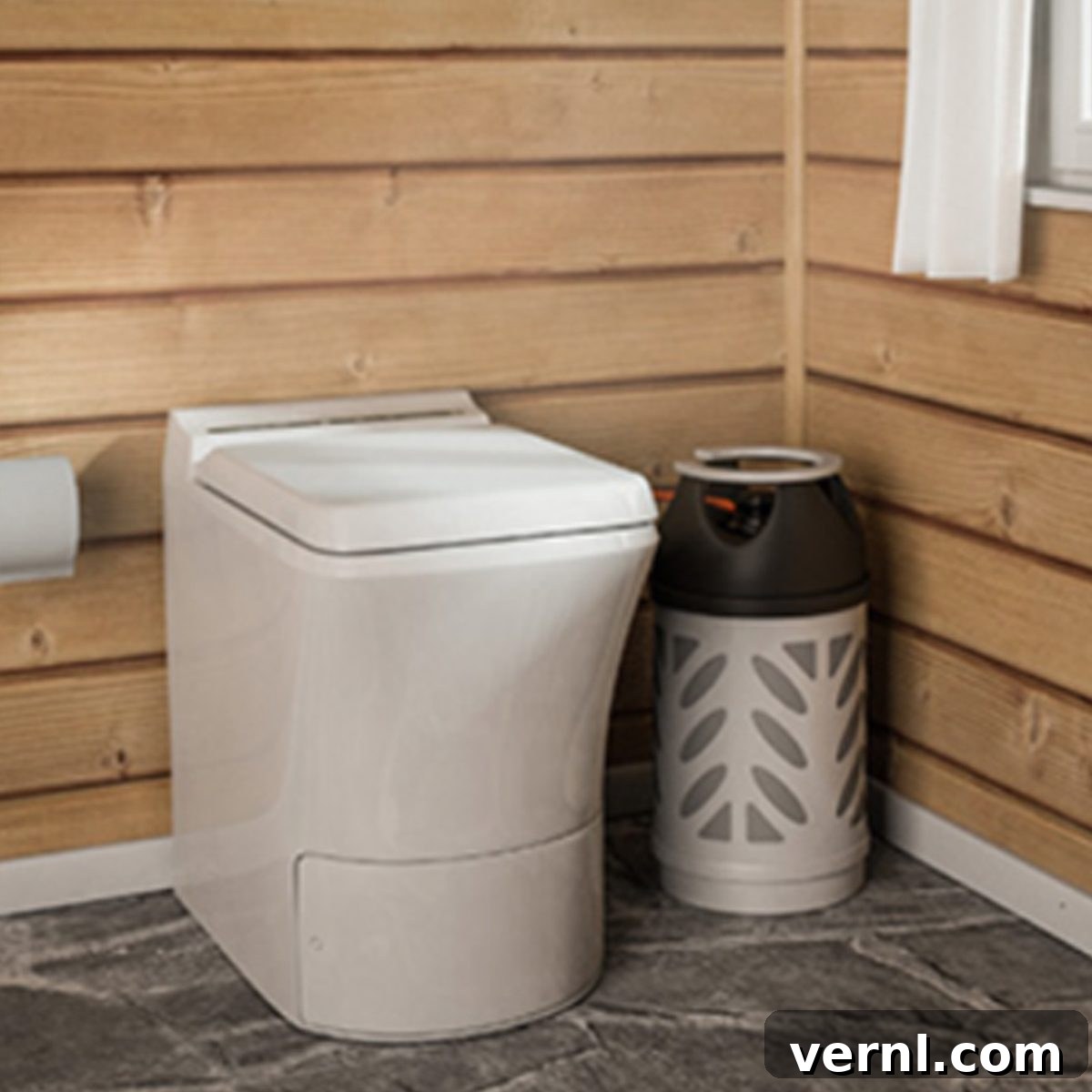
The Modern Solution for Off-Grid Waste: A Comprehensive Guide to Incinerating Toilets
In an increasingly interconnected world, there remain vast stretches where conventional utility services, such as municipal sewer lines or even reliable water supplies, are simply unavailable or impractical to install. For homesteaders, cabin owners, tiny home residents, and those embracing an off-grid lifestyle, managing human waste presents a unique and often perplexing challenge. Traditional methods, like the venerable outhouse, offer a rustic solution but come with their own set of inconveniences – the need for relocation as they fill up, exposure to the elements during use, and the spatial requirements for their placement away from living areas. As sustainable living gains traction and innovative technologies emerge, homeowners now have more sophisticated alternatives for in-house waste management.
Among these modern solutions, chemical, composting, and incinerating toilets stand out. While each offers distinct advantages for different scenarios, incinerating toilets are rapidly gaining recognition for their exceptional cleanliness, efficiency, and remarkable ability to reduce human waste to sterile ash. This innovative approach effectively bypasses the need for water-intensive flushing and complex sewage or septic systems, offering unparalleled freedom and convenience. If you’ve never encountered this groundbreaking waste disposal method, prepare to discover everything you need to know about incinerating toilets and why they might be the perfect fit for your unique needs and a more self-sufficient lifestyle.
What Exactly is an Incinerating Toilet?
At its core, an incinerating toilet is a sophisticated waste management appliance designed to hygienically process human waste by burning it at extremely high temperatures. The name itself, “incinerating,” accurately describes its primary function: reducing both solid and liquid waste to a minimal amount of sterile, pathogen-free ash. Unlike conventional flush toilets that rely heavily on water and a connection to a sewer or septic system, incinerating toilets are engineered for complete independence. They are self-contained units that require no water connection for flushing and no elaborate plumbing for waste disposal, making them an ideal choice for remote locations, off-grid homes, cabins, workshops, RVs, and marine applications where resource scarcity or infrastructure limitations are common.
These innovative systems come in various configurations. The most common are standalone units, designed for individual or family use, which offer straightforward installation and operation. However, for larger households or commercial settings, more advanced systems are also available that can connect multiple toilet fixtures to a central incineration unit. The engineering behind these toilets focuses on both efficiency and environmental responsibility. They are built with robust, heat-resistant materials to withstand intense temperatures and are equipped with advanced features to ensure safe, clean, and odor-free operation. This technology fundamentally transforms how we approach waste disposal in challenging environments, offering a clean, compact, and sustainable alternative to traditional methods.
How Incinerating Toilets Work: A Detailed Overview
The operational principle of an incinerating toilet is surprisingly straightforward yet technologically advanced, seamlessly integrating combustion with waste management. Visually, an incinerating toilet often resembles a standard toilet bowl, though its internal workings are vastly different. Beneath the cone-shaped bowl lies a crucial component: the waste reservoir, which houses the high-temperature incinerator chamber. This chamber is the heart of the system, where the transformative process takes place.
Many standalone models incorporate a unique user step: before each use, a special cone-shaped paper liner is inserted into the bowl. This liner serves multiple purposes, primarily to facilitate the easy and hygienic transfer of waste into the incineration chamber and to keep the bowl itself clean and free from residue. Some models, however, incorporate a small, self-contained water reservoir designed to briefly rinse the bowl after each use, offering a more traditional ‘flush’ feel without consuming significant amounts of water or requiring a continuous external water supply.
Once the toilet is used and the ‘flush’ button is activated (or the lid is closed, depending on the specific model), the contents, along with the paper liner if used, are deposited directly into the incinerator chamber. In some gas-powered or multi-unit systems, a screw gear mechanism or an internal grinder may assist in moving the waste efficiently to the burning chamber, ensuring all material is properly positioned for combustion. The burn cycle then commences, typically reaching extremely high temperatures, often ranging from 1000°F to 1200°F (550°C to 650°C). This intense heat ensures the complete combustion of both solid and liquid waste, effectively sterilizing and reducing it to a very small volume of pathogen-free, inert ash.
A critical aspect of their design, particularly for indoor use, is the sophisticated exhaust system. During the incineration process, various gases, some of which can be odorous, are produced. To maintain an odor-free indoor environment and comply with environmental standards, these gases are directed through a dedicated vent pipe, usually routed vertically through the roof. The most advanced incinerating toilets are fitted with a catalytic converter, akin to those found in modern automobiles. This catalytic converter plays a vital role in ‘scrubbing’ the exhaust gases, breaking down harmful byproducts and neutralizing unpleasant odors into harmless, clean air and water vapor before they are released into the atmosphere. This innovative feature ensures that while the waste is being incinerated, the indoor air quality remains unaffected, and outdoor emissions are minimized, addressing key concerns about environmental impact and user comfort.
The end product of this efficient combustion process is a small amount of fine, sterile ash. A single use typically generates about a teaspoon of ash, accumulating to approximately a cup of ash per person per week. This ash collects in a designated reservoir or drawer at the base of the toilet, situated directly beneath the incineration chamber. Periodically, this reservoir needs to be emptied, a task usually simplified by a removable drawer design for easy access. The resulting ash is not only free of bacteria, viruses, and other pathogens, making it completely hygienic and safe to handle, but it is also rich in essential plant nutrients like potassium and phosphorous. This makes it suitable for responsible use as a garden fertilizer or soil amendment, effectively closing the loop on waste and transforming it into a beneficial resource, contributing to a truly sustainable waste management cycle.
The burn cycle’s duration varies by model and the amount of waste being processed, but it is typically designed to complete efficiently and automatically. Many units are designed for flexibility, allowing for successive uses: the burn cycle might pause or be initiated by a button press, enabling multiple users to operate the toilet before a full incineration cycle is complete. This feature enhances convenience, especially in busy settings or multi-person households.
Exploring the Different Types of Incinerating Toilets
Incinerating toilets are primarily categorized by their fuel source, which significantly dictates their operational characteristics, power requirements, and ideal applications. While all models require some form of electricity to power their controls, fans, and ignition systems, the main energy for the actual incineration comes from either direct electricity, propane, natural gas, or diesel.
Electric Incinerating Toilets
Electric incinerating toilets represent a straightforward solution for locations with reliable access to grid electricity or a robust off-grid solar/battery system capable of delivering sufficient peak power. These units utilize a powerful radiant heating element within the incineration chamber to generate the high temperatures required for complete combustion. Each burn cycle for an electric model consumes a noticeable amount of electricity, typically ranging from 1.5 to 2 kilowatt-hours (kWh). To put this into a financial perspective, at a national average electricity rate of around $0.15 per kWh, each flush would incur a cost of approximately $0.22 to $0.30. While this might seem higher than the minimal cost of water for a conventional flush toilet (estimated by the U.S. Department of Energy at around $0.015 to $0.03 per flush), it is crucial to consider the absence of water usage, the elimination of septic system costs and maintenance, and the overall convenience and independence offered by an electric incinerating toilet.
Installation for electric models generally involves plugging the unit into a standard 120-volt, 20-amp electrical circuit or, for higher-powered models, hard-wiring it directly. Due to their power demands during the burn cycle, a dedicated circuit is often recommended to prevent overloading existing household circuits. Their primary advantage lies in their simplicity of operation – no need for fuel canisters or lines – making them very user-friendly in electrically serviced areas. They offer consistent performance and, when paired with renewable energy sources like solar, can become a truly sustainable waste disposal option.
Gas and Diesel Incinerating Toilets
For environments where grid electricity is scarce, intermittent, or entirely unavailable, gas and diesel-fueled incinerating toilets offer a robust and highly effective alternative. These models typically house their primary burn chamber either behind or integrated within the main unit, with waste fed into it via a screw gear mechanism. They are specifically designed to operate using propane, natural gas, or diesel as their primary fuel source for combustion. A significant difference in operation for many gas units is that they do not necessarily incinerate after every single use. Instead, they often accumulate waste in a holding reservoir and initiate a burn cycle only when the reservoir reaches a predetermined level, typically after 40 to 60 uses. This batch processing approach can make them more fuel-efficient and extend the time between burn cycles.
The fuel consumption of these units is remarkably efficient; for instance, a five-gallon bottle of propane can fuel approximately 1,000 uses, translating to an estimated operational cost of about $0.08 to $0.10 per flush. This makes them significantly more economical per flush than electric models, especially in areas where propane or diesel is readily available and competitively priced. While the primary combustion is fuel-based, these units still require a small amount of electricity (either 12-volt or 120-volt, depending on the model) to power the internal gears, fans for combustion air and exhaust, igniters, and the control panel. This minimal electrical requirement can often be easily met by a small battery bank, a standalone solar setup, or even a vehicle’s electrical system, making them an ideal choice for truly off-grid cabins, remote hunting lodges, construction sites, boats, and RVs where independent power sources are common and essential for full self-sufficiency.
Waste Combustion Systems (Multi-Toilet Integrated Systems)
Beyond standalone units, more comprehensive waste combustion systems are available for situations requiring multiple toilets, such as larger off-grid compounds, small commercial facilities, or specialized industrial applications. These advanced systems typically consist of several conventional-looking toilets, each equipped with an internal grinder, connected via a network of pipes to a central collection reservoir. Unlike their standalone counterparts, these toilets usually employ a small amount of water to flush waste into the grinder, which then transforms it into a liquid slurry. This slurry is subsequently transferred through the plumbing network to a large, central reservoir, which is often buried near the main incinerating unit.
Once the central reservoir reaches a pre-defined fill level, a robust pump automatically transfers the accumulated waste slurry to the high-capacity incinerator for processing. These systems are designed for higher volume and continuous operation, offering a seamless waste management experience for multiple users. Due to their inherent complexity, which includes plumbing for multiple toilets, sophisticated grinder integration, powerful pump mechanisms, and the installation of a central incinerator unit, professional installation by a qualified plumber or specialized technician is almost always required. This contrasts sharply with the generally DIY-friendly setup of standalone incinerating toilets. While the initial investment and installation costs are higher, these systems offer a scalable and highly efficient solution for comprehensive waste management in larger, multi-user environments without access to conventional septic or sewer infrastructure.
The Undeniable Benefits of Embracing an Incinerating Toilet
The unique design and function of incinerating toilets offer a compelling array of advantages, making them an attractive solution, particularly for those living off-grid, in remote locations, or simply seeking more sustainable waste management:
-
1. Superior Sanitation and Hygiene: One of the most significant benefits is the unparalleled level of sanitation. The high-temperature combustion process completely sterilizes human waste, destroying all bacteria, viruses, and pathogens. The resulting ash is inert, sterile, and safe to handle, eliminating the health risks associated with raw sewage and significantly reducing the potential for disease transmission, unlike septic systems or outhouses that can harbor dangerous microorganisms.
-
2. Unmatched Water Conservation: In an era where water scarcity is a growing concern, incinerating toilets are champions of conservation. Most standalone models operate entirely without water for flushing, effectively eliminating their water footprint and significantly reducing household water consumption – a critical factor for off-grid homes, drought-prone areas, or locations with limited well capacity. Even multi-toilet combustion systems use only a minimal amount of water, vastly less than traditional flush toilets, contributing to overall water savings.
-
3. Simplified Installation and Freedom from Plumbing: Forget complex sewer lines, elaborate septic drain fields, or intricate plumbing networks. Incinerating toilets bypass these entirely. Installation is remarkably straightforward: position the unit in its desired location, connect a vent pipe for exhaust (usually through a roof or wall), and hook it up to its designated power or fuel source. This simplicity saves considerable time, effort, and expense on installation, making them accessible even to those with limited plumbing expertise, particularly for standalone units. This eliminates the need for expensive trenching and permits associated with conventional septic systems.
-
4. Odorless Operation for Enhanced Comfort: A common concern with any alternative toilet system is the potential for unpleasant odors. Incinerating toilets, especially modern models equipped with advanced catalytic converters and efficient forced-air ventilation systems, are engineered to be virtually odorless during and after operation. The powerful vent fan actively exhausts any gases produced during combustion, and the catalytic converter neutralizes odors by breaking down volatile organic compounds, ensuring a fresh and pleasant indoor environment that rivals traditional flush toilets.
-
5. Compact and Space-Saving: Unlike traditional septic systems that require large drain fields for effluent dispersal or some composting toilets that need additional space for compost processing and storage, incinerating toilets are compact, self-contained units that fit comfortably within standard bathroom dimensions. This makes them ideal for tiny homes, small cabins, RVs, boats, or any space where maximizing square footage and minimizing footprint is crucial.
-
6. Environmentally Responsible Waste Reduction: By reducing human waste to a small quantity of sterile ash, incinerating toilets significantly minimize the environmental footprint of waste disposal. This inert ash can often be safely and beneficially used as a soil amendment, providing a sustainable end-of-life cycle for waste and reducing reliance on landfills. They also completely eliminate the potential for groundwater contamination associated with failing septic systems or poorly managed outhouses.
-
7. Versatile Application: Their independence from water and sewer lines makes them incredibly versatile. Incinerating toilets are perfect for remote cabins, hunting lodges, workshops, construction sites, marine vessels, RVs, and emergency preparedness kits. Anywhere conventional plumbing is impractical, impossible, or too costly to install, an incinerating toilet offers a reliable, clean, and efficient waste management solution.
Understanding the Drawbacks of Incinerating Toilets
While offering numerous and compelling advantages, it is equally important to consider the potential downsides of incinerating toilets to make a truly informed decision about their suitability for your specific situation:
-
1. Higher Operational Costs: The most prominent drawback is the energy consumption required for the incineration process. Whether electric, gas, or diesel-powered, these units consume fuel, leading to higher recurring operating costs compared to the negligible cost of water for a conventional toilet. Users must factor in the ongoing expense of electricity or fuel (propane, natural gas, diesel), which can add up over time, especially with frequent use.
-
2. Significant Initial Investment Cost: Incinerating toilets represent a substantial upfront investment. They are generally more expensive to purchase than conventional toilets, basic composting toilets, or even some entry-level septic systems. While they can offset costs by eliminating septic field installation or extensive plumbing, the initial unit cost can be a significant barrier for some budgets.
-
3. Maintenance and Cleaning Considerations: While emptying the ash reservoir is straightforward, cleaning the bowl itself, particularly in waterless models, can sometimes be more challenging than cleaning a smooth ceramic flush toilet. Burnt residue might occasionally adhere to the chamber if not used correctly or if the burn cycle is interrupted, requiring periodic more thorough cleaning. Models requiring special paper liners also introduce a recurring cost and the need to consistently replenish supplies, which can be an inconvenience.
-
4. Ash Nutrient Content: While the ash produced is sterile and contains beneficial elements like potassium and phosphorous, it lacks the rich, organic matter, nitrogen, and diverse microbial community found in well-made organic compost. Therefore, while it can serve as a beneficial soil amendment, it shouldn’t be considered a direct substitute for high-quality organic compost in gardening applications requiring comprehensive nutrient profiles.
-
5. Potential for Emissions: Although modern units with advanced catalytic converters are meticulously designed to minimize harmful emissions and odors, older or poorly maintained units, or those without sophisticated filtration, could potentially release pollutants into the atmosphere. It is crucial to ensure proper installation of the venting system and adhere to regular maintenance schedules to mitigate any environmental concerns related to exhaust gases.
-
6. Noise and Heat Generation: During the active burn cycle, incinerating toilets can produce a noticeable fan noise as the unit draws air for combustion and vents exhaust. Additionally, the unit itself can generate some heat in the immediate surrounding area. This might be a consideration in very small, poorly ventilated spaces, or during warmer months, potentially requiring additional ventilation for user comfort.
-
7. Reliance on Power Supply: Even gas and diesel-fueled models require electricity to power their controls, fans, igniters, and other internal mechanisms. This means a complete reliance on an external power source – whether grid electricity, a robust solar setup, or a battery bank – is necessary for operation. A power outage, depending on the model and the availability of backup power, would temporarily render the toilet unusable until power is restored, which can be an important consideration for critical infrastructure.
Navigating Legality and Regulations for Incinerating Toilets
The legal landscape surrounding alternative waste disposal systems like incinerating toilets can be complex and varies significantly by jurisdiction, making prior research and consultation essential. While several states, including Massachusetts, Arkansas, Colorado, Florida, Idaho, Washington, Texas, and Montana, explicitly provide guidelines or allow for composting toilets, specific, clear-cut regulations for incinerating toilets are often less defined or entirely absent in state-level plumbing and health codes. This lack of explicit guidance does not necessarily imply a ban on their use but rather indicates a regulatory vacuum that necessitates proactive engagement with local authorities.
Ultimately, the final authority on the installation and use of an incinerating toilet typically rests with your local plumbing and health departments, or sometimes environmental agencies. Before purchasing or installing any unit, it is absolutely crucial to consult with these local agencies. They will be able to advise on local building codes, environmental regulations, any specific permits required for installation, and necessary inspections that may be mandated. Factors they might consider include the proposed venting system, the potential for emissions (even with catalytic converters), acceptable ash disposal methods, and the overall impact on public health and the local environment. Some jurisdictions may consider incinerating toilets under general “alternative waste disposal” guidelines, while others might require a special variance or permit based on a comprehensive, case-by-case review of the specific unit and installation plan. Due diligence in this area can prevent costly legal issues, fines, or the unfortunate forced removal of a newly installed system, ensuring your waste management solution is compliant and stress-free.
Essential Maintenance Tips for Your Incinerating Toilet
To ensure the longevity, peak efficiency, and hygienic operation of your incinerating toilet, regular maintenance is key. While these units are designed for minimal upkeep, adhering to a few simple tasks will keep them running smoothly and reliably for years:
-
1. Regular Ash Emptying: This is the most frequent maintenance task. Depending on usage frequency and the number of users, the ash reservoir needs to be emptied periodically, typically every week or two for a family of four. Always ensure the unit has completely cooled down before removing the ash drawer. Dispose of the sterile ash responsibly; its beneficial mineral content makes it an excellent candidate for use as a garden fertilizer or soil amendment, following local guidelines.
-
2. Vent Pipe Inspection and Cleaning: Over time, creosote or other combustion residues can accumulate in the vent pipe, especially with heavy use or if the unit is not operating optimally. Periodically inspect the vent pipe for any blockages or buildup. Cleaning it with a brush designed for stove pipes or chimney cleaning can prevent efficiency loss, reduce potential fire hazards, and maintain proper ventilation. Also, ensure the exterior vent cap is free from debris like bird nests, leaves, or insect screens that could impede airflow.
-
3. Bowl Cleaning (as needed): For models that use paper liners, the bowl generally stays remarkably clean with minimal effort. For water-rinse models, regular wiping with a non-abrasive cleaner might suffice. If any burnt residue occasionally adheres to the burn chamber or bowl, allow the unit to cool completely, then gently scrape or brush it away using a non-metallic tool. Always follow the manufacturer’s specific cleaning instructions and avoid harsh or abrasive chemicals that could damage the unit’s surfaces.
-
4. Catalytic Converter Check (if applicable): If your model includes a catalytic converter for enhanced emissions control, consult the manufacturer’s guidelines for its expected lifespan and any recommended cleaning or replacement intervals. A malfunctioning or clogged catalytic converter can lead to increased odors and reduced air quality, so maintaining its effectiveness is crucial.
-
5. General Inspection: Annually, or more frequently with heavy use, perform a general inspection of the entire unit. Check all electrical connections for tightness and signs of wear. For gas/diesel models, inspect fuel lines for leaks or damage. Verify that the fan operates correctly and that all door seals are intact and creating a proper seal. Promptly address any unusual noises, odors, or operational anomalies to prevent minor issues from escalating.
Key Installation Considerations for Incinerating Toilets
While standalone incinerating toilets are often described as “DIY-friendly,” proper installation is absolutely crucial for ensuring safety, optimal performance, and compliance with potential local regulations. Careful attention to these details will guarantee a smooth and reliable operation:
-
1. Venting Requirements: The vent pipe must be installed strictly according to the manufacturer’s specifications. Typically, this involves routing a designated vent pipe vertically through the roof, similar to a stove pipe. Ensure adequate height above the roofline and appropriate clearances from other structures, windows, or building openings to prevent exhaust from re-entering the building. Proper sealing at all roof penetrations is vital to prevent leaks. The vent system should have minimal bends and obstructions to ensure efficient airflow for both combustion air intake and exhaust gas expulsion.
-
2. Power and Fuel Connection: Electric models require a dedicated electrical circuit of the correct voltage and amperage, as specified by the manufacturer. Gas models necessitate a secure and leak-free connection to a propane tank or a natural gas line. All connections must adhere to local electrical and gas codes, and it’s often advisable to have these connections made by a qualified professional. For off-grid setups, ensure your battery bank and inverter system can adequately handle the starting surge and continuous power draw of the toilet during its burn cycle.
-
3. Optimal Location: Place the incinerating toilet on a level, stable surface that can support its weight. Ensure there is sufficient clearance around the unit, as specified by the manufacturer, to allow for adequate ventilation, heat dissipation, and easy access for maintenance. Avoid placing the unit in very confined or unventilated spaces, as proper air circulation is vital for efficient operation and comfort. For gas/diesel models, also consider the convenient and safe location of fuel storage and ease of access for refueling.
-
4. Safety Protocols: Always begin by thoroughly reading and understanding the manufacturer’s installation manual before commencing any work. This manual contains critical safety warnings and precise instructions tailored to your specific model. If you are unsure about any aspect of the installation process, particularly concerning electrical or gas connections, it is always prudent to consult a qualified electrician or plumber to ensure safety and compliance with all applicable codes.
Leading Incinerating Toilet Manufacturers and Top Models
The market for incinerating toilets features several reputable manufacturers known for their quality, durability, and innovation. The three most recognized brands in this specialized field include Incinolet, Cinderella, and EcoJohn, all of whom offer a diverse range of electric and gas-powered models designed to meet various needs and preferences. Here’s a look at some highly-regarded products from these industry leaders to help you consider your options and find the best fit for your specific requirements:
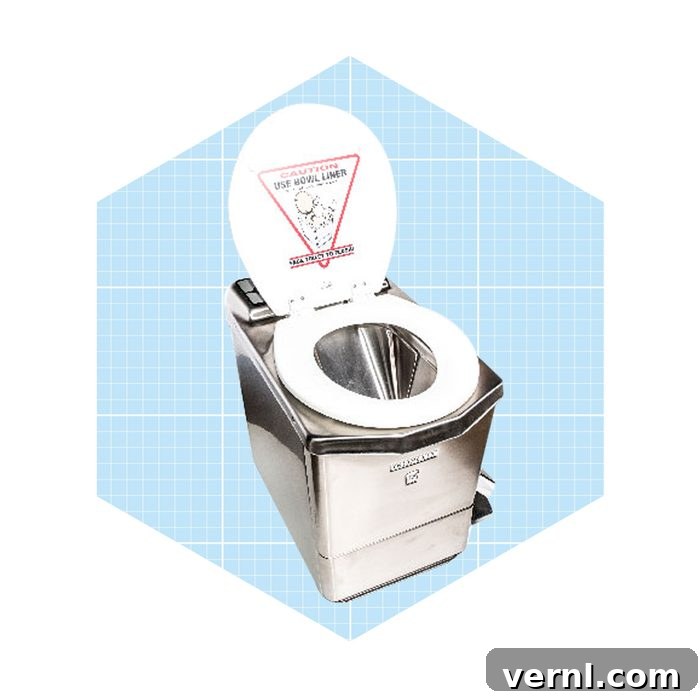
Best Electric Option: Incinolet Model CF
The Incinolet Model CF stands out as a top-tier electric incinerating toilet, renowned for its robust reliability and exceptional ease of use. A significant advantage of this particular model is its ability to operate efficiently on a standard 120-volt, 20-amp electrical circuit. This compatibility means it can be readily plugged into most household electrical systems without requiring specialized or costly wiring upgrades, making installation simpler. It is robustly designed to serve a household of up to four people full-time, making it an excellent and dependable choice for cabins, workshops, or primary residences located in areas without access to municipal sewer lines. Each unit comes thoughtfully equipped with a starter pack of 200 paper liners, ensuring you’re ready to go right after installation. Incinolet has a long-standing reputation for producing durable, efficient, and user-friendly electric incinerating toilets, making the Model CF a trustworthy investment for those seeking a reliable, waterless, and plumbing-free waste solution.
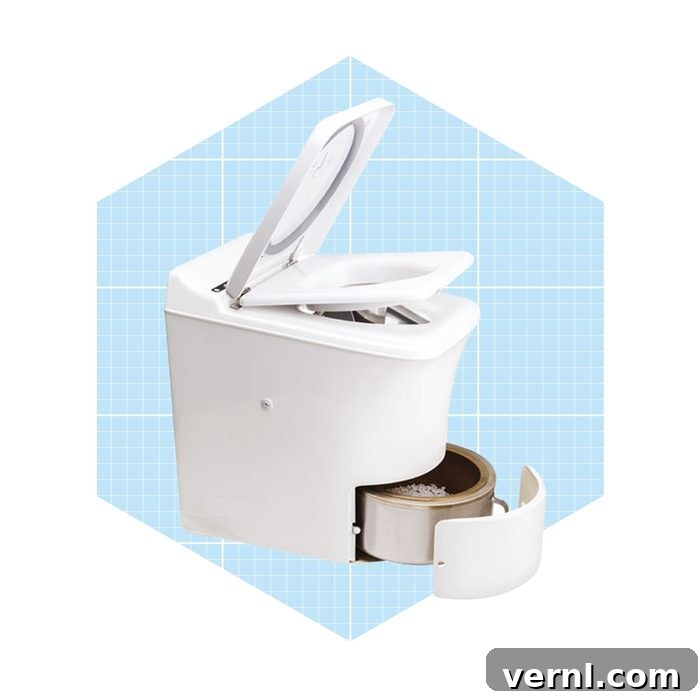
Best Gas-Powered Option: Cinderella Freedom
For ultimate independence from the traditional electrical grid, the Cinderella Freedom incinerating toilet is an exceptional and highly efficient choice. This model is primarily fueled by a standard five-gallon propane bottle, providing extended periods of use without the constant need for refueling. Its clever design allows it to comfortably handle approximately three to four visits per hour, making it well-suited for active family use or in public-facing recreational settings. A key distinguishing feature is its low 12-volt power requirement to operate the burner and control panel, meaning it can function effectively in remote locations where traditional electric service isn’t available or is unreliable, relying instead on batteries or a small solar setup. The Cinderella Freedom comes complete with a starter pack of 100 paper liners, providing a convenient and self-sufficient start to an off-grid waste management system.
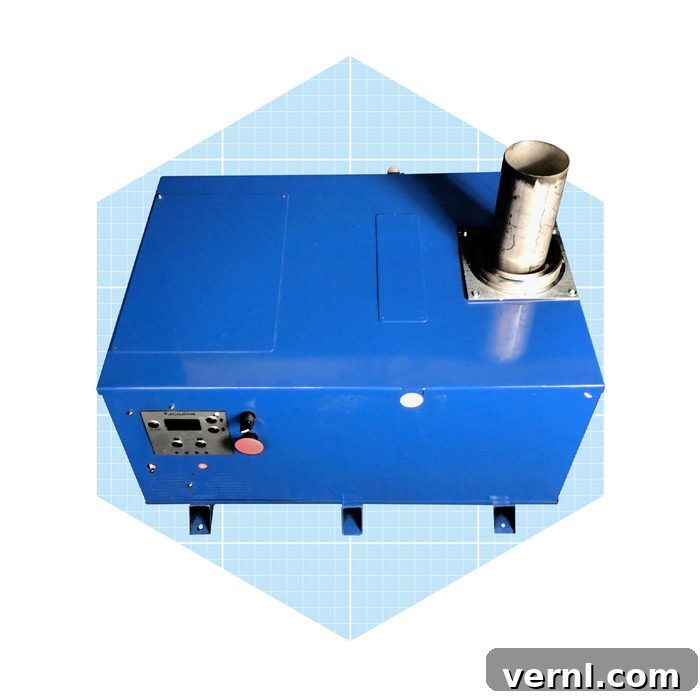
Best Waste Combustion System: EcoJohn SepticJohn
For those seeking a comprehensive, whole-house waste management solution without relying on a conventional septic system, the SepticJohn from EcoJohn presents an innovative and robust alternative. This advanced system is meticulously designed to handle waste from multiple toilets throughout a residence, providing a complete and highly efficient septic alternative. It features a large, buried, septic tank-sized reservoir that collects waste from all connected fixtures. This collected waste is then transferred to an above-ground, powerful gas- or diesel-powered incinerator unit, typically situated near the reservoir in your yard. The SepticJohn utilizes a small amount of water for flushing, transforming waste into a slurry before its efficient incineration. For a family of four, the estimated operational cost is $6 to $7 per day, offering a high-capacity, environmentally friendly, and highly scalable solution for residential properties where traditional septic fields are impractical, prohibited, or simply undesirable. Due to its integrated nature and complexity, professional installation is strongly recommended to ensure optimal performance, adherence to all safety standards, and long-term reliability.
Conclusion: Is an Incinerating Toilet Right for You?
Incinerating toilets represent a significant leap forward in sustainable and independent waste management technology. They offer a unique blend of convenience, hygiene, and environmental responsibility, making them an excellent choice for specific applications where traditional infrastructure is lacking or where water conservation is a priority. Whether you’re planning to build a remote cabin, outfit an off-grid homestead, provide a sanitary solution for a construction site, or seeking a practical and clean alternative for a recreational vehicle or marine vessel, understanding the mechanics, various types, compelling benefits, and potential drawbacks of these systems is absolutely crucial for making an informed decision.
While the initial investment and ongoing operational costs might be higher than some alternative waste disposal methods, the numerous advantages of complete water conservation, odor-free operation, simplified installation, and the elimination of septic system complexities often outweigh these considerations. As technology continues to evolve, incinerating toilets are poised to play an increasingly vital role in helping individuals and communities achieve greater self-sufficiency and significantly minimize their ecological footprint. Always remember to conduct thorough research, assess your specific needs, and, most importantly, consult with local authorities to ensure full compliance with all applicable regulations before making your final decision and implementing your chosen waste management solution.