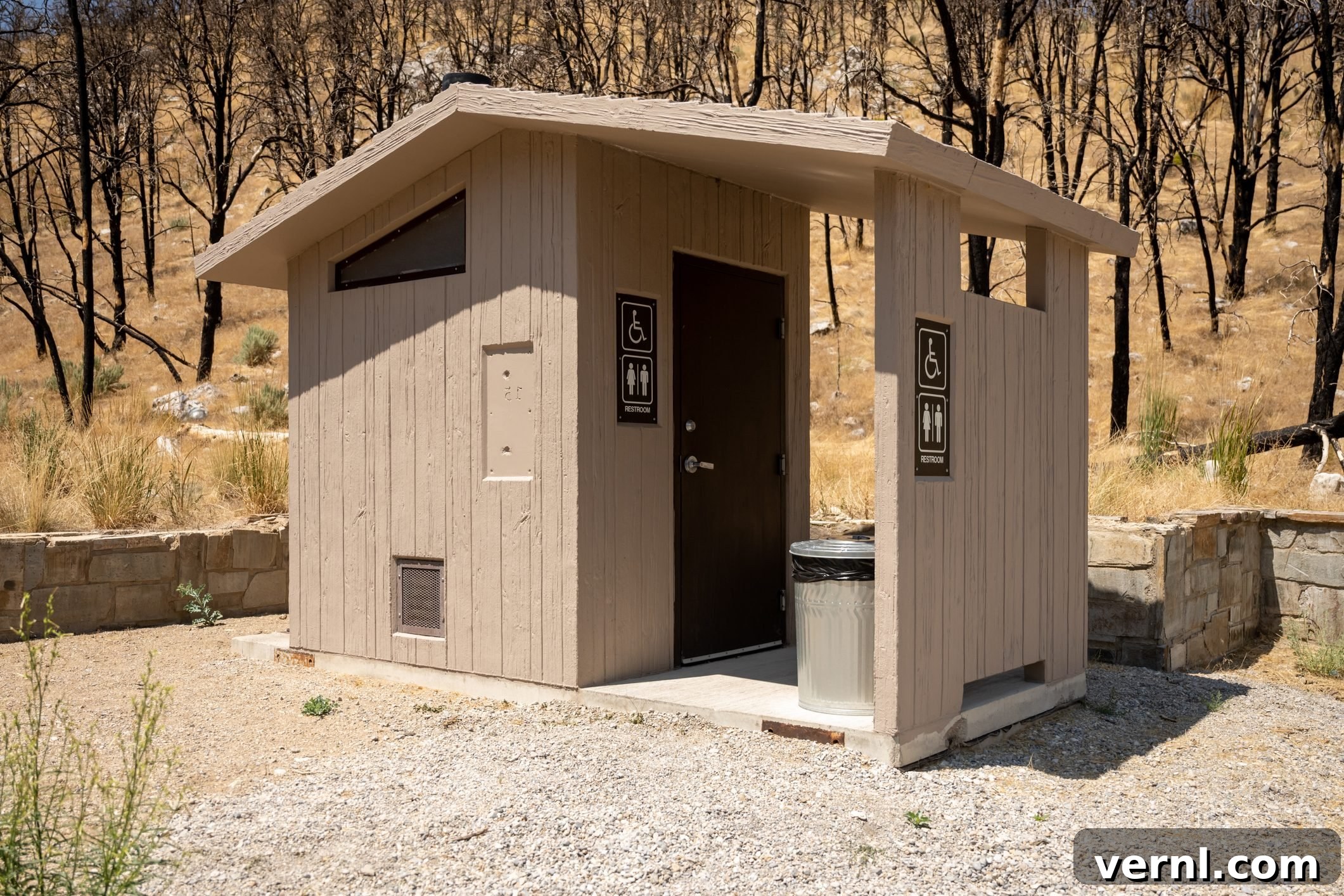
Hikers, campers, and outdoor enthusiasts frequently encounter various waterless toilet solutions, from traditional outhouses (also known as pit toilets) to more modern composting toilets, especially at trailheads and campgrounds across America’s vast public lands. While these options serve their purpose, the unique challenges of remote locations with heavy user traffic—such as national parks, wilderness areas, and even bustling freeway rest stops—demand a more robust, low-maintenance, and environmentally sound alternative. This is precisely where vault toilets emerge as a superior solution.
Large-scale composting toilets, for instance, typically require consistent maintenance and staff dedication, often involving the less-than-pleasant task of raking compost. Furthermore, their efficacy can be limited by climate, performing optimally only in moderate conditions. Pit toilets, while simple to install, present a different set of challenges. They necessitate relocation once they fill up, an impractical and often impossible task in busy or environmentally sensitive sites, leading to long-term operational difficulties.
Vault toilets present a highly effective third solution, one that has earned the strong endorsement of agencies like the U.S. Forest Service. According to a comprehensive 2009 analysis by sanitary engineer Brenda Land, vault toilets stand apart from pit toilets by preventing the release of harmful toxins directly into the ground. Their primary maintenance requirement is periodic pumping, a task typically outsourced by the Forest Service to local septic pumping companies, ensuring professional and efficient waste removal.
This authoritative guide will take you on a deep dive into the world of vault toilets. You’ll learn precisely how these innovative systems work, understand why they represent a better alternative for specific challenging environments, and discover the practical advantages that make their installation and upkeep ideal for remote, high-traffic outdoor locations.
Understanding Vault Toilets: Design, Purpose, and Environmental Stewardship
A vault toilet is fundamentally what its name suggests: a durable, buried concrete or fiberglass vault designed to contain human waste. The operational principle of vault toilets is remarkably straightforward. They function as a self-contained holding tank, much like a septic tank, but without the continuous inflow or outflow pipes. This crucial distinction means no water flows through the system for flushing, and waste accumulates until it is professionally pumped out. This waterless design makes them ideal for locations lacking access to plumbing or consistent water supply.
To minimize the frequency of pumping and ensure long-term usability, the vault itself must be generously sized. Brenda Land’s research indicates that vaults commonly installed by the Forest Service typically range from 500 to 1,500 gallons in capacity. While a vault for a private homestead might be smaller, a minimum capacity of around 500 gallons is generally recommended. This substantial volume is vital not only for waste accumulation but also to ensure adequate ventilation and to maintain a safe and sanitary separation between the toilet seat and the accumulating waste at the bottom of the vault. The robust construction, often utilizing reinforced concrete or high-density polyethylene (HDPE), ensures the vault is leak-proof, durable, and resistant to environmental stressors.
The structure erected above the buried vault is equally critical to the system’s functionality and user experience. It typically includes a riser – a pedestal or bench fitted with a standard toilet seat – through which waste drops into the vault below. This entire assembly is enclosed within a shelter, which can range from a basic utilitarian structure to one equipped with lighting (often solar-powered), insulation for colder climates, and even heating, depending on the site’s specific needs and the availability of electricity. A key component of this above-ground structure is a sophisticated ventilation system. This system is meticulously engineered to exhaust gases and odors from the vault into the surrounding atmosphere, effectively controlling smells and ensuring the shelter remains relatively odor-free for users.
How Do Vault Toilets Work? A Detailed Look at Engineering and Operation
While conceptually simple, the effective operation of vault toilets relies on intelligent design and engineering principles. The core idea is that waste remains securely contained within the vault until it is professionally pumped, while a well-designed vent system efficiently expels gases outdoors, maintaining a pleasant environment within the shelter.
In a 2003 Forest Service publication, Brenda Land outlined critical design considerations and tips to prevent potential problems and maximize efficiency:
- Strategic Location Planning: The placement of a vault toilet is paramount for effective odor dissipation. A critical airflow zone, ideally a circle with a radius of at least 20 feet around the vault toilet, should be kept clear of significant obstructions like dense trees or tall vegetation. This open zone allows odors to dissipate naturally with the prevailing winds. When an ideal open location isn’t feasible, selective pruning of tree branches, carefully considering the direction of the dominant wind, may be necessary to improve airflow. Proper siting also considers user accessibility, privacy, and minimizing visual impact on the natural landscape.
- Optimized Venting Systems: The majority of vault toilets employ passive venting systems, characterized by a vertical pipe that extends a minimum of three feet above the shelter’s roofline. This design leverages the “stack effect”: air enters the vault either through the toilet riser or a dedicated wall vent at a lower point, warms up inside the vault, and then rises and exits through the taller roof vent. This natural convection creates a constant draft, continuously drawing air and odors out of the vault. In heavily forested areas or locations with consistently restricted natural airflow, Land recommends integrating a fan to assist circulation, ensuring odors are effectively removed. Crucially, all vent openings must be covered with screens to prevent insects, birds, and small animals from entering the vault, which could lead to blockages or unsanitary conditions.
- Effective Drainage and Structural Integrity: Protecting the vault from water ingress is essential for both hygiene and structural longevity. The floor of the toilet shelter should be designed with a slight slope, directing any spilled water or rain towards the door and away from the riser opening. Similarly, the manhole cover, used by pumping services, located outside the shelter, must be robust and watertight. Its rim should be raised several inches above ground level to prevent surface water runoff from seeping in. Land specifically advises against positioning the manhole directly under the edge of the roof, as falling rainwater dripping from the roof could collect around the cover and potentially infiltrate the vault over time, compromising its sealed integrity. The vault itself is designed to be completely sealed and buried, protecting groundwater from contamination.
Unlocking the Benefits of Vault Toilets in Remote and High-Traffic Settings
Vault toilets offer a compelling array of advantages, making them an indispensable solution for remote settings where traditional plumbing infrastructure is impractical, expensive, or environmentally unsuitable.
- Unrivaled Environmental Protection: One of the most significant benefits is their sealed containment system. Unlike pit toilets, which allow waste to leach into the surrounding soil, vault toilets completely isolate human waste from the natural environment. This prevents the potential contamination of groundwater, local streams, and delicate ecosystems, safeguarding public health and preserving wilderness integrity. By eliminating the need for water, they also conserve a precious resource in water-scarce regions.
- Low Maintenance and Cost-Effectiveness: Vault toilets are renowned for their minimal upkeep requirements. Their primary maintenance involves periodic pumping by professional septic services, a task that can be scheduled according to usage patterns. This significantly reduces the ongoing operational costs and labor compared to continuously monitoring and relocating pit toilets or managing complex composting systems. The durable materials used in their construction also mean fewer repairs and a longer service life, providing long-term value for property owners and park managers alike.
- Exceptional Durability and All-Weather Functionality: Engineered for resilience, vault toilets are constructed from robust materials designed to withstand harsh weather conditions, heavy public use, and even potential vandalism. Their non-reliant nature on water and power infrastructure means they can operate year-round, reliably serving visitors in nearly any climate, from scorching deserts to freezing mountain environments. This steadfast reliability ensures continuous access to sanitation, regardless of seasonal variations.
- Enhanced Visitor Convenience and Experience: For high-traffic outdoor locations, providing clean, accessible, and functional restroom facilities is crucial for visitor satisfaction and public health. Vault toilets strike a perfect balance, offering a user experience far superior to rudimentary pit toilets, without the prohibitive infrastructure demands of a conventional flush restroom. Their consistent availability and managed odor control contribute to a more positive and respectful outdoor experience.
- Sustainable Infrastructure Solution: By combining environmental protection with operational efficiency, vault toilets align perfectly with the principles of sustainable outdoor recreation and public land management. They represent a responsible choice for agencies committed to preserving natural resources while accommodating increasing visitor numbers.
Frequently Asked Questions About Vault Toilets
What makes a vault toilet fundamentally different from a pit toilet?
The distinction between vault toilets and pit toilets is crucial, especially when considering long-term use and environmental impact. Landowners seeking a simple waterless toilet system might initially opt for a pit toilet. These can often be dug manually and topped with a basic wooden shelter for privacy. The larger the pit, the longer it can remain in service. However, inevitably, a pit toilet fills up. When this occurs, the only solution is to dig a new pit, relocate the shelter, and meticulously backfill the old pit, a labor-intensive and environmentally disruptive process.
In contrast, a vault toilet, by virtue of its sealed vault, never needs to be moved. Its waste is simply pumped out periodically. However, installing a vault toilet is a far more complex undertaking. It typically requires heavy machinery like an excavator for digging the vault cavity and a crane for lowering the massive concrete or fiberglass vault into place, which significantly drives up the initial installation cost. The shelters for Forest Service vault toilets, for example, are often substantial structures featuring concrete floors and walls, built for durability and longevity.
The most critical difference lies in waste management and environmental impact. A vault toilet is engineered to completely isolate human waste from the surrounding environment, thereby eliminating the risk of pathogens or harmful liquids leaching into groundwater. A pit toilet, conversely, allows waste to interact directly with the soil. While this might not pose a significant problem for a single-family dwelling in an isolated area, for public facilities catering to numerous users, the potential for groundwater contamination becomes a major environmental and public health concern.
How are vault toilets professionally cleaned and maintained?
Cleaning and maintaining a vault toilet is a specialized task typically performed by trained professionals. The process begins with the removal of waste, which is pumped out through a sealed manhole connection. This ensures no leaks occur during the transfer and effectively controls odors. The collected waste is then securely transported to a designated treatment facility for proper disposal.
After the pumping operation, crews typically add approximately 10 inches of fresh water to the bottom of the tank. This crucial step serves multiple purposes: it helps to minimize the buildup of solid waste on the vault’s interior surfaces, facilitates future pumping, and helps to keep ambient odors at bay. Ongoing maintenance extends beyond just pumping; it includes regular checks of the above-ground facility, ensuring the ventilation system remains clear and fully functional, occasional application of deodorizing agents within the vault, and general cleaning of the shelter structure to maintain hygiene and a positive user experience.
Do vault toilets smell bad? Understanding odor control in remote restrooms.
Vault toilets are designed to be one of the most practical and eco-friendly restroom solutions for remote areas, and a key component of their design is effective odor control. This is primarily achieved through a well-engineered ventilation system that continuously exhausts gases and odors from the vault directly into the surrounding atmosphere, away from the user.
That being said, it is possible for vault toilets to produce noticeable odors if certain conditions are not optimal. Under ideal circumstances, such as warm, sunny, and breezy days, the natural “stack effect” works efficiently: warmer air within the vault rises through the vent pipe, carrying odors upward and away from the structure. However, in cold, damp, or stagnant weather conditions, this natural airflow can slow down considerably, leading to a reduction in odor dispersion and making smells more noticeable within and around the shelter. Factors such as a full vault, a compromised ventilation system (e.g., blockages, improper height), or a lack of routine maintenance can also contribute to unwanted odors. Regular pumping and ensuring the ventilation system is clear and functional are key to minimizing any potential odor issues.
About the Expert
- Brenda Land is a distinguished sanitary engineer affiliated with the San Dimas Technology and Development Center in San Dimas, California. With over three decades of dedicated experience, she has authored numerous impactful articles on waste management practices for the U.S. Forest Service, contributing significantly to sustainable outdoor sanitation solutions.
Sources
- U.S. Forest Service: “Vault Toilet Interception Analysis”
- U.S. Forest Service: “SST Installation Guide”
- Vault Constructions: “What are Vault Toilets: Benefits & Maintenance Tips”
- Homedit: “What Is a Vault Toilet and How Does It Work?”