
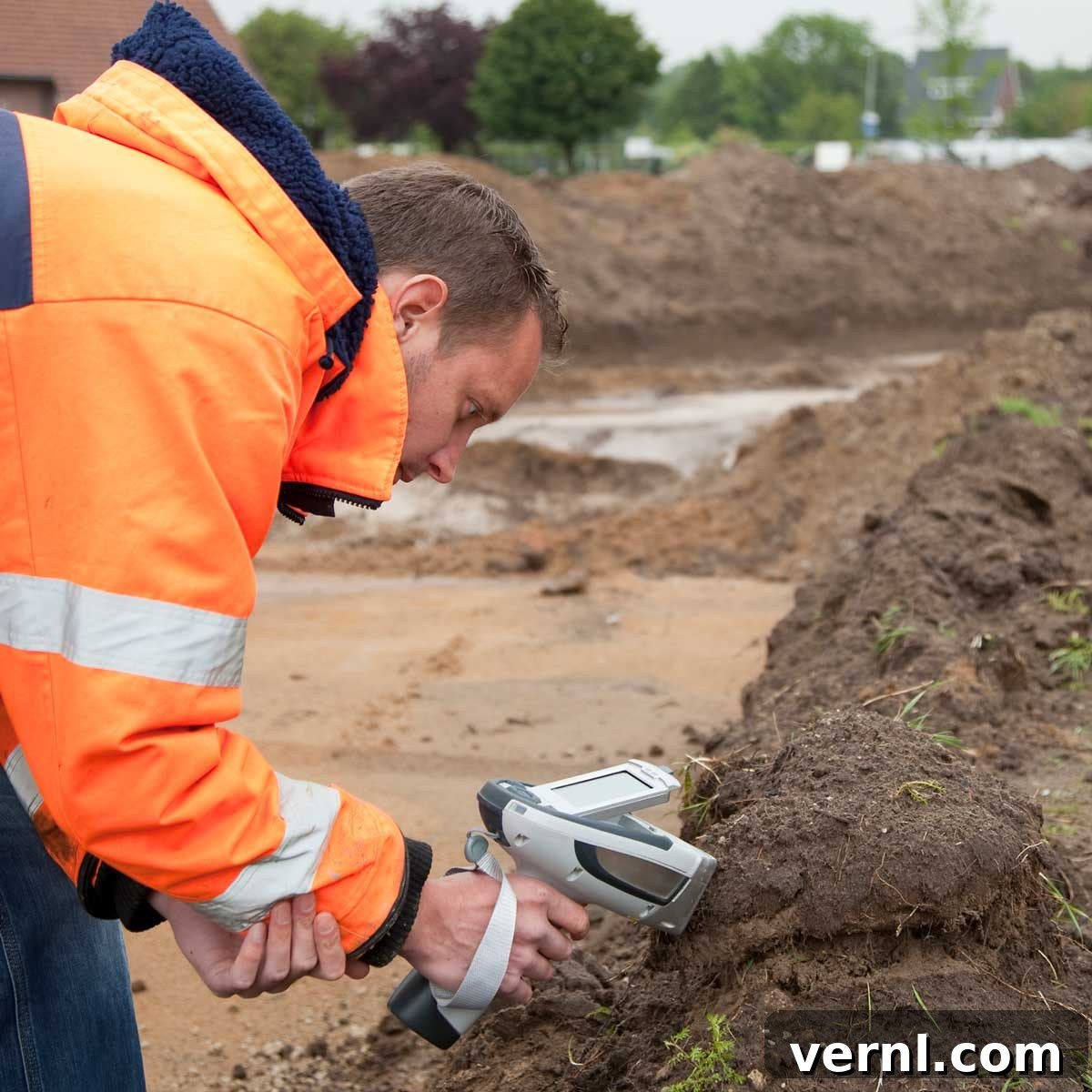
The Unseen Foundation: Why Soil Testing is Paramount for New Home Construction
When embarking on the exciting journey of building a new home, many prospective homeowners focus on architectural designs, interior finishes, and picturesque views. However, an often-overlooked yet critically important element lies beneath it all: the soil. The ground upon which your dream home will stand is more than just dirt; its composition, stability, and characteristics are fundamental to the entire construction process and the long-term integrity of your property.
From the structural stability of your foundation to the efficient functioning of your plumbing and waste management systems, the soil plays an intricate role. Ignoring its importance can lead to costly repairs, structural failures, and even health hazards down the line. This is precisely why a series of specialized soil tests are not merely recommendations but essential components of the home construction process.
For instance, specific assessments like percolation (perc) tests are indispensable for determining the suitability of your land for installing a properly functioning septic system, especially in areas without municipal sewage access. Other tests provide vital insights that directly influence the design and engineering of the house itself, ensuring its safety, durability, and compliance with local building codes. Understanding the ground beneath your feet is the first step toward building a home that lasts for generations.
Understanding Soil Testing: A Crucial First Step in Construction
Soil testing for construction is a comprehensive investigative process designed to evaluate the physical, chemical, and environmental characteristics of the earth on a proposed building site. Its primary objective is to determine if the land is structurally sound and environmentally safe for construction, identifying any potential challenges or risks before they manifest as costly problems.
These specialized tests analyze a myriad of factors, offering a detailed profile of the soil’s composition, texture, density, and hydrological properties. By understanding these attributes, engineers can predict how the soil will behave under the immense weight of a structure, how it will interact with water, and whether it harbors any hazardous substances. Chuck Naish, owner of City Residential Foundation Repair, emphasizes the ongoing nature of this process: “Soil engineers usually work these tests before, during, and after the construction process to analyze if the soil composition is compatible for construction.”
The insights gained from soil tests are invaluable. They inform critical decisions regarding foundation design, drainage systems, and site preparation. Should tests reveal potential issues, engineers can recommend practical and effective solutions, such as targeted soil grading, the installation of extra drainage infrastructure, or specialized foundation supports. As Naish explains, “Engineers can devise remediation strategies that mitigate risks and environmental liability to ensure the construction site is pollutant-free and safe for the community.” This proactive approach safeguards not only the structural integrity of your home but also the health of its occupants and the surrounding environment.
Key Soil Properties Evaluated During Construction Testing
The suitability of soil for construction hinges on several key properties. Understanding these properties helps engineers design a stable and safe structure.
- Structural Stability and Bearing Capacity: This refers to the soil’s ability to support the weight of the building without excessive settlement or failure. To assess this, engineers evaluate the soil’s physical and chemical composition. Scott Cam, CEO of Blueprint Homes, notes that tests like the liquid limit, plastic limit, and shrinkage limit are crucial. These tests quantify the soil’s plasticity – its ability to deform without cracking – and its potential to shrink or swell with changes in moisture content. Highly plastic soils, such as certain types of clay, can cause significant problems for foundations due to their expansive nature. The results of these evaluations directly determine “the length and depth of the pillars put in the soil to lay the foundation of the building,” ensuring adequate support.
- Permeability and Drainage: The soil’s ability to absorb and drain water is critical, especially for preventing moisture damage to foundations, basements, and for designing effective septic systems. Tests for permeability and drainage include percolation tests, deep hole tests, and seasonal high water table tests. These are particularly vital in areas without municipal sewage systems, as they dictate the design and viability of a conventional septic field. A slow percolation rate might necessitate an alternative septic solution, like a mound system, while a high water table could require extensive waterproofing and drainage solutions for basements.
- Soil Compaction and Density: Compaction tests determine the maximum dry density and optimum moisture content a soil can achieve. Proper compaction is essential for creating a stable base for foundations, roads, and utilities, preventing future settlement and increasing the soil’s bearing capacity.
- Contaminant Detection: Beyond structural concerns, engineers also test for the presence of hazardous substances. Naish highlights the importance of testing for “toxins in the soil that might be hazardous to the health of humans.” Elevated levels of certain naturally occurring heavy metals, or man-made pollutants, can pose significant health risks and environmental liabilities. The University of New Hampshire Cooperative Extension Soil Testing Program, for instance, tests for a range of elements including cadmium, chromium, copper, nickel, lead, zinc, arsenic, mercury, molybdenum, and selenium. The Environmental Protection Agency (EPA) sets stringent standards for these contaminant levels, guiding remediation efforts when necessary. It’s also a good idea to learn how much soil you might need for gardening, but remember this is distinct from construction-grade testing.
The Risks of DIY: Why Professional Soil Testing is Non-Negotiable for Construction
Many enthusiastic home gardeners confidently test their soil pH or collect soil samples for analysis by local extension offices. These DIY efforts are indeed useful for understanding soil fertility and making informed decisions about amending soil for a thriving vegetable or flower garden. However, when it comes to soil testing for construction, the stakes are dramatically higher, and the task must be entrusted to qualified professionals.
The reasons for this clear distinction are manifold and critical. Building a home involves immense structural loads, complex hydrological interactions, and long-term stability considerations that far exceed the scope of garden-variety soil analysis. As Naish eloquently states, “Since land contamination has adverse impacts on building structures, human health, the environment, and ecosystems, professionals can conduct site assessments that consider the land history and existing conditions.” A professional soil engineer brings a wealth of expertise, specialized equipment, and an understanding of geotechnical principles that simply cannot be replicated by consumer-grade test kits.
Hiring a qualified soil engineer ensures that your soil tests are not only thorough and accurate but also fully compliant with stringent local rules, regulations, and building codes. This professional oversight is crucial for several reasons:
- Accuracy and Interpretation: Professional engineers use advanced laboratory techniques and sophisticated equipment to conduct tests that yield precise, reliable data. More importantly, they possess the expertise to accurately interpret this data, translating complex scientific findings into actionable recommendations for foundation design, drainage, and site preparation.
- Regulatory Compliance: Building a home is subject to a maze of local, state, and sometimes federal regulations. A professional engineer is intimately familiar with these requirements, ensuring that all tests are performed according to the necessary standards and that the results meet the criteria for permitting. This proactive approach prevents costly violations of building codes and avoids delays in getting permits.
- Risk Mitigation and Liability: Inadequate soil testing or misinterpretation of results can lead to severe structural problems, including foundation cracks, uneven settling, and even catastrophic failure. These issues are not only incredibly expensive to remediate but can also pose significant safety risks to occupants. Professional soil engineers carry liability insurance and are legally accountable for the accuracy of their assessments, offering a layer of protection that DIY testing cannot.
- Historical Site Assessment: Professionals often delve into the history of the land, researching past uses that might have led to hidden contamination or altered soil properties. This comprehensive approach is vital for uncovering potential environmental liabilities that could impact health or require expensive remediation.
Ultimately, while DIY soil tests serve their purpose in the garden, for something as significant as building a home, the investment in professional soil testing is an indispensable safeguard. It protects your financial investment, ensures the safety and longevity of your home, and grants you the peace of mind that comes from knowing your foundation is truly solid.
Navigating Soil Test Results: When Your Site Needs Remediation or Redesign
It’s a common misconception that soil tests deliver a simple pass or fail grade. In reality, many soil tests primarily provide detailed information and data, which then inform specific engineering decisions. However, for certain critical aspects of construction, local authorities and building codes do require particular test results before approving construction plans. A prime example is the perc test; its results must fall within the designated percolation rate for the area if a traditional septic system is to be approved.
Should your site’s soil tests reveal conditions that are not ideal, or fail to meet specific regulatory thresholds, it doesn’t necessarily mean your building plans are doomed. Instead, it signals the need for strategic modifications to your building plan and, inevitably, your budget. This is precisely why some closing agreements for land purchases are made contingent on satisfactory soil test results.
Common Scenarios and Solutions for Challenging Soil Conditions:
- Slow Percolation Rates: If your perc test indicates that the soil drains too slowly for a conventional septic system, you might need to consider alternative waste management solutions. These could include advanced treatment units (ATUs) or mound systems, which are designed to improve effluent treatment and absorption in challenging soil conditions. These alternatives are typically more complex and costly to install but ensure proper waste disposal.
- Low Bearing Capacity: When soil lacks the strength to support the proposed structure, the foundation design must be adapted. This could involve using deeper footings, constructing a raft or mat foundation that spreads the load over a larger area, or implementing pile or pier foundations that extend down to more stable soil strata or bedrock. Soil stabilization techniques, such as compaction, chemical treatment, or adding geogrids, might also be employed to improve the soil’s strength.
- Expansive Clays: Soils with high clay content can swell significantly when wet and shrink when dry, leading to differential settlement and foundation damage. Solutions include moisture control systems around the foundation, using deep foundations that extend below the active zone of seasonal moisture change, or removing and replacing the expansive soil with a more stable material.
- High Water Table: A persistently high water table can lead to hydrostatic pressure against basement walls and foundations, causing leaks and structural issues. Remediation often involves extensive waterproofing, perimeter drains (French drains), sump pumps, and possibly elevating the structure. Drainage and permeability test results are also crucial when deciding the optimal location and depth for digging a well.
- Soil Contamination: Discovering hazardous contaminants, whether heavy metals or chemical pollutants, necessitates a remediation plan. This could range from removing and disposing of contaminated soil, to in-situ treatment methods (like bioremediation or chemical oxidation), or capping the site with clean soil and a barrier to prevent exposure. The specific approach depends on the type, concentration, and extent of the contamination, as well as regulatory requirements.
The implications of adverse soil test results are not merely technical; they are financial and temporal. Modifications to building plans often translate to increased construction costs and extended timelines. A change in foundation type, the installation of a complex drainage system, or extensive soil remediation can add tens of thousands of dollars to a project budget. Furthermore, re-designing plans and obtaining new permits can introduce significant delays, pushing back your move-in date.
Therefore, understanding the soil beneath your prospective home is not just about avoiding immediate problems, but about ensuring the long-term viability and value of your investment. It’s a foundational step that, when handled professionally, secures the peace of mind that your home is built on truly solid ground.