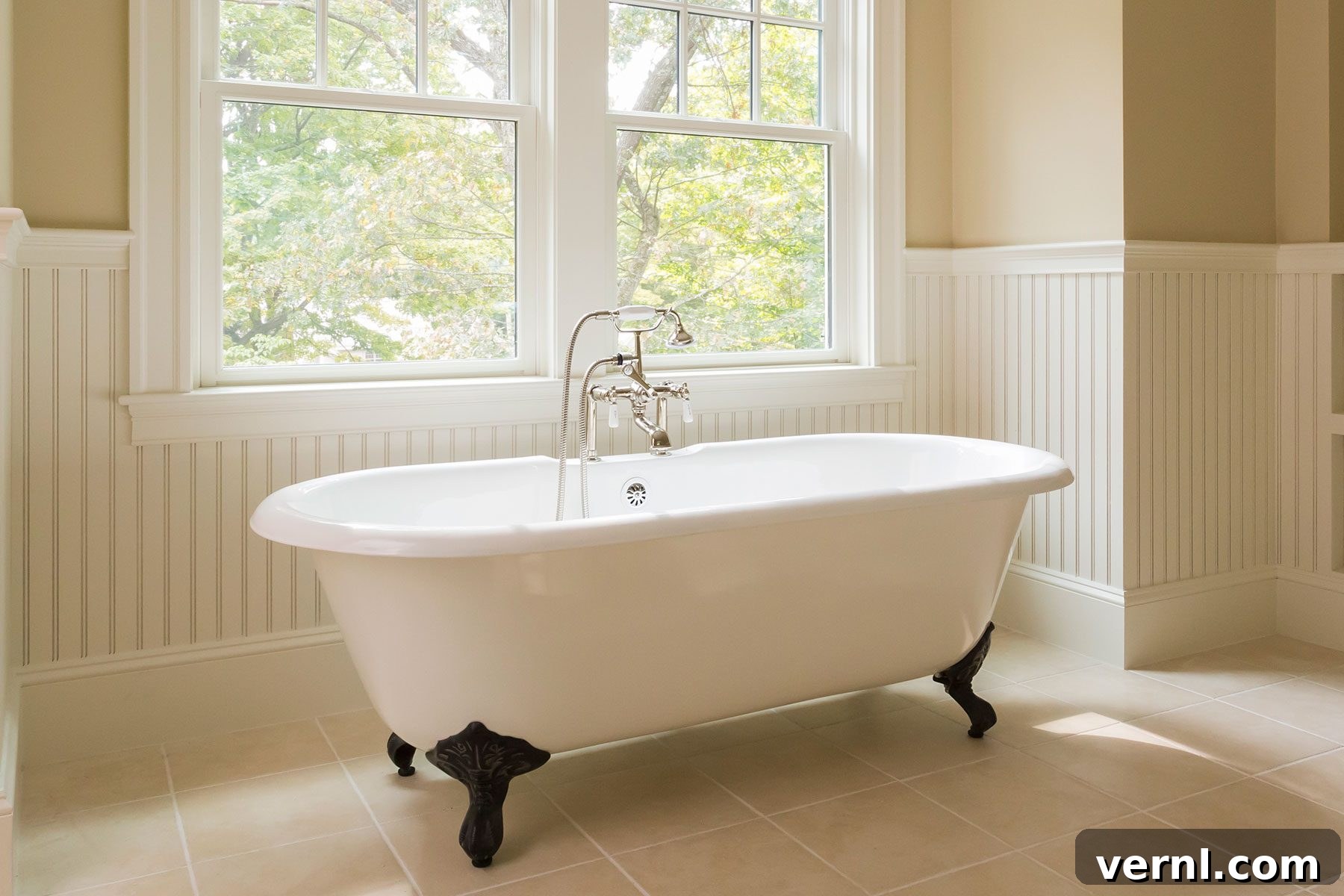
In a world that constantly demands our attention, finding moments of tranquility and self-care has become more essential than ever. For many, the answer lies within the confines of a luxurious soaking tub – a personal sanctuary designed to melt away the day’s stresses. Far from being a modern indulgence, the concept of a deep, immersive bath dates back centuries, but today’s soaking tubs blend ancient wisdom with contemporary innovation to offer an unparalleled bathing experience. This comprehensive guide will explore everything you need to know about soaking tubs, helping you decide if this ultimate symbol of relaxation is the perfect addition to your home.
What Exactly Is a Soaking Tub?
At its core, a soaking tub is engineered for deep immersion. Unlike standard bathtubs, which are primarily designed for quick washes, soaking tubs are specifically crafted to allow bathers to submerge their entire body, often up to the neck. This extra depth transforms a simple bath into a profound experience of relaxation and rejuvenation. Imagine sinking into warm water, feeling aches and pains dissipate, and the tension of a long day gently easing away. That’s the promise of a soaking tub.
These magnificent fixtures come in an impressive array of depths, dimensions, and styles, ensuring there’s a perfect match for almost any bathroom aesthetic and personal preference. Beyond their fundamental depth, many contemporary soaking tubs boast a variety of luxurious features designed to enhance your bathing ritual. These can include ergonomically contoured interiors that cradle the body for optimal comfort, built-in heaters that maintain water temperature indefinitely, serene mood lighting, and invigorating whirlpool or air jets that deliver a spa-like experience right in your home. Some manufacturers even offer customization options, allowing taller or larger individuals to enjoy a truly comfortable and immersive soak.
When embarking on the exciting journey of selecting a soaking tub for your bathroom, whether for a new construction project or a transformative renovation, several critical factors must be meticulously considered to ensure you make the best choice:
- Size, Shape, and Layout: The physical dimensions of your bathroom will dictate the feasible size and shape of your tub. Consider how the tub will fit into the overall layout, ensuring adequate clearance for movement and other fixtures.
- Durability of Materials: The material choice affects not only the tub’s aesthetic but also its longevity, heat retention properties, and ease of maintenance.
- Installation and Pipe Placement: Proper plumbing and structural support are paramount, especially for heavier tubs. This often requires professional assessment and installation.
- Energy Efficiency and Water Heater Capacity: Deeper tubs require significantly more hot water. Ensure your existing water heater can handle the demand, or budget for an upgrade.
- Comfort: This is highly personal. Consider the tub’s ergonomic design, depth, and the ability to stretch out comfortably.
- Style: The tub should complement your bathroom’s design aesthetic, whether it’s modern, traditional, or transitional.
- Price: Soaking tub prices vary widely based on size, material, brand, and features. Establish a realistic budget from the outset.
Pro tip: One of the most frequently overlooked aspects when installing a new soaking tub is the capacity of your existing water heater. A standard water heater might not be able to produce enough hot water to fill a deep soaking tub, leaving you with a lukewarm bath. Verify your water heater’s capacity and consider upgrading to a larger unit or a tankless water heater if necessary. Addressing this upfront can prevent significant unexpected costs, delays, and frustration down the line.
Exploring Top Soaking Tub Choices
Finding the perfect soaking tub that harmonizes with your bathroom’s existing layout, especially in more compact spaces, can sometimes feel like a challenge. However, the market offers an impressive array of options, each designed to cater to diverse needs and preferences. Let’s delve into some popular types and models that exemplify excellence in the realm of deep bathing.
Compact & Freestanding Elegance: The Woodbridge Soaking Acrylic Bathtub
For those navigating the complexities of a smaller bathroom or simply seeking a sleek, modern statement piece, a compact freestanding tub can be an exceptional choice. Take, for instance, the Woodbridge Freestanding Soaking Acrylic Bathtub. This type of tub masterfully balances aesthetic appeal with space-saving design. Despite its seemingly modest footprint, it offers a generous soaking depth, often rivaling that of much larger tubs. For example, a depth of 14.5 inches allows for significant body immersion, ensuring a truly relaxing experience. Key features often include an integrated overflow slot, which permits the tub to be filled to its considerable capacity without spillage, alongside a selection of faucet finishes to perfectly match your bathroom hardware. Enhancing the experience is simple with a bamboo bath caddy, providing a convenient spot for scented candles, luxurious bath salts, or a captivating book, transforming your bath into a blissful retreat.
Integrated Comfort: The Kohler Underscore Alcove Bathtub
If your bathroom design calls for a more traditional, recessed installation, an alcove soaking tub is ideal. These tubs are designed to fit snugly within a three-wall enclosure, often serving as a tub-and-shower combination. The Kohler Underscore Alcove Bathtub exemplifies this category. It offers a mid-priced solution without compromising on quality or comfort. Constructed from durable acrylic, this type of tub is highly resistant to chips and cracks, ensuring lasting beauty and functionality. Comfort is prioritized with features like molded lumbar support and a gently sloped backrest, inviting longer, more comfortable soaks. Safety is also a key consideration, often incorporating a textured bottom surface to provide secure footing when entering and exiting. Remarkably, despite their generous depth, many alcove soaking tubs are designed with a low step-over height, making them accessible and ADA-compliant, suitable for a wider range of users.
Exquisite Luxury: The Raksha Hammered Copper Japanese Soaking Tub
For those who desire the pinnacle of luxury and a truly unique statement piece, specialty tubs made from premium materials offer an unparalleled experience. The Signature Hardware Raksha Hammered Copper Japanese Soaking Tub represents this category beautifully. This “splurge-worthy” tub is a testament to artisanal craftsmanship, often hand-crafted using traditional techniques to infuse the material with a rich patina, resulting in a distinct rustic-chic aesthetic. Copper, known for its exceptional heat retention properties and natural antimicrobial qualities, elevates the bathing experience. With a profound water depth, sometimes exceeding 26 inches to the rim, this type of tub allows for an incredibly deep and pampering soak, inviting hours of blissful relaxation. Japanese soaking tubs, in particular, are designed for an upright, contemplative bathing posture, offering a unique cultural experience.
Understanding the Diverse Types of Soaking Tubs
Soaking tubs are not one-size-fits-all. They encompass a vast spectrum of designs, materials, and installation methods, each contributing to a distinct aesthetic and bathing experience. Understanding these variations is crucial for selecting a tub that perfectly aligns with your vision and practical needs.
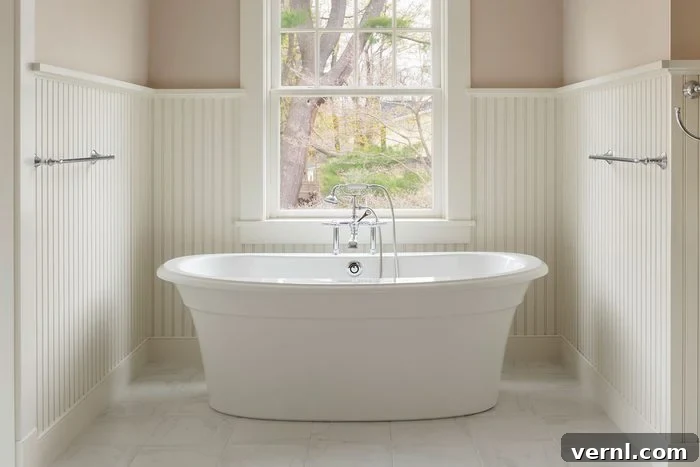
Soaking tubs can be crafted from an impressive array of materials, including classic porcelain-enameled cast iron, durable ceramic, lightweight fiberglass, resilient resin, versatile acrylic, elegant copper, natural wood, industrial concrete, and luxurious stone or marble. Each material imparts unique characteristics in terms of look, feel, durability, and cost. Beyond materials, the structural style of the tub dictates its placement and overall impact on your bathroom design:
- Alcove Tubs: These are the most common type, designed to be installed within a three-walled recess. Alcove tubs are space-efficient and often feature a shower combination, making them a practical choice for family bathrooms. They offer a clean, integrated look.
- Freestanding Tubs: A true design statement, freestanding tubs are installed away from walls, becoming the focal point of the bathroom. They require more floor space but offer unparalleled design flexibility. Famous examples include the classic clawfoot tub, evoking vintage charm, and modern sculptural designs.
- Corner Tubs: Specifically shaped to fit into angled spaces, corner tubs are an excellent solution for maximizing space in irregularly shaped bathrooms. They often feature a generous bathing area despite their space-saving design.
- Drop-in/Overmount Tubs: These tubs are lowered into a custom-built surround or deck, hiding their sides and leaving only the rim exposed. This style allows for extensive customization of the surround material, integrating the tub seamlessly into the bathroom’s décor.
- Undermount Tubs: Similar to drop-in tubs, undermount tubs are installed beneath a ledge or a custom-built bathtub deck. The rim of the tub is hidden beneath the surface of the surround, creating a sleek, clean, and integrated look. They are typically supported primarily by the floor structure beneath.
- Japanese Soaking Tubs (Ofuro): Known for their ultra-deep design and usually standalone configuration, Japanese tubs allow bathers to sit upright, similar to a hot tub. This style is perfect for compact bathrooms where depth is prioritized over length, offering a profoundly meditative soaking experience.
- Jetted Tubs: Often referred to as Jacuzzi tubs, these soaking tubs are equipped with strategically placed jets that release air bubbles or powerful streams of water, creating a therapeutic massage action. They are ideal for soothing sore muscles, improving circulation, and enhancing overall relaxation.
- Walk-in Tubs: Engineered with a watertight door, walk-in tubs allow bathers to step in and out effortlessly without having to lift their legs over a high tub wall. They are an invaluable option for older individuals or those with mobility challenges, offering safety, independence, and a deep soaking experience.
- One- or Two-Piece Tubs: This refers to the tub’s construction. One-piece tubs are molded from a single hunk of material, offering greater structural integrity and often simpler installation for the plumbing connections. Two-piece tubs typically consist of a main vessel and a skirt or panel that are assembled together, sometimes offering more design flexibility or easier access for certain repairs.
Diving Deeper into Soaking Tub Materials
The material of your soaking tub is a foundational choice, influencing not only its appearance but also its performance, durability, maintenance, and overall cost. Here’s a closer look at some of the most common materials, along with their distinct benefits and drawbacks:
- Fiberglass: As one of the most affordable and lightest options, fiberglass tubs are easy to install and offer decent heat retention. They are also relatively easy to clean. However, fiberglass is less durable than other materials, making it prone to scratching, staining over time, and potential cracking or dulling of the finish with prolonged use.
- Porcelain-Enameled Steel/Cast Iron: Porcelain-enameled tubs offer a classic, glossy finish that is relatively inexpensive and easy to care for. They are highly resistant to stains and cracking, especially the cast iron variants. The main drawback of porcelain-enameled cast iron is its immense weight, which necessitates robust floor support and can complicate installation. Porcelain-enameled steel is lighter but also less durable.
- Acrylic: A popular middle-ground option in terms of price, acrylic tubs boast excellent heat retention, are lightweight for easier installation, and are simple to clean. They offer a smooth, non-porous surface that resists mildew and stains. While generally durable, acrylic is not as hard as cast iron or stone and can be susceptible to scratching if not cared for properly.
- Cast Iron: Revered for its exceptional durability and timeless aesthetic, cast iron provides outstanding heat retention, keeping bath water warm for extended periods. It is incredibly resistant to cracks, chips, and stains, making it a long-lasting investment. The primary disadvantages are its substantial weight, requiring reinforced flooring, and its higher price point and complex installation.
- Stone (Natural or Composite): Stone tubs, whether carved from natural rock or engineered from composite materials, offer a truly luxurious and organic aesthetic. They are incredibly durable, stain- and crack-resistant, and relatively easy to clean. Stone provides decent heat retention. However, they are among the heaviest materials, requiring significant structural support, and can be extremely expensive.
- Copper: One of the most historically iconic and luxurious materials, copper tubs are celebrated for their unparalleled durability, natural antimicrobial properties, and superb heat retention. They are resistant to stains and cracks and are remarkably easy to clean. Copper ages beautifully, developing a unique patina over time. The main downsides are their extreme weight, challenging installation, and very high cost, placing them among the most expensive options.
Heating, Temperature Retention, and Therapeutic Enhancements
The enjoyment of a long, relaxing soak hinges significantly on the water’s temperature. As highlighted by the material list, some materials naturally excel at retaining heat, prolonging the warmth of your bath. For those desiring an even more extended and consistent warm soak, specialized features are available. Many premium soaking tubs can be fitted with in-line heaters that continuously circulate and reheat the bathwater, ensuring it remains at your preferred temperature for as long as you wish. When considering a soaking tub, prioritize materials with good insulation properties and investigate the availability of built-in heating elements if prolonged warmth is a key desire.
Beyond simple heat, the therapeutic potential of soaking tubs can be greatly enhanced through various additional features. Brands often offer tubs with advanced therapeutic elements such as sophisticated air jets that provide a gentle, effervescent massage, or chromotherapy lights that cycle through different colors to influence mood and promote relaxation. These features transform a simple bath into a holistic wellness experience. Furthermore, you can personalize your experience with a range of readily available accessories. Items like supportive neck pillows, comfortable armrests, and convenient bath caddies or trays (perfect for holding a book, a drink, or essential bath products) can significantly upgrade your comfort. While many of these accessories are purchased separately from third-party sellers, they are invaluable for customizing your personal spa retreat.
Is a Soaking Tub Truly Comfortable?
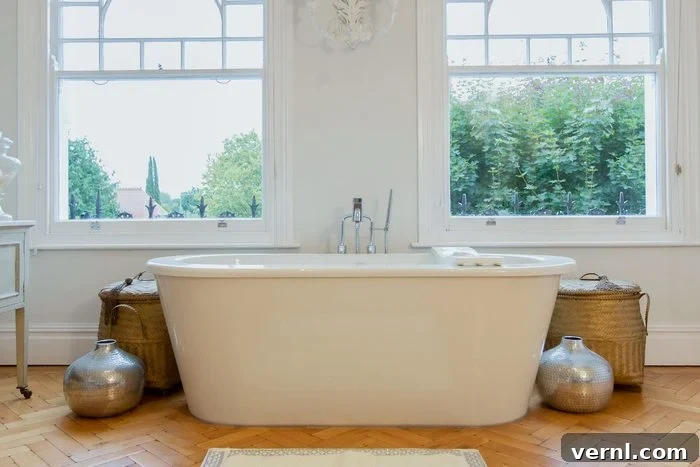
The comfort level of a soaking tub is highly subjective and depends largely on how well the tub’s dimensions and design align with the bather’s body. What feels incredibly luxurious and cozy for one person might be quite uncomfortable for another. For instance, a person who is 6 feet, 4 inches tall and weighs 250 pounds would undoubtedly require a significantly larger and deeper tub than someone who is 5 feet tall and weighs 120 pounds. The key to maximizing comfort is to keep the size and ergonomic needs of the primary users at the forefront of your decision-making process.
Key Elements That Enhance Soaking Tub Comfort:
- Sufficient Depth: A truly comfortable soaking tub should be deep enough to allow for full body immersion, ideally up to the neck, without the water spilling over.
- Ample Legroom: There should be enough length for you to stretch out your legs completely without feeling cramped or needing to bend your knees awkwardly.
- Ergonomic Contours: Tubs designed with gentle curves and sloped backrests that cradle the natural shape of the body provide superior support and comfort, reducing strain.
- Built-in Support: Integrated armrests and headrests offer additional points of comfort and stability, allowing for longer, more relaxed soaks.
- Massaging Jets: For therapeutic comfort, whirlpool or air jets can soothe sore muscles, alleviate tension, and provide a spa-like massage experience.
Factors That Can Diminish Comfort:
- Awkward Slopes: Tubs with poorly designed or overly steep internal slopes can fail to support the back comfortably, leading to discomfort rather than relaxation.
- Excessively High Sides: While deep tubs are desirable, sides that are too high can make it difficult or unsafe to climb in and out, especially for shorter individuals or those with mobility issues.
- Slippery Surfaces: A smooth, untextured bottom surface can cause bathers to drift or slide beneath the waterline, leading to a constant need for readjustment and reducing relaxation.
- Uninsulated Materials: Tubs made from materials with poor heat retention properties will cause the water temperature to drop rapidly, cutting short your comfortable soak unless an inline heater is present.
How to Approach Soaking Tub Installation
Installing a soaking tub is a complex undertaking that goes far beyond simply placing the tub. It involves intricate plumbing, structural considerations, and adherence to local building codes. Bret Hepola of All City Plumbing in Minnetrista, Minnesota, a master plumber with over 21 years of experience, strongly advocates for hiring a licensed plumber for soaking tub installations. While the allure of a DIY project can be strong, the potential for costly errors and safety hazards is significant.
For those determined to tackle such an ambitious bathroom renovation project themselves, be prepared for extensive work and potential unforeseen challenges. Hepola explains, “A remodel typically requires the removal of existing flooring and walls to properly install new waterlines, a drain, and a vent system, all in strict accordance with local codes.” During this demolition and rough-in phase, homeowners often encounter unexpected conditions such as outdated plumbing, inadequate subflooring, or wiring issues that can impact the layout and timeline. If the tub’s plumbing rough-in is not executed flawlessly, you might face the daunting prospect of tearing out newly installed flooring, cutting open walls, or removing tile – all of which can significantly complicate the job, increase costs, and delay completion. As Hepola succinctly puts it, “There is no room for error” when it comes to plumbing and structural integrity.
The Case for One- vs. Two-Piece Tubs
When it comes to the tub’s construction, Hepola expresses a strong preference for one-piece tubs, especially those with integrated overflow and drain connections, over their two-piece counterparts. The reasons are primarily practical and focused on long-term reliability and maintenance. Firstly, two-piece tubs can be more complicated to install, requiring precise alignment and sealing of multiple components. Secondly, and perhaps more crucially, if a leak were to occur after installation, accessing the faucet connections or other plumbing components in a two-piece tub often necessitates the removal of one of the pieces, adding significant time, effort, and potential damage to the repair process. With a one-piece tub, access to plumbing is typically simpler and less intrusive. “I just can’t emphasize a one-piece enough!” he stresses, highlighting the ease of installation and reduced risk of future issues.
Understanding Size and Space Requirements
The generous dimensions of soaking tubs are a primary differentiator from standard bathtubs. A typical standard bathtub measures around 60 inches long, 30 inches wide, and 14 to 16 inches high, offering a soaking depth of approximately 12 inches. In stark contrast, soaking tubs are substantially larger, commonly ranging from 60 to 72 inches long (and sometimes even longer), with a crucial soaking depth of at least 14 inches, though often 16 inches or more. These significant differences mean that a soaking tub is unlikely to fit into the same footprint as a standard tub without extensive bathroom modifications. Beyond the tub’s physical dimensions, you must also consider adequate clearance around the tub for cleaning and access, as well as the structural capacity of your floor to support the combined weight of the tub, water, and bather. Unless you possess extensive contracting experience, securing professional installation assistance is not just recommended, but highly advised to ensure safety, functionality, and compliance with all building regulations.
The Cost of Indulgence: Soaking Tub Prices
The investment required for a soaking tub varies considerably, beginning at around $400 for basic models and potentially escalating to $5,000 or more for high-end, feature-rich options. As with most home fixtures, the final cost is influenced by several factors, including the tub’s size, the chosen materials, the brand reputation, and any luxurious embellishments or built-in features.
Materials play a significant role in pricing. Classic cast iron tubs tend to be on the pricier end, reflecting their exceptional durability, superior heat retention, and often intricate design. While the initial investment is higher, cast iron tubs are renowned for their longevity and can be considered a timeless addition to your home. Conversely, basic acrylic tubs offer a more affordable and lightweight alternative. Their ease of handling makes them a popular choice for budget-conscious DIY enthusiasts, though professional installation is still recommended for plumbing connections. Beyond the tub itself, remember to factor in the cost of professional installation (which can involve plumbing, carpentry, and tiling), the price of a potentially upgraded water heater, and any desired accessories like faucets, caddies, or therapeutic jets.
However, regardless of the price point, the single most critical consideration before purchasing a soaking tub, as emphasized by plumber Bret Hepola, is personal fit. “Length and depth,” he advises. “No one wants to be scrunched up in a tub that is meant for relaxing.” Always try to sit in a display model if possible, or meticulously measure your body dimensions against the tub’s internal specifications to ensure it truly offers the comfortable, immersive experience you desire.
Frequently Asked Questions About Soaking Tubs
What is the fundamental difference between a soaking tub and a regular tub?
The primary distinction between a regular bathtub and a soaking tub lies in their depth. On average, a standard bathtub offers a soaking depth of approximately 12 inches, meaning a bather’s upper body typically remains above water. Soaking tubs, however, are specifically designed for deeper immersion, starting at around 14 inches of soaking depth and often extending to 16 inches or more. Beyond depth, soaking tubs are also generally longer and wider, providing ample space for bathers to fully submerge their bodies, promoting a complete and luxurious bathing experience that is often difficult to achieve in a conventional tub.
Are soaking tubs a worthwhile investment for a homeowner?
Whether a soaking tub is a worthwhile investment depends on several personal factors. If you regularly enjoy baths and find deep immersion relaxing, and if your budget and bathroom space allow for it, then a soaking tub can be an incredibly rewarding addition to your home. It transcends the function of a mere bathing fixture, becoming a personal sanctuary that offers significant relaxation, stress relief, and potentially even improved sleep habits. For many, the enhanced quality of life and the spa-like experience it provides justify the investment.
What are the potential disadvantages of owning a soaking tub?
Despite their numerous benefits, soaking tubs do come with certain disadvantages. The most significant of these are their size, weight, and overall cost. Soaking tubs occupy considerably more floor space than standard tubs, which can be a challenge in smaller bathrooms. Their increased size and robust construction also contribute to their substantial weight, often requiring floor reinforcement during installation. Furthermore, the cost isn’t limited to just purchasing the tub; professional installation is typically a separate, additional expense, and the ongoing operation costs (especially for larger tubs or those with heating and jet features) can be higher due to increased water and energy consumption.
At Family Handyman, our mission is to empower you with comprehensive, reliable information, whether you’re embarking on an exciting new DIY project or researching the perfect fixture for your home. We are dedicated to staying abreast of the latest product trends, engaging with home and DIY experts, and crafting insightful articles to help our readers, from first-time homeowners to industry professionals, maximize the potential of their living spaces. This article was expertly written by Toni DeBella, a seasoned lifestyle writer and DIY specialist who has rigorously reviewed a vast array of home products. Additional valuable reporting was contributed by Melissa Lee, our diligent Content Updates Editor.