
Unwanted Guests: How to Safely Remove Animals from Your Chimney and Keep Them Out
Finding an animal residing in your chimney can be a distressing and potentially hazardous situation. These unexpected tenants often build nests, bringing in food, waste, and sometimes even their young. Beyond the unsettling sounds, an uncapped chimney acts as an open invitation, exposing your home and family to a myriad of risks ranging from health concerns to structural damage. Understanding the dangers and knowing how to safely and effectively remove these creatures is crucial for maintaining a healthy and secure living environment.
According to chimney expert Chuck Roydhouse, an uncapped chimney “opens your home up to risks like rabies, fleas, ticks, roundworm, and bites.” He also highlights the danger of histoplasmosis, a serious fungal lung infection caused by bird fecal matter. Furthermore, any animal that claws, pecks, or scratches can cause significant damage to the chimney lining, flue, or cap itself, leading to costly repairs and potential fire hazards.
The most common signs of a chimney intruder include distinct noises such as rustling, clawing, scratching, and flapping. Persistent chirping or even crying noises often indicate the presence of a nest filled with babies. Another unmistakable sign is a foul odor emanating from the fireplace, typically caused by accumulated feces or a decaying animal carcass. If the damper has been inadvertently left open, you might also observe debris like droppings, feathers, nesting materials, or even acorns on the fireplace floor. This underscores the critical importance of keeping your fireplace damper completely closed during the off-season when your chimney is not in use.
The bottom line is clear: an animal cannot be allowed to take up permanent residence in your chimney. For the health, safety, and structural integrity of your home, immediate and proper removal is essential. Meg Pearson, a pest control expert, advises, “If you hear active noises that sound like an animal (scratching, hissing, etc.) coming from your chimney, it is best to have a trained professional come inspect it as soon as possible, rather than taking a look for yourself.” Attempting to handle the situation without expertise can put both you and the animal at risk.
The Dangers of Uninvited Chimney Guests
Allowing wildlife to inhabit your chimney poses multiple threats to your property and well-being:
- Health Risks: Animals can carry a host of diseases, parasites, and bacteria. Rabies, histoplasmosis (from bird droppings), fleas, ticks, and roundworm are just a few examples. These can easily transfer into your living space, posing a severe health risk to family members and pets.
- Structural Damage: Claws, teeth, and nesting activities can significantly damage the chimney flue, liner, cap, and even the chimney chase. This damage can compromise the chimney’s integrity, leading to expensive repairs and potentially allowing carbon monoxide or smoke to leak into your home.
- Fire Hazards: Nesting materials like twigs, leaves, and insulation are highly flammable. If you unknowingly start a fire in a fireplace with a nest inside, it can quickly ignite, leading to a dangerous chimney fire that could spread to your entire home. Blocked flues can also cause smoke and carbon monoxide to back up into the house.
- Foul Odors: Animal droppings, urine, and decaying carcasses can produce persistent, unpleasant odors that permeate your home, significantly impacting air quality and comfort.
- Noise Disturbances: The constant scratching, chirping, or rustling can be incredibly disruptive, especially at night, affecting your peace and sleep.
Bats in the Chimney
Bats, naturally drawn to dark, secluded spaces like caves, often find chimneys to be ideal substitutes. They typically hang upside down to protect themselves and their young from predators. You’ll most likely notice bat activity around dusk and dawn, as they enter or exit the chimney to forage. These are also the times you’re most likely to hear their distinctive noises inside.
How To Get Rid of Them
Before attempting any removal, ensure your fireplace damper is completely shut. This prevents bats from accidentally flying into your home. Carefully identify the bats’ primary entry and exit points on the chimney. Once identified, install an exclusion device or a one-way door. This specialized setup allows bats to fly out but prevents them from re-entering. Bat exclusion is a sensitive process, as bats are protected species in many regions. If the exclusion device isn’t effective, or if you’re uncomfortable with the process, it’s highly recommended to seek professional assistance. There are strict regulations and laws concerning removing bats from your property, and professionals are equipped to handle this humanely and legally.
Mice in the Chimney
Mice are constantly seeking secure shelter to escape natural predators and harsh weather. Your chimney, especially if uncapped, provides an appealing refuge. Since mice are primarily nocturnal, you’ll most likely hear their scratching and scurrying sounds during the night. If your damper has been left open, a close inspection of the ash at the bottom of the fireplace might reveal tiny footprints, confirming their presence.
How To Get Rid of Them
Eliminating mice from your chimney is a methodical two-step process. First, you must identify and seal all potential entry points. Mice can squeeze through incredibly small gaps. Chuck Roydhouse points out, “Common entryways for mice include gaps around exhaust pipes or ventilation grills, uncapped chimneys, and the eaves of your roof.” Thoroughly inspect your chimney exterior and roofline for any cracks, holes, or openings. Seal these problematic areas with steel mesh or coarse steel wool, as mice are notorious for chewing through most other materials like caulk or foam.
The second step involves removal. Once all entry points are sealed, open the damper and strategically place no-kill traps or traditional snap-traps in or around the fireplace. Pest control professional Zachary Smith strongly advises: “Never use poison to kill animals in and around your chimney.” The primary reason is that a poisoned animal might die within the confined spaces of the chimney flue, making extraction extremely difficult or impossible, leading to a horrific and lingering odor throughout your home.
Birds in the Chimney
Birds often view an open chimney as a perfect nesting site, mimicking the hollow trees they would use in nature. If your damper is left open, you might even observe a bird flying around inside the fireplace. While seemingly harmless, bird nests can quickly become a significant fire hazard due to their flammable materials, and birds can introduce parasites into your home.
How To Get Rid of Them
For a single bird, you can often scare it out by making loud noises or shining a bright light into the chimney. Another method is to open the damper and close the fireplace doors, creating a contained space. Once the bird descends into the fireplace, you can gently capture it with gloved hands and release it outdoors. Always wear sturdy gloves and a mask during this process, and thoroughly wash your hands afterward, as birds can carry parasites and pathogens. Smoking out a bird is strongly discouraged as it can kill the bird and its nest, exacerbating the fire risk. If you discover a nest containing eggs or baby birds, it is imperative to contact a wildlife control professional. Many bird species, such as those protected under the Migratory Bird Treaty Act of 1918, are subject to legal protections, making it illegal to disturb or remove their nests without proper authorization.
Squirrels in the Chimney
Squirrels are exceptionally agile climbers, but even they can sometimes fall down a slick metal chimney flue and become trapped. Additionally, a female squirrel might choose your chimney as a secure, elevated location to build a nest for her babies. If the damper is open, a tell-tale sign of their presence might be acorns or other nuts scattered on your fireplace floor.
How To Get Rid of Them
Encouraging the squirrel to climb out on its own is often the safest and most effective strategy. To do this, procure a thick rope (approximately 3/4-inch diameter) and securely tie one end to the top of the chimney. Let the other end dangle all the way down to the damper or the bottom of your fireplace. The squirrel can then use this rope as a ladder to climb out. Once you are absolutely certain the squirrel has escaped (you might see it emerge from the top of the chimney), promptly remove the rope and install a chimney cap to prevent future intrusions. If there are baby squirrels unable to climb, you may need to carefully remove them by hand, wearing thick gloves, and place them outside near the mother, who will likely relocate them.
Raccoons in the Chimney
Raccoons are particularly notorious for making themselves at home in chimneys. Female raccoons are especially drawn to these sheltered spaces when they are pregnant, seeking a safe and warm environment to give birth and raise their young. Zachary Smith notes that if a chimney is not properly screened or capped, a raccoon will often build a robust nest directly on top of a closed damper. You might observe the mother raccoon leaving the chimney during the day to forage for food for her kits.
How To Get Rid of Them
You can often get rid of a raccoon harmlessly by using methods that scare or annoy them without causing harm. Raccoons, despite their climbing prowess, prefer quiet and dark spaces for nesting. One effective tactic is to play loud music near the fireplace or chimney opening. The unexpected and continuous noise can be disorienting and distressing for raccoons, often prompting them to relocate on their own.
Another innovative approach is the use of raccoon eviction fluid. This natural by-product of male raccoons acts as a powerful deterrent. When placed in the den area, the scent signals to a female raccoon that a potential predator or danger to her young is nearby. This natural threat often compels her to move her babies to a safer location. As with all wildlife issues, if these methods don’t work, or if you suspect a large family of raccoons, it is best to contact a professional wildlife removal service.
Preventing Future Chimney Invasions: The Ultimate Defense
The best approach to dealing with animals in your chimney is to prevent them from getting in in the first place. Proactive measures are far less stressful and costly than reactive removal.
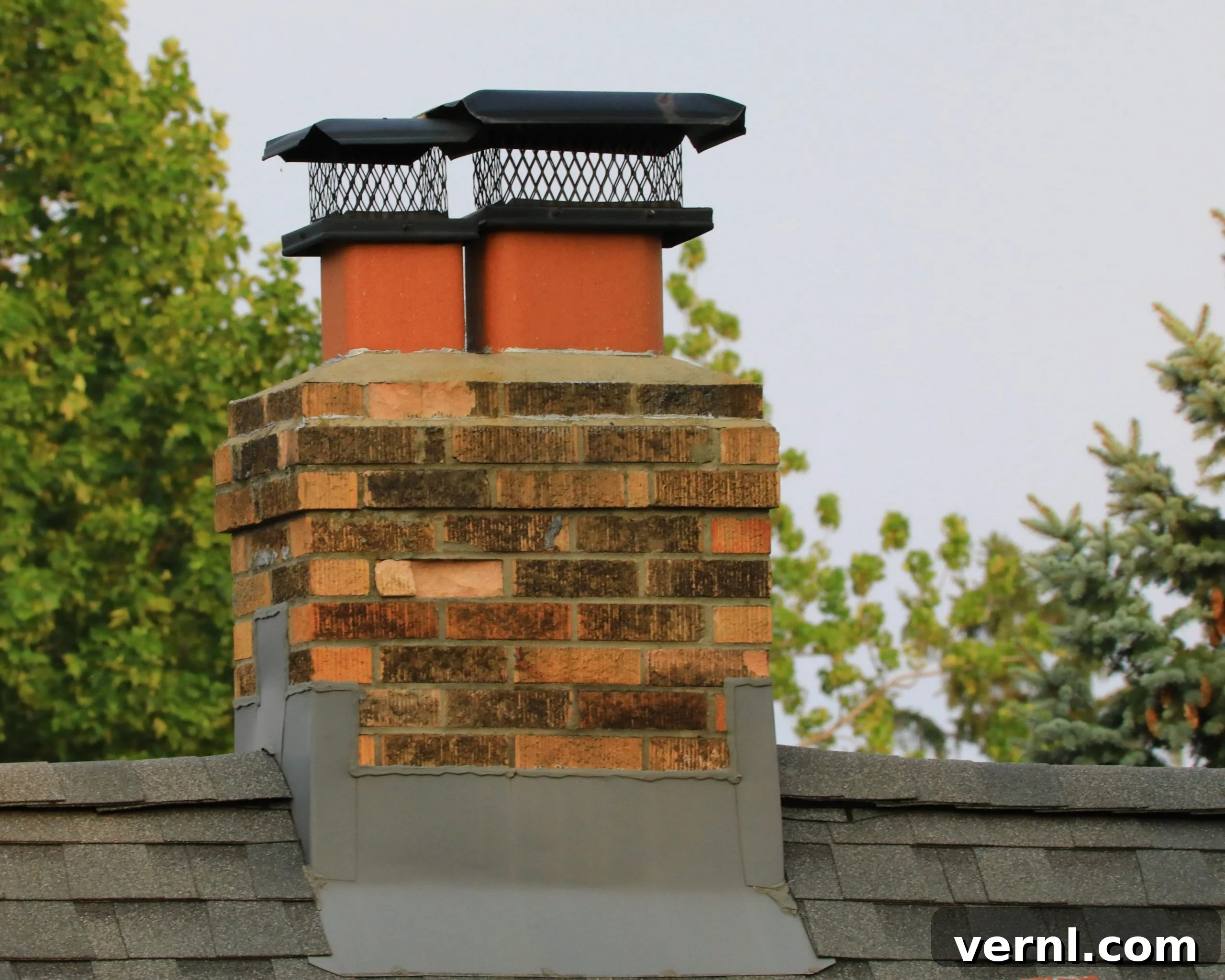
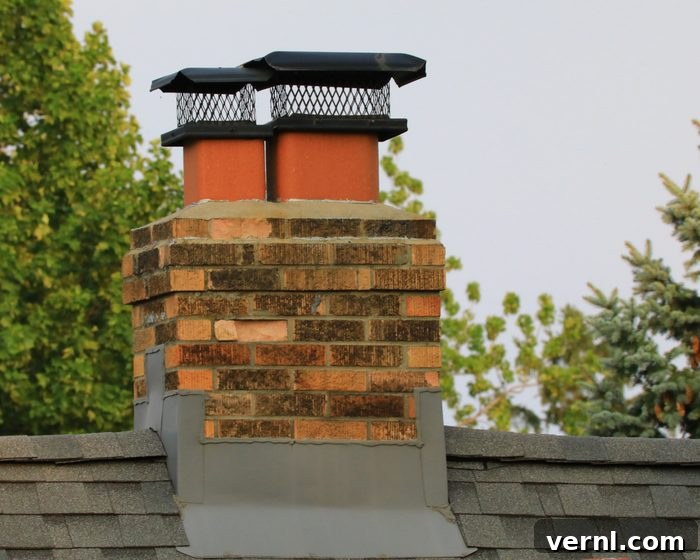
- Install a Chimney Cap: This is the single most important preventive measure. A sturdy, appropriately sized chimney cap made of metal mesh will cover the top opening of your flue, preventing animals, debris, and rain from entering. Ensure the mesh is tight enough to keep out small creatures like birds and squirrels, but wide enough not to impede airflow.
- Regular Inspections: Have your chimney professionally inspected at least once a year. A certified chimney sweep can identify and repair any cracks, gaps, or deteriorated mortar that could serve as entry points for pests. They can also check the condition of your chimney cap and flue.
- Seal Gaps and Cracks: Beyond the main opening, inspect the entire exterior of your chimney, including the flashing and masonry, for any small gaps, cracks, or holes. Seal these with appropriate weather-resistant sealant or mortar. Remember that even a small opening can be an invitation for mice and insects.
- Trim Overhanging Branches: If tree branches hang over your roof or near your chimney, trim them back. Squirrels, raccoons, and even large birds can use these branches as a bridge to access your chimney and roof.
- Keep Your Damper Closed: When your fireplace is not in use, ensure the damper is fully closed. While not a substitute for a chimney cap, a closed damper adds an extra layer of protection, preventing animals that might get past an uncapped flue from entering your home.
FAQ
What should I do if I think an animal has died in my chimney?
“Even though an animal in the chimney has died, it is still best to have it removed by a trained professional who can get it out of the house in the safest manner possible,” advises Meg Pearson. “Dead animals can be carriers of infectious diseases that homeowners will not want to contract; a professional will be able to remove the animal safely, without the concern of spreading diseases and can also properly sanitize the area.” The smell of a decaying animal can also be overpowering and extremely difficult to eliminate without professional intervention.
When is the best time to remove animals from my chimney?
The best time for animal removal is generally outside of nesting seasons. For many animals, this means late fall or early spring. However, if you suspect babies are present, it is crucial to consult a wildlife professional immediately, as disturbing nests with young can be illegal and harmful. Prevention is always best applied before nesting seasons begin.
Can I remove animals myself?
While some minor instances (like a single bird you can easily guide out) might be manageable, for most wildlife in chimneys, especially bats, raccoons, or animals with babies, professional help is highly recommended. Professionals have the tools, expertise, and legal knowledge to ensure safe, humane, and effective removal, as well as proper sanitation and prevention.
About the Experts
- Meg Pearson is a recognized pest control expert and the Training Manager at Critter Control, specializing in humane wildlife removal and prevention.
- Chuck Roydhouse is the retired owner of Clean Sweep of Anne Arundel County and a former president of the Chimney Safety Institute of America (CSIA), bringing extensive knowledge of chimney maintenance and safety.
- Zachary Smith is the president of Smith’s Pest Management, based in the San Francisco Bay area, with vast experience in effective and ethical pest control solutions.
Ensuring your chimney is free from wildlife is vital for the safety, health, and comfort of your home. By understanding the risks, knowing the signs of an infestation, and implementing effective prevention strategies, you can protect your chimney from becoming a haven for unwanted guests. When in doubt, always defer to the expertise of trained professionals who can resolve the issue humanely and efficiently, allowing you to enjoy a safe and serene home environment.