
The Ultimate Guide to Eliminating American Cockroaches: A Homeowner’s Handbook
One of the most persistent and unsettling household pests homeowners might face is the American cockroach (Periplaneta americana). These formidable insects, known for their rapid movement and occasional flights, can quickly and efficiently establish an infestation, transforming a comfortable living space into a source of constant concern. The question often arises: are American cockroaches hard to get rid of? The honest answer is yes, they can be incredibly challenging to eliminate. However, with the right knowledge, persistent effort, and appropriate control methods, a successful eradication is well within reach. This comprehensive guide will equip you with everything you need to understand, combat, and prevent these resilient invaders.
Understanding the behavior, life cycle, and vulnerabilities of American cockroaches is paramount. By unraveling their secrets, homeowners can implement targeted strategies that effectively disrupt their presence and restore peace of mind.
What Are American Cockroaches?
American cockroaches are a species with a formidable reputation, largely due to their impressive size and remarkable adaptability. Originating from Africa and the Middle East, these robust insects have successfully journeyed across continents and are now ubiquitous throughout the United States. They are among the largest species of common household roaches, making their presence particularly startling for many. In the warmer climates of southern states, they are frequently encountered outdoors, often thriving in gardens, under mulch, and in other damp, debris-filled environments. Conversely, in northern regions, where outdoor conditions can be harsher, they predominantly seek refuge indoors within drains, sewers, basements, and other moisture-rich, sheltered locations. Their strong affinity for wet and moist environments has earned them several regional nicknames, such as “water bugs” or “palmetto bugs,” highlighting their preference for humid habitats. Their ability to flourish in diverse environments, from tropical outdoors to subterranean urban infrastructure, underscores their incredible resilience as a species.
What Do American Cockroaches Look Like?
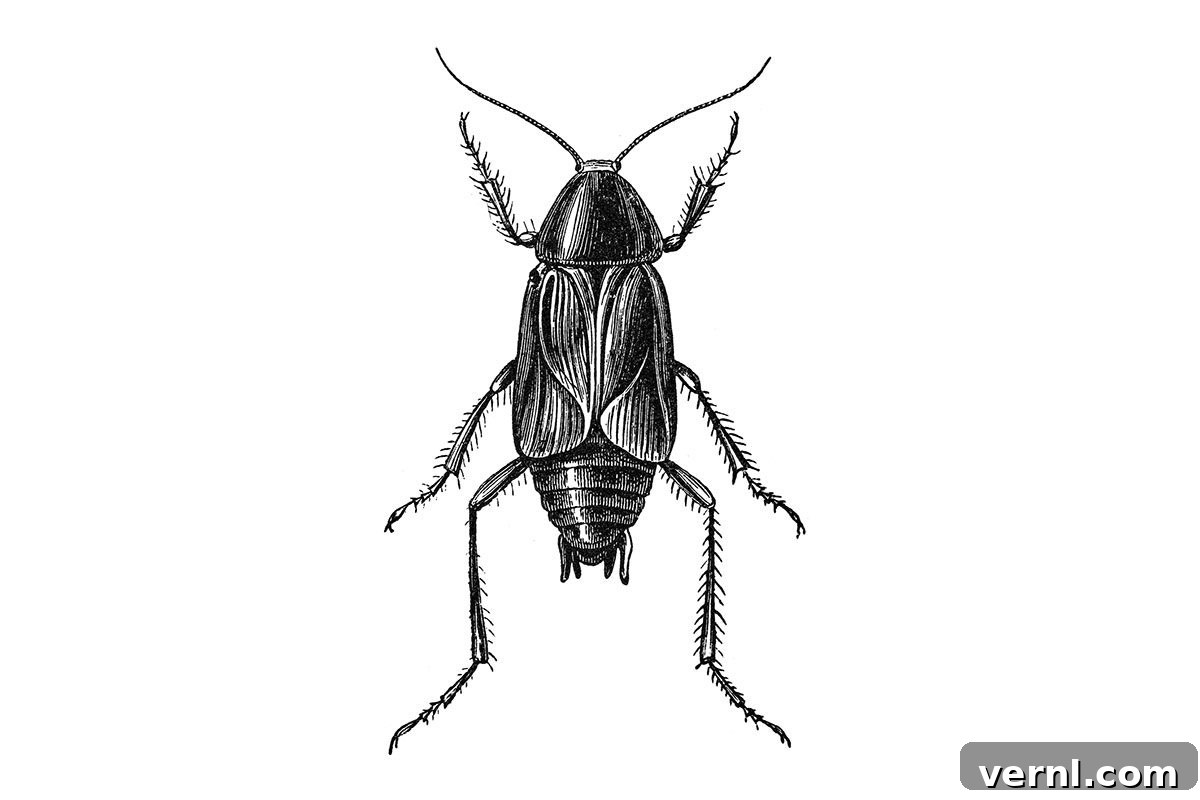
Identifying an American cockroach is relatively straightforward due to its distinct physical characteristics. These roaches are notably large, typically ranging from a substantial one inch up to three inches in length, making them one of the biggest cockroach species found in homes. Their coloration is a distinguishing reddish-brown to a lighter brown, often highlighted by a prominent yellowish band or a figure-eight pattern situated just behind their head on the pronotum. This unique mark is a key identifier.
Like all insects, they possess six legs, which are surprisingly powerful and enable them to scurry with remarkable speed, making them difficult to catch. They also feature two long, straight antennae that constantly twitch, providing them with crucial sensory information about their surroundings, helping them navigate in darkness and detect food or danger. Their body shape is distinctly oval, somewhat flattened, which allows them to squeeze into tight cracks and crevices, an adaptation crucial for their survival and evasion.
While many cockroach species are flightless or poor flyers, the American cockroach is one of the few common household varieties that can utilize its fully developed wings. Though they rely heavily on their legs for rapid ground travel, they can take to the air, especially in warmer conditions or when disturbed, gliding or flying short distances. This flying capability can be particularly startling and adds another layer to their evasiveness.
American Cockroach Behaviors
The American cockroach exhibits a suite of behaviors that contribute to its success as a survivor and, unfortunately, as a pest. Primarily nocturnal creatures, they are most active under the cover of darkness, venturing out from their hidden daytime retreats to forage for food and water. This explains why homeowners often only spot them scurrying across floors when lights are suddenly turned on in the middle of the night.
Their natural habitat largely consists of warm, damp, and sheltered outdoor locations. You’ll typically find them in gardens, beneath layers of mulch, under leaf litter, in woodpiles, and within sewer systems. These environments provide the consistent moisture and decaying organic matter they need to thrive. However, their adaptability shines when external conditions become less favorable. If the outdoor climate turns harsh (such as extreme cold or prolonged drought) or food and water sources become scarce, American cockroaches are quick to migrate indoors. They infiltrate human-made structures like homes, apartments, restaurants, grocery stores, and commercial buildings, seeking the consistent warmth, humidity, and abundant resources these environments offer.
Once inside, they gravitate towards areas that mimic their preferred outdoor conditions: wet, dark, and food-rich spaces. Common indoor havens include basements, crawl spaces, utility closets, and particularly, areas around drains, pipes, and sewers. They frequently hide behind and under major appliances such such as refrigerators, stoves, and dishwashers, where warmth, moisture, and food crumbs are often plentiful. Wall voids and cracks are also prime hiding spots.
Their diet is remarkably broad and opportunistic, making them true scavengers. They will consume virtually any organic material available, reflecting their ability to adapt to diverse food sources. Outdoors, this includes decaying leaves, fungi, algae, and wood. Indoors, their menu expands to include food crumbs, spilled beverages, discarded human food, pet food, grease, sugary residues, starches, book bindings, wallpaper paste, and even dead insects. This omnivorous nature ensures their survival even in sparse environments, making eradication efforts particularly challenging.
American Cockroach Life Cycle
The American cockroach undergoes an incomplete metamorphosis, a biological process characterized by three distinct stages: egg, nymph, and adult. This life cycle is typical for most cockroach species and is a significant factor in their rapid population growth and persistence.
The cycle begins with the egg stage. A female American cockroach produces an egg case, known as an ootheca. This dark brown, purse-shaped casing is approximately 8 mm long and contains multiple eggs, typically between 14 to 16. The female may carry this ootheca for several days before depositing it in a protected, often concealed location, usually glued to a surface in a dark, moist area near a food source.
Once hatched, the eggs develop into nymphs. These immature cockroaches are smaller versions of the adults, lacking fully developed wings and reproductive organs. They go through a series of molts, shedding their exoskeleton multiple times as they grow larger. Each stage between molts is called an instar. The transition from a newly hatched nymph to a fully-formed, sexually mature adult can take anywhere from six months to over a year, depending on environmental conditions like temperature and food availability. Warmer temperatures and ample food accelerate their development.
The adult stage marks the cockroach’s full maturity, characterized by developed wings and the ability to reproduce. American cockroaches are relatively long-lived for an insect, with adults typically surviving for approximately two years. This extended adult lifespan provides ample opportunity for reproduction, fueling infestations.
The reproductive capacity of the female American cockroach is a primary reason for their notorious infestation potential. At her peak, a single female can produce an ootheca containing 14-16 eggs approximately once a week for nearly 10 months. This astounding reproductive rate means that a single female can be responsible for hundreds of offspring over her lifetime, leading to an exponential increase in population if an infestation is left unaddressed. This rapid breeding capability underscores why early detection and aggressive intervention are crucial in managing American cockroach populations.
Signs of American Cockroach Infestations
Detecting an American cockroach infestation early is crucial for effective management. The signs they leave behind are often similar to those of their smaller cousins, but can be more pronounced due to their larger size and higher activity levels. Key indicators include:
*
On-sight Visual:
The most obvious and immediate sign of an infestation is spotting live cockroaches. If you see even one American cockroach indoors, especially during daylight hours, it’s a strong indicator that many more are hiding. Nocturnal by nature, a daytime sighting suggests overcrowding or a lack of resources, forcing them out of their usual nighttime foraging patterns. Look for them scurrying away when you flick on a light in a dark room.
*
Droppings:
American cockroaches are constant eaters and, consequently, constant producers of waste. Their droppings resemble small, dark pellets, often mistaken for mouse droppings, but with ridged sides and blunt ends. They can also appear as black pepper-like specks or dark smears, depending on their diet and moisture intake. These fecal deposits are typically found in areas where cockroaches feed or hide: on counters, inside cabinets, drawers, along baseboards, behind and under appliances, and in other sheltered spots. The quantity of droppings can indicate the severity of the infestation.
*
Egg Casings (Oothecae):
As mentioned, female American cockroaches lay their eggs in protective casings called oothecae. These dark reddish-brown, capsule-shaped casings, about 8mm long, can be found in similar secluded locations where adults reside. Common spots include behind furniture, in cracks and crevices, within cluttered storage areas, or attached to surfaces in damp, undisturbed places like basements and laundry rooms. Discovering these casings confirms active breeding within your home.
*
Shed Skins (Exuviae):
As American cockroach nymphs grow, they molt, shedding their old exoskeletons. These shed skins, known as exuviae, are often pale brown and translucent, retaining the shape of the nymph. Finding these discarded skins in attics, basements, or other hidden areas indicates that young cockroaches are developing and maturing within your environment, signaling an active infestation.
*
Odor:
A distinctive, musty, and somewhat unpleasant odor is a tell-tale sign of a significant American cockroach infestation. This smell intensifies with the size of the population and is caused by pheromones they release to communicate, as well as from their droppings and body secretions. This odor can permeate affected areas, particularly in enclosed spaces like cabinets, pantries, or basements, and can even taint food items.
Recognizing these signs quickly can help you initiate control measures before the problem escalates into a full-blown infestation.
Why Are American Cockroaches Hard to Get Rid Of?
These reddish-brown home invaders have honed the art of survival over countless generations, perfecting strategies that make them incredibly tough to banish completely. Dating back eons, their time-tested survival skills allow them to endure almost anything thrown their way, turning a casual sighting into a protracted battle for homeowners. Their resilience stems from a combination of remarkable biological adaptations and behavioral patterns.
Adaptability and Breeding Patterns
Despite bearing the “American” name, these hardy pests originally embarked on their journey to the Americas from African and Middle Eastern regions. Today, they have successfully established themselves throughout the United States, demonstrating impressive flexibility in adapting to diverse climates and environments. Southern homeowners frequently encounter them outdoors, thriving in garden mulch, sewers, and other moist, sheltered spots. Meanwhile, their northern counterparts have adapted perfectly to life within the confines of urban infrastructure, primarily inhabiting wet drains, sewer systems, and the damp basements of buildings, particularly when outdoor temperatures drop. This environmental versatility highlights their ability to colonize and persist in various ecological niches.
Their diet further exemplifies their adaptability. American cockroaches are omnivorous scavengers, capable of subsisting on an astonishing array of organic materials. From decaying leaves, fungi, and algae outdoors, to crumbs, food scraps, grease, pet food, wallpaper paste, book bindings, and even soap indoors, almost nothing is off-limits. This broad diet ensures their survival even when preferred food sources are scarce, making them incredibly difficult to starve out. Furthermore, they can survive for weeks without food and over a week without water, showcasing their remarkable physiological resilience.
Beyond their adaptability, their reproductive capacity is truly formidable and a primary driver of their persistence. A female American cockroach can produce an egg case (ootheca) containing 14 to 16 eggs approximately every week or two for up to 10 months. This rapid and continuous reproduction leads to an exponential growth in population if an American cockroach infestation is not addressed promptly and aggressively. The entire process from egg to adult can take anywhere from six months to over a year, with adults often living for another year or more. This extended lifespan as reproductive adults gives them ample time to contribute to the population, exacerbating the problem and making eradication a sustained effort. The protective ootheca also shields eggs from many common insecticides, allowing new generations to emerge even after initial treatments.
Where Do American Cockroaches Hide?
American cockroaches are masters of concealment, preferring dark, moist, and undisturbed areas for their daytime retreats. Their flattened bodies allow them to squeeze into incredibly tight spaces, making detection and direct treatment challenging. Indoors, they actively seek out environments that offer the essential triumvirate of moisture, food, and shelter. Common hiding spots include:
* **Basements and Crawl Spaces:** These areas often provide the perfect combination of darkness, humidity, and shelter, especially near pipes, sump pumps, or any sources of moisture. They will often hide within wall voids, under floorboards, or behind stored items.
* **Underneath and Behind Appliances:** Major kitchen appliances like refrigerators, stoves, dishwashers, and washing machines create pockets of warmth, darkness, and often harbor food crumbs, grease, and condensation, making them ideal hideouts.
* **In and Around Drains, Pipe Chases, and Utility Conduits:** Their affinity for water means plumbing systems are prime pathways and hiding spots. They can live within drains, travel through sewer lines, and hide inside the voids around pipes that penetrate walls and floors.
* **Inside Wall Voids:** Any gaps or openings in walls, especially if there’s a plumbing leak or insulation, offer excellent, undisturbed harborage. They use these voids to travel throughout the structure undetected.
* **Cluttered Storage Areas:** Piles of cardboard boxes, old newspapers, magazines, and other stored items in garages, attics, or closets provide numerous dark, secluded spots for cockroaches to hide and breed. Cardboard also serves as a minor food source.
* **Kitchen Cabinets and Pantries:** Particularly under sinks where leaks might occur, or in lower cabinets and drawers, these areas offer proximity to food sources and often sufficient darkness and undisturbed conditions.
* **Bathrooms:** Similar to kitchens, bathrooms provide essential moisture. Cockroaches often hide near toilets, under sinks, behind bathtubs, and in shower stalls, especially if there are leaks or standing water.
* **Floor Drains and Sump Pump Pits:** In basements or utility rooms, these areas offer direct access to moisture and often lead to sewer systems, which are major cockroach highways.
Understanding these preferred hiding spots is critical for effective inspection and targeted treatment strategies. Without locating their harborage areas, eradication efforts are often futile.
How to Get Rid of American Cockroaches
Eliminating American cockroaches requires a multi-faceted approach, combining meticulous sanitation, strategic use of pest control products, and often, professional intervention. The first and most critical step is to make your home as uninviting as possible by removing their primary attractants: food, water, and shelter.
How to Prevent Cockroaches Indoors: DIY Methods
For minor infestations or as a preventative measure, DIY pest control tips can be surprisingly effective. The core principle is resource elimination:
1. **Thorough Cleaning and Sanitation:** This is paramount. Clean all living spaces meticulously, paying special attention to kitchen counters, underneath and behind appliances (refrigerators, stoves, dishwashers), sinks, drains, and inside cabinets. Wipe up spills immediately, sweep and vacuum regularly, and deep clean periodically to remove grease, crumbs, and food residues that serve as their sustenance.
2. **Proper Food Storage:** Store all food, including pet food, in airtight containers. Avoid leaving food out on counters overnight. Promptly clean dirty dishes and ensure they are not left in the sink for extended periods.
3. **Waste Management:** Empty garbage cans frequently, especially those in the kitchen, and use bins with tight-fitting lids. Store outdoor garbage cans away from the house and ensure they are also sealed.
4. **Eliminate Moisture Sources:** Cockroaches cannot survive long without water. Fix any leaky pipes, dripping faucets, or constantly running toilets immediately. Improve ventilation in damp areas like basements, crawl spaces, and bathrooms by using fans or dehumidifiers. Eliminate standing water, such as in plant saucers.
5. **Seal Entry Points:** Caulk cracks and seal gaps in walls, floors, and foundations. Pay close attention to openings around pipes, utility lines, and electrical conduits that penetrate walls. Seal gaps around windows and doors, and repair any damaged screens.
6. **Declutter:** Reduce clutter in your home, especially in storage areas, basements, and garages. Piles of newspapers, cardboard boxes, and old clothes provide ideal hiding spots.
**Natural Remedies:**
Diatomaceous earth (food-grade) can be a helpful natural method. This finely milled powder is composed of fossilized diatoms, microscopic aquatic organisms. When cockroaches crawl over it, the sharp microscopic particles abrade their exoskeletons, causing them to dehydrate and die. Lightly dust diatomaceous earth in dry areas where cockroaches travel or hide, such as along baseboards, under sinks, or in cabinet corners. It’s essential to apply it as a very fine, almost invisible layer, as a thick layer will be avoided by the roaches. Always ensure it’s food-grade and applied in areas inaccessible to children and pets, and avoid inhaling the dust during application. These steps are foundational in learning how to get rid of American cockroaches.
Using Baits, Sprays, and Traps Effectively
When DIY prevention alone isn’t enough, several commercially available products can help control or kill American cockroaches. Strategic application is key to their effectiveness:
* **Gel Baits:** These are arguably one of the most effective options for targeting American cockroaches. Gel baits contain an attractive food source mixed with a slow-acting insecticide. Cockroaches consume the bait and carry the insecticide back to their harborage, sharing it with other roaches through contact and cannibalism (a “domino effect”). Apply small, pea-sized dabs of gel bait in discreet areas where cockroaches are known to hide or travel, such as along baseboards, inside cracks and crevices, under sinks, behind appliances, and inside cabinets (avoiding food preparation surfaces). You should observe a noticeable decrease in cockroach activity within 1-2 weeks after applying bait. Patience is crucial, as it takes time for the bait to work through the population. Always place baits out of reach of children and pets.
* **Traps:** Sticky traps (glue boards) are excellent tools for monitoring cockroach populations and catching individual roaches. While they won’t eliminate a large infestation on their own, they are invaluable for identifying high-traffic areas and assessing the severity of the problem. Place them along walls, under furniture, inside cabinets, and in other suspected hiding spots. Their strategic placement can provide insights into where to focus more aggressive treatments like baits or sprays.
* **Insecticidal Sprays:** Residual insecticidal sprays can be applied to cracks, crevices, and other hiding places where cockroaches dwell. Choose products specifically labeled for indoor cockroach control and strictly follow all label directions. Pay meticulous attention to safety precautions, especially regarding children, pets, and food preparation surfaces. Sprays can offer a quick knockdown effect but are often less effective for long-term control than baits, as roaches can develop resistance or simply avoid treated areas. They are best used as a supplemental treatment to target visible roaches or hard-to-reach harborage points. Avoid “bug bombing” or foggers unless specifically recommended by a professional, as they often scatter cockroaches into new areas and offer limited residual control.
When to Call Professional Pest Control
Despite your most diligent DIY efforts, there comes a point where professional intervention becomes necessary. If you’re consistently seeing American cockroaches, particularly during the day, or if the infestation appears widespread and overwhelming, it’s time to call in the experts.
Professional pest control technicians offer several distinct advantages:
* **Expertise and Experience:** They possess in-depth knowledge of cockroach biology, behavior, and the most effective control strategies. They can accurately identify the species, locate hidden harborage areas that homeowners might miss, and assess the severity of the infestation.
* **Access to Professional-Grade Products:** Professionals have access to stronger, more specialized insecticides, baits, and growth regulators that are not available to the general public. These products often have longer residual effects and more potent active ingredients.
* **Targeted Treatment Plans:** They can develop a customized and targeted plan for your specific situation, implementing an Integrated Pest Management (IPM) approach that combines chemical treatments with sanitation and exclusion recommendations.
* **Follow-Up Treatments:** Many professional services include follow-up visits to ensure the infestation is completely eradicated and to address any re-infestations.
* **Addressing Conducive Conditions:** Professionals can help identify and address underlying conducive conditions, such as hidden moisture leaks or structural entry points, that you might have overlooked.
Don’t hesitate to contact a professional if your DIY attempts are failing. Early professional intervention can prevent the infestation from worsening and save you time, money, and frustration in the long run.
Preventing Future Roach Infestations
Maintaining a cockroach-free home requires ongoing vigilance and the implementation of robust preventative measures. The key is to make your environment consistently inhospitable to these resilient pests. By adhering to Integrated Pest Management (IPM) principles, you can significantly reduce the risk of future infestations:
1. **Seal All Entry Points:** Regularly inspect your home’s foundation, exterior walls, and entryways for any cracks, crevices, or holes where cockroaches might gain access. Use high-quality caulk, cement, or appropriate sealants to close these gaps. Pay particular attention to openings around pipes, utility lines, and vents that penetrate walls. Install door sweeps and repair damaged window screens.
2. **Maintain Impeccable Cleanliness:** This is your primary defense. Clean up spills and crumbs immediately. Wipe down kitchen counters, stovetops, and dining tables after every meal. Vacuum and mop floors regularly, ensuring to get under appliances and furniture. Don’t leave dirty dishes in the sink overnight.
3. **Proper Food Storage:** Store all food items, including cereals, grains, and pet food, in sealed, airtight containers. Avoid storing food in original cardboard packaging, as roaches can easily chew through it.
4. **Eliminate Moisture:** Since these pests thrive in humid environments, meticulously eliminate all sources of excess moisture. Repair leaky faucets, pipes, and toilets without delay. Ensure proper ventilation in bathrooms, basements, and crawl spaces. Consider using a dehumidifier in chronically damp areas to reduce ambient humidity.
5. **Manage Waste Effectively:** Use garbage cans with tight-fitting lids both indoors and outdoors. Empty indoor trash cans daily, especially those containing food waste. Store outdoor trash bins away from the house and ensure they are sealed to prevent roaches from foraging.
6. **Reduce Clutter:** Declutter your home, particularly in storage areas like basements, attics, and garages. Piles of newspapers, magazines, cardboard boxes, and other debris provide ideal hiding and breeding spots.
7. **Exterior Maintenance:** Keep outdoor areas tidy. Trim overgrown shrubs and plants away from your home’s foundation. Remove leaf litter, woodpiles, and other debris that can serve as outdoor harborage close to your house. Ensure proper drainage away from the foundation.
By consistently applying these preventative strategies, you create a robust barrier against American cockroaches, making your home far less appealing for them to settle in.
Why Should You Care About Cockroach Safety?
Beyond the sheer annoyance and unpleasantness of having your home or business overrun by an unwelcome pest, American cockroaches pose significant health concerns. Their presence can directly impact the well-being of occupants, making effective control not just a matter of comfort, but also of public health.
American cockroaches are excellent transmitters of various pathogens. As they crawl through unsanitary environments like sewers, garbage bins, and drains, they pick up a multitude of bacteria, viruses, fungi, and parasites on their legs and bodies. When they then crawl across food preparation surfaces, utensils, and stored food items, they can easily transfer these harmful microorganisms. This transmission pathway can lead to a range of illnesses, including food poisoning caused by bacteria like *E. coli* and *Salmonella*. They have also been implicated in the spread of other diseases, making them a vector for various health risks.
Furthermore, the presence of cockroaches, particularly in large numbers, can exacerbate respiratory issues. The odors emitted from their secretions, along with their shed skins (exuviae) and droppings, contain allergens. These airborne allergens can trigger allergic reactions and asthma attacks in sensitive individuals, especially children. Symptoms can range from skin rashes and itchy eyes to severe respiratory distress. Long-term exposure to cockroach allergens can even contribute to the development of asthma in individuals who previously did not have it.
While the thought of a cockroach bite is unsettling, American cockroaches are not much of a direct threat in this regard. They rarely bite humans, and when they do, it’s typically out of extreme desperation (e.g., when food sources are completely absent) and usually targets sleeping individuals or areas of the skin where food residue might be present. Even if a bite occurs, they rarely transmit their carried pathogens directly through their bite. The primary health concern remains the indirect transmission of bacteria and the potent allergic reactions they can provoke. Therefore, managing an American cockroach infestation is a critical step in safeguarding the health and safety of your household.
How to Handle Other Cockroaches
While the American cockroach is a common and challenging pest, it’s important to recognize that it’s just one of several cockroach species that can invade homes and businesses. Effective pest control often hinges on accurate identification, as different species may have slightly different behaviors, preferred habitats, and vulnerabilities that influence the best treatment approach. For instance, the tiny German cockroach, often found in kitchens and bathrooms, reproduces much faster than the American cockroach and requires highly targeted baiting strategies. The Oriental cockroach, sometimes called a “water bug,” strongly favors damp, cool areas and is less likely to be found on high surfaces.
Other common species include:
* German Cockroach
* Oriental Cockroach
* Smokybrown Cockroach
* Brown-Banded Cockroach
* Pennsylvania Woods Cockroach
* Asian Cockroach
* Flying Cockroaches (a behavior, not a species, but relevant to identification)
For more detailed information about various cockroach species, how to identify them, and what their presence means for your home or business, it’s recommended to consult specialized resources. Understanding the specific type of cockroach you’re dealing with is the first step toward developing an effective and lasting solution for pest control. You can find comprehensive guides and further insights here.
Sources
- University of Minnesota Extension: “Cockroaches”
- EPA.gov: “Cockroaches and Schools”
- University of California Agriculture & Natural Resources: “Cockroaches Management Guidelines”
- PennState extension: “American Cockroaches”
- EPA.gov: “Integrated Pest Management (IPM) Principles”
- National Pesticide Information Center: “Diatomaceous Earth Fact Sheet”
- Pestworld: “Cockroaches Profile: Info, Photos, & Extermination”