The Ultimate Guide to Recycling Plastic Bags: From Guilt to Green Solutions
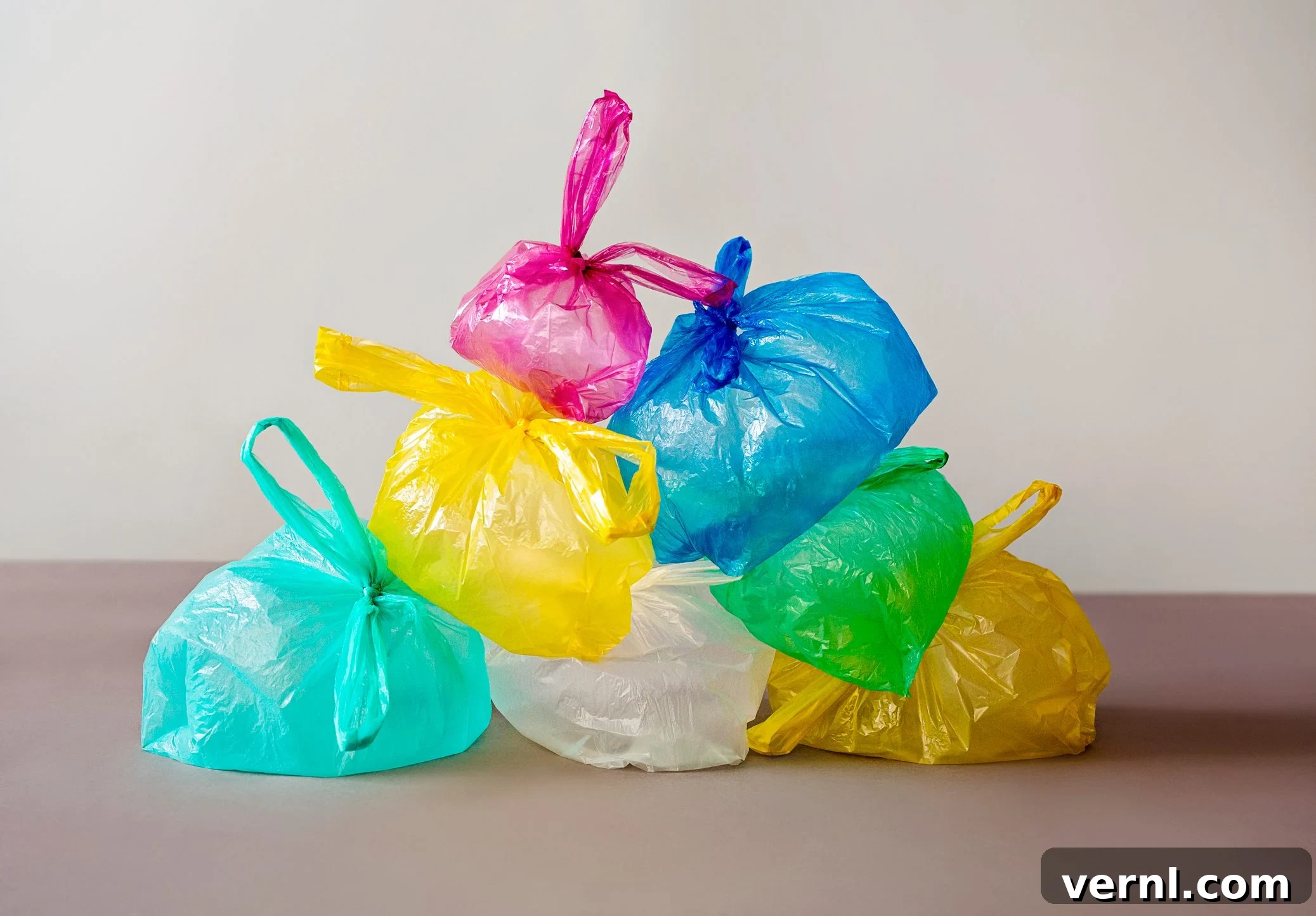
For many years, the sight of a growing pile of plastic bags in my cupboard was a source of quiet guilt. Like countless others, I collected them, hoping to reuse them, but mostly they just accumulated until the sheer volume became overwhelming. My assumption, common among many, was that these flimsy bags weren’t truly recyclable, leading to an endless cycle of accumulation and eventual disposal. However, I discovered this widespread belief to be incorrect.
While recycling offers a crucial pathway for these materials, it’s imperative to acknowledge that the optimal solution lies in prevention. The recycling process for plastics has its own set of environmental and logistical challenges, and unfortunately, not every plastic bag diligently dropped off for recycling ultimately finds a new life. Recognizing this, I’ve made a significant personal shift towards using durable canvas bags for my shopping, a trend that is rapidly gaining momentum. Indeed, next year marks a pivotal change in my home state of Colorado, where single-use grocery bags will be banned. Many retailers, including my local Walmart, have already embraced this change, and surprisingly, the transition has been met with remarkable acceptance from customers.
This growing awareness is further amplified by global initiatives like Plastic Free July, a movement that inspires individuals worldwide to actively reduce their reliance on single-use plastics for an entire month, fostering long-term sustainable habits.
However, going completely plastic-free presents significant challenges for most. Noah Ullman, a spokesperson for Keep America Beautiful, aptly points out, “Plastic bags are incredibly convenient.” This convenience, however, comes with a stark environmental cost. Ullman explains, “Unfortunately, the typical ‘use life’ of a plastic bag is about 15 minutes, and if not disposed of properly, they can exist in landfills or, even worse, in the environment for a very long time.” This longevity is particularly problematic as plastic bags, when exposed to sunlight, degrade into smaller and smaller fragments known as microplastics. These tiny particles pose a severe threat, contaminating our waterways, harming marine life, and ultimately finding their way into our food chain, affecting human health.
Given the pervasive nature and enduring impact of plastic bags, thoughtful recycling becomes a vital step in mitigating their environmental footprint. As Ullman emphasizes, “Recycling is the best way to give that plastic another life and reduce the consumption of natural resources and the environmental impact of producing new plastic.” Understanding how to properly handle these ubiquitous items is crucial for anyone committed to sustainable living. This comprehensive guide will equip you with the essential knowledge needed to navigate the nuances of single-use plastic bag recycling, ensuring your efforts contribute effectively to a healthier planet.
Are Plastic Bags Recyclable? Demystifying the Process
The straightforward answer is yes, many types of plastic bags are indeed recyclable. However, this comes with a crucial caveat that often leads to confusion and improper disposal: you should **never** place plastic bags in your curbside recycling bin. This is a common mistake with significant consequences. Plastic bags are notorious for tangling around the machinery at recycling facilities, causing blockages, damage to sorting equipment, and costly operational delays. These “tanglers” can halt entire processing lines, leading to increased maintenance costs and reduced efficiency for all types of recycling.
Instead, the correct and most effective method for recycling plastic bags involves taking them to designated drop-off bins. These specialized collection points are typically found at the entrances of local supermarkets, big-box retailers, and other participating stores. These facilities are specifically equipped to handle plastic film and bags without damaging their machinery.
To help consumers identify which plastic items are too flimsy for curbside collection, Jeremy Walters, a sustainability ambassador at Republic Services, suggests a simple yet effective “poke test.” Walters advises, “If you can poke your finger through the plastic, it’s too flimsy and should not go in your curbside bin!” This rule of thumb applies to thin, stretchy plastics that lack rigidity. Items that pass the poke test, meaning you can easily pierce them, belong in a store drop-off bin, not with your rigid plastic containers, paper, or glass.
Which Types of Plastic Bags and Films Can Be Recycled?
Understanding which plastic films are accepted for recycling is key to successful diversion from landfills. Most single-use plastic bags, even those without a prominent recycling symbol, are typically made from either #2 High-Density Polyethylene (HDPE) or #4 Low-Density Polyethylene (LDPE) plastics. These are the polymers that facilities equipped for plastic film recycling are designed to process. While #2 and #4 symbols are often associated with rigid plastics like milk jugs or bread bags, these numbers also apply to the flexible films used in many common bags.
Here’s a detailed list of common plastic films that are generally accepted at store drop-off locations, provided they are clean and dry:
- Grocery Store and Other Shopping Bags: The most common culprits in household clutter, these include bags from supermarkets, department stores, and other retail outlets.
- Sandwich-Type Bags and Zippered Freezer Bags: Ensure these are thoroughly cleaned of food residue before recycling.
- Bread Bags: Often clear and relatively thin, these are widely accepted.
- Newspaper Bags: The clear plastic sleeves used to protect newspapers.
- Produce Bags: The flimsy bags used for fresh fruits and vegetables in grocery stores.
- Plastic Liners from Cereal Boxes: These are the inner bags that hold cereal, often made of a soft, flexible plastic. However, be mindful of liners that are waxed or paper-like and tear like paper, as these are typically not recyclable with plastic films.
- Product Overwrap: This includes the stretchy film used to bundle multi-packs of water bottles, toilet paper, paper towels, or to wrap larger items like mattresses or furniture.
- Dry Cleaning Bags: These clear plastic covers for laundered clothes are recyclable, but it’s crucial to remove any paper or staples first.
- Shipping Air Pillows: The inflatable plastic pouches used as cushioning in packages. To save space and prevent issues at recycling centers, please pop them before dropping them off.
Conversely, it’s equally important to know which types of plastic bags and films are **not** accepted in these collection programs, as including them can contaminate the entire batch and undermine recycling efforts:
- Pre-Washed Salad Bags and Other Crunchy-Feeling Bags: These often have multiple layers or coatings designed to keep produce fresh, making them difficult or impossible to recycle with standard plastic films. They typically feel stiff and crinkly.
- Compostable or Biodegradable Bags: Despite their eco-friendly label, these bags are specifically designed to break down under industrial composting conditions and will contaminate plastic film recycling streams. They are not plastic and do not behave like plastic in recycling processes.
- Chip Bags: These are usually made from a complex mix of plastic layers, often with a metallic lining, which makes them non-recyclable through conventional plastic film programs.
- Any Bag Marked with a #7 Recycle Symbol: The #7 symbol indicates “Other” plastics, which is a catch-all for various plastic types, blends, or multi-layered materials that are generally not accepted in film recycling programs due to their complexity.
- Frozen Food Bags and Other Exceptionally Durable or Thick Bags: These often feature robust designs, multiple layers, or specialized coatings to withstand freezing temperatures and provide strength, making them unsuitable for standard plastic film recycling.
Effective Strategies for Recycling Plastic Bags
Once you’ve identified which plastic bags are recyclable, the next step is ensuring they are properly prepared and delivered to the correct collection points. The good news is that opportunities for recycling plastic bags are increasingly accessible. Many prominent retail chains, including large supermarkets and big box stores like Target and Walmart, have dedicated plastic bag recycling collection boxes, usually located near their main entrances or customer service desks.
Before you drop off your collected plastic bags, a few preparation steps are vital to ensure they can be effectively recycled:
- **Clean:** Ensure all bags are free of food residue, crumbs, or any other organic matter. Contamination can spoil an entire batch of recyclable material. For instance, a sandwich bag must be washed if it contained anything greasy or wet.
- **Dry:** Plastic films must be completely dry. Moisture can lead to mold, degrade the plastic, and interfere with the recycling machinery.
- **Empty:** Remove any receipts, paper labels, or other non-plastic items from inside the bags. These contaminants must be separated before processing.
Adhering to these simple guidelines significantly increases the chances of your plastic bags being successfully recycled into new products.
For those who may not have convenient access to local retail drop-off boxes, alternative solutions exist. A quick online search for “mail-back recycling programs for plastic film” can reveal services that allow you to ship your clean and dry plastic bags for recycling. While these programs may involve a small fee or require specific packaging, they offer a valuable option for individuals in underserved areas.
One notable success story in plastic film recycling is the Trex Company. Trex is a leading manufacturer of high-performance wood-alternative decking and railing, and they are a massive consumer of recycled plastic film. Through their innovative NexTrex Program, they partner with more than 32,000 stores nationwide to collect plastic films with recycling ratings of #2 and #4. These collected plastics are then upcycled into durable, composite decking materials, effectively giving them a long second life in outdoor living spaces.
Dave Heglas, Trex’s senior director of supply chain excellence, simplifies their acceptance criteria: “Basically, if it stretches, it qualifies.” This guideline helps consumers easily identify suitable materials. Heglas further highlights the profound impact of their initiative: “Trex is one of the largest recyclers of plastic film in North America and has diverted more than five billion pounds of discarded flexible plastics from winding up in landfills over the past three decades.” This exemplifies how specialized industrial recycling can create valuable products from materials often deemed difficult to recycle.
Do Plastic Bags Actually Get Recycled? A Realistic Perspective
The question of whether plastic bags genuinely get recycled is complex, with varying outcomes depending on numerous factors. On one hand, advocates for recycling, like Noah Ullman from Keep America Beautiful, firmly state, “Absolutely, these do get recycled. Recycling plastic bags in a single stream is a very efficient form of recycling and it helps feed the circular economy.” This optimistic view underscores the potential for properly collected plastic films to be processed into new goods, reducing the need for virgin plastics and conserving resources.
However, a compelling investigative report by ABC News painted a more sobering picture. In their study, dozens of tracking devices were placed inside plastic bags across ten different U.S. states to monitor their journey after being dropped off at designated recycling locations. The results were concerning: only four of these tracked bags actually reached facilities that were equipped and engaged in the recycling of plastic bags. A significant number of the others ended up in landfills or incinerators, indicating a significant disconnect between collection and actual processing.
This discrepancy highlights the logistical hurdles and economic realities within the recycling industry. Drop-off programs, while well-intentioned, face challenges such as contamination, inefficient sorting, and fluctuating market demand for recycled film. Dr. Anja Brandon, an environmental engineer and Associate Director of U.S. Plastics Policy at Ocean Conservancy, articulates this concern: “Drop-off programs for plastic bags are surely well-intentioned, but the evidence suggests that they don’t work, so they’re really just perpetuating production and use of items that we need to get rid of altogether.”
Dr. Brandon’s perspective emphasizes the broader environmental implications. She notes, “Considering how many plastic bags end up polluting our ocean (volunteers with Ocean Conservancy’s International Coastal Cleanup have collected more than 21 million of them in the environment since 1986) and how deadly they are to wildlife, the best thing to do is to avoid plastic bags wherever possible.” This underscores a critical truth: while recycling is important, it is not a standalone solution for the global plastic crisis. The sheer volume of plastic bags produced and the complexities of their end-of-life management mean that prevention remains paramount.
Beyond Recycling: The Power of Reusing Plastic Bags
While plastic bags technically *can* be recycled through specific channels, the most impactful environmental choice is to reduce their use initially and then maximize their lifespan through reuse. This aligns with the “Reduce, Reuse, Recycle” hierarchy, placing reduction and reuse above recycling due to their greater ecological benefits.
Jeremy Walters from Republic Services points out, “Flexible plastics often have low value and are difficult to market for recycling.” This economic reality means that even when collected, these materials may struggle to find robust markets for reprocessing. Therefore, making conscious choices at the point of purchase is incredibly powerful. Walters suggests, “So ask for a paper bag, which is recyclable, or take your sustainability efforts one step further and bring your own reusable bags to the store.” Reusable bags, whether made of canvas, jute, or durable synthetic materials, offer a sustainable alternative that drastically cuts down on single-use waste. They are designed for longevity, can carry heavier loads, and often become a stylish accessory, reflecting a commitment to environmental stewardship.
Even for the most environmentally conscious individuals, a few plastic bags inevitably find their way into our homes. When this happens, the most sustainable approach is to give them a second, third, or even fourth life before considering recycling. The principle is simple: use them until they are no longer fit for purpose—perhaps they spring a hole or become too worn. Only then should they be collected and taken to a designated plastic film recycling drop-off point.
There are numerous practical ways to extend the life of plastic bags around your home. As Walters suggests, “You can also find other uses for them around your home. They make great liners for small trash cans!” This is a classic and highly effective reuse. Other common applications include:
- Pet Waste Collection: A convenient and hygienic way to dispose of pet waste during walks.
- Lining Small Bins: Perfect for bathroom, office, or car trash cans.
- Packing Material: Crumpled plastic bags can protect fragile items during moving or storage.
- Organizing: Use them to compartmentalize items in drawers, store shoes when traveling, or separate wet clothes from dry ones in a gym bag.
- Crafts and Projects: Some creative individuals even weave or crochet plastic bags into durable mats or other items.
By embracing these simple reuse strategies, we not only defer the need for recycling but also minimize our overall consumption of new plastic, making a tangible difference in our personal environmental footprint.
Conclusion: Towards a More Sustainable Plastic Bag Future
Navigating the world of plastic bag recycling can seem daunting, but armed with the right knowledge, each of us can make more informed and impactful decisions. We’ve learned that while plastic bags are indeed recyclable, they demand a specific approach: never in curbside bins, always at dedicated store drop-off locations, and only when clean, dry, and free of contaminants.
We’ve also seen that the journey of a plastic bag from collection to actual recycling isn’t always linear, with some ending up in landfills despite best intentions. This reality powerfully reinforces the overarching message from environmental experts: the most effective way to combat plastic pollution is at its source. Reducing our reliance on single-use plastic bags by opting for reusable alternatives and embracing legislative changes is paramount.
Furthermore, extending the life of the plastic bags we do accumulate through creative reuse delays their entry into the waste stream and maximizes their utility. Whether lining a small trash can or protecting delicate items, every act of reuse is a step towards a more sustainable lifestyle.
The global challenge of plastic waste requires a multi-faceted approach. By understanding the nuances of plastic bag recycling, making conscious choices to reduce and reuse, and advocating for broader systemic changes, we can collectively move towards a future where convenience doesn’t come at the expense of our planet. Let’s transform our initial guilt into empowered action, one thoughtful choice at a time, for a cleaner, healthier environment.