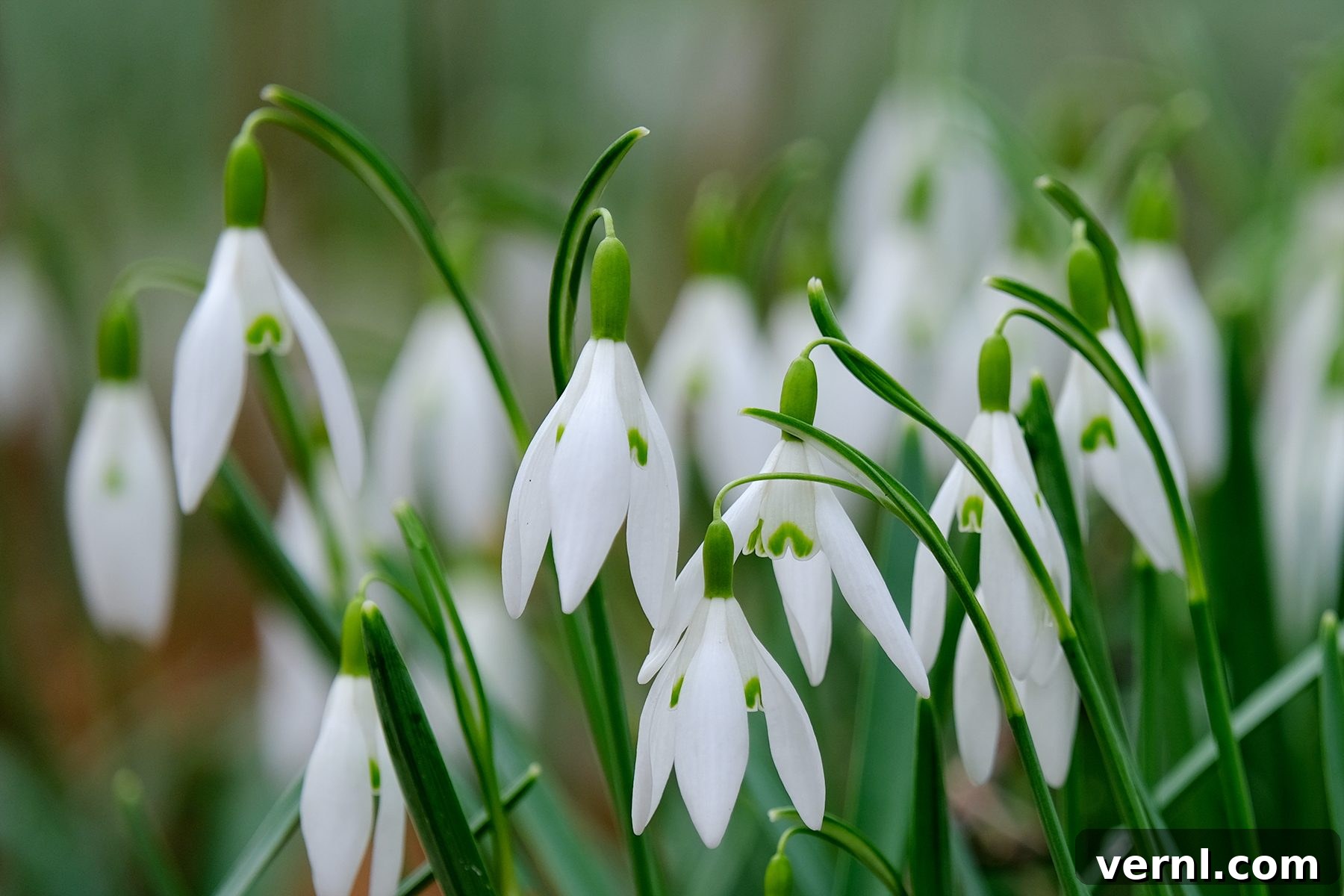
The Enduring Charm of Snowdrops: A Gardener’s Guide to Planting and Care
As winter’s chill still holds its grip, a tiny beacon of hope often emerges from the frosty ground, heralding the imminent arrival of spring: the delicate snowdrop. These enchanting white flowers, often with subtle green or yellow markings, possess an unparalleled ability to brighten the dreariest of winter days, frequently blooming as early as February while patches of snow still dot the landscape. Their pristine beauty is more than just a visual delight; snowdrops bring a host of unique benefits to any garden, making them a cherished addition for both novice and experienced gardeners.
“Snowdrops are truly a gardener’s delight, especially for those just starting out, as they demand very little once established,” explains Annette Hird, a seasoned horticulturist with nearly two decades of experience and the visionary founder of the gardening website Easy Urban Gardens. “Beyond occasional watering during particularly dry spells and a light annual feeding, they practically care for themselves. What’s more, they are among the earliest flowers to grace our gardens after the cold slumber of winter, providing a crucial early food source for beneficial pollinators when other nectar sources are scarce.” Their resilience and early bloom make them invaluable for supporting local ecosystems and adding early season interest.
If you’re looking to infuse your garden with early season charm and reliable blooms, snowdrops are an excellent choice. This comprehensive guide will equip you with all the knowledge needed to successfully plant and care for these beloved flowers, along with answers to common questions about their unique characteristics and requirements.
Understanding Snowdrops: A Botanical Introduction to Galanthus
Snowdrop flowers, scientifically classified as Galanthus sp., are exquisite perennial bulb plants belonging to the Amaryllidaceae family. This distinguished plant family also includes well-known garden favorites such as daffodils, amaryllis, and paperwhites, sharing a common lineage characterized by their bulbous growth and often striking floral displays. Snowdrops typically achieve a mature height of 6 to 10 inches, forming graceful clumps of bell-shaped flowers that nod gently in the winter breeze. While their peak blooming period usually falls in February and March, specific timing can vary. Gardeners in warmer climates, particularly those in lower USDA Plant Hardiness Zones, may witness their ethereal emergence even earlier in the season.
These resilient bulbs thrive best within USDA Plant Hardiness Zones 3 through 8. This wide range indicates their adaptability to various climates, from regions experiencing harsh, prolonged winters to those with milder, shorter cold seasons. The requirement for a period of cold dormancy is crucial for snowdrops to initiate their flowering cycle, making them unsuitable for tropical or subtropical climates that lack sufficient chilling hours. They flourish in conditions where the ground freezes, offering protection and signaling the time for their remarkable winter awakening.
While snowdrops are generally left untouched by deer and most common garden wildlife due to their unpalatable nature, it is vital to note that all parts of the plant, especially the bulbs, are considered toxic. As Annette Hird wisely points out, they pose a risk to humans, dogs, and cats. Therefore, it is paramount to ensure that pets and small children are kept away from these plants to prevent accidental ingestion. When handling snowdrop bulbs or plants, it is highly recommended to wear gardening gloves to avoid any potential skin irritation or allergic reactions, as contact with the sap can sometimes cause mild discomfort in sensitive individuals. Always practice caution and proper gardening hygiene.
Exploring the Diversity: Popular Snowdrop Varieties
The world of snowdrops is surprisingly diverse, offering a range of sizes, bloom times, and subtle variations in floral appearance. While all snowdrops share a common elegance, certain species and cultivars have become staples in North American gardens. The two most commonly planted types are the common snowdrop and the giant snowdrop, each with its own charm and growing characteristics. Understanding these varieties can help you select the perfect snowdrops to complement your garden design and local climate.
Common Snowdrop Varieties (Galanthus nivalis)
The common snowdrop, Galanthus nivalis, is the quintessential image many people conjure when thinking of snowdrops. Known for its charming simplicity and robust nature, it typically grows six to eight inches tall and performs exceptionally well in USDA Zones 3 through 7. This species is renowned for its ability to naturalize and spread, forming beautiful carpets of white under deciduous trees. Its delicate, nodding flowers often feature a small green mark on the inner petals.
- ‘Viride-Apic’: This delightful cultivar stands out with its distinctive green dot on the edge of each outer petal, creating a fresh and vibrant contrast against the pristine white. It offers a unique visual appeal, adding a touch of verdant elegance to the classic snowdrop form.
- ‘Flore Pleno’: For those who appreciate a fuller, more intricate bloom, ‘Flore Pleno’ is a double-flowered variety that truly captivates. Its exquisite, multi-layered white flowers create a lush, pom-pom like appearance, adding a touch of luxurious texture to the early spring garden.
- ‘S. Arnott’: While not explicitly mentioned in the original text, ‘S. Arnott’ is a highly regarded and popular choice among common snowdrops. It boasts larger, more substantial flowers with broad outer petals and a clear green marking on the inner segments, often emitting a light, honey-like fragrance. It’s known for its vigor and impressive garden performance.
Giant Snowdrop Varieties (Galanthus elwesii)
For gardeners seeking a more substantial presence, the giant snowdrop, Galanthus elwesii, offers larger blooms and a more robust growth habit. Thriving in Zones 3 through 8, these impressive snowdrops can reach heights of 8 to 10 inches, making them more visible and impactful in the landscape. They are distinguished by their larger flowers and often broader, glaucous (bluish-green) leaves.
- ‘Mount Everest’: As its name suggests, ‘Mount Everest’ is a vigorous and prolific variety, excellent for naturalizing and quickly establishing a breathtaking patch of flowers. Its pure white, stately blooms create a stunning visual impact, resembling miniature snow-capped peaks.
- ‘Polar Bear’: This variety is characterized by its outward-facing flowers, which present a slightly different posture than the more typical nodding snowdrops. Growing between four to eight inches tall, ‘Polar Bear’ offers striking white blooms that appear to greet the observer, making them particularly noticeable in mass plantings.
- ‘Atkinsii’: Another notable giant snowdrop cultivar, ‘Atkinsii’ is celebrated for its elegant, slender flowers with sharply pointed outer petals and distinctive green markings. It’s an early bloomer and is often highly sought after by collectors for its classic form and reliable performance.
When selecting varieties, consider your local climate, desired bloom time, and the overall aesthetic you wish to achieve. Mixing different types can extend your snowdrop display and add subtle layers of interest to your winter garden.
Mastering the Art of Planting Snowdrops
Planting snowdrops is remarkably straightforward, making them an ideal choice for both gardening novices and seasoned enthusiasts. Their small bulbs simplify the planting process, and their collective beauty truly shines when planted en masse. As Annette Hird aptly suggests, “Snowdrops are incredibly pretty and look absolutely magnificent when planted en masse. They are particularly well-suited for woodland gardens, where they will happily naturalize and spread to fill in bare spots, creating a magical carpet of white.”
To ensure a flourishing display of these winter wonders, follow these essential planting guidelines:
- When to Plant Snowdrops: The optimal time to plant dry snowdrop bulbs is in the fall, ideally as soon as you purchase them. Snowdrop bulbs are notoriously sensitive to drying out, so minimizing the time they spend out of the ground is crucial for successful establishment. Aim to plant them well before the first hard frost, allowing them sufficient time to settle in. Another popular method, especially for those seeking guaranteed results, is planting “in the green.” This involves purchasing snowdrops that are already actively growing with foliage, typically in late winter or early spring after they’ve bloomed. While slightly more expensive, planting in the green often leads to faster establishment and a higher success rate.
- How Deep to Plant Snowdrops: Plant snowdrop bulbs approximately four inches deep, measuring from the base of the bulb to the soil surface. Spacing them about two to four inches apart will allow them room to grow and multiply without becoming overly crowded too quickly. Snowdrops are small flowers; planting them individually often means they get lost in the landscape. For the most impactful display, plant them in drifts or clusters of 10 to 20 bulbs or more. This creates a natural, enchanting effect reminiscent of a snowy carpet.
- Optimal Location and Soil Preparation: Snowdrops thrive in locations that offer dappled shade in spring and summer, such as under deciduous trees or shrubs. This provides them with ample sunlight during their active growth phase in winter and early spring before the tree leaves emerge, then protection from intense summer heat. The soil should be loose, rich in organic matter, and, critically, well-draining. Snowdrops despise soggy conditions, which can lead to bulb rot. Before planting, amend heavy clay soils with compost or well-rotted leaf mold to improve drainage and fertility. A slightly acidic to neutral soil pH (6.0-7.0) is generally preferred.
- Potting Snowdrops for Indoor Enjoyment: For an extra touch of winter delight, you can bring snowdrops indoors to enjoy their blooms up close. A successful technique involves waiting until the foliage has emerged and the flowers are just beginning to show color. Carefully dig up a small clump of snowdrops, ensuring you get a good root ball, and pot them into a container filled with a good quality potting mix. This works best when the ground isn’t frozen solid, allowing for easy extraction. If the ground is already frozen, simply appreciate your snowdrops as they bloom in their natural garden setting. Ensure potted snowdrops receive adequate light and cool temperatures indoors for the longest bloom time, and replant them back in the garden after flowering.
With careful planning and a little attention to these planting details, you’ll be well on your way to enjoying a spectacular snowdrop display year after year.
Comprehensive Care for Thriving Snowdrops
One of the most appealing characteristics of snowdrops is their remarkably low-maintenance nature, making them a true bonus for any gardener. Once established, they generally require very little intervention to thrive and bloom reliably each year. Indeed, you don’t typically need to do anything specific to encourage snowdrops to bloom! However, if you observe a decline in the number of blooms over time, it could be a sign that the bulbs have multiplied extensively and are now competing for space and nutrients. This signals it might be time for division. Here are more detailed tips for ensuring your snowdrops remain healthy and vibrant:
- Light Requirements: Snowdrops prefer full sun during their active growing and blooming period in late winter and early spring. This is why a spot under deciduous trees or large shrubs works exceptionally well. Before the canopy leafs out, snowdrops receive abundant sunlight. Once the leaves emerge in late spring, they provide essential shade, protecting the bulbs from the intense summer heat and allowing them to go dormant naturally.
- Soil Preferences: The ideal soil for snowdrops is loose, rich in organic matter, and exceptionally well-draining. They absolutely cannot tolerate waterlogged conditions, which can quickly lead to bulb rot. Incorporating plenty of compost, well-rotted leaf mold, or other organic amendments into the soil before planting will improve drainage, aeration, and fertility. A slightly acidic to neutral pH (6.0 to 7.0) is generally optimal.
- Watering Guidelines: Under normal conditions, snowdrops typically don’t require supplementary watering. Between natural snowmelt and seasonal rainfall, they usually receive sufficient moisture for their needs during their active growth phase. However, in unusually dry fall or winter periods, a deep watering can be beneficial to ensure the bulbs are well-hydrated. Once dormant in summer, they prefer dry conditions.
- Fertilizing Practices: In most well-amended garden soils, snowdrops do not require special fertilization. Adding a generous amount of compost or well-rotted manure at the time of planting is often sufficient to provide all the necessary nutrients for several years. If your soil is particularly poor or if you notice a significant decrease in vigor, you can apply a balanced, slow-release granular fertilizer or a bulb food very lightly after the flowers fade but while the foliage is still green. Avoid high-nitrogen fertilizers, which promote leafy growth at the expense of flowers.
- Pruning and Foliage Management: Snowdrops are truly low-fuss when it comes to pruning. The most important rule is to allow the foliage to die back naturally in late spring or early summer. Do not cut back or tie up the leaves after flowering. The green foliage is crucial for photosynthesizing sunlight and storing energy in the bulb for the following year’s blooms. Premature removal of foliage can significantly weaken the bulbs and reduce future flowering. Of course, you are welcome to cut a few snowdrop blooms to enjoy indoors in a tiny vase – this will not harm the plant’s long-term health.
- Pests and Diseases of Snowdrops: Fortunately, snowdrops are remarkably resilient and rarely troubled by significant pests or diseases in most garden settings. They are largely ignored by slugs, snails, and common bulb pests. Occasionally, in very wet and humid conditions, they might be susceptible to gray mold (Botrytis blight), which manifests as grayish-brown spots on leaves and flowers. Good air circulation and well-draining soil are the best preventative measures. Rarely, narcissus bulb fly larvae can infest bulbs, but this is more common in narcissus. Inspect bulbs upon purchase for any signs of damage or softness.
- Dividing Snowdrops for Vigor and Spread: Snowdrops are exceptionally easy to divide, and this practice can help rejuvenate crowded clumps and encourage further spread. The best time to divide them is in spring, immediately after they have finished flowering but while the foliage is still actively growing (known as dividing “in the green”). Carefully dig up an entire clump of snowdrops. Gently separate the bulbs into smaller groups or even individual bulbs. Replant these divided bulbs immediately at the same depth and spacing as new bulbs. This method greatly improves their chances of re-establishment and provides ample opportunities to expand your snowdrop display or share with fellow gardening enthusiasts.
Frequently Asked Questions About Snowdrops
Are snowdrops invasive?
Snowdrops are not typically classified as invasive plants in the ecological sense, meaning they don’t aggressively outcompete native species or disrupt ecosystems. However, as Annette Hird notes, they do possess a strong tendency to naturalize and spread easily through self-seeding and bulb offsets. This characteristic, while desirable for creating beautiful drifts, can make them difficult to remove entirely from an area once established, as any remaining bulbs or forgotten seeds can continue to grow. Therefore, it’s wise to plant snowdrops in areas where their spread is welcome and where they have ample room to form colonies, such as under trees or in naturalized areas. Careful consideration of their placement will prevent any future management challenges.
What do snowdrop flowers represent?
Snowdrop flowers hold profound symbolic meaning across various cultures, universally representing hope, purity, and new beginnings. Their remarkable emergence through the snow, often at the tail end of winter, makes them one of the very first tangible signs of spring’s impending arrival. In her insightful book, Flowers and Their Meanings: The Secret Language and History of Over 600 Blooms, author Karen Azoulay beautifully articulates that snowdrops traditionally symbolize hope – a beacon of light and warmth after the cold, dark days of winter. They also convey messages of innocence, consolation, and resilience, reminding us of nature’s enduring cycle of rebirth.
Do snowdrops smell?
While most snowdrop species are not widely known for a strong fragrance, many varieties, particularly some of the more cultivated forms, possess a very subtle and delicate honey-like scent. This fragrance is often faint and requires you to get quite close to the blooms to appreciate it. So, while they won’t fill your garden with perfume like a hyacinth, a gentle sniff might reveal a delightful, sweet aroma.
Can you grow snowdrops from seeds?
Yes, it is possible to grow snowdrops from seeds, but it is generally considered a challenging and time-consuming endeavor, often best reserved for experienced plant breeders aiming to develop new varieties. The process from seed to bloom is remarkably slow; it can take anywhere from three to five years, or even longer, for a snowdrop grown from seed to reach maturity and produce its first flower. The seeds also have complex dormancy requirements that make germination tricky for the average gardener. For most home gardeners, propagating snowdrops through bulb division (planting “in the green”) or purchasing established bulbs is a much more reliable and rewarding method.
What are lovers of snowdrops called?
In many parts of the world, particularly in Great Britain, where snowdrops hold a special place in gardening culture, passionate enthusiasts who are utterly devoted to these charming bulbs are known as galanthophiles. This term derives from their botanical genus, Galanthus. Galanthophiles are a dedicated community who actively seek out and collect as many different varieties and species of snowdrops as they can, often possessing vast knowledge about rare cultivars. Their passion extends to planning special trips and pilgrimages in February and March to visit renowned gardens and estates celebrated for their spectacular snowdrop displays, often participating in “snowdrop walks” to admire these early spring marvels.
How long do snowdrops bloom?
The individual bloom period for snowdrops is relatively short, typically lasting about two to three weeks, depending on the specific variety and local weather conditions. Cooler temperatures will extend their display, while a sudden warm spell can hasten their demise. However, by planting a mix of early, mid, and late-season blooming varieties, you can enjoy a continuous procession of snowdrop flowers in your garden for several weeks, often from late January through March.
Can snowdrops be grown in pots long-term?
While snowdrops can be temporarily grown in pots for indoor display or short-term outdoor enjoyment, they are generally not ideally suited for long-term cultivation in containers. Their preference for consistent moisture during growth and dry dormancy, coupled with their need for a chilling period, makes container growing more challenging for sustained success. If attempting long-term container growth, ensure very well-draining soil, protect pots from extreme temperature fluctuations, and divide and refresh the bulbs every few years.
About Our Expert
Annette Hird is a highly respected and seasoned horticulturist, bringing nearly two decades of invaluable experience to the gardening world. She is the visionary founder of the popular gardening website Easy Urban Gardens, dedicated to helping urban dwellers cultivate thriving green spaces. Annette is based in the beautiful landscape of Queensland, Australia, where she earned her degree in horticulture from the prestigious University of Queensland Gatton, a renowned institution known for its combined agricultural college and experimental farm. Her expertise and passion for plants shine through in her practical and insightful advice.