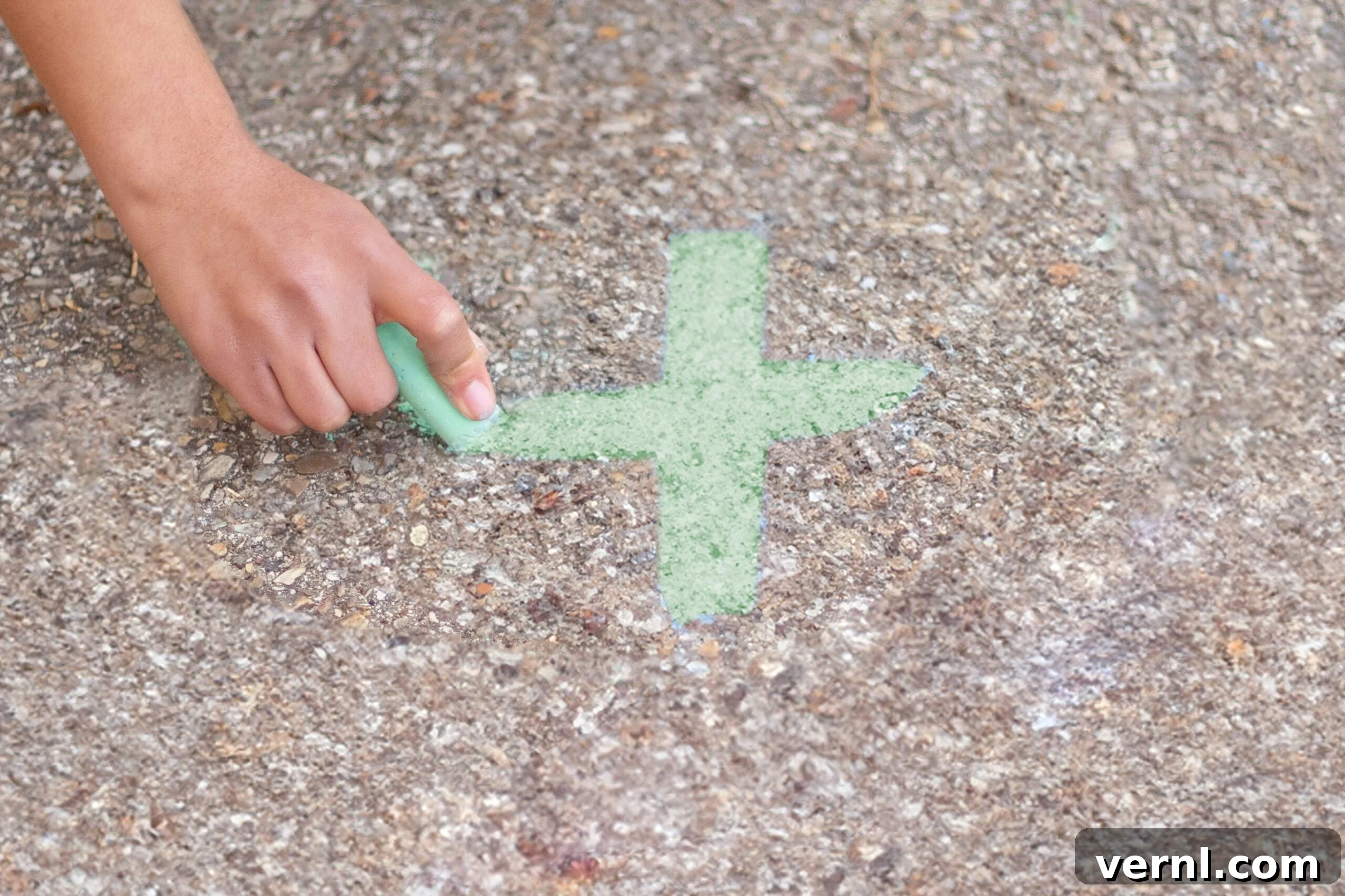
You’ve likely encountered the cultural phenomenon that is The Da Vinci Code, a thrilling tale of ancient symbols and hidden meanings. But what if a similar “code” existed in plain sight, not in historical manuscripts but on the sidewalks and driveways of your neighborhood? Enter the “Da Pinchi Code” – a curious term circulating within discussions about home security and… sidewalk chalk. Far from being a new Dan Brown mystery, this concept refers to a reported system of chalk markings that some believe burglars use to identify and target homes. These seemingly innocuous symbols, often spotted near mailboxes or driveways, are thought to carry coded messages, transforming a child’s playtime tool into a potential warning sign for homeowners.
What Exactly is the “Da Pinchi Code” and How Does it Work?
The “Da Pinchi Code” is a colloquial nickname given to a rumored system of symbols that criminal gangs or burglars allegedly employ to communicate information about potential target homes. The premise is straightforward: individuals scouting neighborhoods for opportune targets supposedly leave small, discreet chalk symbols outside houses. These markings are believed to serve as an internal communication system, informing fellow criminals about a property’s characteristics, potential risks, and valuable assets. It’s a modern-day secret language, where a simple chalk drawing on the curb might convey complex details to those “in the know.”
Commonly Reported “Da Pinchi Code” Symbols and Their Alleged Meanings:
- An “X” or a cross: Often associated with an “easy target” or a “good house” to burgle.
- A box or square: Could indicate a property with a dog, an alarm system, or other security measures, signaling a more challenging target.
- A triangle or three lines: Reportedly signifies that the house is empty during the day, making it an ideal daytime target.
- A circle with a line through it: Might mean “nothing worth stealing” or “already burgled.”
- A series of vertical lines: Could denote the number of occupants or a schedule.
- A diamond shape: Sometimes interpreted as a sign that the property is wealthy.
While these are the most frequently cited examples, it’s important to note that the reported symbols and their interpretations can vary significantly across different reports and regions. The underlying idea, however, remains consistent: a visual shorthand for criminal intelligence.
The Origins and Spread of the “Da Pinchi Code” Concept
The term “Da Pinchi Code” first gained significant traction in the United Kingdom. Police forces in various counties, particularly in areas experiencing a spike in burglaries, began issuing warnings about unusual symbols appearing near homes that were later victimized. These alerts, often amplified by local media and social media platforms, quickly spread the notion of a burglar’s secret code. Following its prominence in the UK, similar warnings and concerns have emerged in the United States and other parts of the world. Recently, communities like San Marino, California, have seen residents and even local authorities advising vigilance against such markings, reigniting the debate about their authenticity and purpose.
Is the “Da Pinchi Code” a Real Threat or Just Another Urban Legend?
The authenticity of the “Da Pinchi Code” is a subject of ongoing debate, straddling the line between a genuine concern and a pervasive urban legend. It’s a complex issue where anecdotal evidence often clashes with official skepticism, leaving homeowners wondering how seriously they should take these warnings.
Arguments for its Reality:
- Police Warnings: The fact that some police departments, both in the UK and the US, have issued warnings about these markings lends a degree of credibility. While not always definitive proof, these alerts suggest that law enforcement agencies have encountered instances where suspicious markings preceded burglaries.
- Precedent for Criminal Communication: Throughout history, criminals have devised various methods of secret communication. From hobo symbols to modern-day online forums, the concept of a shared visual language isn’t entirely far-fetched. Chalk markings offer a low-tech, easily erased method that requires minimal effort.
- Consistency in Reports: Despite regional variations, the core idea of criminals marking homes with symbols to convey information persists across different accounts, suggesting a common thread, even if localized adaptations exist.
Arguments for it Being an Urban Legend or Misinterpretation:
- Lack of Concrete Evidence: Skeptics, including many law enforcement agencies and investigative journalists, point to a significant lack of concrete, widespread evidence unequivocally linking these specific chalk markings directly to organized burglary rings. While isolated incidents might occur, there’s no national or international criminal database of such symbols.
- Alternative Explanations: Many chalk markings can be attributed to entirely innocent sources. Utility workers often use chalk or spray paint to mark underground lines. Door-to-door salespeople might leave discreet symbols to track which homes they’ve visited. Most commonly, children simply drawing on sidewalks are the source of countless chalk marks. The human tendency to find patterns can lead to misinterpreting random marks as sinister.
- Media Hype and Social Media Amplification: The internet and social media are powerful tools for spreading information, but also for amplifying unverified claims. A single local warning can quickly go viral, transforming a minor concern into a perceived nationwide threat, often without adequate critical scrutiny. The BBC has reported on the myth aspect, highlighting how easily such stories can spread.
- False Positives: It’s easy to notice a mark, and then if a burglary occurs later for unrelated reasons, to connect the two retroactively, creating a perceived pattern that doesn’t actually exist.
In essence, the “Da Pinchi Code” exists in a gray area. While it might not be a universally adopted, codified system used by every burglar, the concept serves as a powerful reminder of the importance of vigilance. Even if a chalk mark is ultimately harmless, the act of noticing it and taking precautions is a positive step towards bolstering your home’s security. It acts as a prompt to evaluate your existing security measures rather than a definitive sign of impending danger.
Should You Be Worried? A Call to Caution, Not Panic
While the prospect of burglars marking your home can be unsettling, it’s crucial to approach the “Da Pinchi Code” with caution rather than outright fear. There’s no need for panic, but maintaining a heightened sense of awareness is always a prudent strategy for home protection. Think of these discussions not as a direct threat, but as a valuable reminder to proactively review and strengthen your home security measures. Even if a suspicious mark turns out to be nothing more than a child’s doodle or a utility worker’s note, the exercise of being vigilant empowers you to protect your property and loved ones more effectively.
Proactive Steps If You Spot a Suspicious Mark:
If you come across an unusual chalk mark or symbol near your home that you didn’t put there, here’s a sensible course of action:
- Document It: Before doing anything else, take a clear photograph of the mark. Include some context in the photo (e.g., your driveway, mailbox, curb) so its location is clear. This documentation could be useful if you need to report it later.
- Remove It: Once documented, immediately wash off or remove the mark. Eradicating the symbol ensures that if it were indeed a “code,” it’s no longer there to communicate information.
- Inform Local Authorities: While it might seem minor, it’s always wise to give your local police department a quick heads-up. Describe what you saw, where it was, and provide the photo you took. They can assess if there have been similar reports in your area or if there’s any active intelligence regarding such markings.
- Alert Your Neighbors: Share your observation with trusted neighbors. Encouraging collective vigilance strengthens community safety. They might have seen similar marks or can keep an extra eye out.
Comprehensive Home Security Enhancements – Beyond the Chalk:
Regardless of the veracity of the “Da Pinchi Code,” this discussion provides an excellent opportunity to fortify your overall home security. A multi-layered approach to security is always the most effective. Here are key areas to consider:
1. Physical Security Measures:
- Robust Locks: Ensure all exterior doors have strong deadbolt locks with at least a one-inch throw. Regularly check and maintain all window and sliding door locks. Consider reinforcing door frames with longer screws for added resistance against forced entry.
- Secure Doors and Windows: Install solid core doors for all entry points. For windows, consider security film or reinforced glass, especially for easily accessible ground-floor windows.
- Landscaping and Lighting: Trim shrubs and trees near windows and doors to eliminate potential hiding spots for intruders. Install motion-activated lights around your property, especially in dark areas or less-frequented sides of your house. Good lighting is a proven deterrent.
- Garage Security: Don’t overlook your garage. Secure garage doors with locks and consider additional internal security measures if it provides direct access to your home.
2. Electronic Security Systems:
- Alarm Systems: Invest in a reliable home alarm system, whether professionally monitored or a DIY smart system. Displaying alarm system signs and stickers can act as a powerful deterrent.
- Surveillance Cameras: Install security cameras, such as doorbell cameras or floodlight cameras, at strategic points like your front door, back door, and driveway. Ensure they capture clear images and offer remote viewing capabilities.
- Smart Home Devices: Utilize smart locks, smart lighting, and other smart devices to enhance control and monitoring of your home, even when you’re away.
3. Community Engagement and Awareness:
- Know Your Neighbors: Foster good relationships with your neighbors. Look out for each other’s properties, especially when someone is away.
- Neighborhood Watch: Join or help establish a neighborhood watch program. Collective vigilance significantly boosts community safety and provides a network for sharing suspicious activity.
- Mail and Deliveries: Prevent mail and packages from piling up, which signals an empty home. Ask a trusted neighbor to collect them or use a post office hold service.
4. Deterrents and Habits:
- Make Your Home Look Occupied: Use timers for lights and radios when you’re out or on vacation.
- Avoid Social Media Over-sharing: Be mindful of what you post on social media, especially about travel plans, as this can inadvertently signal an empty house.
- “Beware of Dog” Signs: Even if you don’t have a dog, a sign can make a potential intruder think twice.
Ultimately, the “Da Pinchi Code,” whether a widespread criminal tactic or an exaggerated warning, serves a valuable purpose: it reminds us to be vigilant about home security. The worst-case scenario if you investigate a suspicious mark is that it was just a game of tic-tac-toe. The best case is that you proactively caught something sketchy before it escalated into a serious home invasion. By staying informed, taking simple precautions, and investing in robust security measures, you can significantly reduce your risk and ensure the safety and peace of mind for your household.