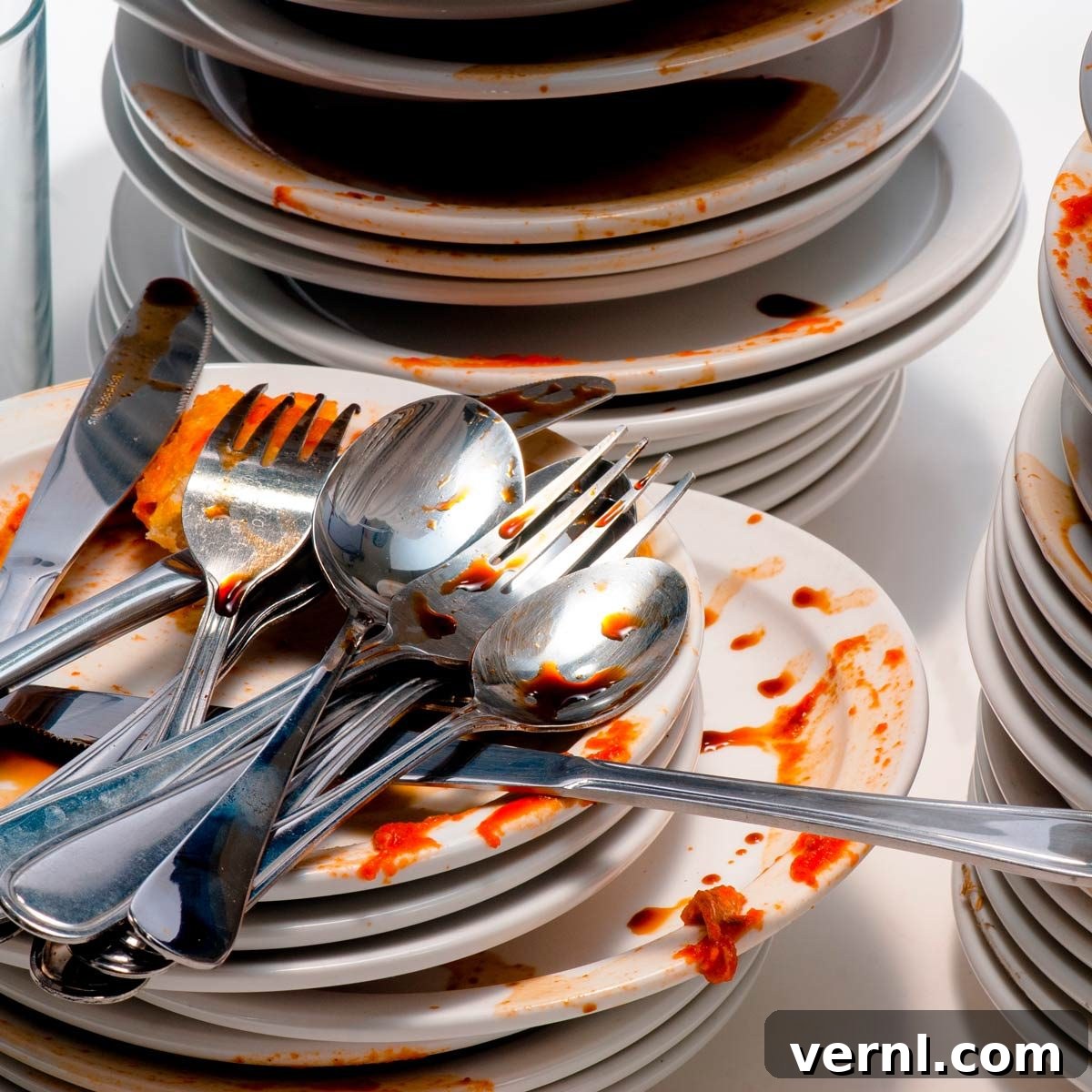
Dishwasher vs. Handwashing: The Definitive Guide to Cleaner Dishes and Greater Efficiency
The eternal question echoes in kitchens worldwide: as dishes pile up in the sink, should you reach for the sponge or load them into the dishwasher? For generations, washing dishes by hand was the only option, a daily ritual ingrained in household routines. However, with technological advancements, the modern dishwasher has emerged as a powerful contender, fundamentally changing how we approach this chore. Believe it or not, for most contemporary homes, opting for a newer model dishwasher often proves to be a more efficient, hygienic, and environmentally conscious choice compared to traditional handwashing.
Many households continue to cling to old habits, perhaps believing that handwashing offers a superior clean or conserves resources. Yet, the reality is that you might be making at least one of these common dishwashing mistakes, inadvertently compromising hygiene or wasting precious resources. This comprehensive guide delves into the key aspects of both methods, shedding light on why the mighty dishwasher frequently comes out on top.
The Unbeatable Advantages of Modern Dishwashers
Superior Sanitation Through Intense Heat
When it comes to truly sanitizing your dishes, the handwashing method often falls short, primarily due to temperature limitations. While hot water is essential for dissolving grease and food particles, the water temperature our hands can comfortably tolerate is nowhere near hot enough to effectively eliminate bacteria and germs. Most people can only endure water temperatures around 105 to 110 degrees Fahrenheit (40-43 degrees Celsius) without discomfort or risk of burns. This temperature range is simply insufficient for achieving a genuinely bacteria-free clean.
In stark contrast, modern dishwashers are engineered to reach significantly higher temperatures. According to The Washington Post, many dishwashers operate at temperatures between 140 to 145 degrees Fahrenheit (60-63 degrees Celsius) during their main wash and rinse cycles. Some models even feature sanitize cycles that can reach upwards of 160 degrees Fahrenheit (71 degrees Celsius). These extreme temperatures are crucial for killing pathogenic bacteria, viruses, and other microorganisms that can linger on dishes, ensuring a level of hygiene impossible to achieve with bare hands.
Beyond just heat, dishwashers also employ high-pressure spray jets that thoroughly rinse away food debris and detergent, reaching every nook and cranny of your dishes, cutlery, and glassware. This combination of intense heat and powerful scrubbing action provides a far more consistent and reliable clean, significantly reducing the risk of foodborne illnesses. Understanding this fundamental difference is a crucial step towards adopting more effective cleaning habits. In fact, if you’re still handwashing, you might need to stop doing this when washing dishes to improve hygiene.
Unmatched Water Efficiency and Environmental Impact
One of the most surprising advantages of modern dishwashers is their remarkable water efficiency. There’s a common misconception that filling a dishwasher and running it through multiple cycles uses more water than handwashing. However, this is largely an outdated notion, especially when considering Energy Star certified appliances. An Energy Star certified dishwasher, a standard of excellence for energy and water efficiency, can use as little as 3 to 5 gallons of water per load. This figure stands in stark contrast to handwashing, where the average person can use anywhere from 8 to 27 gallons of water per session, depending on how long the faucet runs and how many times dishes are rinsed.
The Natural Resources Defense Council (NRDC) highlights that an energy-efficient dishwasher can save almost 5,000 gallons of water per year compared to handwashing. This significant saving isn’t just about utility bills; it has a profound positive impact on the environment. Reducing water consumption is crucial in regions facing water scarcity and contributes to overall resource conservation. Furthermore, modern dishwashers are designed to optimize detergent usage and minimize energy consumption, especially those with soil sensors that adjust water and cycle times based on how dirty the dishes are. This intelligent design makes them an incredibly sustainable choice for household chores.
When you consider the long-term environmental benefits and the reduction in your household’s water footprint, the case for using a dishwasher becomes overwhelmingly strong. These appliances are engineered not only for convenience but also for responsible resource management, making them a smart choice for eco-conscious consumers. If your dishwasher isn’t cleaning dishes effectively, it might just need some attention; try these repair tips before you revert to handwashing.
Hidden Dangers of Handwashing: The Unseen Threat
The Germ-Laden Kitchen Sponge
Perhaps one of the most significant arguments against handwashing, particularly in terms of hygiene, is the notorious kitchen sponge. Often seen as an indispensable cleaning tool, the humble sponge is, in reality, a breeding ground for billions of bacteria. When you wipe food remnants from dishes with your sponge, all those microorganisms find their way into the sponge’s porous structure. And within those tiny holes, bacteria thrive and multiply at an alarming rate—as frequently as once every 20 minutes under ideal conditions.
Dr. Philip Tierno, a clinical professor in the Microbiology and Pathology departments at NYU Langone and author of The Secret Life of Germs, explained to the HuffPost.com that while people often rinse their sponges, this action merely spreads the germs around rather than eliminating them. He emphasized, “People rinse their sponges, but they really need to sanitize them. And that’s something people don’t do.” Common kitchen bacteria like E. coli and Salmonella can proliferate in sponges, posing a direct risk of cross-contamination to food preparation surfaces and even other dishes if not properly sanitized or replaced regularly.
The dark, damp environment of a used sponge is the perfect habitat for these pathogens. While there are methods to clean sponges, such as microwaving them or soaking them in bleach solution, these practices are often neglected or performed inconsistently. This makes the sponge a vector for bacterial spread, undermining any efforts to achieve a clean kitchen. Fortunately, there are ways to mitigate this risk; this is how to clean your dish scrubber effectively.
Inconsistent Cleaning Practices and Human Error
Beyond the sponge, handwashing also suffers from inherent inconsistencies. The effectiveness of handwashing relies heavily on human effort, attention to detail, and proper technique. Factors such as the amount of detergent used, the scrubbing intensity, the duration of rinsing, and the temperature of the water can vary greatly from person to person and even from one dishwashing session to another. This variability leads to a less uniform and often less thorough clean compared to the standardized, automated cycles of a dishwasher.
Humans are also prone to rushing, especially when faced with a mountain of dirty dishes. This can result in skipped spots, inadequate rinsing, or not using enough friction to remove stubborn food residue. Furthermore, hands can inadvertently transfer germs from one dish to another, or from the sink environment back onto supposedly clean items. A dishwasher, on the other hand, provides a consistent, high-intensity wash that ensures every item within its spray path receives the same rigorous cleaning treatment, cycle after cycle.
The Nuance: When Handwashing Might Have a Place
The Hygiene Hypothesis and Allergy Reduction
Despite the overwhelming evidence favoring dishwashers for sanitation and efficiency, there is one interesting area where handwashing might offer an unexpected benefit, particularly for children. A Swedish study published in the journal Pediatrics found that children from families who handwash their dishes were about 40 percent less likely to develop allergies, including asthma and eczema, compared to kids in homes that exclusively used a dishwasher. This finding aligns with the “hygiene hypothesis,” a theory suggesting that early exposure to a diverse range of microorganisms can help train and strengthen the immune system, making individuals less susceptible to allergic reactions later in life.
The premise is that handwashing, being less effective at sterilizing dishes, leaves behind a higher residual microbial load. This exposure, while not harmful in itself for most healthy individuals, might provide the necessary “immune challenges” that contribute to a more robust and less reactive immune system in developing children. It’s a fascinating counterpoint in the dishwasher vs. handwashing debate, suggesting that a sterile environment might not always be the optimal one for immune development. However, it’s crucial to balance this potential benefit with the general risks associated with inadequate sanitation, especially concerning foodborne pathogens.
Delicate Items and Specialized Care
There are also practical reasons why handwashing remains necessary for certain items. Not everything is dishwasher-safe. Delicate glassware, antique china, sharp knives (which can dull in a dishwasher), cast iron cookware (which can rust), wooden utensils (which can warp and crack), and certain plastics are often best cleaned by hand. The harsh detergents, high temperatures, and powerful water jets of a dishwasher can cause irreparable damage to these materials. Knowing what not to wash in your dishwasher is essential for preserving your kitchenware and ensuring its longevity.
For these special items, handwashing with a gentle detergent like Dawn dish soap, known for its super powers, and careful handling is the preferred method. This allows for customized care, ensuring that valuable or sensitive items are cleaned without being exposed to potentially damaging conditions.
Maximizing Dishwashing Efficiency: Tips for a Spotless Kitchen
Loading Your Dishwasher Correctly
To get the most out of your dishwasher, proper loading is key. Avoid overcrowding the machine, as this can prevent water and detergent from reaching all surfaces. Place plates facing the center, cups and bowls upside down on the top rack, and ensure that larger items don’t block the spray arms. Silverware should be loaded handle-down (except for knives, which should be handle-up for safety) to ensure a thorough wash. A well-loaded dishwasher maximizes cleaning power and minimizes the need for re-washing.
Choosing the Right Detergent
The type and amount of detergent you use can significantly impact your dishwasher’s performance. Always use detergents specifically designed for automatic dishwashers; hand dish soap will create excessive suds and can damage your machine. High-quality detergent pods or gels often offer superior cleaning and rinse aid properties. For optimal results, check your water hardness and consider using a rinse aid to prevent spots and streaks, leaving your dishes sparkling.
Pre-rinsing: A Common Debate
The question of pre-rinsing dishes before loading them into the dishwasher is a common point of debate. For most modern dishwashers, especially those with food sensor technology, extensive pre-rinsing is unnecessary and can even be counterproductive, as it washes away food particles that the sensors use to determine the soil level and adjust the cycle. Scrape off large food remnants, but leave the rest to your dishwasher. This saves water and energy, allowing your appliance to do what it was designed to do efficiently.
Conclusion: The Smart Choice for Modern Living
In conclusion, while handwashing holds a sentimental place and offers specific benefits for delicate items or, potentially, for immune development in children according to some studies, the modern dishwasher stands out as the superior choice for overall hygiene, water efficiency, and convenience. Its ability to reach consistently high temperatures ensures a truly sanitized clean that handwashing simply cannot match. Furthermore, advancements in appliance technology have made dishwashers incredibly water and energy-efficient, often outperforming manual methods in terms of resource conservation.
By understanding the science behind sanitation, the environmental impact of water usage, and the often-overlooked microbial dangers lurking in kitchen sponges, households can make informed decisions. Embracing the dishwasher for everyday cleaning allows you to enjoy cleaner, safer dishes while contributing to a more sustainable lifestyle. For those items that truly require gentle, manual care, or when you wish to minimize exposure to harsh sanitization for young ones, handwashing remains a valuable alternative, but it’s important to be aware of its limitations and best practices. And once your dishes are sparkling clean, whether by hand or machine, finding the right drying solution is key; these are our favorite dish drying racks.