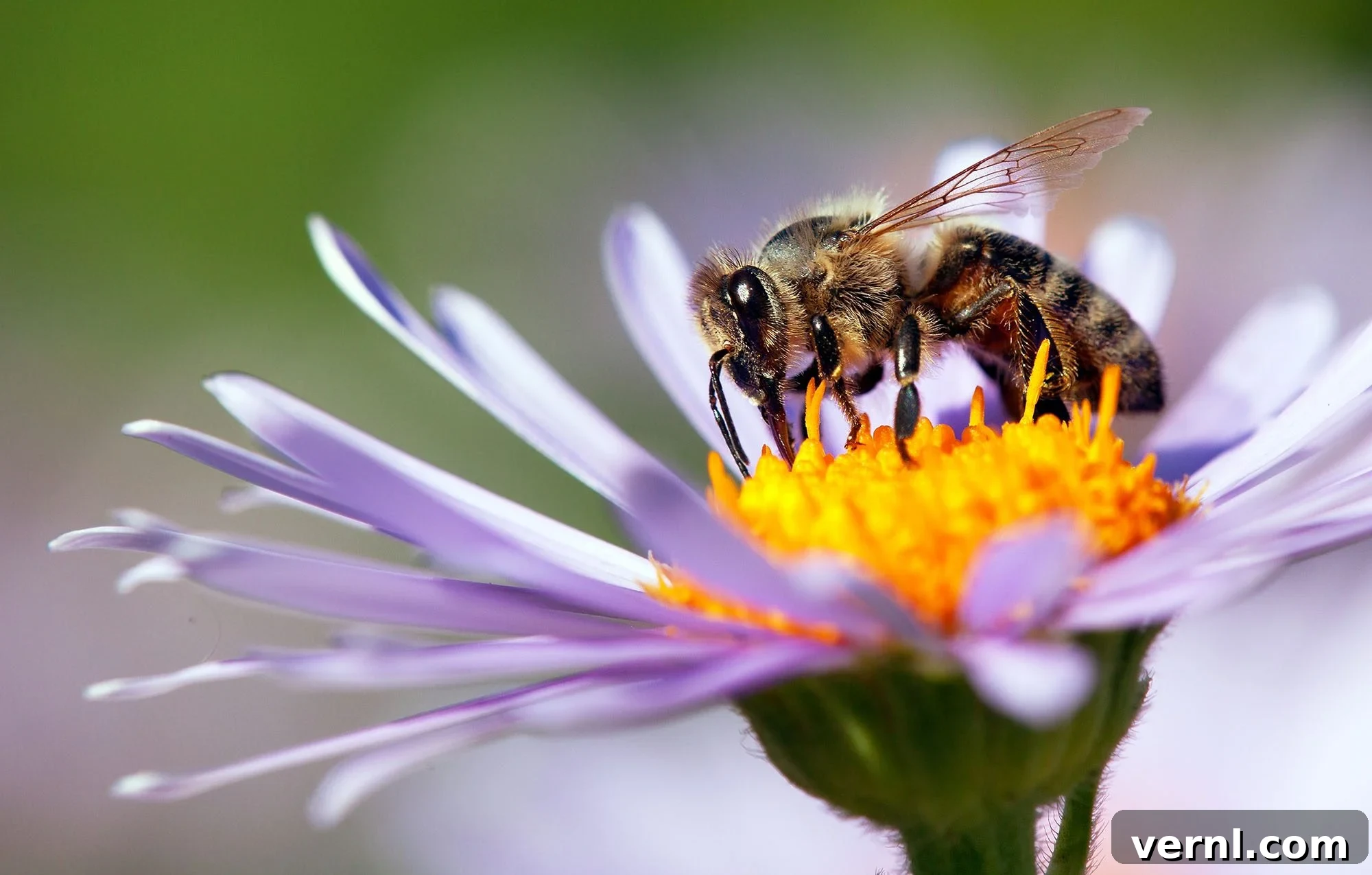

Bees are far more than just buzzing insects; they are indispensable architects of our natural world and the silent guardians of our global food supply. These tiny, tireless workers ensure the pollination of approximately 85 percent of flowering plants and trees, a critical function that underpins entire ecosystems and sustains the very agriculture we rely on. Without pollinators like bees and miller moths, the vibrant tapestry of flora and the bounty of our harvests would rapidly diminish, leading to profound ecological and economic consequences.
In recent years, the plight of bee populations has captured significant media attention, and for good reason. Alarming declines in their numbers across many regions of the world signal a crisis that demands our immediate collective action. Fortunately, the solutions aren’t always complex or costly. Many impactful steps can be taken right in our own backyards, transforming our personal spaces into vital havens for these essential creatures.
While the diligent honey bees often get the most “buzz,” it’s crucial to remember the immense diversity and importance of native bee species. There are thousands of different native bees, each playing a unique role in local ecosystems. Many of these lesser-known, yet equally vital, species are hard at work and could greatly benefit from your support. Understanding the distinction, for instance, between social honey bees and the fascinating world of solitary bees, can deepen your appreciation and focus your efforts. These unsung heroes, often working alone, contribute significantly to the health of our gardens and wild spaces.
Cultivating an insect-friendly garden extends beyond merely providing a landing strip for pollinators. Such gardens naturally foster a healthier, more resilient environment. They typically demand less water, reduce the need for harmful pesticides, and often require less intensive effort in the long run. By embracing these principles, you not only help bees but also create a more sustainable and vibrant landscape for yourself.
Here are some profound and practical ways you can contribute to the thriving future of bees and other crucial pollinators.
Transform Your Lawn into a Pollinator Paradise

The pristine, uniform grass lawn, a hallmark of traditional landscaping, is unfortunately an ecological desert for beneficial insects and pollinators. These monoculture expanses offer little in the way of habitat or diverse food sources. Consider a paradigm shift in your approach to your yard: begin converting sections of your lawn from mere grass into dynamic, life-supporting zones filled with a variety of native flowers, shrubs, or blooming groundcovers. This simple change can dramatically increase biodiversity and create invaluable forage for bees.
Landscape designer and author of Prairie Up, Benjamin Vogt, advocates for this transition, emphasizing its long-term benefits. He states, “if the plants are layered and chosen correctly to match the site, they will require less maintenance than a lawn.” This isn’t just about aesthetics; it’s about establishing a resilient ecosystem where plants support each other and the local wildlife, ultimately reducing your chore list. Imagine less mowing, less watering, and less fertilizing, all while contributing to a healthier planet.
Rethinking Lawn Alternatives
Instead of a vast expanse of grass, consider creating a patchwork quilt of ecologically rich areas. A sunny corner could become a vibrant wildflower meadow, brimming with color and buzzing with life. Shadier spots might host native ferns, shade-tolerant groundcovers like wild ginger, or spring ephemerals that provide early-season nectar. Even converting a small strip along a fence line can make a significant difference. These alternatives not only provide vital resources for pollinators but also add unique textures, scents, and visual interest to your landscape, transforming it from a static green carpet into a dynamic, living artwork.
Eliminate Harmful Pesticides from Your Garden
The instruction to “avoid pesticides” seems straightforward, yet its implementation can be complex. Gardeners often face the dilemma of dealing with persistent pests like cabbage worms or the destructive Japanese beetles. However, the critical distinction lies in *how* and *when* you address these issues. The most detrimental practice is applying broad-spectrum pesticides preventatively, or “just in case,” as this indiscriminately harms beneficial insects alongside target pests.
Moreover, the source of your plants matters immensely. Prioritize choosing plants from local nurseries that commit to not treating their seeds or young plants with systemic pesticides, particularly neonicotinoids. These insidious chemicals are absorbed into the plant’s vascular system, permeating every tissue—leaves, stems, nectar, and pollen—making them impossible to rinse off. When bees forage on treated plants, they ingest these toxins, which attack their central nervous system, often leading to disorientation, weakened immune systems, and eventually death, even in minute quantities. Many states now mandate labeling for plants treated with systemic pesticides, so always check before you buy.
Jessica Walliser, a respected horticulturist and author of Attracting Beneficial Bugs to Your Garden, champions a more natural and sustainable approach. She advocates for relying on beneficial predators as the first line of defense against unwanted visitors. For instance, attracting ladybugs to your garden can effectively control aphid infestations. If pests persist, Walliser suggests moving to physical controls such such as hand-picking visible pests or utilizing row covers to shield vulnerable crops. These methods address minor pest outbreaks effectively while drastically reducing potential collateral damage to the invaluable helpful insects that maintain your garden’s ecological balance.
Embracing Integrated Pest Management (IPM)
Integrated Pest Management (IPM) is a holistic strategy that emphasizes prevention, monitoring, and targeted intervention. It starts with creating a healthy garden ecosystem resistant to pests. This includes choosing pest-resistant plant varieties, ensuring proper soil health, and practicing good sanitation. When pests do appear, IPM encourages the least toxic solutions first: physical removal, encouraging natural predators, or using organic, short-lived deterrents like neem oil or insecticidal soaps only on affected areas. By understanding the pest lifecycle and intervening at the right time with the right method, you can protect your plants without harming pollinators.
Cultivate Native Plants and Flowers

The single most impactful action a gardener can take to support local bee populations is to plant native plants, trees, and shrubs. As Phyllis Stiles, founder and director emerita of Bee City USA—an initiative of the Xerces Society—advises, “reduce lawns and expand the natural areas in your yard” by incorporating these vital species. Native plants are the cornerstone of a thriving pollinator garden because they have evolved alongside local insects for millennia, creating a perfect symbiotic relationship.
Be cautious of generic “mixed wildflower” seed packets, which often contain seeds for non-native or even invasive plants, such as Chinese forget-me-nots. These non-native species can aggressively out-compete native plants for resources, disrupting delicate local ecosystems and ultimately diminishing the resources available to native pollinators. Furthermore, many plants in these generic mixes may not be well-suited to your specific climate and soil conditions, leading to poor growth and wasted effort.
Planting wildflowers that are indigenous to your specific region is the optimal way to provide the precise nectar and pollen bees need for robust health and successful reproduction. The ideal plants vary dramatically by geographical area, so a great starting point is to contact your local extension office for tailored suggestions. They possess invaluable knowledge about what thrives in your community and supports local wildlife. Additionally, you can access the Xerces Society’s Pollinator Conservation Resource Center. Their interactive regional map is an exceptional tool that will guide you in identifying and locating the most beneficial wildflowers for bees in your specific area.
Jessica Walliser beautifully summarizes the essence of this connection, explaining that native plant species “have coevolved with pollinators to produce the right nectar at the right time of year.” This intricate dance of co-evolution ensures that the nutritional needs of local bees are perfectly met. Native plants are invariably a superior choice compared to many ornamental cultivars, which, while often visually striking, may have been bred for features like larger blooms or unusual colors at the expense of nectar and pollen production, making them less valuable to pollinators.
Embrace and Welcome Plant Diversity

Whether observing wild spaces or cultivating a home garden, plant diversity is the bedrock of ecological stability and resilience. A rich tapestry of different plant species creates a multitude of micro-habitats and resources that cater to a wider array of beneficial insects and pollinators. As Jessica Walliser aptly puts it, “The more diversity you have in shapes, colors and structures, the more beneficial insects and pollinators you will have in the garden.” This isn’t just an aesthetic preference; it’s a fundamental principle of ecological gardening.
Different pollinators, from long-tongued bumblebees to tiny native bees, have distinct preferences for flower shapes, sizes, and colors. Some bees prefer flat, open flowers, while others specialize in tubular or complex blossoms. By offering a varied selection, you ensure that many different species can find the nectar and pollen they need. Furthermore, a diverse plant community often leads to a more stable ecosystem, with natural checks and balances against pest outbreaks, reducing your reliance on interventions.
Designing for Ecological Richness
When planning your garden, think beyond individual plants and consider the overall structure. Incorporate a mix of groundcovers, herbaceous perennials, shrubs, and even small trees. Varying heights provide different foraging opportunities and nesting sites. Include plants with different leaf textures and growth habits. Aim for a spectrum of bloom times, ensuring there is something flowering from early spring through late autumn. This continuous succession of blooms provides a consistent food source for pollinators throughout their active seasons, preventing gaps where resources might be scarce. A diverse garden isn’t just beautiful; it’s a bustling, self-sustaining ecosystem.
Cultivate a Kinder Approach to Weeds

In line with fostering plant diversity, reconsider your immediate impulse to pull or mow “weeds.” Many plants traditionally labeled as weeds are, in fact, incredibly valuable wildflowers that bees and other pollinators depend on for survival, especially during crucial early spring foraging periods when other flowers may be scarce.
Ecological landscape designer Jessi Bloom, whose Washington garden thrives with visitors drawn to her wild yarrow, clover, fennel, and even dandelions, highlights this often-overlooked truth: “Sometimes the plants that are the most useful in attracting pollinators are the ones we call weeds.” Dandelions, for instance, are one of the first reliable nectar and pollen sources for emerging queen bees in spring. Clover enriches the soil and offers continuous forage throughout the growing season.
Rather than striving for a perfectly manicured, weed-free lawn, consider designating a patch of your yard to remain as wild as possible. This “rewilding” effort creates an undisturbed haven. If space allows, planting a dedicated wildflower meadow can be a breathtaking and highly beneficial solution. Beyond your own property, you can become an advocate by contacting your local government and urging them to adopt less frequent mowing schedules for roadsides and medians. Allowing these public spaces to grow wild, at least seasonally, permits wildflowers to flourish and provides expansive corridors of forage for pollinators.
Of course, responsible gardening still means controlling truly invasive and poisonous plants that can harm ecosystems or humans. The key is to learn to distinguish between beneficial “weeds” and genuinely harmful invaders, fostering a more informed and tolerant approach to your landscape.
Strategize for a Full Year of Blooms

A thriving pollinator garden provides a continuous feast, ensuring that nectar and pollen are available throughout the entire growing season, from the first thaws of winter until the final frosts of autumn. This uninterrupted food supply is crucial for sustaining bee populations, allowing them to build up resources for successful reproduction and overwintering.
Seasonal Strategies for Continuous Forage:
- Early Spring Revival: Kickstart the year with blooms that emerge as soon as the snow melts. Consider planting winter- or early spring-flowering bulbs such as crocuses, snowdrops (Galanthus), and scilla. Heath (Erica) and witch hazel (Hamamelis) offer valuable early nectar and pollen when little else is available. These vital early sources provide much-needed energy for queen bees emerging from hibernation.
- Mid-Spring Abundance: As spring progresses, transition to plants like phlox, columbine, bleeding heart, and native fruit trees such as serviceberry or wild plum. The blossoms of maples and willows are also critically important at this time.
- Summer Spectacle: The peak of summer should be a vibrant display of continuous blooms. Include native coneflowers (Echinacea), sunflowers, milkweed (Asclepias, essential for Monarchs but also a good bee plant), lavender, bee balm (Monarda), borage, cosmos, and zinnias. These plants are magnets for a wide array of bee species and butterflies.
- Autumn Farewell: As summer fades, ensure your garden continues to offer sustenance. Members of the aster family, such as various species of asters and goldenrod, provide critical late-season nectar for bees preparing for winter. Sedum and obedient plant (Physostegia virginiana) are also excellent choices for fall forage.
By thoughtfully planning your plantings across these seasons, you create a robust and reliable buffet for pollinators, drastically increasing their chances of survival and success.
Embrace “Lazy Gardening” for Enhanced Pollinator Benefits
While raking leaves is often seen as the quintessential fall chore, a slight shift in this tradition can provide immense benefits for bees and other wildlife. If you’re looking to help pollinators, adopting a “less is more” approach—at least until late spring—is often the best strategy. Many types of wildlife, including crucial queen bees, depend on leaf litter and spent plant stalks to stay warm and safe during the harsh winter months. Leaf litter also acts as a natural mulch, protecting plant roots from extreme temperatures and enriching the soil as it decomposes.
When you resist the urge to rake every leaf and cut back every spent plant stalk in the fall, you’re inadvertently creating essential overwintering homes. The hollow stems of perennials, for example, become ideal nesting sites for cavity-nesting bees like mason bees. Dense patches of debris and fallen leaves offer insulated shelter for queen bumblebees and other beneficial insects. Furthermore, leaves are a fantastic natural mulch for your lawn and garden beds, suppressing weeds, retaining moisture, and slowly releasing nutrients back into the soil.
The timing of your spring cleanup is equally important. Try to wait until local fruit trees, like apples and pears, have finished blooming. This typically coincides with the time most bees have safely emerged from their winter hiding places, making it safe to tidy up without disturbing their crucial developmental stages. Jessica Walliser, a true proponent of this method, leaves her perennials intact throughout winter for overwintering insects and even allows wool carder bees to collect plant fuzz from her lamb’s ear plants for their nests. Her garden stands as a testament to the fact that a slightly wilder approach fosters a bustling, balanced, and remarkably resilient ecosystem.
The Ecological Benefits of Uninterrupted Cycles
Allowing nature’s cycles to unfold in your garden without excessive intervention supports a healthier food web. Decaying leaves and plant matter feed soil microbes, which in turn nourish plants. The insects that overwinter in this natural debris become a food source for early-migrating birds. By delaying cleanup, you’re not just helping bees; you’re contributing to a richer, more vibrant ecosystem that functions with greater ease and less human input.
Create Essential Nesting and Overwintering Spots for Pollinators
Providing suitable nesting habitats is just as critical as offering a continuous food supply. As Stiles emphasizes, “Seventy percent of bee species nest in the ground.” These ground-nesting bees require specific conditions: areas of dry, bare, undisturbed soil. By reserving these patches in your garden, free from heavy mulch or excessive foot traffic, you provide vital spaces for them to lay their eggs and raise their young in the early spring. These areas should be well-drained and exposed to some sun.
The remaining 30 percent of native bees are cavity-nesters, making their homes in hollow stems, old stumps, or natural snags. Therefore, leaving some deadwood, such as old stumps or standing snags, in your landscape offers invaluable natural housing. For a more direct intervention, you can drill holes of varying diameters (e.g., 3/32 to 3/8 inch) into blocks of untreated lumber. These custom-made “bee blocks” mimic natural nesting cavities and can attract species like mason bees and leafcutter bees.
If you’re feeling especially hospitable and wish to provide even more structured housing, consider erecting a bee hotel. These structures typically consist of stacked, narrow tubes made from bamboo, cardboard, or drilled wood, designed to mimic the natural living quarters of cavity-nesting bees. Proper placement is key: avoid placing the bee hotel in deep shade, as bees prefer warmth, and shade can also attract unwanted wasps or lead to fungal growth. The ideal orientation is facing southeast, allowing the morning sun to warm the tubes and encourage bees to emerge earlier to gather pollen and nectar.
Maintaining Bee Hotels for Health
It’s important to choose bee hotels with removable and cleanable tubes or drilled blocks that can be replaced. This prevents the buildup of parasites and diseases, which can become an issue in static designs. Annual cleaning or replacement of nesting materials ensures a healthy environment for successive generations of bees.
Deepen Your Knowledge: Learn About Bees

True advocacy for bees begins with understanding them. The Xerces Society is an excellent place to begin your journey into the fascinating world of pollinators. While most of us are familiar with the iconic bumblebees and the industrious honey bees, they represent only a fraction of the incredible diversity of bee species. Take the time to learn about the various bees that inhabit your local area—the mason bees, leafcutter bees, sweat bees, carpenter bees, and countless others. Recognizing them will not only enrich your garden experience but also enable you to understand which specific species might be most in need of your help.
This knowledge empowers you to become a more effective advocate. Beyond your garden, extend your influence into your community. Petition for the establishment of a community garden or a school garden focused on pollinator-friendly practices. Campaign to grow native plants in public spaces, transforming sterile municipal areas into vibrant ecological corridors. Share your newfound knowledge with neighbors, friends, and local officials. Every conversation and every initiative contributes to a broader understanding and appreciation for these vital creatures.
Local Resources for Bee Identification and Education
Beyond the Xerces Society, explore local nature centers, botanical gardens, and university extension programs. Many offer workshops, field guides, and online resources specifically tailored to your region’s bee populations. Joining local gardening clubs or native plant societies can also connect you with like-minded individuals and provide hands-on learning opportunities. The more you learn, the more effectively you can contribute to their conservation.
Commit to Conservation: Take the Pollinator Pledge

If you’re already nurturing your garden with beneficial insects in mind, take your commitment a step further by joining a larger movement. The Xerces Society Pollinator Pledge offers a tangible way to formalize your dedication and connect with a community of conservationists. Join over 10,000 gardeners who have committed to this vital project at xerces.org. By taking the pledge, gardeners make a solemn promise to actively support pollinators through specific, impactful actions:
- Grow pollinator-friendly flowers: Prioritizing native plants that provide rich sources of nectar and pollen throughout the seasons.
- Provide nest sites for bees and butterflies: Creating diverse habitats, including undisturbed ground, hollow stems, and managed bee hotels.
- Find pesticide alternatives: Committing to Integrated Pest Management strategies and avoiding harmful chemicals that endanger pollinators.
- Talk to neighbors about pollinators’ importance: Spreading awareness and educating others about the critical role of bees and butterflies in our ecosystems.
Your individual efforts, when combined with thousands of others, create a powerful ripple effect, forging a brighter, more sustainable future for bees, our environment, and our food systems. Every small step taken in your garden contributes to a global network of conservation, proving that collective action can indeed bring about profound change. Let your garden be a beacon of hope and a testament to your commitment to these invaluable creatures.