

Comprehensive Home Winterization Guide: Protecting Your Property and Wallet
As the chill of autumn begins to settle in and the days grow shorter, proactive homeowners turn their thoughts to one critical annual task: winterizing their homes. This essential process goes far beyond simply preparing for cold weather; it’s a strategic investment in the longevity of your property, the efficiency of your energy consumption, and the safety of your family. Ignoring crucial winter preparations can lead to significant financial strain from escalating heating bills, costly structural damage, and unexpected safety hazards. By taking the time to thoroughly prepare your home, you ensure peace of mind throughout the colder months.
Why Winterizing Your Home is Non-Negotiable: Key Benefits
Annual home winterization is a cornerstone of responsible homeownership, offering a multitude of benefits that extend well beyond mere comfort. Understanding these advantages can motivate even the busiest homeowner to prioritize this vital seasonal chore:
- Significant Savings on Heating Costs: A properly winterized home is a well-insulated home. By sealing air leaks, upgrading insulation, and ensuring your heating system runs efficiently, you can drastically reduce the amount of energy required to keep your living spaces warm. This directly translates into lower utility bills, freeing up your budget for other important expenses.
- Prevention of Costly Damage: The harsh realities of winter, such as freezing temperatures, heavy snow, and ice, can wreak havoc on an unprepared home. Frozen and burst pipes, ice dams on roofs, and compromised foundations are just a few examples of severe damage that can arise. Winterization steps specifically target these vulnerabilities, safeguarding your furnace, plumbing, roof, and structural integrity from expensive repairs.
- Enhanced Home Safety: Beyond structural damage, winter presents unique safety challenges. Preventing ice dams reduces the risk of falling ice around your home, while ensuring clear walkways with proper snow and ice removal minimizes the chance of slips and falls. A well-maintained heating system also reduces fire hazards and carbon monoxide risks.
- Increased Comfort and Livability: A drafty, poorly insulated home is simply uncomfortable. Winterization ensures consistent indoor temperatures, eliminating cold spots and drafts, making your home a warm and inviting sanctuary even during the coldest snaps.
- Protecting your investment through diligent preparation is crucial. You can also keep your house safe by preventing hazards like falling ice or dangerous slips on icy surfaces.
When to Winterize Your House: Timing is Everything
While the term “winterization” implies preparing for winter, the ideal time to begin this comprehensive process is actually in the fall. Addressing outdoor tasks before the deep freeze sets in is crucial for both effectiveness and safety. Working on ladders or with equipment becomes significantly more challenging and dangerous once temperatures drop, and ice and snow become prevalent.
Aim to wrap up any outdoor work, such as cleaning gutters or inspecting your roof, before consistent freezing temperatures arrive. As you winterize your lawn, it’s also an opportune moment to start checking your snow removal equipment, ensuring it’s ready for the first snowfall. Indoor projects, such as checking insulation or flushing your water heater, can typically be tackled a bit later, or even throughout the winter, offering more flexibility.
Your Ultimate Home Winterization Checklist: Step-by-Step Guide
This detailed checklist covers the most critical areas of your home that require attention before winter arrives. Following these steps will help you ensure your home is resilient, efficient, and safe.
1. Professional Furnace Tune-Up and DIY Maintenance
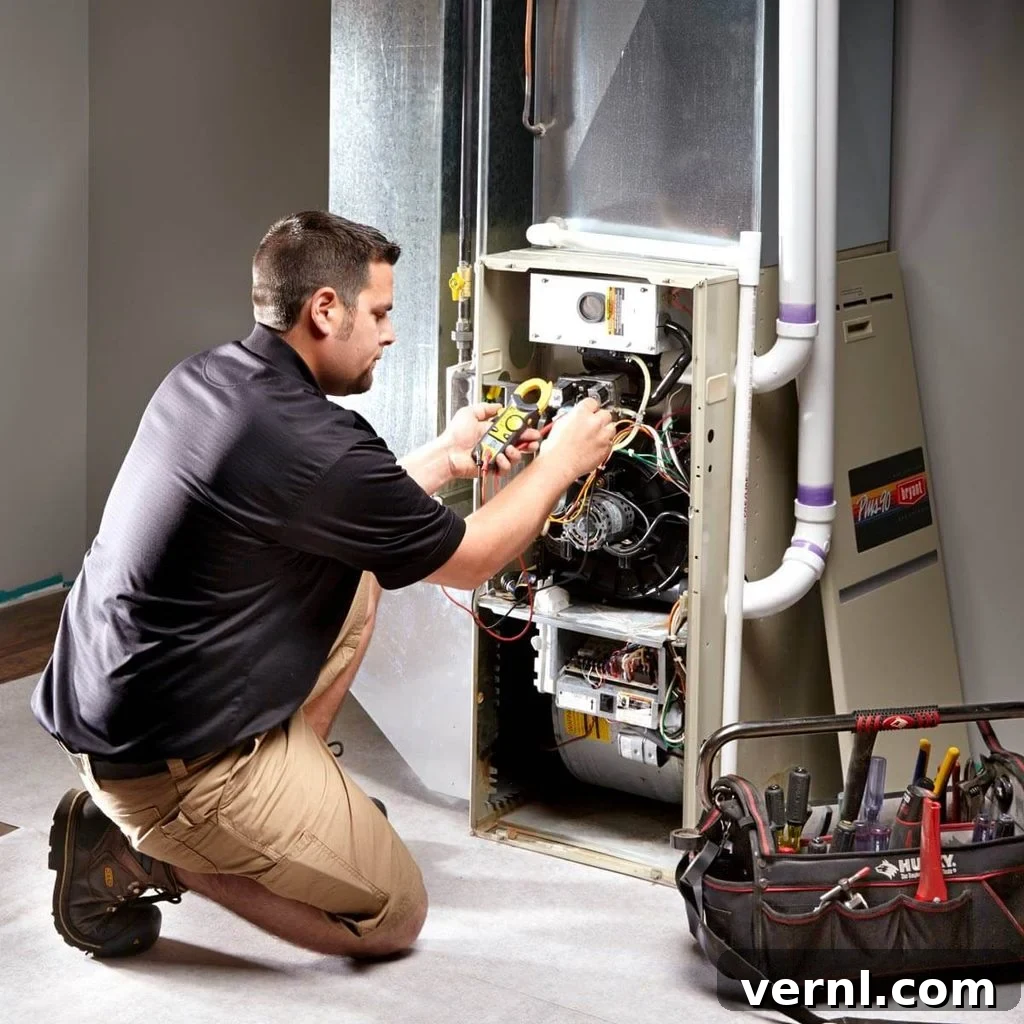
Your furnace is the heart of your home’s winter comfort. An annual professional tune-up is not just recommended; it’s essential. A certified HVAC technician will inspect, clean, and test all components of your heating system, ensuring it operates at peak efficiency. This preventive measure can identify minor issues before they escalate into costly breakdowns during the coldest days, extend the lifespan of your unit, and even reduce energy consumption. While a professional handles the complex parts, you can perform some furnace maintenance yourself, like regularly changing air filters, which significantly improves air quality and system efficiency.
2. Safeguarding Your Plumbing from Freezing Temperatures
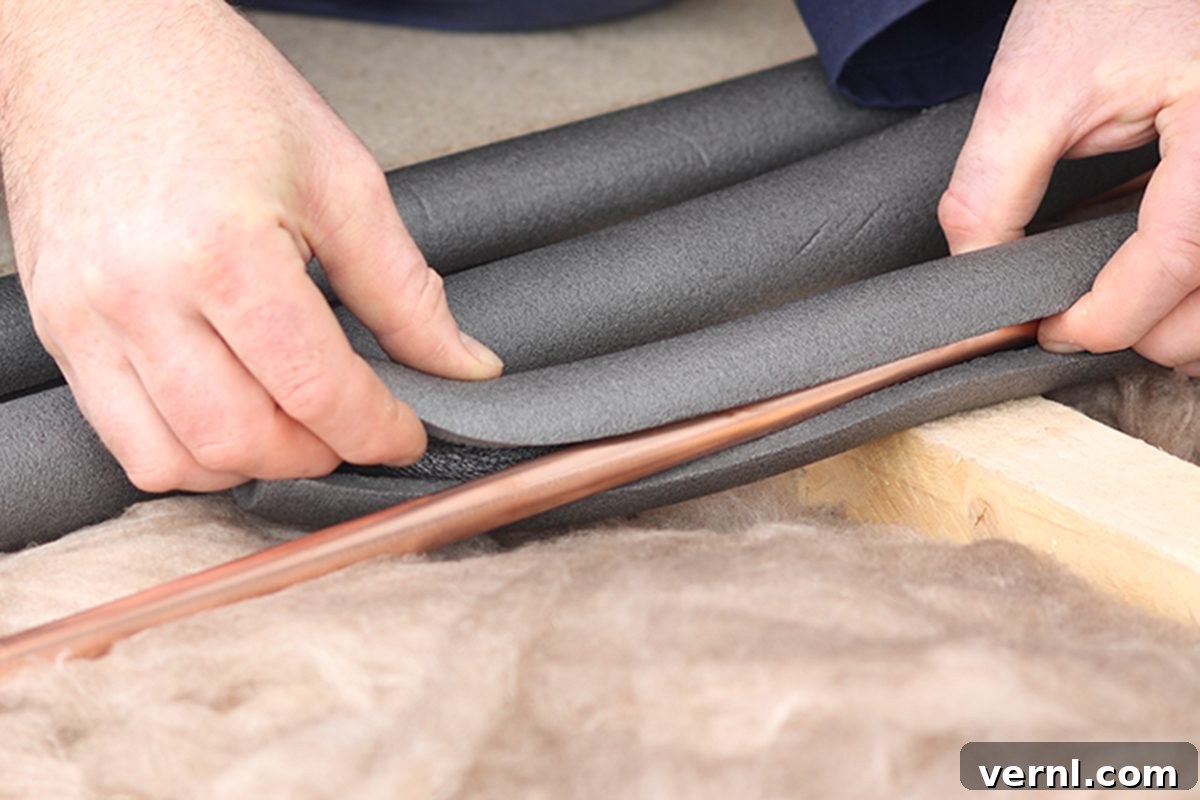
One of the most destructive and expensive winter incidents is burst pipes. If you have any plumbing lines located in unheated areas such as a cold basement, crawlspace, garage, or even outdoor faucets, they are particularly vulnerable to freezing temperatures. This vital step is often overlooked when homeowners consider how to winterize your home, but it’s paramount as temperatures plummet. Wrap these exposed pipes with specialized pipe insulation sleeves. For extreme cold or particularly vulnerable areas, consider installing heat cable directly under the insulation. This combination provides an effective barrier, drastically reducing the risk of pipes freezing and ultimately bursting, which can cause extensive water damage and disruption.
3. Detecting and Sealing Air Leaks for Enhanced Comfort
Do you feel drafts near windows, doors, or electrical outlets? These small gaps can allow a significant amount of warm air to escape and cold air to infiltrate, sabotaging your heating efforts and driving up energy bills. Checking the weather-stripping around doors and windows is a critical step. If it’s cracked, brittle, or no longer provides a tight seal, it’s time to replace it. Additionally, use caulk to seal cracks and gaps around window frames, door frames, and any utility penetrations. For electrical outlets and switches on exterior walls, consider installing foam gaskets behind the cover plates. These simple, inexpensive fixes can dramatically improve your home’s energy efficiency and overall comfort.
4. Preventing Destructive Ice Dams on Your Roof
Ice dams are ridges of ice that form at the edge of a roof, preventing melting snow from draining properly. This trapped water can back up under shingles, seep into your attic, walls, and ceiling, leading to significant water damage, mold growth, and compromised insulation. To prevent these destructive formations, ensure your attic vents are clear and unobstructed to promote proper air circulation and keep the roof deck cold. Adequate attic insulation is also key to preventing heat from escaping and melting snow unevenly. For persistent problem areas, installing heat cable along the roof edge and in gutters can help keep ice dams from forming by creating channels for water to drain. Addressing ice dams proactively is crucial, as they can cause extensive and costly damage if left unchecked.
5. Comprehensive Roof Inspection: Addressing Potential Issues
Your roof is your home’s first line of defense against winter elements. Before snow and ice accumulate, perform a thorough visual inspection of your roof. Look for loose, cracked, or missing shingles, which can invite roof leaks from melting snow. Also, check for damaged flashing around chimneys, vents, and skylights, as these are common points of water intrusion. While a quick visual inspection can be done from the ground with binoculars, a professional roof inspection is highly recommended to identify subtle issues that might go unnoticed. Repairing significant issues, especially those involving height and specialized tools, is something best left to qualified roofing professionals to ensure safety and proper execution.
6. Boosting Energy Efficiency with Additional Insulation
Proper insulation is paramount for maintaining a comfortable indoor temperature and reducing energy consumption. An extra layer of insulation in attics, crawl spaces, and even walls can pay huge dividends in energy savings by slowing heat transfer. Blown-in insulation is often the best bet for attics, as it can fill irregular spaces and provide a seamless thermal barrier. You can either hire a professional company to install it for you, or for the DIY-inclined, you can rent the necessary equipment from some home improvement stores. Ensuring your home is adequately insulated prevents your heating system from working overtime, significantly lowering your heating costs and making your home more comfortable.
7. Thorough Gutter Cleaning: A Must for Winter Preparedness
Clogged gutters and downspouts are a major culprit behind many winter home problems, including ice dams and water damage to foundations. Leaves, twigs, and other debris restrict the proper flow of water from melting snow and rain. This blockage leads to water pooling in the gutters, which then freezes, causing ice build-up and eventually contributing to the formation of destructive ice dams. It’s crucial to get your gutters cleaned out thoroughly before winter hits. However, timing is key: make sure to do it after most leaves have fallen from your trees, otherwise you’ll likely have to do it again.
8. Preparing Your Snow Blower for Winter’s Assault
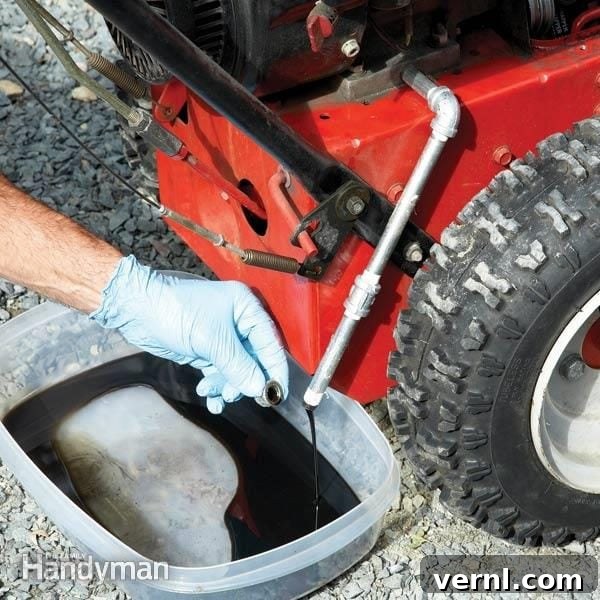
The first major blizzard is absolutely not the time to discover your snow blower isn’t in good working order. A warmer fall day is the perfect time to give your snow blower a thorough once-over. Start by checking the fuel – ensure it’s fresh and consider adding a fuel stabilizer if it’s been sitting for a while. Verify the engine oil is at the correct level and replace it if necessary. Check the spark plug and clean or replace it for reliable starting. Inspect the belts and auger for wear or damage. If your model has pneumatic tires, air them up to the recommended pressure. Taking these proactive steps will ensure your snow blower is ready to tackle any amount of snow, preventing frustrating delays when you need it most. For more tips, check out small engine start-up tips.
9. Stocking Up on Winter Essentials: Salt and Sand
When thinking about how to winterize your home, extending your preparations to the immediate surroundings, especially your walkways and driveways, is crucial for safety. Be ready for icy conditions by stocking up on rock salt or a safe DIY ice melting compound. These products help melt ice, making surfaces safer for walking. Additionally, having sand on hand provides excellent traction on slippery patches where ice melt might not be effective or is not suitable. Keeping these materials readily accessible allows you to address icy conditions promptly, preventing potential slips and falls for residents and visitors alike.
Beyond the House: Other Essential Winterization Tasks
Winter preparation isn’t limited to just your home’s structure. Other valuable assets and systems around your property also require attention before the cold sets in to prevent damage and ensure readiness.
10. Winterizing Your Car: Ensuring Road Safety and Reliability
Preparing your vehicle for cold weather and snow is just as important as preparing your home. Proactive car care can help you avoid stressful winter emergencies. Implement these winter car care tips to prevent common cold-weather problems like no-starts, frozen doors and windows, engine freeze-up, and dangerous accidents. This involves checking your battery, ensuring your tires are properly inflated and have good tread, topping off all fluids (especially antifreeze and windshield washer fluid), inspecting your wipers, and ensuring your emergency kit is stocked. Many of these checks and replacements can be done yourself in less than an hour. For a more exhaustive list of tasks, consult these must-do tasks to winterize your car.
11. Protecting Your In-Ground Pool from Winter Damage
If you have an in-ground pool, proper winterization is vital, especially if you live in an area where temperatures frequently drop near or below freezing. Neglecting this task can lead to expensive damage from freezing water expanding in pipes, filters, and pumps. To winterize your pool, you’ll need to clean it thoroughly, balance the water chemistry, drain water from the pipes and equipment, add winterizing chemicals, and securely cover the pool. This process protects your equipment, keeps your pool cleaner, and makes spring opening much easier.
12. Safeguarding Your Sprinkler System Against Freezing
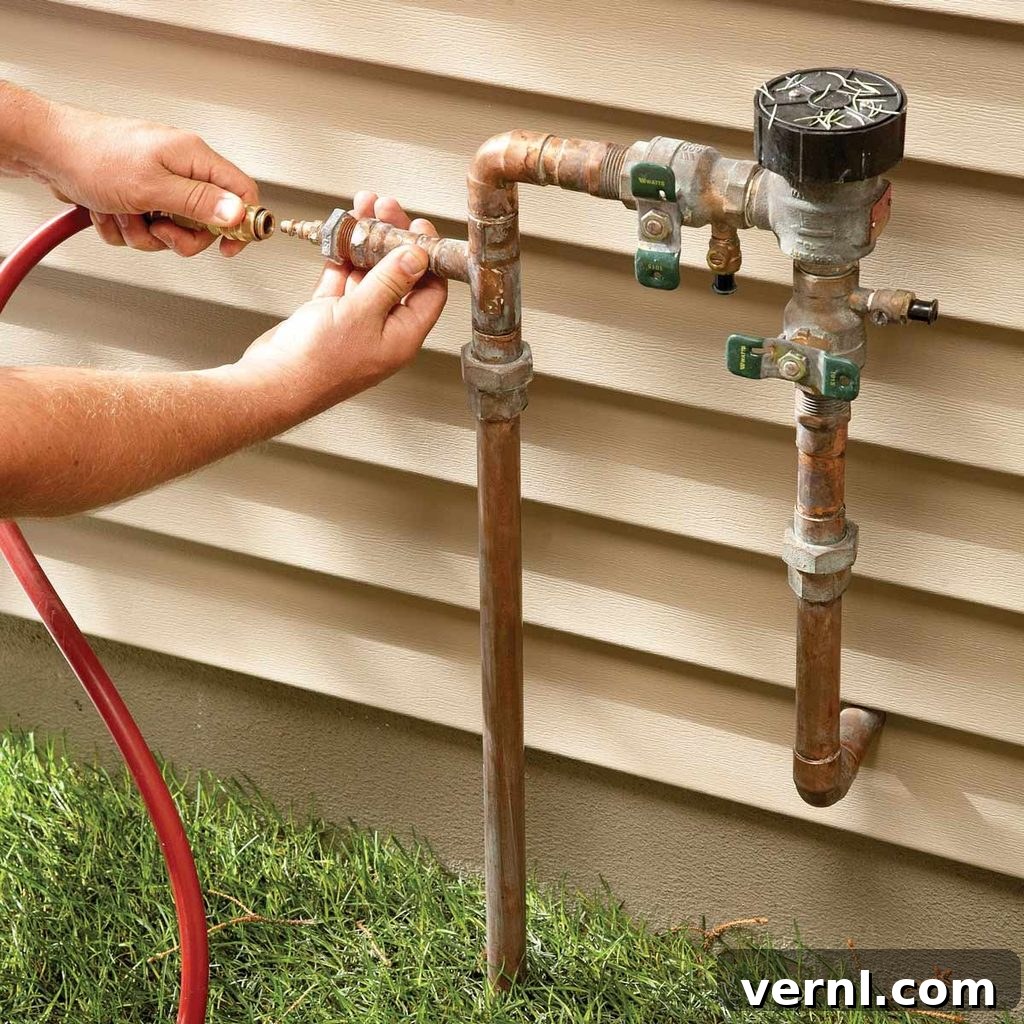
Your underground sprinkler system is highly susceptible to severe damage from freezing water. Any water left in the lines, valves, or sprinkler heads will expand when frozen, cracking components and leading to costly repairs. Therefore, sprinkler systems absolutely need the water blown out of them before winter freeze-up. While professional services are available, if you have an air compressor of sufficient power, you can tackle this DIY project and save on the service fee. Learning how to blow out the sprinkler system yourself can save big bucks and provide peace of mind.
13. Preparing Your Boat for Off-Season Storage
For boat owners, winterizing your vessel is an indispensable annual chore that protects your investment and prepares it for a smooth spring launch. Don’t pay the marina $150 or more every fall to winterize your boat when you can easily learn how to do it yourself and save some significant dough. This process typically involves stabilizing the fuel system, flushing and draining the engine, changing the oil, checking and lubricating all moving parts, protecting the hull, and preparing the battery for storage. Marine mechanic Sam Kelley shares his expert tips for winterizing a boat, guiding you through each critical step to ensure your boat survives the off-season without damage.
14. Flushing Your Water Heater for Optimal Performance
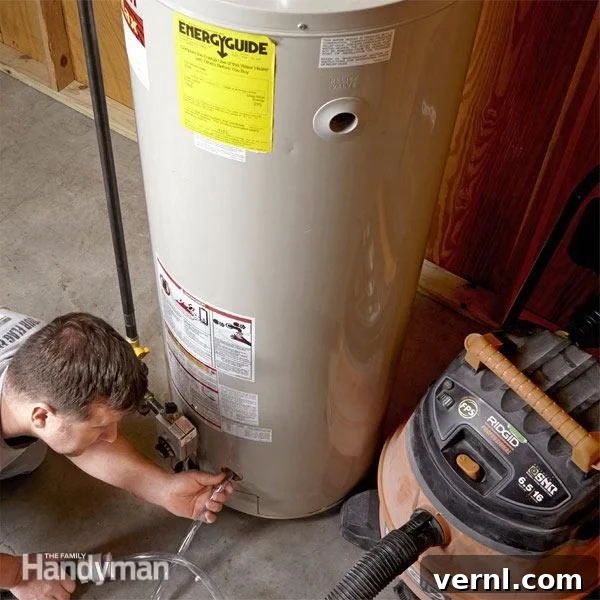
When was the last time you flushed your water heater? This often-ignored but important chore should be done at least once a year, preferably before winter, to remove sediment that accumulates on the bottom of the tank. Sediment, comprised of mineral deposits from your water supply, reduces the heating efficiency of your water heater, forcing it to work harder and increasing your energy bills. This is especially true if you live in a hard-water area. The task is easy to ignore because it’s out of sight, but built-up sediment shortens the lifespan of your unit and costs you money. Learn how to drain your water heater fluid and flush it effectively to get your water heater running like new, ensuring a reliable supply of hot water throughout winter.
Conclusion: Embrace Winter with Confidence
Winterizing your home and its surrounding assets might seem like a daunting list of tasks, but the effort invested now will pay dividends in peace of mind, energy savings, and avoided repair costs throughout the colder months. By following this comprehensive guide, you’re not just preparing your property for winter’s challenges; you’re actively protecting your investment, enhancing your family’s safety, and ensuring your home remains a warm, comfortable, and efficient haven. Don’t wait for the first snowflake or the first burst pipe – start your winterization checklist today and greet the season with confidence!