
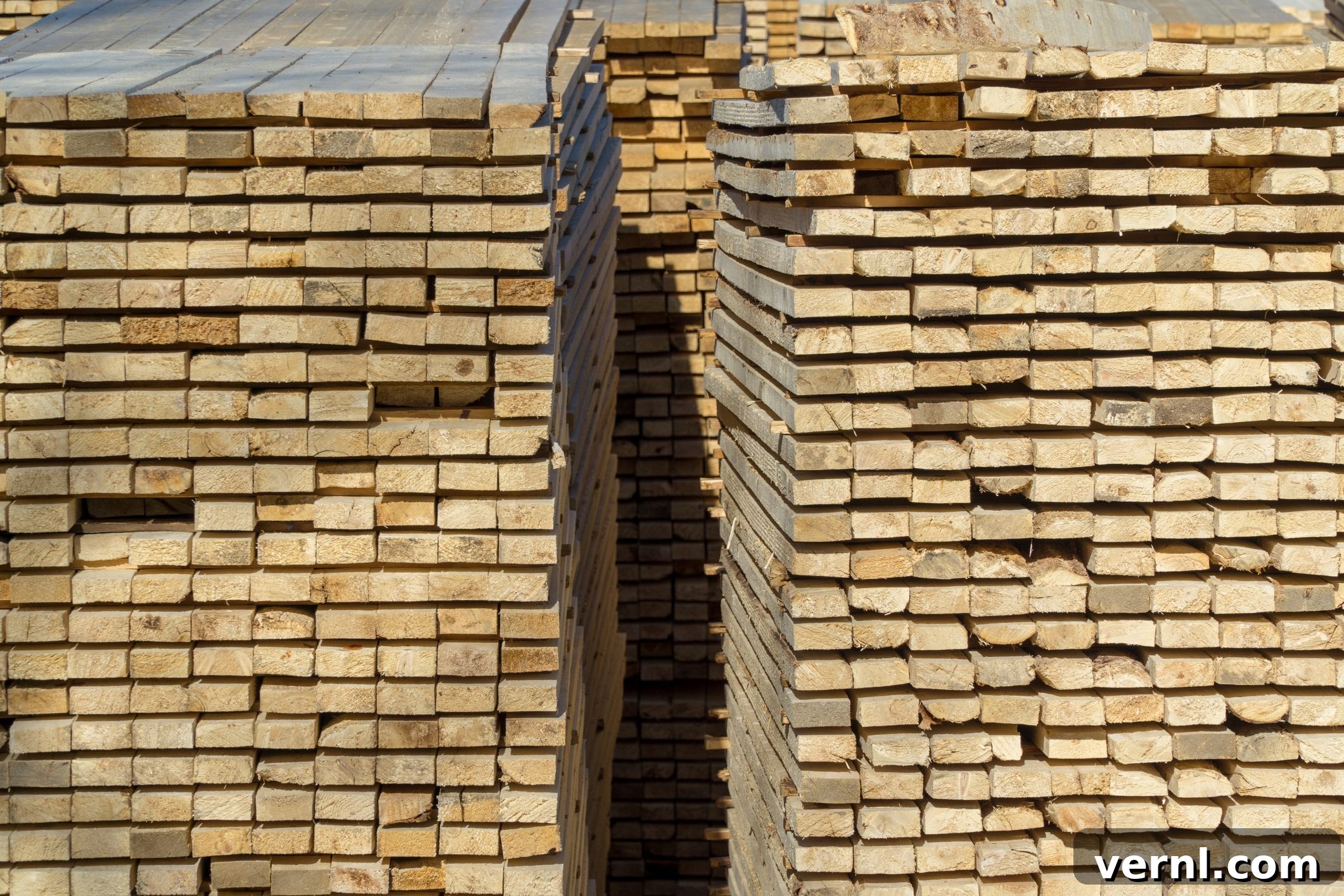
Have you ever paused to consider the journey of a tree felled by a storm, or one removed to facilitate crucial infrastructure projects like power lines? In bygone eras, the fate of such a tree was often unceremonious: it would be chipped into mulch or incinerated. Both methods represented significant expenses, yielded minimal community benefits, and completely disregarded the tree’s potential for carbon sequestration. Today, however, thanks to visionary entrepreneurs like Seth Carlson, the dynamic founder and CEO of Dakota Timber Company, these urban trees are increasingly finding a new lease on life. They might end up as a stunning centerpiece in your living room furniture or become the durable, distinctive siding on your home.
Carlson’s journey is a testament to the burgeoning potential of urban wood. What began as a post-college side project rapidly blossomed into a comprehensive, sustainable wood manufacturing facility within just nine years. And Dakota Timber Company is not an isolated success story. Carlson highlights the immense untapped resource: “In our communities across North Dakota alone,” he states, “there is enough wood coming down from our city streets to produce well over 1 million board feet of lumber each year.” This local potential is mirrored nationwide; the U.S. Forest Service estimates that the collective output of urban wood mills could eventually supply a staggering 30 percent of the entire country’s lumber market. This isn’t about creating an inferior substitute; it’s about recognizing and harnessing the inherent value of a traditionally overlooked resource.
Far from being a compromise, urban wood boasts a unique character and an aesthetic appeal often absent in traditional commodity lumber. Carlson articulates this beautifully: “The quality of urban hardwood is much more unique than what would traditionally be found in the commodity hardwood market. More unique grain textures, colors and defects actually add to the beauty of this material.” These natural variations, rather than being flaws, tell a story of the tree’s life, adding depth and authenticity to the finished product.
What Exactly Is Urban Lumber? Defining a Sustainable Resource
At its core, urban lumber is wood derived from trees that have grown within urban environments. This might include trees removed due to disease, storm damage, construction, or even those that have simply reached the end of their natural lifespan in a city park or residential yard. While it represents a form of salvage, diverting material from the wood chipper or burn pile, it’s crucial to differentiate urban lumber from what is typically referred to as “reclaimed wood.” The latter term generally denotes pre-used wood, often salvaged from demolition projects of old barns, factories, or warehouses. Reclaimed wood has already been milled and served a purpose in a previous structure. In contrast, urban lumber is freshly milled; it’s new wood being processed for the first time from a tree that grew in a city setting.
The individual nature of urban trees contributes significantly to the distinctiveness of the lumber. Sourced from single trees, some of which may be uncommon species that have thrived for decades, urban wood frequently exhibits a palette of colors, textures, and grain patterns that have largely vanished from conventional lumberyards. Unlike reclaimed wood, which comes in pre-existing dimensions and forms, urban wood offers unparalleled flexibility. It can be custom-milled to precise specifications, making it an ideal choice for high-end applications such as bespoke furniture, elegant tabletops, intricate cabinetry, and architectural features. As Carlson emphasizes, “Although this is recycled wood, we actually are able to produce some of the most contemporary and high-end wood products.” This underscores its premium potential, challenging traditional perceptions of “recycled” materials.
Beyond its use in fine woodworking, urban wood is remarkably versatile. It can be transformed into practical and aesthetically pleasing materials like shiplap siding, sturdy fencing panels, robust structural beams, and other utilitarian lumber. The optimal application for any given piece of urban wood largely depends on the specific tree species, its overall size, and the usable sections available. This inherent variety, stemming from the sheer diversity of trees that flourish in urban environments, means there’s no singular standard, but rather a spectrum of possibilities waiting to be unlocked.
Benefits and Drawbacks of Embracing Urban Lumber
The ecological advantage of transforming urban trees into valuable lumber, rather than reducing them to wood chips or harmful smoke, is undeniably significant. This act of repurposing prevents landfill waste and mitigates air pollution. However, the benefits of urban lumber extend far beyond mere waste diversion, offering a compelling array of advantages for both consumers and communities.
Pros of Urban Lumber: A Sustainable Choice with Character
- Exceptional Beauty and Unique Character: Urban wood often originates from mature trees, some of which have stood for a century or more, fostering deeply developed grain patterns and rich, vibrant colors. Furthermore, it frequently includes species that are no longer common in commercial forestry, such as the prized chestnut, rich walnut, or elegant cherry. These unique attributes contribute to a distinctive aesthetic that can’t be replicated by mass-produced lumber, adding unparalleled character to any project. Each piece tells a story, making it a conversation starter and a true heirloom.
- Locally Sourced and Economically Supportive: A cornerstone of the urban lumber movement is its commitment to local economies. Urban lumber mills procure their raw material directly from the surrounding region. This localized supply chain dramatically reduces transportation costs and significantly lowers the carbon footprint associated with long-haul shipping. By choosing urban wood, consumers are directly supporting local businesses, creating jobs within their community, and fostering a more resilient and sustainable local economy. It’s a tangible way to invest in your neighborhood.
- A Material Steeped in Local Heritage: An ancient oak or a grand walnut tree that has graced a community park or a street corner for a hundred years is more than just timber; it’s an integral part of local history and heritage. When such a majestic tree must eventually be removed, its wood retains that historical value, offering a profound connection to the past. Utilizing this wood in a new structure or piece of furniture allows its legacy to continue, preserving a piece of the community’s story for future generations. It’s an act of remembrance and renewal.
- A Truly Renewable and Resourceful Option: While urban trees are harvested, the process is part of a broader, sustainable cycle. In most developed communities, the number of new tree plantings typically outpaces the number of trees removed. This proactive approach to urban forestry ensures a continuous, renewable resource stream. By transforming these urban trees into valuable products, we close the loop on what might otherwise be considered waste, maximizing resource efficiency and demonstrating a commitment to responsible consumption.
Cons of Urban Lumber: Navigating the Challenges
While the advantages of urban wood are compelling, there are a couple of significant drawbacks that distinguish it from traditional lumber. These challenges, though surmountable, contribute to its unique production process and cost structure.
- Unpredictable Wood Quality and Consistency: Due to the diverse species and varied growing conditions of urban trees, the quality and consistency of urban lumber can be less predictable than that of commercially harvested timber from managed forests. This unpredictability means that mills must meticulously inspect and grade each log, which can be a more labor-intensive process.
- The Persistent Problem of Metal Inclusions: Perhaps the most significant hurdle in milling urban lumber is the high probability of encountering foreign objects, particularly metal, embedded within the logs. As Seth Carlson vividly illustrates: “One out of two urban salvaged logs has metal in it….you know, from that tree house you built or that bird house you nailed on your tree or the ‘Garage Sale’ sign you fastened onto the tree on the street corner. All of that human contact over the years left its mark. And the evidence is in the log, in the form of sawmill blade-destroying metal fragments. So you can imagine the cost of blades alone is quite insane.” These metal fragments – everything from old nails and screws to fence wire and even bullets – pose serious risks to sawmill equipment, leading to frequent blade replacements, costly downtime, and potential safety hazards for operators. This necessity for careful detection and removal of foreign objects directly impacts processing time and drives up overall production costs.
Price Comparison: Urban Wood Versus Traditional Lumber
When considering the price of urban lumber, it’s important to understand the factors that influence its market value. According to Seth Carlson, many urban lumber producers operate smaller, more specialized facilities. These businesses often process the wood they mill directly into finished products such as furniture, flooring, or bespoke architectural elements, adding significant value in-house. While a growing number of lumberyards do offer a selection of milled urban lumber to consumers, it is typically graded as #2 lumber, which traditionally allows for a certain number of knots and other natural “defects.”
Despite being often graded as #2, the price of urban lumber frequently compares favorably to that of higher grades of traditional, commodity lumber, such as Select or FAS (Firsts and Seconds). Customers can typically expect to pay between $3 to $5 per board foot. This seemingly counter-intuitive pricing reflects the unique value proposition of urban wood: its exceptional character, local sourcing, inherent sustainability benefits, and the specialized processing required to mitigate challenges like metal inclusions. Consumers are often willing to pay a premium for the aesthetic individuality, the ecological story, and the local economic support that urban lumber embodies. Furthermore, for certain species of urban hardwood, such as elm, direct price comparisons to the commodity market are irrelevant, as these species may not be readily available through traditional supply chains, making urban mills the sole source for these unique materials.
Where to Discover Your Next Urban Lumber Source
Seth Carlson optimistically asserts that locally sourced urban lumber is accessible regardless of your geographic location, a claim that might be slightly ambitious for every corner of the country. However, it’s certainly reasonable to expect that you should be able to locate a reputable source within a few hundred miles of your home. The urban wood movement is gaining momentum, and specialized operations are emerging across the nation, catering to a growing demand for sustainable and unique timber.
For those on the West Coast, notable examples include Urban Wood Rescue and Street Tree Revival, both committed to transforming urban trees into valuable resources. In the heartland, the Midwest boasts several prominent players like Wudeward Urban Forest Products, Urban Wood Goods, and Carlson’s own pioneering venture, Dakota Timber Company. Moving eastward, firms such as Urban Specialty Woods are serving communities along the East Coast. These examples highlight a vibrant and expanding network of suppliers dedicated to this sustainable practice.
Beyond regional businesses, the digital landscape offers centralized platforms to connect with urban wood providers. You can explore a diverse selection of products and suppliers online at the Urban Wood Marketplace. Additionally, the Urban Wood Network serves as an invaluable resource for locating suppliers and learning more about the movement. When searching, consider reaching out to local arborists, city forestry departments, or even reputable custom furniture makers, as they often have connections to local urban mills. By seeking out these sources, you’re not only acquiring beautiful, unique wood but also actively participating in a positive environmental and economic cycle.
The urban lumber movement represents a significant shift in how we perceive and utilize natural resources within our communities. It transforms what was once considered waste into a valuable, beautiful, and sustainable commodity. By choosing urban wood, you’re not just buying lumber; you’re investing in local economies, preserving natural beauty, and contributing to a healthier planet. It’s a choice that reflects a deeper appreciation for the trees that share our urban landscapes and a commitment to a more resourceful future.