
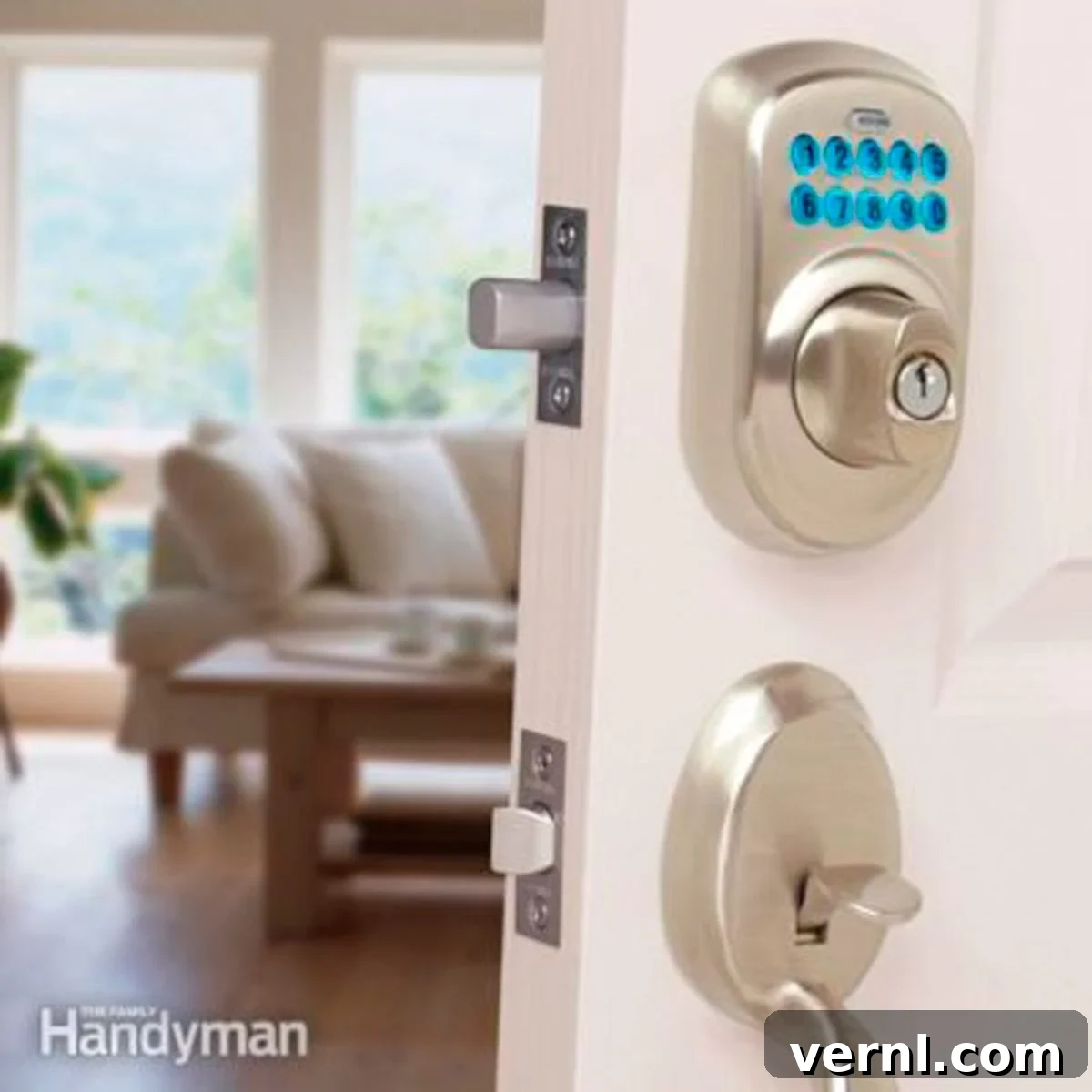
Keyless Entry Systems: Is It Time to Ditch the Key?
Tired of fumbling for your keys? A keyless entry system might be the solution you’ve been searching for. These systems offer the convenience of entering your home without the need for traditional keys, simplifying your daily routine and offering a new level of home security. But are they the right choice for you? Let’s delve into the world of keyless entry systems, exploring their advantages, disadvantages, and installation considerations to help you make an informed decision.
The Convenience Factor: Why Choose a Keyless Entry System?
The primary appeal of a keyless entry system lies in its convenience. Imagine never having to worry about misplacing or losing your keys again. No more frantic searches in the dark, no more lockouts, and no more trips to the locksmith. This alone is a significant advantage for many homeowners.
Beyond the simple convenience, keyless systems offer several practical benefits:
Keyless Entry System Benefits:
- Eliminates the Risk of Lost Keys: Say goodbye to the stress and expense of replacing lost or stolen keys. With a keyless system, you control access through codes or other methods, eliminating the physical vulnerability of traditional keys.
- Easy Access for Guests and Service Providers: Grant temporary access to guests, family members, or service providers without the need for physical keys. Simply create a unique code for each user and disable it when their access is no longer required.
- Enhanced Security Features: Many keyless systems offer advanced security features such as audit trails, which track who enters and exits your home and when. Some systems also integrate with smart home platforms, allowing you to remotely lock or unlock your doors from your smartphone.
- Simplified Home Management: Manage access to your property with ease. No more hiding spare keys under the doormat or giving out keys to multiple individuals.
Unpacking the Disadvantages of Keyless Entry Systems:
While keyless entry systems offer undeniable benefits, it’s crucial to acknowledge the potential drawbacks. Weighing these against the advantages will help you determine if a keyless system aligns with your needs and lifestyle.
Keyless Entry System Drawbacks:
- Reliance on Technology: Keyless systems rely on electricity and electronic components. Power outages can render your system inoperable, potentially leaving you locked out of your home. Always have a backup plan, such as a traditional key, to avoid inconvenience.
- Code Security Concerns: While keyless systems eliminate the need for physical keys, they introduce new security considerations. Your access code is the new “key,” so you must choose a strong, unique code and change it periodically to prevent unauthorized access. The buttons on the keypad can show wear and tear, potentially revealing common codes over time.
- Potential for Hacking: Like any technology, keyless systems can be vulnerable to hacking. While manufacturers are constantly improving security protocols, it’s essential to stay informed about potential vulnerabilities and update your system’s firmware regularly. Consider researching systems with end-to-end encryption to maximize security.
- Cost Considerations: Keyless entry systems typically cost more than traditional deadbolt locks. While the initial investment may be higher, the long-term benefits in terms of convenience and security often justify the expense. Shop around and compare prices before making a purchase.
- Battery Dependency: Most keyless entry systems require batteries. You will need to monitor the battery life to prevent the lock from failing. Having to replace the batteries can be an inconvenience. Look for models with battery-life indicators.
Choosing the Right Keyless Entry System: Features to Consider
If you’ve decided a keyless entry system is right for you, several features can enhance your experience and security. Consider these factors when selecting a system:
- Entry Methods: Keyless entry systems offer various entry methods, including keypads, fingerprint scanners, Bluetooth, and smartphone integration. Consider which methods best suit your needs and preferences. Keypad entry is the most common.
- Connectivity: Some systems offer smart home integration, allowing you to control your lock remotely and receive notifications about access activity. If you’re invested in a smart home ecosystem, choose a system compatible with your existing devices.
- Security Features: Look for features such as encryption, audit trails, and tamper alerts. These features enhance the security of your system and provide peace of mind.
- Durability: Choose a system constructed from durable materials and designed to withstand the elements. Consider the lock’s ANSI grade to ensure it meets industry standards for security and longevity.
- Installation: Decide whether you’ll install the system yourself or hire a professional. Some systems are designed for easy DIY installation, while others may require professional assistance.
- User Capacity: Consider the number of users who will need access to your home and choose a system that can accommodate their codes or profiles.
- Backup Key Access: Most keyless systems come with a traditional key override. It provides access to your home, should the electronics fail or the batteries run low.
Installing Your Keyless Entry System: A Basic Overview
Many keyless entry systems are designed for relatively straightforward DIY installation. However, it’s crucial to follow the manufacturer’s instructions carefully. Here’s a general overview of the installation process:
- Prepare the Door: Remove your existing deadbolt lock and prepare the door for the new system. This may involve drilling additional holes or adjusting the strike plate.
- Install the Exterior Keypad/Mechanism: Attach the exterior keypad or other entry mechanism to the outside of the door, ensuring it’s properly aligned with the latch.
- Install the Interior Components: Secure the interior components, including the motor and battery compartment, to the inside of the door.
- Connect the Wiring (if applicable): Some systems may require wiring to connect the interior and exterior components. Follow the manufacturer’s instructions to ensure proper connections.
- Program the System: Follow the manufacturer’s instructions to program your access codes, connect to your Wi-Fi network (if applicable), and configure any other desired settings.
- Test the System: Test the system thoroughly to ensure it functions correctly. Try entering your code, locking and unlocking the door remotely (if applicable), and checking any other features.
Important Note: If you’re uncomfortable with DIY installation or unsure about any part of the process, it’s always best to hire a professional locksmith or security technician. They can ensure the system is installed correctly and securely.
Maintaining Your Keyless Entry System
Regular maintenance can extend the lifespan of your keyless entry system and ensure its continued performance. Here are some maintenance tips:
- Replace Batteries Regularly: Monitor the battery life indicator and replace batteries when necessary. The frequency of replacement will depend on the system and battery type.
- Clean the Keypad/Sensor: Wipe the keypad or sensor regularly with a soft cloth to remove dirt and debris. Avoid using harsh chemicals or abrasive cleaners.
- Check for Firmware Updates: Stay informed about firmware updates from the manufacturer and install them as needed. Updates often include security enhancements and performance improvements.
- Test the System Periodically: Test the system regularly to ensure it’s functioning correctly. Check the locking mechanism, keypad, and any other features.
- Review and Update Access Codes: Change your access codes periodically, especially if you suspect they may have been compromised or if you’ve granted access to temporary users.
Security Considerations and Best Practices
To maximize the security of your keyless entry system, follow these best practices:
- Choose Strong Access Codes: Select strong, unique access codes that are difficult to guess. Avoid using easily guessable codes, such as your address, birthdate, or phone number.
- Change Codes Regularly: Change your access codes periodically, especially if you suspect they may have been compromised or if you’ve granted access to temporary users. Consider changing codes at least annually, or more often if needed.
- Be Mindful of Your Surroundings: When entering your code, be aware of your surroundings and shield the keypad from view.
- Monitor Access Logs: If your system offers audit trails, monitor the access logs regularly to identify any unauthorized access attempts.
- Secure Your Smart Home Network: If your keyless entry system is connected to your Wi-Fi network, secure your network with a strong password and regularly update your router’s firmware.
- Consider Additional Security Measures: Supplement your keyless entry system with other security measures, such as security cameras and a home security system.
Beyond the Front Door: Exploring Security for Other Entry Points
While keyless entry systems are popular for front doors, consider securing other entry points, such as side doors, back doors, and garage doors. You can choose to use keyless entry systems on those doors as well. Securing all entry points adds another layer of security to your home and protects your valuables.
Conclusion: Is a Keyless Entry System Right for You?
Keyless entry systems offer significant convenience and enhanced security, making them a compelling option for many homeowners. By carefully considering the pros and cons, evaluating the available features, and following best practices for security and maintenance, you can determine if a keyless entry system is the right choice for your home. If you’re looking for convenience, streamlined home access, and increased security, a keyless entry system could be the perfect upgrade.