
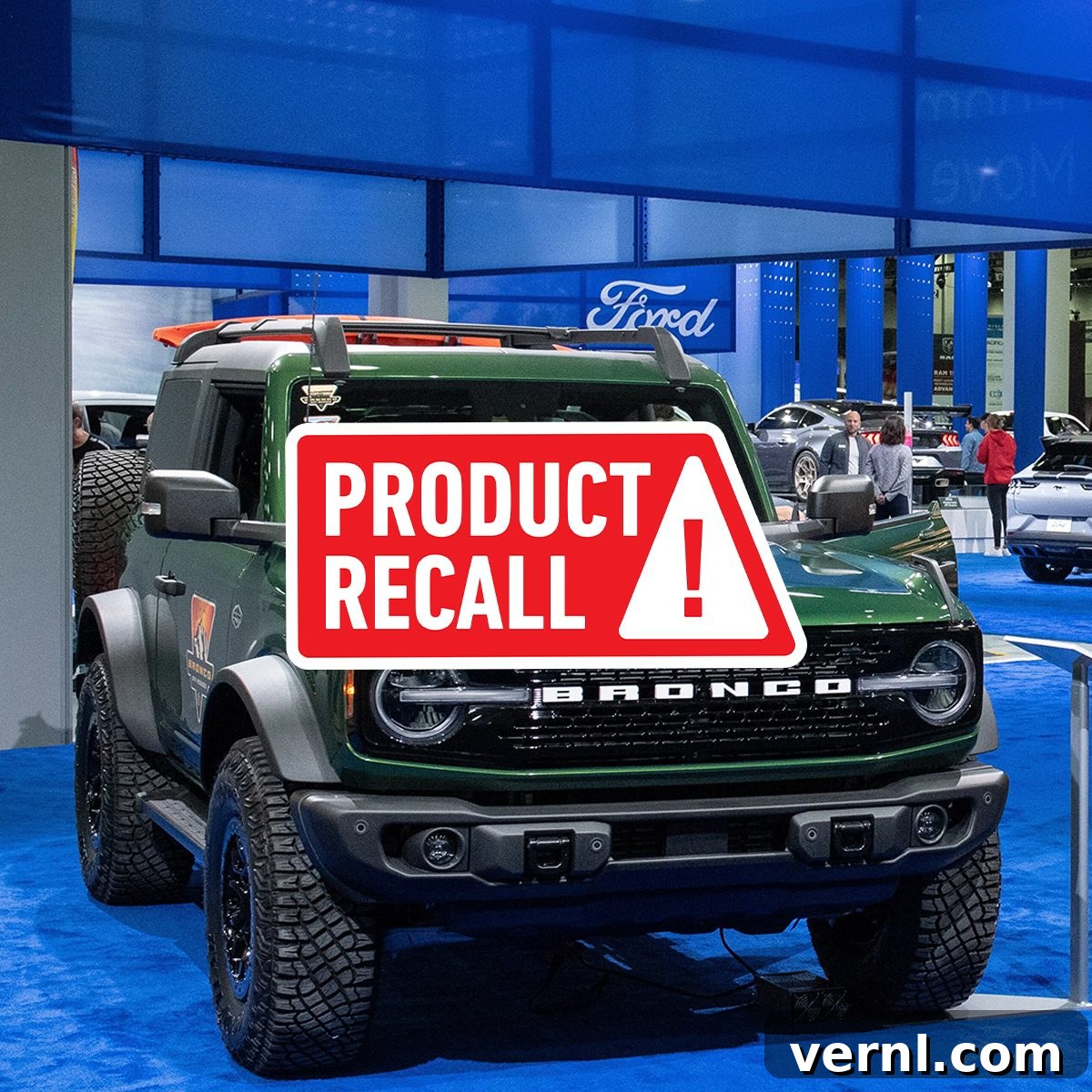
Urgent Safety Alert: Ford Recalls Over 270,000 Vehicles for Critical Battery Issues
In a crucial development for vehicle safety, the Ford Motor Company has announced a widespread recall impacting more than 270,000 of its popular Bronco Sport and Maverick models. This significant action stems from a concerning issue with the vehicles’ 12-volt batteries, which, as reported by the National Highway Traffic Safety Administration (NHTSA), possess a defect that could lead to sudden failure. Such a malfunction presents a serious hazard, not only to the occupants of the affected Ford vehicles but also to other drivers and passengers sharing the roadways.
The urgency of this recall cannot be overstated. While the inconvenience of a dead car battery is a common frustration, this particular defect poses a far graver risk. Imagine navigating busy highways or challenging road conditions only for your vehicle’s power system to abruptly cease functioning. A sudden loss of electrical power or propulsion dramatically increases the likelihood of a crash, transforming a mere inconvenience into a potentially life-threatening situation. Ford owners are strongly advised to address this issue without delay, prioritizing their safety and the safety of those around them.
Understanding the Scope: Which Ford Vehicles Are Included in This Recall?
The recent NHTSA brief provides clear details regarding the specific models and model years implicated in this critical recall. Owners of certain Ford Bronco Sport SUVs and Maverick Trucks need to pay close attention to this announcement. The recall targets a substantial number of vehicles, exceeding 270,000 units, all of which are equipped with the potentially faulty 12-volt battery system. The affected models include:
- 2021 Ford Bronco Sport SUV: Owners of this model year should be vigilant.
- 2022 Ford Bronco Sport SUV: Vehicles from this production year are also part of the recall.
- 2023 Ford Bronco Sport SUV: The most recent model year of the Bronco Sport is affected.
- 2022 Ford Maverick Trucks: Owners of these popular compact trucks need to take action.
- 2023 Ford Maverick Trucks: The latest Maverick trucks are also included in the recall.
Ford has outlined a notification plan for affected owners, indicating that official recall letters will be dispatched via mail in early February 2025. If you own any of the vehicles listed above, it is imperative to keep a close watch on your mailbox for this crucial correspondence. The letter will contain detailed, step-by-step instructions on how to proceed with the necessary repairs. However, considering the potential safety implications, waiting for the official letter may not be the only course of action. Proactive owners can take steps now to verify if their specific vehicle is part of this recall, a process we will detail further.
Why Ford Is Issuing This Significant Recall: The Root Cause of the Danger
The core of this recall lies in a significant defect within the 12-volt battery system of the specified Ford vehicles. The NHTSA’s findings reveal that these faulty batteries are prone to “degradation and sudden failure.” To put it simply, over time or due to inherent manufacturing flaws, these batteries can deteriorate unexpectedly, leading to an immediate and complete loss of functionality.
The consequences of such a sudden battery failure are severe and multifaceted. Modern vehicles rely heavily on the 12-volt battery not just for starting the engine, but also for powering a vast array of critical electrical systems. Should this battery fail:
- Loss of Electrical Accessories: This can encompass essential safety features such as hazard lights, headlights, taillights, and even critical driver-assist systems. Without hazard lights, a stalled vehicle becomes a much greater risk, especially in low visibility conditions or at night.
- Loss of Drive Power: Perhaps the most alarming outcome, a failing battery can directly result in the vehicle losing its ability to accelerate or maintain speed. In many contemporary vehicles, the 12-volt battery plays a crucial role in the operation of the powertrain control module (PCM) and other electronic components vital for engine and transmission function. A sudden loss of drive power can cause the engine to stall or the vehicle to enter a “limp mode,” leaving the driver with severely limited control and potentially stranded in dangerous traffic situations.
Both scenarios, whether it’s the inability to signal distress or the complete loss of propulsion, dramatically elevate the risk of a collision. Imagine attempting to navigate a busy interstate when your vehicle suddenly decelerates without warning, or finding yourself unable to activate your hazard lights on the shoulder of a dark road. These are precisely the perilous situations this recall aims to prevent. Therefore, if you experience any unusual electrical issues or symptoms of battery failure in your recalled vehicle, it is strongly advised to minimize driving until the necessary repairs can be completed.
Your Safety First: How to Remedy the Faulty Batteries Free of Charge
Ford is committed to ensuring the safety of its customers, and as such, they have outlined a clear and cost-free remedy for all affected vehicles. Owners impacted by this recall can take their vehicles to an authorized Ford dealership where technicians will conduct a thorough inspection of the 12-volt battery. Should the battery be identified as faulty or falling within the problematic batch, it will be replaced entirely free of charge.
An important detail highlighted in the NHTSA brief is that some of these vehicles “were previously repaired under 24V-267 and will need to have the new remedy completed.” This indicates that the initial repair might not have fully resolved the issue, or a new, more robust solution has since been developed. Therefore, even if you have previously brought your Bronco Sport or Maverick in for a battery-related service, it is absolutely essential to confirm whether your vehicle has received the most current and comprehensive repair associated with this latest recall (recall number 25S02).
Steps to Take and How to Get Assistance:
- Check Your VIN: Even before receiving your recall letter, you can proactively check if your specific vehicle is affected. Visit the NHTSA recall website (www.nhtsa.gov/recalls) and enter your 17-character Vehicle Identification Number (VIN). This will provide immediate information about any open recalls on your car.
- Schedule Your Service: Once you confirm your vehicle is part of the recall, contact your nearest authorized Ford dealership to schedule an appointment for the inspection and replacement. It’s advisable to do this as soon as possible, as dealerships may experience high demand.
- Prepare for Your Visit: When you call or visit the dealership, be prepared to provide your VIN and mention the recall number (25S02) to streamline the process.
Should you have further questions, require immediate clarification, or prefer not to wait for your owner letter to arrive, both Ford and the NHTSA offer direct lines of communication:
- Contact Ford Customer Service: You can reach Ford directly by calling 1-866-436-7332. When speaking with a representative, make sure to reference Ford’s specific recall number: 25S02. This will help them quickly identify the nature of your inquiry and provide accurate assistance.
- Contact the NHTSA: For additional information or to report a vehicle safety issue, you can contact the National Highway Traffic Safety Administration at 1-888-327-4236. The NHTSA’s recall number for this issue is 25V019000. Their website also provides a comprehensive database for all vehicle recalls.
Beyond the Recall: General 12-Volt Battery Health and Vehicle Maintenance
While this specific recall addresses a manufacturing defect, it also serves as a potent reminder of the critical role the 12-volt battery plays in every modern vehicle. Even if your Ford Bronco Sport or Maverick is not affected by this particular recall, or if you own a different make and model, understanding general battery health and maintenance is paramount for vehicle reliability and safety. The 12-volt battery is not just for starting; it powers everything from the infotainment system and lights to essential electronic control units (ECUs) that manage the engine, transmission, and safety features.
Signs of a failing 12-volt battery can include slow engine cranking, dim headlights, flickering dashboard lights, or a dashboard warning light indicating a battery or charging system issue. Batteries typically last between 3 to 5 years, depending on climate and driving habits. Regular vehicle maintenance, which often includes a battery check, can help identify potential issues before they lead to a breakdown or, worse, a dangerous situation on the road. Always ensure your vehicle’s charging system is functioning correctly, as a faulty alternator can also mimic battery problems or reduce battery life. Proactive maintenance is always the best defense against unexpected vehicle failures.
Your Action Matters: Ensuring Safety on Our Roads
The Ford recall affecting over 270,000 Bronco Sport and Maverick vehicles due to faulty 12-volt batteries is a serious safety matter that demands immediate attention from owners. The potential for sudden battery degradation leading to a loss of electrical accessories or, critically, a loss of drive power, poses an unacceptable risk of collision. Ford’s commitment to providing a free inspection and replacement service, even for vehicles that may have undergone previous related repairs, underscores the severity and urgency of this issue.
We urge all owners of 2021-2023 Ford Bronco Sport SUVs and 2022-2023 Ford Maverick Trucks to act promptly. Do not wait for the official recall letter to arrive in February 2025 if you can take proactive steps now. Utilize the NHTSA website to check your VIN, contact Ford customer service with recall number 25S02, or schedule an appointment with your local dealership without delay. Prioritizing this repair is not just about protecting your investment; it’s about safeguarding your life and the lives of everyone on the road. Stay informed, stay vigilant, and ensure your vehicle is safe to drive.
Source