
The Ultimate Guide to Windshield Wiper Fluid: Keeping Your View Crystal Clear for Safer Driving
As an automotive professional who has dedicated 27 years to General Motors as a master technician, achieved ASE master technician certification since 1978, and is currently preparing the next generation of automotive service experts, I can confidently say that car fluid service is a topic I know inside and out. Among the many essential fluids that ensure a vehicle’s smooth operation and longevity, windshield wiper fluid, commonly known as washer fluid, often goes unnoticed until it’s critically needed. There’s little more frustrating, or indeed more perilous, than finding yourself unable to see through a smear of dirt, road grime, or snow because your washer fluid reservoir is empty, severely compromising your visibility and creating an immediate driving hazard.
While frequently underestimated until a desperate moment, selecting and maintaining the correct windshield wiper fluid is a simple yet profoundly effective way to enhance your driving experience and bolster safety. This extensive guide will explore every facet of this crucial automotive liquid, covering its diverse types, chemical compositions, indispensable maintenance practices, and common misconceptions. A thorough understanding of your wiper fluid options is paramount for sustaining pristine visibility and guaranteeing safety on the road, regardless of weather conditions or driving environment.
The Critical Role of Windshield Wiper Fluid in Enhancing Automotive Safety
For many drivers, windshield wiper fluid might seem like a mere convenience, an item of minor importance. However, its significance extends far beyond simply cleaning your windshield; it is, in fact, a vital element of your vehicle’s active safety ecosystem. Unobstructed visibility is absolutely non-negotiable for safe driving, enabling swift reactions to road hazards, sudden traffic changes, and unforeseen obstacles. Whether you are battling an unexpected downpour, navigating a dusty trail, contending with stubborn bug splatter, or facing the challenging winter mix of snow and corrosive road salt, a fully functional and appropriately chosen washer fluid system is indispensable. Without it, even the most advanced windshield wipers become ineffective, merely smearing debris across your line of sight and creating perilous blind spots. Therefore, comprehending and diligently maintaining your windshield wiper fluid isn’t merely about comfort; it’s a foundational pillar of responsible vehicle ownership and proactive road safety.
Decoding Windshield Wiper Fluid Colors: Beyond Just Visual Appeal
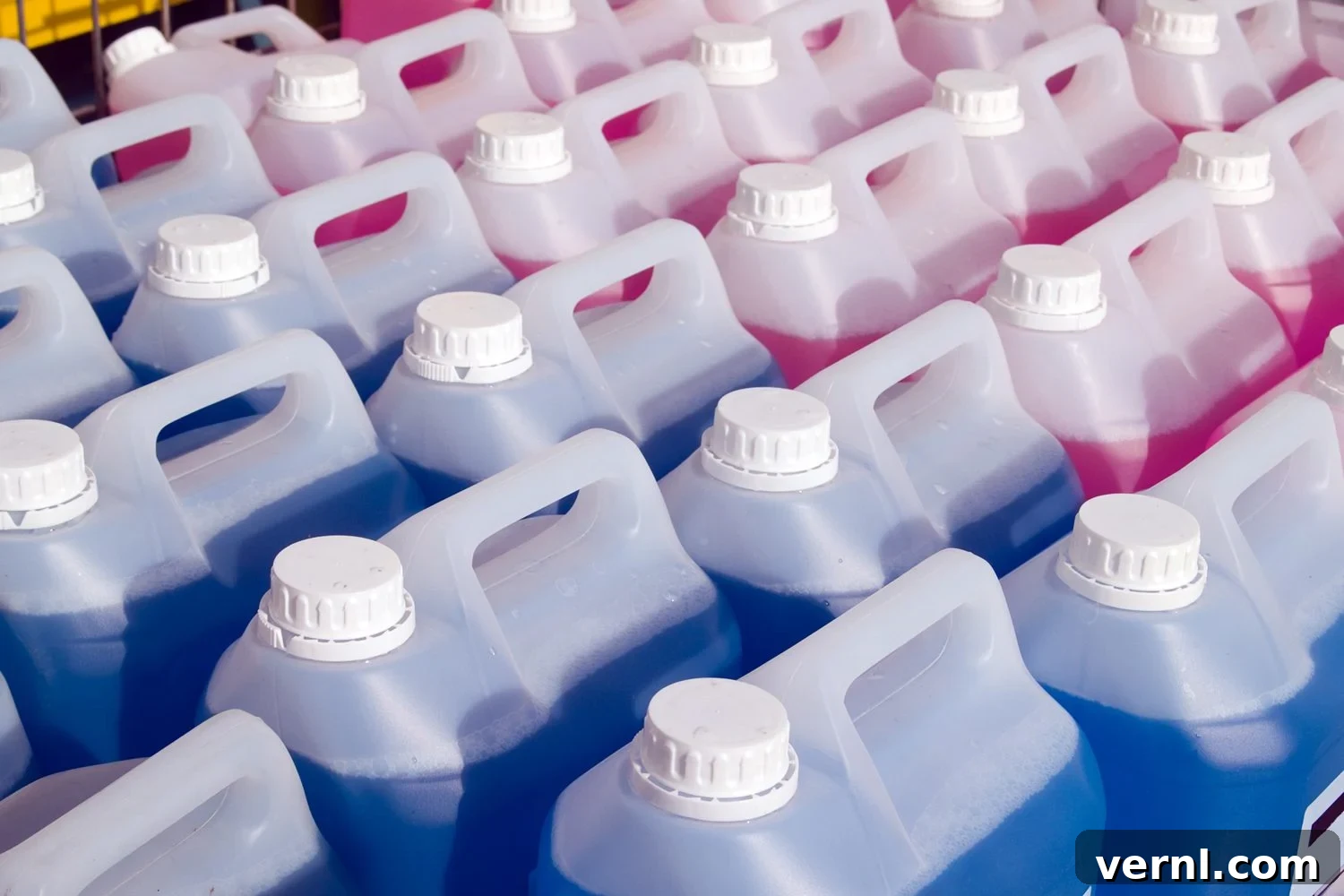
Much like its chemical cousin, antifreeze, windshield wiper fluid is available in a spectrum of colors. Nevertheless, in contrast to the color of antifreeze, which specifically indicates its chemical type and the critical additives original equipment manufacturers prescribe to protect engines from overheating and corrosion, the coloration of windshield wiper fluid currently lacks universal industry standards. Predominantly, these vivid hues serve a cosmetic purpose, functioning as a marketing tool to help consumers quickly differentiate between brands or specific formulations at the point of sale.
Despite the absence of standardized color coding, many manufacturers utilize color as a swift visual indicator of presumed properties or seasonal applications. It is crucial to remember that these are general interpretations, and the actual effectiveness, precise ingredients, and specific instructions will always be thoroughly detailed on the product label. Always prioritize a careful reading of the label over relying solely on color. Below is a general overview of what common colors might signify:
- Blue: This is arguably the most ubiquitous and instantly recognizable color, typically denoting a standard, general-purpose, year-round formula. Blue fluids are generally effective for everyday dust, light road film, and routine cleaning requirements in mild to moderate climatic conditions. They provide basic cleaning capabilities without offering highly specialized features.
- Green: Frequently marketed for use in warmer climates or during summer driving seasons, green formulations often feature enhanced bug-removing properties. These fluids are expertly designed to break down and lift away dried insect residues, which can be particularly adhesive and vision-obscuring on highways during periods of higher insect activity.
- Orange: Typically signaling an all-season formula imbued with de-icer capabilities, orange fluid is specifically engineered to combat colder weather conditions. It is effective in dissolving light ice formations on the windshield and helps to melt road salt and slush, thereby preventing re-freezing during winter travel, ensuring continuous clear vision.
- Yellow: Specifically developed for the most severe winter environments, yellow wiper fluids typically incorporate powerful de-icing agents. These are formulated to rapidly melt ice off the windshield and offer superior freeze protection, frequently remaining effective down to extreme temperatures as low as -34 degrees Fahrenheit (or -37 degrees Celsius), rendering them ideal for regions experiencing harsh winters.
- Purple: Less commonly encountered but available, purple fluids often indicate concentrated formulations. These necessitate dilution with water prior to use and are generally designed for summer applications, delivering robust cleaning power for general grime and light bug residue. Their concentrated nature makes them an economical option, provided proper dilution ratios are strictly followed.
Irrespective of the appealing color, the ultimate determinant of a fluid’s suitability for your vehicle rests squarely on its label. Pay meticulous attention to its stated intended use, its temperature rating, and any specific warnings or recommendations. For instance, if your vehicle is equipped with a sophisticated rain-sensing wiper system, the selection of a washer fluid that explicitly promotes “streak-free” or “low-residue” performance is absolutely vital. Residual film left on the windshield by inferior fluids can disrupt the sensitive infrared sensor positioned near the rearview mirror, potentially causing the wipers to activate unnecessarily, even in the absence of rain, or to operate erratically. Therefore, an informed choice, guided diligently by the product label, consistently represents the best option for achieving optimal performance and ensuring unwavering safety.
Does It Matter What Windshield Wiper Fluid I Use? Absolutely It Does.
The widespread belief that “any wiper fluid will suffice” is a common misapprehension that can lead directly to suboptimal cleaning performance and, more significantly, potential damage to your vehicle, particularly when considering your local climate and typical driving conditions. While a standard blue washer fluid is generally adequate for most routine cleaning tasks in temperate regions, the judicious selection of the appropriate fluid becomes critically important under specific environmental and operational circumstances:
- For Residents of Colder Climates: If you live in colder climates that experience frequent snowfall, icy conditions, and prolonged sub-freezing temperatures, the use of a wiper fluid containing a de-icer is absolutely essential. Standard fluids, especially those with a high water content, will simply freeze solid on your windshield upon contact, rendering your wipers completely useless and instantly creating a severe safety hazard. De-icing formulations are specifically engineered to ensure that accumulated ice and frost melt away rapidly, critically preventing the fluid itself from freezing upon impact with a cold windshield, thus offering continuous and uncompromised clear visibility.
- For Drivers Frequenting Highways with Abundant Bugs: Motorists who spend considerable time on highways, particularly during the warmer months, are intimately familiar with the pervasive issue of bug splatter. These protein-rich residues can swiftly obscure your view and are notoriously challenging to dislodge with conventional fluids. Therefore, opting for a bug remover windshield wiper fluid is highly recommended. These specialized formulas contain potent detergents and solvents specifically designed to break down tough insect proteins and effectively lift them away, maintaining clear vision even after extended periods of driving through insect-dense areas.
- For Vehicles Equipped with Rain-Sensing Wipers: As previously emphasized, vehicles featuring advanced rain-sensing technology demand streak-free formulations to preclude sensor interference and guarantee reliable and precise wiper activation.
- For General Daily Commuting: Even for routine city driving, a high-quality, all-season fluid that efficiently tackles dust, pollen, and light road grime without leaving streaks offers considerable advantages in terms of consistent visibility and driver comfort.
Making an informed and deliberate decision regarding your wiper fluid is a seemingly minor yet profoundly impactful step in ensuring year-round driving safety and comfort. Investing in the appropriate fluid tailored to your specific driving needs and environmental conditions will consistently yield significant returns in terms of clear vision, reduced stress, and enhanced peace of mind on every journey.
The Science Behind the Clean: Unpacking Windshield Wiper Fluid Ingredients
Unlike numerous other automotive fluids, there are no stringent federal or international regulations dictating the precise ingredient composition of windshield wiper fluid. This regulatory flexibility affords manufacturers a significant degree of latitude in developing their formulations, leading to a diverse array of products available in the marketplace. At its fundamental core, the fluid is predominantly water, but it is the meticulously selected additives that imbue it with its potent cleaning capabilities, critical freeze protection, and other specialized attributes. Common constituents typically include:
- Water: Serving as the primary solvent, water is typically deionized or distilled to rigorously prevent the formation of mineral deposits and unsightly streaks on the glass.
- Alcohols (Methanol, Ethanol, Isopropyl, or Denatured Alcohol): These compounds are indispensable for providing freeze protection and function as powerful solvents that effectively break down grease and grime. Methanol, while highly effective, has garnered significant safety concerns due to its inherent toxicity and flammability, prompting many manufacturers to transition towards ethanol or isopropyl alcohol, which are generally regarded as safer alternatives. Denatured alcohol, a form of ethanol rendered undrinkable, was once prevalent but can be corrosive to specific vehicle paints and finishes if not accurately formulated.
- Ammonia: A potent cleaning agent, ammonia is particularly effective at tackling grease and stubborn bug residue. However, ammonia can potentially inflict harm upon certain window tints, chrome accents, and rubber components, leading many contemporary formulations to either avoid its inclusion or utilize it in extremely low concentrations.
- Dyes: These are incorporated solely for aesthetic purposes, assisting consumers in visually identifying and distinguishing the product (as previously discussed in the section on colors).
- Mild Degreasers and Detergents: These surface-active agents, known as surfactants, play a crucial role by reducing the surface tension of water, thereby enabling the fluid to spread uniformly across the windshield and efficiently lift away dirt, oily films, and grime. They are fundamental to preventing streaks and ensuring a truly thorough and spotless clean.
- Ethylene Glycol (Antifreeze): In certain specialized winter formulations, a minimal quantity of ethylene glycol might be added to bolster freeze protection, although its use is less common than that of alcohols.
- Surfactants: These are the often-unrecognized heroes of wiper fluid. Chemicals such as polyglycol ethers enhance the fluid’s ability to “wet” the glass more effectively and facilitate the smooth gliding of the wiper squeegees, allowing them to uniformly spread the washer fluid, resulting in a more consistent and highly effective cleaning action.
The prevailing trend in modern formulations is a clear movement towards safer, more sustainable, and environmentally conscious ingredients. A growing number of manufacturers are phasing out methanol and harsh denatured alcohols due to their hazardous nature and documented potential to inflict damage on vehicle paint or trim over prolonged periods. Always consult the product label for precise ingredient information and critical safety instructions.
Windshield Wiper Fluids Free of Harsh Solvents
For individuals who prioritize formulations free of harsh chemicals, are environmentally conscious, or are concerned about potential damage to delicate vehicle finishes, several reputable brands offer advanced solutions free from traditional solvents. These innovative products typically rely on sophisticated detergents and alternative, safer alcohols for their cleaning efficacy and freeze protection properties:
- Prestone Bug Wash (frequently characterized by its green hue) stands out as a prominent example. It is meticulously formulated without harsh chemicals or volatile organic compounds (VOCs), making it an exemplary choice for summer use. Its primary focus is on exceptionally effective bug removal without the attendant environmental or chemical safety concerns often associated with more aggressive formulations.
- Rite-Kem Bio-Clean windshield wiper fluid concentrate (available in a selection of colors) represents another excellent environmentally responsible alternative. This product boasts biodegradability and explicitly states that it contains no ammonia, VOCs, harsh solvents, or other caustic ingredients or agents. It is important to note, however, that for comprehensive winter applications requiring freeze protection, you would typically need to separately add ethanol or isopropyl alcohol to this concentrate to achieve the necessary performance at low temperatures.
Safety First: When handling any type of wiper fluid, particularly those containing alcohols or methanol, always make safety your absolute paramount concern. These substances are inherently flammable. Always utilize a funnel when carefully pouring these fluids into your vehicle’s windshield wiper fluid reservoir to rigorously prevent spills. In the unfortunate event of a spill, immediately clean it thoroughly and abundantly with fresh water to prevent potential damage to paint or other vehicle surfaces and to meticulously eliminate any fire hazards. Always store these products securely in their original containers, away from any heat sources, open flames, and crucially, out of the reach of children and pets.
The Dangers of Substituting Plain Water for Windshield Wiper Fluid
While it may appear to be a swift and economical temporary solution in a moment of urgent need, substituting plain tap water for a specially formulated windshield wiper fluid is a practice that is unequivocally discouraged and carries the significant risk of leading to multiple, severe problems:
- Significantly Reduced Cleaning Ability: Water, by itself, fundamentally lacks the sophisticated blend of detergents, degreasers, and surfactants meticulously engineered into dedicated washer fluids. This means it will be substantially less effective at cutting through tenacious road grime, oily films, dried bug splatter, and other stubborn debris. Instead of cleaning, it will often merely smear these contaminants across your windshield, drastically diminishing visibility. You will inevitably consume more water while failing to achieve a genuinely clean and clear view.
- Formation of Streaks and Mineral Deposits: Tap water, especially in hard water regions, contains various minerals that can leave behind unsightly streaks and noticeable water spots on your windshield as it dries. These mineral deposits can accumulate over time, further impeding visibility and potentially creating an abrasive surface that can prematurely wear down your wiper blades.
- Severe Freezing Hazard: Most critically, plain water will freeze solid when ambient temperatures plummet below 32 degrees Fahrenheit (0 degrees Celsius). This specific risk can precipitate a costly and highly inconvenient cascade of issues. Water contained within the washer fluid reservoir can freeze, expand forcefully, and potentially crack or rupture the reservoir itself. Furthermore, it can freeze within the delicate hoses, the fine nozzles, and the washer pump, causing these critical components to burst or fail entirely. The replacement of these damaged parts can entail a substantial repair expense, far outweighing any perceived, short-term savings from using plain water.
- Risk of Bacterial and Mold Growth: Stagnant water left within the reservoir, particularly during warmer months, can transform into an undesirable breeding ground for various bacteria and mold. This can result in unpleasant odors emanating from the system and, in rare instances, potentially pose health risks if airborne pathogens are sprayed onto the windshield and subsequently enter the vehicle’s cabin ventilation system.
In conclusion, while plain water can offer a momentary rinse for a windshield, it is absolutely no substitute for the carefully engineered properties of dedicated washer fluid. The considerable risks of severely diminished cleaning performance, persistent streaking, and catastrophic freezing damage overwhelmingly outweigh any fleeting, short-term benefit. Always ensure your reservoir is adequately filled with an appropriate, temperature-rated windshield wiper fluid tailored to your environmental conditions.
Can You Make Your Own Windshield Wiper Fluid? DIY Recipes and Crucial Warnings
Yes, numerous car enthusiasts and financially prudent individuals frequently explore homemade windshield wiper fluid recipes. The allure of DIY solutions is clear: they are often significantly more affordable than commercial products and can be formulated using more eco-friendly ingredients. However, it is absolutely paramount to approach homemade solutions with extreme caution, paying meticulous attention to all ingredients and their potential adverse effects on your vehicle. Below is a foundational, popular recipe suitable for summer-friendly use, along with a critical adaptation for winter conditions:
Basic Summer Windshield Washer Fluid Recipe:
- 32 ounces of white vinegar: White vinegar acts as a natural degreaser and a mild acid, which effectively helps to break down grime and dissolve mineral deposits. It is crucially important to use only white vinegar; other varieties of vinegar, such as apple cider or balsamic, contain sugars and pigments that can potentially stain your vehicle’s paintwork or the windshield glass.
- 96 ounces of water: Preferably, distilled water should be used to rigorously avoid mineral deposits and streaking. If distilled water is not readily available, filtered water represents a significantly better alternative than standard tap water.
- Three or four drops of Dawn dish detergent: A minimal quantity of mild dish soap functions as an effective surfactant, aiding the mixture in spreading evenly and lifting dirt efficiently. Avoid using an excessive amount, as copious suds can be challenging to rinse away and may leave undesirable residue.
- Clean one-gallon jug: For the purpose of thorough mixing and secure storage. Ensure the jug is impeccably clean to prevent any contamination of the fluid.
- Mixing Instructions: Combine all specified ingredients in the clean jug and mix them thoroughly until well blended. Subsequently, carefully pour the prepared solution into your vehicle’s washer fluid reservoir, ideally utilizing a funnel to prevent spills.
Winter Adaptation (for essential freeze protection):
- For cold winter weather conditions, modify the basic recipe by reducing the white vinegar to 16 ounces and replacing the removed 16 ounces with an equal volume of 16 ounces of isopropyl alcohol (common rubbing alcohol). This critical substitution significantly lowers the freezing point of the entire mixture, providing necessary protection against freezing.
- Ensure the solution is thoroughly mixed. The isopropyl alcohol provides the indispensable freeze protection, while the reduced quantity of vinegar continues to offer some beneficial cleaning properties.
A Crucial and Grave Warning on DIY Ingredients: My extensive professional experience unequivocally underscores the absolute necessity of exercising meticulous caution and paying unwavering attention to every ingredient when preparing homemade windshield wiper fluid. I distinctly recall a harrowing incident from my past: It was snowing heavily, my washer reservoir was empty, and, unexpectedly, the dealership where I was employed had run out of commercial washer fluid. Desperate for a solution to ensure a safe journey home, a colleague from the body shop suggested using their available “alcohol,” advising a simple 50/50 mix with water, confidently assuring me, “It’ll be fine.” Regrettably, what I mistakenly retrieved was industrial-grade denatured alcohol. The consequences were severe and enduring; the following week, I discovered that the denatured alcohol had irrevocably stained and etched the paint on both the roof and hood of my vehicle, necessitating a costly and extensive full repaint. This true and unfortunate story serves as a stark and unyielding reminder: Never, under any circumstances, use industrial solvents, harsh chemicals, or any substance not explicitly and safely recommended for automotive applications. Always err on the side of extreme caution. If there is any doubt whatsoever regarding an ingredient, always opt for commercially produced, reputable products.
Can I Mix Different Color Windshield Wiper Fluid? It Is Not Recommended.
While combining different types or colors of washer fluid typically does not pose an inherent danger in terms of creating a hazardous chemical reaction, it is generally and strongly not recommended as it can lead to significantly suboptimal performance. The primary rationale against mixing fluids is that it invariably dilutes the specific benefits and specialized properties of each individual formulation. For example:
- If you mix a highly effective de-icing fluid with a standard bug-removing fluid, the likely outcome will be a concoction that is notably less effective at both de-icing and bug removal. The concentrations of the active ingredients specifically designed for each function will be diminished, thereby reducing their overall efficacy.
- Different fluid formulations may incorporate a variety of surfactants and detergents that, when indiscriminately combined, could potentially lead to an increase in streaking or the undesirable accumulation of residue on your windshield. While not a frequent occurrence, some specific formulations might even exhibit minor incompatibilities, resulting in subtle clouding or a separation of components within the reservoir over time.
- For vehicles equipped with sophisticated rain-sensing wipers, mixing different fluids can complicate the task of maintaining a consistently streak-free windshield environment, potentially interfering with the accuracy and reliable operation of the sensor.
If you absolutely find yourself in a situation where you must mix fluids (for instance, in an emergency where you only possess a partial bottle of one type and another on hand), endeavor to use fluids from the same brand or those with closely similar general purposes. However, the absolute best practice is to always fully drain and flush your reservoir when contemplating a switch to a different type of fluid, or simply to top off with the identical product to meticulously maintain consistent and reliable performance. This diligent approach ensures that you consistently derive the maximum benefit from the specialized formula you have consciously chosen.
Pro Tip: It is imperative to understand that even the most advanced and highly effective windshield wiper fluid cannot compensate for worn or damaged wiper blades. Make it a regular habit to inspect your wiper squeegees thoroughly for any signs of cracks, tears, hardening, or any other visible indications of deterioration. Replace them at least once per year, or even sooner if you observe symptoms such as streaking, chattering noises, or an incomplete clearing of the windshield surface. A perfect fluid coupled with faulty blades is a surefire recipe for compromised visibility and an unsafe driving experience.
Beyond the Fluid: Comprehensive Windshield Washer System Care
In my extensive professional experience, the windshield washer fluid reservoir and its interconnected components are consistently among the most overlooked maintenance items within our vehicles. It is insufficient to merely fill the reservoir; periodic inspection and meticulous cleaning are absolutely essential to ensure the entire system functions with optimal effectiveness and reliability.
- Reservoir Inspection: Over time, particularly if incompatible fluids have been mixed, or if standard tap water has been used, the reservoir can unfortunately accumulate scum, sludge, sediment, or even develop rust (especially if internal components are metallic). This unwelcome buildup can severely clog the washer fluid filter, restrict the unimpeded flow through the connecting hoses, or, even worse, inflict damage upon the delicate washer fluid pump. If you notice any discoloration or debris within the fluid, or experience a noticeable reduction in spray pressure, it is a strong indicator that it may be time to inspect and potentially clean or, if necessary, replace the reservoir.
- Washer Pump and Hoses: The washer pump bears the critical responsibility of delivering fluid to the spray nozzles. Should it become clogged or fail, no fluid will reach your windshield, rendering the system inoperative. You may need to replace the windshield washer pump if it ceases to function. The connecting hoses can also develop cracks or become disconnected over time due to wear and tear or exposure to elements, leading to inconvenient leaks.
- Nozzle Maintenance: The small, yet vital, spray nozzles located on your hood or cowl are susceptible to becoming clogged with dried wax, accumulated dirt, or residual dried fluid. Utilize a small pin or a fine needle to gently clear any blockages, ensuring that a wide, even, and effective spray pattern is restored.
Diligently maintaining a clean and fully functional windshield washer system is absolutely critical for ensuring continuous safety and significantly extends the operational life of its components. A small amount of proactive care and attention goes a very long way in guaranteeing clear and unobstructed vision under all possible driving conditions.
Conclusion: Prioritizing Clarity for a Safer and More Confident Drive
The humble windshield wiper fluid, while often an afterthought in routine vehicle maintenance, stands as a silent yet crucial guardian of your driving safety. From discerning the subtle nuances behind its varied colors and understanding the critical role of its constituent ingredients, to making informed choices appropriate for your specific climate and knowing the inherent risks of improper substitutions like plain water or untested DIY concoctions, every detail concerning this fluid truly matters. Ensuring that your reservoir is consistently filled with the correct, high-quality fluid, coupled with regular and meticulous maintenance of the entire washer system and the use of healthy, effective wiper blades, represents a small but profoundly significant step towards maintaining optimal visibility. As I invariably emphasize to my students and fellow automotive technicians, an absolutely clear and unobstructed view of the road ahead is fundamentally non-negotiable. Never underestimate the immense power of proper fluid selection and diligent care in safeguarding both you and your passengers on every single journey.