As the days grow longer and the chill of winter recedes, spring ushers in an ideal opportunity to rejuvenate your home and tackle those essential outdoor projects. The season of renewal is not just for gardens; it’s a critical time to assess and address any wear and tear accumulated over the colder months. With the threat of harsh winter storms behind us, you can now focus on identifying potential damage, making necessary repairs, and preparing your entire property for the vibrant summer ahead. Proactive spring maintenance not only enhances your home’s curb appeal and comfort but also safeguards its long-term value and prevents costly issues down the line.
We’ve consulted with Victor Sedinger, a certified home inspector and owner of House Exam Inspection and Consulting, to gather invaluable insights and practical advice. From ensuring proper irrigation to fortifying your home against pests like mosquitoes and termites, our comprehensive guide covers everything you need to know to maintain a healthy, resilient, and beautiful home this spring.
Clear and Repair Gutters and Downspouts
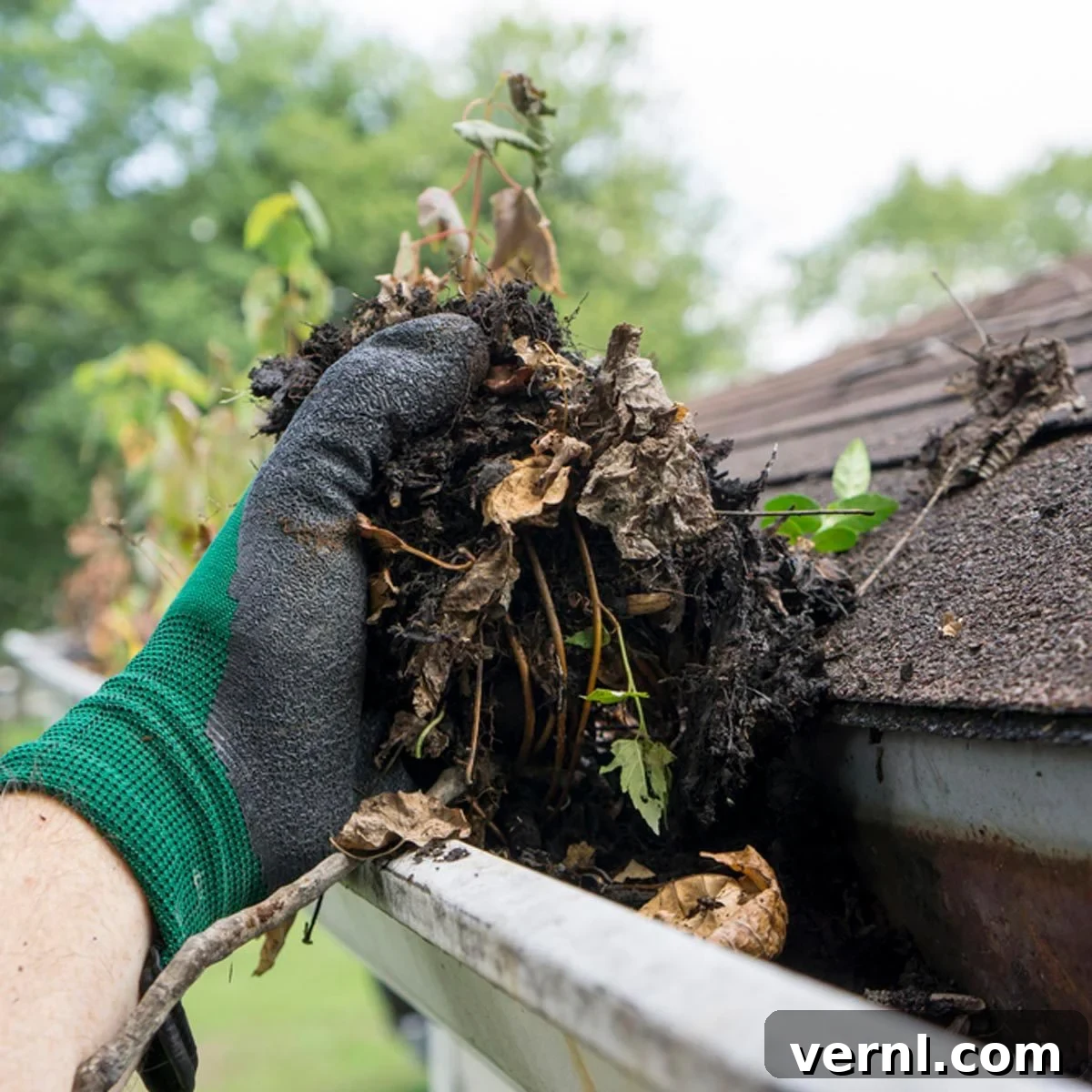
After the last vestiges of winter have faded, one of the most crucial tasks is to ensure your gutters and downspouts are impeccably clean and in good repair. These seemingly simple components play a vital role in protecting your home’s structural integrity. “Clogged gutters and downspouts create a cascade of problems,” explains Sedinger. “They can cause the wood trim at the eaves to rot, which then acts as an open invitation for all sorts of critters, from insects to rodents, to make their way into your attic space and potentially other areas of your home.”
Beyond pest deterrence, clear gutters are essential for effective water management. Spring rains can be intense, and a compromised drainage system can lead to significant damage. Sedinger emphasizes, “Gutters and downspouts should be clean and running free, directing water efficiently away from your home. If your downspouts are installed properly, water is diverted several feet from the foundation, preventing it from collecting around the perimeter. Water accumulation near the foundation can lead to serious issues, including basement leaks, cracked foundations, and even soil erosion, undermining the stability of your home.” Taking care of this early in the season can prevent costly water damage and protect your home’s foundation.
Reseal and Repair Exterior Woodwork
The relentless exposure to sun, rain, and fluctuating temperatures takes a toll on all exterior wood surfaces. Decks, fences, railings, trellises, pergolas, and other wooden structures are significant investments that require regular attention. To prolong their lifespan and preserve their aesthetic appeal, it’s imperative to stain or reseal them every one to two years. This protective layer acts as a shield against moisture, UV radiation, and mildew growth, preventing the wood from drying out, cracking, warping, or rotting.
Spring offers the perfect weather window for these tasks, with moderate temperatures and lower humidity ideal for proper drying and adhesion of stains or sealants. Before applying any new finish, take the time to thoroughly clean the wood surface, removing any dirt, grime, or peeling paint. This is also an opportune moment to conduct a meticulous inspection for any signs of damage. Look for loose nails, splintered boards, or weakened joints and address these repairs promptly. Reinforcing these structures now can prevent accidents and significantly extend their functional life, ensuring your outdoor spaces remain safe and beautiful for years to come.
Vigilantly Check for Signs of Termites
Spring marks the beginning of termite swarming season, typically from March through May or June, making it a critical period for heightened vigilance against these destructive pests. Termite colonies send out winged reproductive termites (swarmers) to establish new colonies, often mistaken for flying ants. “If you observe a cluster of winged insects emerging from a small hole in any woodwork, especially around windows, doors, or foundation cracks, it’s highly probable you’re dealing with termites,” warns Sedinger. “Ignoring these early warning signs can lead to extensive and costly structural damage to your home.”
Termites are notorious for their ability to silently consume wood from the inside out, often leaving little visible evidence until significant damage has occurred. Beyond swarmers, other indicators of termite activity include mud tubes along your foundation walls, discarded wings near windowsills, or wood that sounds hollow when tapped. If you suspect termite presence, it is paramount to contact a licensed professional pest control company immediately. Attempting DIY termite eradication is rarely effective and can allow the infestation to worsen. “Engaging a professional early on will undoubtedly save you significant money and considerable trouble in the long run, protecting your home’s structural integrity and your peace of mind,” advises Sedinger.
Thoroughly Inspect the Roof
Winter storms, with their heavy snow, ice, and strong winds, can inflict considerable damage on your roof, making spring the ideal time for a comprehensive inspection. You don’t need to risk climbing onto the roof yourself for an initial assessment. “A simple visual inspection from the ground using binoculars or a smartphone with a telephoto lens is often sufficient for a preliminary check,” Sedinger recommends. “Look for any missing, cracked, curled, or damaged shingles. Pay close attention to the integrity of metal pipes, vents, and flashing around chimneys, skylights, and valleys, as these are common areas for leaks. Any deviation from what looks ‘right’ warrants further investigation.”
Beyond visible damage, also look for excessive granule loss from shingles, which indicates they are nearing the end of their lifespan, or any sagging areas that could point to underlying structural issues. Ignoring minor roof damage can lead to water penetration, rot, mold growth, and compromised insulation within your attic and home. If your visual inspection reveals anything concerning or if you suspect deeper issues, it’s always best to err on the side of caution and promptly call a reputable roofer for a professional, detailed inspection and necessary repairs. Timely roof maintenance is key to protecting your entire home from the elements.
Plan and Execute Exterior Painting
If repainting your home’s exterior is on your agenda for the year, spring provides the perfect window to initiate this significant project. The milder temperatures and lower humidity levels characteristic of spring create optimal conditions for paint application and curing, ensuring a durable and long-lasting finish. A fresh coat of paint not only dramatically boosts your home’s curb appeal but also provides an essential protective barrier against weather elements, preventing moisture penetration and deterioration of siding materials.
Beyond the functional benefits, painting offers an excellent opportunity to refresh your home’s aesthetic. Struggling to select the perfect hue? Draw inspiration from your surroundings: explore your neighborhood and capture photos of house colors that catch your eye. Browse the vast collection of outdoor home photos on platforms like Houzz for a wealth of ideas, or consider consulting with a professional color consultant. They can help you navigate color palettes, consider architectural styles, and ensure you choose a hue that complements your home’s character and surroundings. Proper surface preparation, including cleaning, scraping loose paint, and priming, is crucial for a smooth and enduring finish, making spring an ideal time to invest in this transformative home upgrade.
Inspect and Repair Driveways and Paths
The freeze-thaw cycles of winter can be particularly brutal on hardscaping materials such as concrete, asphalt, pavers, and stone. As spring arrives, take a leisurely walk around your property, paying close attention to your walkways, paths, and driveways. Look for any new cracks, potholes, uneven surfaces, or crumbling edges. These imperfections are not merely aesthetic; they can pose significant tripping hazards for residents and visitors, and if left unaddressed, will only worsen with continued exposure to weather and traffic.
Asphalt surfaces often lend themselves well to patching and sealing, which can extend their life and restore their smooth appearance. For concrete, smaller cracks can sometimes be sealed, but extensive damage such as large cracks, significant heaving, or widespread spalling may necessitate professional repair or even complete replacement of sections. Timely inspection and repair of your hardscapes not only enhance the overall appearance of your property but also ensure safe passage, prevent further degradation, and protect your investment in these essential outdoor features.
Check Sprinkler and Irrigation Systems
With warmer weather approaching and garden beds awaiting hydration, ensuring your sprinkler and irrigation systems are in top working order is paramount. A well-maintained system conserves water, promotes healthy plant growth, and prevents water waste. Sedinger offers these essential tips for a thorough spring check-up:
- Manual System Run-Through: Activate each zone of your irrigation system manually and walk the entire property as it operates. This hands-on approach allows you to directly observe the performance of every component.
- Inspect for Damage: Carefully check all sprinkler heads for any signs of breakage, cracks, or clogs. Damaged heads can spray erratically, fail to pop up, or simply not deliver water effectively.
- Adjust Spray Patterns: Observe where each sprinkler head is directing water. Adjust any heads that are spraying directly onto your house, especially windows, walls, or siding. Misdirected water can lead to moisture problems, rot, mold growth, and increased utility bills.
- Prevent Water Waste: Reposition heads that are spraying water onto the street, sidewalk, or porches. This not only wastes a valuable resource but can also create slippery hazards and contribute to runoff pollution.
- Consider Professional Assistance: If you’re unsure about how to properly maintain, adjust, or repair your sprinkler system, it’s highly recommended to call a professional irrigation specialist. “They can ensure optimal performance, identify hidden issues, and set up an efficient watering schedule,” says Sedinger. “Investing in professional service can lead to substantial savings on your water bill and plays a crucial role in protecting one of our most valuable natural resources.”
Implement Mosquito Prevention Strategies
In recent years, the awareness of the potential health risks posed by mosquitoes has significantly increased, with diseases like West Nile virus and Zika virus serving as stark reminders of their danger. The most effective strategy for preventing mosquito populations around your home is to eliminate any sources of standing water. Mosquitoes require stagnant water to lay their eggs, with larvae developing rapidly in even small accumulations.
“Conduct a thorough ‘mosquito audit’ of your property,” advises Sedinger. “Walk around and meticulously inspect every nook and cranny. Look into bird baths, old tires, clogged gutters, tarps with depressions, planter saucers, children’s toys left outside, and any other containers that can hold water. If you identify any area or object where water stands for more than a few days, take action: fix it if it’s a structural issue like a leaky faucet, tip it over, get rid of it, or commit to maintaining it regularly, such as changing bird bath water every couple of days. Even peek into your neighbors’ yards if appropriate, as mosquitoes don’t respect property lines.” By diligently eliminating breeding grounds, you can significantly reduce the mosquito population and create a safer, more enjoyable outdoor environment for your family.
Check and Repair Screen Doors and Windows
Screen doors and windows are invaluable for welcoming fresh breezes into your home while simultaneously keeping bothersome insects out. However, their effectiveness hinges entirely on their condition. Before the truly warm months arrive and you begin relying on natural ventilation, make it a point to carefully inspect every screen for holes, tears, or loose framing. Even the smallest tear can be an entry point for mosquitoes, flies, and other pests, defeating the purpose of the screen.
Repairing screens is a relatively simple and inexpensive task. Most hardware stores and home improvement centers stock readily available screen repair kits, which often include patches, spline, and a spline roller. Small holes can be patched, while larger tears might require replacing a section of the screen material or even the entire screen if the damage is extensive or the frame is warped. Taking the time to ensure all your screens are intact and properly fitted will enhance your indoor comfort, improve air circulation, and keep unwanted guests from bugging you throughout the warmer seasons.
Schedule Air-conditioning Service
As temperatures rise, your air-conditioning system will become indispensable, but its efficiency and longevity depend heavily on regular maintenance. “Home inspectors frequently encounter air-conditioning systems that have been neglected,” notes Sedinger. “Just because it still cools your home doesn’t necessarily mean it’s operating efficiently or performing optimally.” A neglected AC unit can consume more energy, leading to higher utility bills, and is more prone to unexpected breakdowns during peak summer heat.
To maximize the lifespan of your cooling system and ensure it runs as efficiently as possible, a few key steps are crucial. Firstly, make it a habit to change the air filters at least once each season, or more frequently if you have pets or allergies. Clogged filters restrict airflow, forcing your unit to work harder. Secondly, before the summer heat truly sets in, it is highly advisable to hire a licensed professional to service your equipment. A professional tune-up typically includes checking refrigerant levels, cleaning coils, inspecting electrical components, lubricating moving parts, and ensuring the thermostat is calibrated correctly. This proactive maintenance can prevent costly repairs, improve indoor air quality, and keep your home comfortably cool all summer long while saving you money on energy costs.
Related Links:
- 17 Ways to Increase Your Home’s Curb Appeal
- Enjoy the Outdoors With a New Awning
- Browse More Inspirational Outdoor Photos