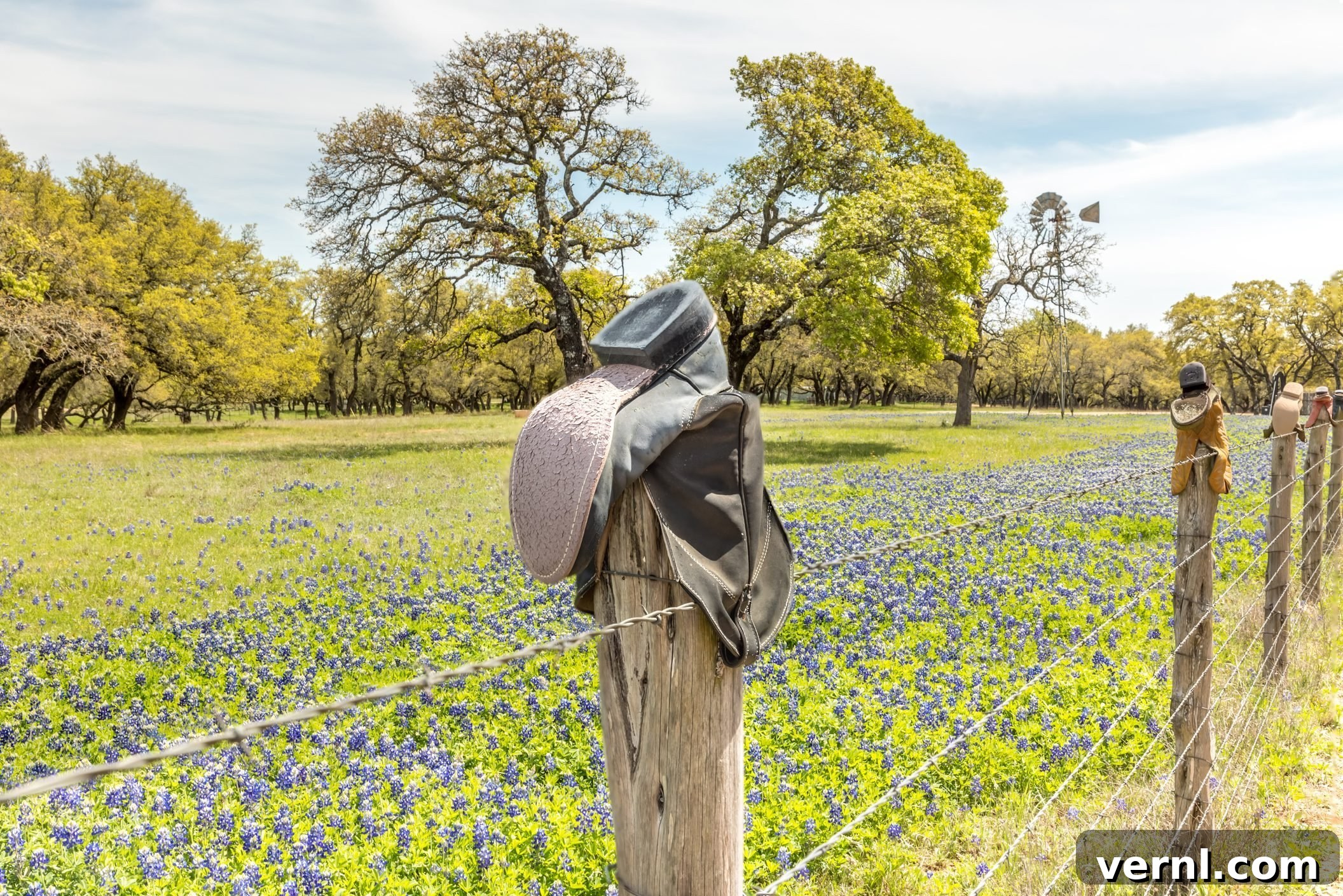
Unraveling the Mystique of Ranch Traditions: The Profound Stories Behind a Boot on a Fence Post and Other Rural Customs
From the bustling heart of a metropolis to the tranquil expanse of the countryside, human cultures are rich tapestries woven with unique customs and practices. Among these, the enduring legacy of American cowboy culture, deeply rooted in ranch life, stands out as a vibrant subculture, still very much alive and shaping the fabric of rural communities. The United States Department of Agriculture’s Economic Research Service highlights the sheer scale of this world, reporting over 2 million U.S. farms, with a remarkable 98% classified as family-owned operations. While these figures encompass all types of agricultural enterprises, they underscore the vastness of the land where age-old traditions continue to thrive.
Indeed, with roughly 90% of these family-owned farms being small-scale operations, it’s in these settings that you are most likely to encounter time-honored customs that have been passed down through generations. For those unfamiliar with the distinctive rhythms and unspoken rules of ranch life, certain practices might seem peculiar or even baffling at first glance. One such intriguing sight, which often sparks curiosity, is an old boot perched atop a fence post. It’s a subtle yet powerful symbol, holding layers of meaning that speak volumes about the values and experiences of those who live and work the land.
And speaking of fences, a crucial part of rural living involves understanding the natural world around you. Ever wondered if coyotes jump fences? It’s a practical concern that highlights the constant interaction between ranchers and wildlife, a balance often maintained through careful observation and traditional knowledge.
The Enduring Symbolism of a Boot on a Fence Post in Ranch Culture
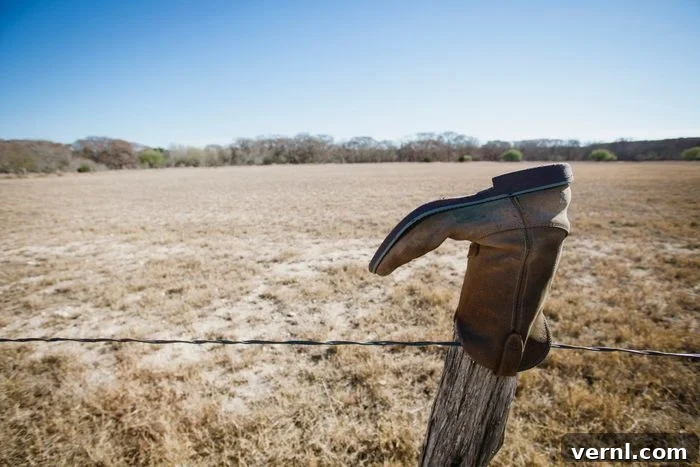
The tradition of placing a boot on a fence post is far more than mere decoration; it’s a silent testament to the deep-seated values and emotional bonds prevalent in ranching communities. States like Missouri, as noted by Texas-based radio station 100.9 The Eagle, are among those where this custom is widely observed, a tradition so significant that locals advise against disturbing it. Educational resource website The Classroom further illuminates some of the most common reasons behind this practice, each reason offering a poignant glimpse into the life of a rancher or cowboy. Whatever the underlying meaning, one consistent message rings clear: when you encounter a boot on a farm fence post, it carries significance and should always be left undisturbed out of respect.
A Solemn Memorial for a Cherished Horse
Few bonds are as profound as that between a cowboy and his horse. For many in ranch country, a horse is not merely an animal or a tool; it is a partner, a confidant, and an extension of the cowboy himself. These magnificent creatures often become daily workhorses, integral to every aspect of ranch operation, from herding cattle to traversing vast landscapes. When a special horse, one with whom a cowboy has shared countless sunrises and challenges, is sold or passes away, the loss can be deeply felt. In a touching display of respect and remembrance, a cowboy might hang a pair of his own worn boots on a fence post. This act symbolizes not only the enduring bond they shared but also a heartfelt tribute to the animal’s unwavering loyalty and invaluable contribution to the rancher’s life and livelihood. It’s a quiet, visible memorial to a trusted companion, marking their final ride.
Honoring a Fallen Rancher or Comrade
Ranching communities, by their very nature, are often close-knit and interdependent. Life on the land can be challenging, demanding resilience, hard work, and mutual support. When a fellow rancher, a friend, or a comrade passes away, the impact is felt throughout the community. In a gesture of mourning and remembrance, a boot may be solemnly placed on a fence post. This act serves as a silent vigil, a visible marker acknowledging the life and contributions of the departed. It’s a powerful, non-verbal expression of solidarity and respect, a way for the community to collectively grieve and honor someone who was integral to their shared way of life. The boot becomes a poignant memorial, standing sentinel as a reminder of a life lived and a legacy left behind.
A Testament to Hard Work and Dedication
The life of a rancher is one defined by relentless hard work, enduring long days under the sun, navigating challenging terrain, and facing unpredictable elements. Through it all, a rancher’s boots are their constant companions, absorbing the dust, mud, and miles alongside them. These boots become more than just footwear; they are tools, protectors, and silent witnesses to countless hours of labor and perseverance. Ranchers often develop a profound attachment to their boots, which bear the marks of every journey and every task. When a pair of boots finally wears out, having given their all, it’s a cherished tradition to hang them on a fence. This act isn’t just about discarding old gear; it’s a symbolic retirement, a proud display of the boots’ service and the sheer hard work they made possible. Each scuff and worn patch tells a story of dedication and resilience, celebrating a life lived in harmony with the land.
An Old-World ‘I’m Home’ Message
Before the advent of modern telecommunications, communication in rural areas was often reliant on visible signals and established customs. In an older, less connected era, the act of hanging boots on a fence post could serve a very practical purpose: signaling a rancher’s presence. This tradition was a subtle yet effective way to let neighbors, traveling salesmen, or even family members know that the rancher was home. In a world without telephones or instant messaging, such visible cues were vital for community awareness and informal communication. It spoke to a time when hospitality and awareness of one’s neighbors were paramount, ensuring that visitors knew when it was appropriate to stop by or when a rancher might be available. This simple gesture helped foster a sense of community and connection in isolated rural settings.
Beyond the Ranch: Uncovering Other Fascinating Home Traditions Across America
While ranching traditions offer a unique insight into rural life, America is dotted with countless other little-known home customs, each with its own intriguing backstory, whether found on a sprawling ranch or in a suburban home. These traditions, often steeped in folklore, superstition, or practical wisdom, provide a glimpse into the diverse cultural tapestry of the nation.
The Enigmatic ‘Haint Blue’ Porch Ceiling
One striking example of a regional custom is the painting of a porch ceiling blue, particularly prevalent in the American South. This distinctive shade, often referred to as “haint blue,” is far from a mere aesthetic choice; it is deeply rooted in a fascinating superstitious tradition. Originating from Gullah Geechee culture, the belief is that this specific hue of blue, mimicking the color of water, can ward off evil spirits or “haints” that might attempt to cross into the home. It’s thought that these spirits perceive the blue as water, preventing them from passing. Beyond its spiritual significance, “haint blue” is also believed to have a more practical benefit: according to The Porch, it is thought to scare off mosquitos and other insects, a welcome side effect in the often-humid Southern climate. Whether spiritual or practical, this tradition adds a layer of mystical charm to Southern homes.
The Stark Warning of a Painted Purple Fence
If you encounter a fence painted purple in certain parts of the United States, heed the warning: it means you’re about to trespass. This isn’t a random artistic choice but a legally recognized “No Trespassing” sign with exceptional staying power. In many rural areas, traditional signs are susceptible to being lost, damaged, stolen, or obscured by foliage. Purple paint, however, offers a more permanent and visible warning to anyone approaching private property. Several states, particularly in the South and Midwest, have laws specifically recognizing purple paint as an official marker for private land boundaries, making it a clear and unmistakable deterrent against unauthorized entry. It’s a brilliant fusion of practical necessity and legal clarity, protecting property rights with a simple splash of color.
The Ancient Luck of a Horseshoe Above the Door
The sight of an iron horseshoe nailed above a doorway is a widely recognized symbol, universally associated with good fortune and protection. This charming superstition, as Wide Open Country explains, stems back to ancient Irish folklore and has since permeated various cultures, becoming particularly synonymous with Western cowboy culture. The belief in the horseshoe’s protective powers is multifaceted, involving its iron material (believed to ward off evil), its crescent shape (associated with protective symbols), and its history with blacksmiths, who were often thought to possess magical abilities. Legend has it that nailing a horseshoe above a door can ward off evil spirits, witches, and even the devil himself. While there’s ongoing debate about whether the open ends should point up (to catch and hold luck) or down (to pour luck over those who pass), its presence invariably signifies a wish for good fortune and a shield against misfortune.
Other Intriguing Customs You Might Encounter
The tapestry of American traditions is rich and varied, with many subtle meanings embedded in everyday observations. For instance, there’s meaning behind painted trees in urban or forest settings, often used to mark boundaries, trail paths, or even designate trees for specific purposes like preservation or harvesting. Similarly, you might wonder about the significance of green porch lights, which frequently symbolize support for military veterans or specific awareness causes. And if you’ve ever spotted dryer sheets in mailboxes, it’s often a simple, practical hack by mail carriers to deter insects or to freshen the box. These seemingly minor details are all threads in the rich fabric of American customs, each telling a story of practicality, belief, or community connection.
Ultimately, these traditions, whether they involve a boot on a fence post or a blue porch ceiling, are more than just quaint relics of the past. They are living symbols that connect us to history, community, and the shared human experience of living on the land. They remind us that even the most ordinary objects can carry extraordinary meaning, waiting to be understood and respected. So, the next time you’re near a ranch or traversing rural landscapes, remember to observe these silent customs with curiosity and reverence, allowing their untold stories to resonate.