
A common household pest, the cockroach infects homes, businesses, and yards all over the world. These resilient creatures are more than just a nuisance; they can pose significant health risks and create an unsanitary environment. If spotted, it is crucial to act swiftly and decisively to remove them from your property and implement robust preventative measures to ensure they do not return. Understanding their habits, appearance, and preferred environments is the first step in effective cockroach management and ensuring a healthy living space.
How To Identify Cockroaches: Unmasking the Nocturnal Invaders
Recognizing the signs of cockroaches and identifying the pests themselves is paramount to successful eradication. These secretive insects often operate under the cover of darkness, making visual identification challenging but not impossible. Knowing what to look for can turn a potential infestation into a manageable situation.
What Are Cockroaches? An Ancient and Persistent Pest
Cockroaches belong to the Blattodea order, an ancient group of insects that also includes termites. These fascinating yet feared creatures have roamed the Earth for millions of years, adapting to countless environments, which explains their incredible resilience. They are highly social insects, predisposed to grouping together, often forming large colonies in hidden locations. Their primary objective revolves around scavenging for food and shelter, which is why they frequently infiltrate human dwellings. Cockroaches are drawn to homes offering a trifecta of ideal conditions: readily available food sources, a moist environment, and numerous protective locations to hide and breed. Understanding these fundamental needs is key to disrupting their lifecycle and making your home inhospitable to them.
What Do Cockroaches Look Like? A Closer Look at Their Anatomy
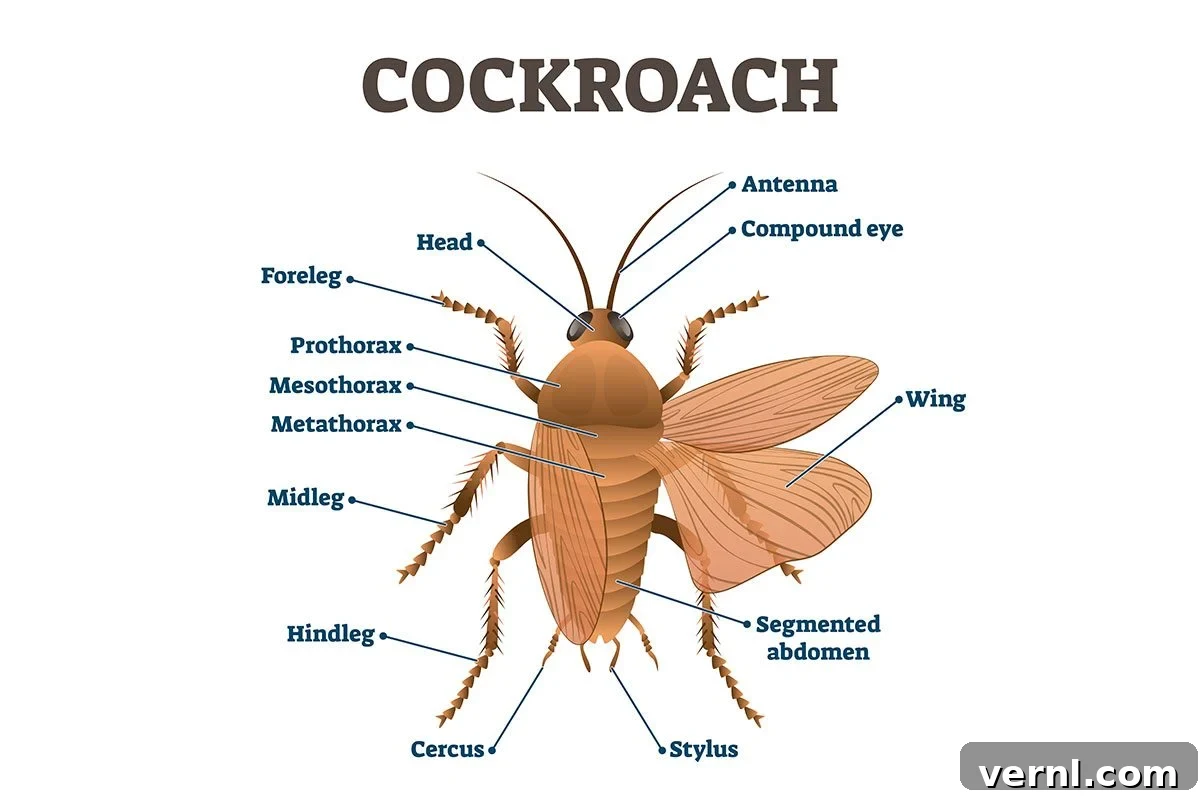
Cockroaches are distinctive for their flat, oval bodies, often described as having a leathery or shield-like back. Their color varies significantly by species, generally ranging from a light reddish-brown to a darker brownish-black. While the average household roach is about one to two inches long, some species can grow considerably larger, particularly in warmer, more humid climates. Their anatomy is well-suited for their nocturnal, scavenging lifestyle: a small head, two impressively long and sensitive antennae used for navigation and detecting food, six sturdy legs enabling fast movement, and two wings (though not all species fly, and some only glide short distances). Their hardened exterior, known as an exoskeleton, provides excellent protection. A key characteristic that allows them to thrive in various hidden spots is their ability to flatten their bodies, enabling them to squeeze through incredibly narrow cracks and crevices, often no thicker than a coin.
Types of Cockroaches: Identifying the Common Culprits
With over 4,600 identified species worldwide, cockroaches inhabit virtually every climate, from the freezing Arctic to the scorching African Savannah. Fortunately, only a small fraction of these species are considered common household pests. In the United States, homeowners are most likely to encounter a handful of prominent species, each with distinct characteristics and preferred habitats. These include:
- The German Cockroach: Small, light brown, with two dark stripes on their pronotum (the shield-like plate behind the head). They are notorious for rapid reproduction and are often found in kitchens and bathrooms, preferring warm, humid conditions.
- The Oriental Cockroach: Larger and darker, typically shiny black or dark brown. Often called “water bugs,” they thrive in cool, damp places like basements, sewers, drains, and crawl spaces. They are less agile than other species and prefer to stay close to the ground.
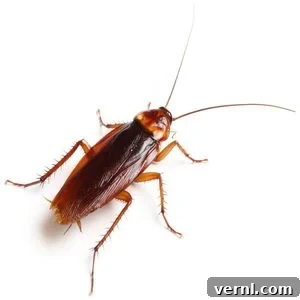
- The American Cockroach: The largest of the common house-infesting roaches, reddish-brown with a yellow figure-eight pattern on their head. They prefer warm, moist environments and are frequently found in basements, sewers, and steam tunnels, often entering homes through drains or gaps.
- The Brown-Banded Cockroach: Smaller than the German cockroach, light brown with two lighter bands across their wings. Unlike other species, they prefer warmer, drier locations, often found in bedrooms, closets, and high up on walls or ceilings, away from water sources.
- The Smokybrown Cockroach: Uniformly dark brown to mahogany, with a glossy appearance. They are strong fliers and are typically found outdoors in tree holes, mulch, and woodpiles, but can invade homes, often entering through attics or vents.
Understanding these common types of cockroaches can help you tailor your pest control efforts more effectively.
Cockroach Behaviors: Habits That Lead to Infestation
Cockroaches are driven by fundamental instincts: survival, food, and reproduction. Their behaviors are highly adaptive, making them formidable adversaries in pest control. While they exhibit social tendencies by grouping together, their individual actions are primarily focused on satisfying their basic needs, often at the expense of human health and comfort.
What Do Cockroaches Eat? The Ultimate Omnivore
Cockroaches are among the oldest living omnivores, renowned for their incredibly indiscriminate diet. As true scavengers, they are perhaps the least picky eaters on the planet; virtually any organic substance will suffice. This extensive palate makes them particularly challenging to manage within a household setting. Beyond typical household foods like meats, fruits, vegetables, and bread, cockroaches will consume a vast array of less conventional items. This includes non-food organic matter such as paper products, fabrics, glue, book bindings, hair, eyelashes, fingernail clippings, cosmetics, decaying plant and animal matter, and even human or animal waste. Their ability to derive nutrition from such diverse sources enables them to survive and thrive in even the most unsanitary conditions, making them efficient vectors for disease and bacteria transmission.
Cockroach Environment: Where They Thrive
As predominantly nocturnal insects, cockroaches are masters of concealment. They spend their daylight hours hidden away in dark, secluded spots, only emerging at night to hunt for food and water. Their ideal environment is characterized by moisture, warmth, and abundant hiding places with easy access to food sources. This is why it’s common to find cockroaches in and around pipes, sinks, bathtubs, drains, and other damp areas within a home. Leaky plumbing, condensation, and general humidity create the perfect breeding grounds. They are also attracted to the warmth generated by appliances and electrical devices. These concealed, moist, and warm locations provide them with the security they need from predators (including humans) and the optimal conditions for reproduction.
Where Do Cockroaches Live? Common Hiding Spots
Cockroaches demonstrate remarkable adaptability, surviving in diverse environments across the globe. Within a home, their ability to flatten their bodies allows them to inhabit an astonishing array of tiny spaces, making them difficult to locate and eradicate. Common indoor hiding spots include:
- **Kitchens:** Behind and under large appliances like refrigerators, stoves, and dishwashers, where warmth, moisture, and food crumbs are plentiful. Inside cabinets and drawers, especially those near plumbing.
- **Bathrooms:** Under sinks, around toilets, in shower drains, and behind wall tiles, drawn by moisture and warmth.
- **Laundry Rooms:** Near washing machines and dryers, which provide warmth and occasional moisture.
- **Utility Areas:** Within utility closets, basements, and crawl spaces, particularly if they are damp and cluttered.
- **Behind Walls:** Inside wall voids, often gaining access through small cracks or openings around utility lines.
- **Electronics:** Inside machinery motors, microwaves, computers, and other electronic devices, attracted by the warmth.
- **Clutter:** In piles of newspapers, cardboard boxes, forgotten groceries, and other stored items that offer shelter.
Their knack for finding and exploiting these hidden havens means that a single visible cockroach often indicates a much larger, unseen population lurking nearby.
Cockroach Life Cycle: Rapid Reproduction
Understanding the cockroach life cycle is crucial for effective pest control, as it highlights their rapid reproductive capabilities. Cockroaches undergo incomplete metamorphosis, which means they pass through three distinct stages: egg, nymph, and adult.
- **Eggs:** Female cockroaches produce egg cases called oothecae, which can contain multiple eggs (ranging from 10 to 50, depending on the species). These oothecae are often carried by the female for a period before being deposited in a protected location, such as cracks, crevices, or behind furniture.
- **Nymphs:** Once hatched, the eggs release nymphs, which are immature cockroaches. Nymphs resemble miniature adults but are wingless and often lighter in color. They grow by molting their exoskeleton multiple times, gradually increasing in size and developing their adult features. This stage can last for several weeks to many months, again depending on the species and environmental conditions.
- **Adults:** After the final molt, the nymph matures into an adult cockroach, capable of reproduction. Adult lifespan can range from a few months to over a year. A single female cockroach can produce numerous oothecae throughout her life, leading to exponential population growth if left unchecked.
The speed and efficiency of their reproductive cycle mean that a small initial population can quickly escalate into a full-blown infestation, emphasizing the importance of early detection and intervention.
Cockroaches in the House: From Detection to Elimination
Discovering even a single cockroach in your home is a strong indicator that more are present. Given their secretive nature and unsanitary habits, cockroaches are one pest that demands immediate and thorough action. Ignoring their presence can lead to significant health concerns and a rapidly expanding infestation.
Signs of Cockroaches: Early Warning Signals
When cockroaches infiltrate a home or office, they leave behind several unmistakable clues of their presence, even if the pests themselves remain out of sight. Recognizing these signs of cockroaches is crucial for early detection and intervention.
- **Droppings:** As much as cockroaches eat, they produce a proportional amount of waste. Droppings can appear as small, dark specks resembling coffee grounds or black pepper for smaller species (like German cockroaches), or larger, cylindrical pellets for bigger species (like American cockroaches). These are often found in areas where cockroaches feed or hide, such as inside cabinets, drawers, on countertops, or behind appliances.
- **Bad Smells:** A strong, oily, or musty odor often permeates areas with heavy cockroach activity. This distinctive smell comes from their excretions, pheromones, and decaying bodies, and can taint food and surfaces. If you notice an unexplained bad smell, especially in humid or enclosed spaces, it could indicate an infestation.
- **Egg Casings (Oothecae):** Female cockroaches deposit their eggs in protective capsules called oothecae. These casings vary in size and shape by species but are typically small, elongated, and dark brown. Finding empty or full oothecae in secluded areas like behind furniture, in cracks, or under sinks confirms breeding activity and an established population.
- **Old Skins (Molted Exoskeletons):** As cockroaches grow, they shed their outer shell, or exoskeleton, multiple times during their nymphal stages. These cast skins, resembling translucent, hollow cockroach shells, are another clear sign of their presence and growth within your home. They are often found in hidden areas near their hiding spots.
- **Live Sightings:** The most definitive sign is seeing a live cockroach, especially during the day. While primarily nocturnal, daytime sightings often indicate a large population competing for resources or a severe infestation pushing them out of their hiding spots.
Upon observing any of these signs, it’s vital to take immediate action to prevent the infestation from worsening.
Cockroach Infestations: When Problems Escalate
When signs such as numerous droppings, persistent foul smells, and recurring egg shells become clear, a full-blown cockroach infestation is highly probable. Infestations escalate rapidly due to their quick reproductive cycle and secretive nature. Cockroaches often gather in suitable environments that offer warmth, moisture, and food. Therefore, specific rooms demand careful inspection. Pay close attention to rooms like the bathroom, kitchen, and laundry room, as these are prime locations where many cockroaches might be congregating, often hidden within wall voids, behind appliances, or beneath sinks. An unchecked infestation not only multiplies the sheer number of pests but also dramatically increases the associated health risks and structural damage potential.
Cockroach Pest Control: Strategies for Elimination
Cockroaches are efficient transporters of disease and bacteria, potentially causing significant health issues for the inhabitants of an infested property. If roaches have established themselves in a home or business, it is imperative to get rid of cockroaches quickly and effectively to prevent further problems and safeguard health. A multi-faceted approach is often required, combining various methods for removing and killing cockroaches:
- **Cleaning and Sanitation:** This is the foundational step. Thoroughly clean all surfaces, remove clutter, vacuum regularly, and eliminate accessible food sources and water. Store food in airtight containers, wipe down crumbs, and fix leaky pipes.
- **Traps:** Sticky traps can be effective for monitoring cockroach activity and catching smaller populations. Place them along walls, under sinks, and near suspected entry points. While useful for assessment, traps alone are rarely sufficient for eradicating an established infestation.
- **Baits:** Baits, typically gel or solid formulations containing an insecticide mixed with an attractive food source, are highly effective. Cockroaches consume the bait and carry it back to their nests, sharing it with others, leading to a domino effect that can eliminate entire colonies. Proper placement in hidden areas is crucial.
- **Pesticides:** For severe infestations, targeted insecticide sprays or dusts might be necessary. These can be applied by homeowners for less severe cases (following all label instructions carefully) or, more effectively, by a professional pest control service. Professional-grade pesticides are more potent and can reach hidden areas that DIY solutions cannot.
You might also explore best roach killers for apartments specifically designed for multi-unit dwellings. Remember, consistent application and a combination of methods yield the best results.
Preventing Cockroaches: Keeping Them Out for Good
Once the cockroaches are gone and your home is secure, the next critical step is to implement preventative measures to ensure they stay out. Creating an unattractive pest environment is essential for long-term control. Such ways to prevent cockroaches from returning include:
- **Thorough Cleaning and Removing Clutter:** Maintain impeccable hygiene. Regularly clean floors, countertops, and appliances. Eliminate food crumbs and spills immediately. Reduce clutter in basements, attics, and storage areas, as these provide ideal hiding spots.
- **Sealing Openings to the House:** Inspect your home for any cracks, gaps, or holes in walls, floors, and around utility pipes. Seal these entry points with caulk, steel wool, or expanding foam to block cockroach access from the outside.
- **Checking for Plumbing Leaks:** Promptly repair any leaky faucets, pipes, or drains. Even small leaks can provide the essential moisture that cockroaches need to survive and thrive. Ensure good ventilation in bathrooms and kitchens to reduce humidity.
- **Removing Exposed Food:** Store all food, including pet food, in airtight containers. Do not leave dirty dishes in the sink overnight. Empty trash cans regularly and use bins with tight-fitting lids.
- **Using Cockroach Repellents:** While repellents don’t kill cockroaches, they can deter them from entering certain areas. Natural options like essential oils (peppermint, eucalyptus) or commercial repellents can be used around entry points and hidden spots.
Consistency in these preventative actions is key to maintaining a cockroach-free home.
Cockroach Safety: Understanding the Risks
While cockroaches play a role in natural ecosystems, primarily as decomposers and even contributing to some ecological benefits as pollinators in wild settings, their presence indoors is overwhelmingly detrimental. For homes and businesses, the invasion of roaches is never a welcome sight, and their impact extends far beyond mere annoyance.
Since roaches consume virtually everything they can find, they also leave waste and excretions wherever they travel. This creates a filthy environment, contaminating food preparation surfaces, utensils, and food items themselves. This contamination is not just aesthetically displeasing; it is a significant health hazard.
Through their waste, natural excretions, and by simply crawling across various surfaces, cockroaches transport disease and bacteria. They can pick up pathogens from sewers, garbage, and decaying matter, then transfer these to human food and surfaces. They are known carriers of bacteria like Salmonella and E. coli, which can cause food poisoning, as well as various viruses and parasitic worms. Furthermore, cockroach droppings, shed skins, and saliva contain allergens that can trigger allergic reactions and exacerbate asthma symptoms, particularly in children and individuals with respiratory sensitivities. The accumulation of these allergens over time can significantly diminish indoor air quality.
All in all, if you are living or working where cockroaches are present, prompt and decisive steps must be taken to get rid of them. Whether you choose to deal with the cockroach problem yourself using DIY methods or opt for hiring a professional exterminator, quick and thoughtful action should always be the next step. Protecting your health and property from these persistent pests is paramount.
Cockroach Resources
For more comprehensive information about cockroaches, their impact, and effective strategies for control, explore these detailed pest control articles. These resources offer deeper insights into identification, eradication, and prevention, empowering you to better manage this common household pest.
- Cockroach Guide
- Types of Cockroaches
- How to Get Rid of Cockroaches
- Ways to Kill Cockroaches
- How to Prevent Cockroaches
- Cockroach Infestations
- Cockroach Life Cycle
- Cockroach Safety
- Cockroach Facts
Sources
- https://extension.umn.edu/insects-infest-homes/cockroaches
- http://npic.orst.edu/pest/roach.html
- https://www.who.int/water_sanitation_health/resources/vector288to301.pdf