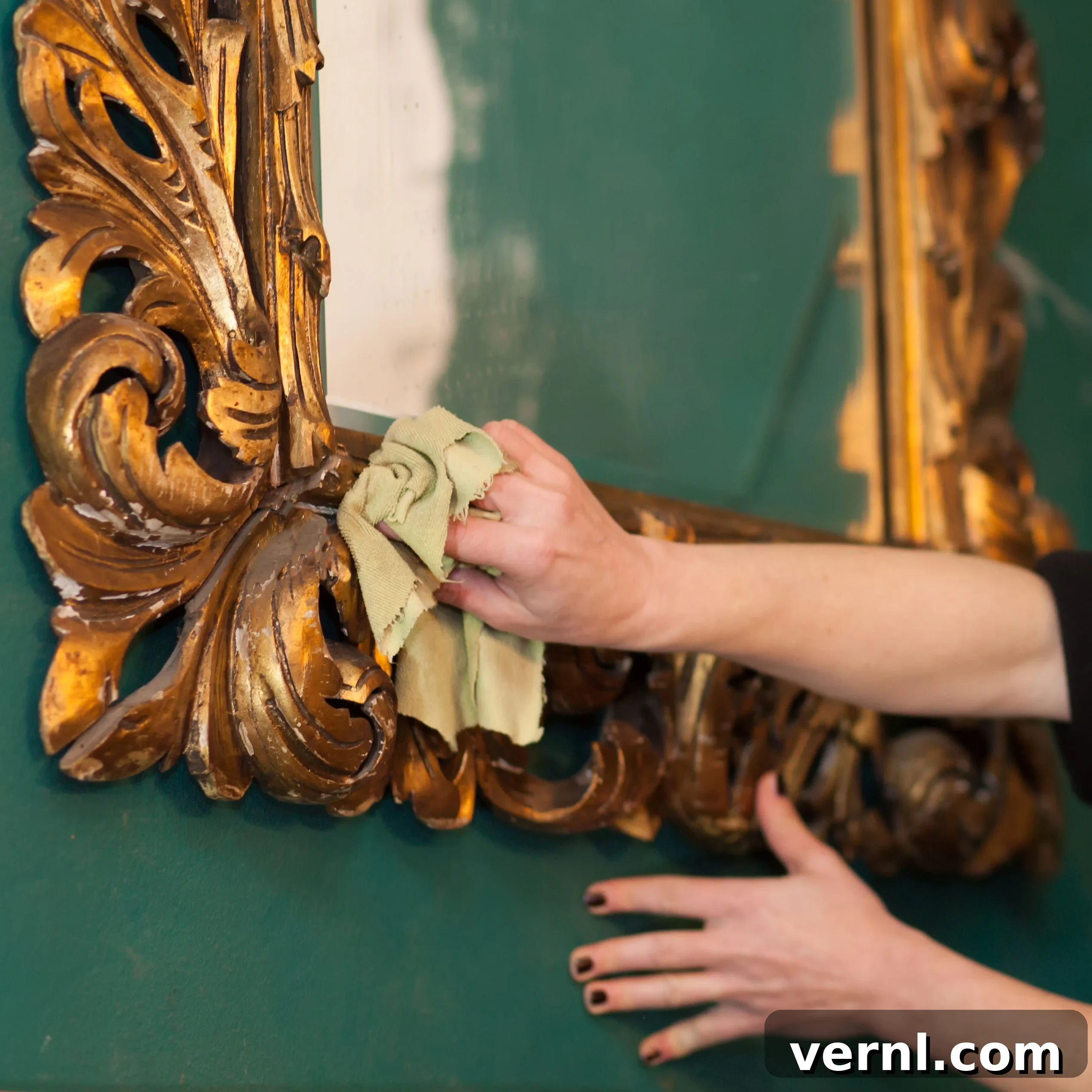
Gold, with its timeless appeal and inherent value, has adorned humanity for centuries. From delicate jewelry and intricate heirlooms to elegant home décor and cherished personal items, its lustrous gleam adds a touch of sophistication and warmth to any setting. However, over time, even the most exquisite gold can lose its sparkle, becoming dull and tarnished due to everyday exposure. Understanding how to properly clean and maintain your gold pieces is essential to preserve their beauty, integrity, and shine for generations to come.
The good news is that restoring gold’s brilliance is often a straightforward process that can be done at home with common household items or specialized cleaning solutions. “Once every six months should be enough for general cleaning,” advises Gabrielle Martin, a supervisor at Bio Recovery, a professional cleaning company. “Cleaning gold too often can damage the surface.” The key is consistency and using the right method for the specific type of gold and degree of tarnish. With a little patience and the correct approach, you can keep your gold items looking as vibrant and beautiful as the day you first acquired them.
Understanding Why Gold Needs Cleaning
While gold itself is highly resistant to corrosion and rust, the alloys mixed with pure gold (to increase its hardness and durability, or to create different colors like white or rose gold) can react with elements in the environment. This is often the cause of tarnish. Beyond chemical reactions, gold items accumulate dirt, skin oils, cosmetics, lotions, dust, and other residues from daily wear and exposure. These contaminants form a dull film on the surface, diminishing its natural luster. Regular cleaning not only removes this unsightly buildup but also helps protect the metal from potential long-term damage, ensuring your gold remains a cherished possession.
General Precautions Before You Begin
Before embarking on any gold cleaning mission, a few preliminary steps can prevent potential mishaps and ensure a successful outcome:
- Inspect Your Gold: Carefully examine your gold items for any loose gemstones, delicate settings, or signs of damage. If you find any, it’s best to consult a professional jeweler before attempting to clean them yourself, as aggressive cleaning could exacerbate existing problems.
- Gather Your Supplies: Ensure you have all necessary materials on hand, such as soft cloths, appropriate cleaning solutions, and a soft-bristle brush, to streamline the process.
- Choose the Right Method: Consider the type of gold (pure, karat, plated, white, rose) and the presence of any gemstones. Some methods are too abrasive or reactive for certain materials.
- Be Gentle: Regardless of the method chosen, gentleness is paramount. Gold, especially higher karat gold, can be surprisingly soft and prone to scratches.
Method 1: How to Clean Gold with Mild Dish Soap – The Everyday Solution
For routine cleaning and removing everyday grime, a simple mild dish soap solution is often the most effective and safest option. It’s gentle enough for most types of gold, including pieces with diamonds and other hard gemstones, and works by breaking down oils and dirt without harsh chemicals.
What You’ll Need:
- Mild dish soap (avoid soaps with harsh chemicals, strong degreasers, or abrasive particles)
- Warm water (not hot)
- A small bowl or container
- A soft-bristle toothbrush (an old, clean one works well) or a soft microfiber cleaning cloth
- A clean, soft cloth for drying
Step-by-Step Instructions:
- Prepare the Solution: Fill a small bowl with warm (not hot) water. Add one to two tablespoons of mild dish soap to the water, stirring gently to create a soapy mixture.
- Soak Your Gold: Carefully place your gold items into the soapy water, ensuring they are fully submerged. Let them soak for about 15 to 20 minutes. This allows the soap to penetrate and loosen any accumulated dirt, oils, and residue.
- Gentle Scrub: After soaking, remove the items one by one. If there’s still visible dirt or grime, gently scrub the surface with a soft-bristle toothbrush. Pay particular attention to intricate designs, crevices, and areas around gemstones where dirt tends to accumulate. Remember to be as gentle as possible to avoid scratching the gold. “You don’t want to scrub the gold too vigorously, or you can leave micro scratches on the surface that become more apparent over time,” Martin cautions.
- Rinse Thoroughly: Rinse each gold item under warm, running water to wash away all traces of soap and loosened debris. Ensure no soapy residue remains, as this can dull the shine once dry.
- Blot Dry: Gently blot the gold items dry with a clean, soft, lint-free cloth. You can also allow them to air dry completely on a soft cloth before storing or wearing them. Ensure they are thoroughly dry to prevent water spots or mineral buildup.
Method 2: How to Clean Gold with Salt and Baking Soda – Tackling Tarnish
When your gold pieces exhibit signs of tarnish, the combination of salt and baking soda can be a surprisingly powerful and natural cleaning solution. This method works through an electrochemical reaction, particularly effective at breaking down and removing sulfur compounds that cause tarnish.
What You’ll Need:
- Aluminum foil (optional, but enhances effectiveness)
- A mixing-sized bowl
- Hot water (can be slightly hotter than for dish soap method, but not boiling)
- Salt (table salt works fine)
- Baking soda
- A drop or two of mild dish soap (optional, but aids in grease removal)
- A soft-bristle toothbrush or microfiber cloth
- A clean, soft cloth for drying
Step-by-Step Instructions:
- Prepare the Bowl: Line the bottom of your bowl with a piece of aluminum foil, shiny side up. This creates the necessary environment for the electrochemical reaction.
- Create the Cleaning Mixture: Add equal parts salt and baking soda to the bowl. For example, one tablespoon of salt and one tablespoon of baking soda. You can also add a drop or two of mild dish soap if desired, to help with any greasy residue.
- Add Hot Water: Carefully pour hot water into the bowl, ensuring it’s hot enough to dissolve the salt and baking soda but not scalding. Stir gently until the powders dissolve.
- Soak the Gold: Place your tarnished gold items directly into the solution, ensuring they are in contact with the aluminum foil. Let them soak for about 10 to 15 minutes. For heavily tarnished items, you might extend the soaking time slightly.
- Gentle Scrub (if needed): After soaking, remove the items. If any tarnish or residue remains, gently scrub the gold with a soft-bristle toothbrush. The reaction should have loosened most of the tarnish, making scrubbing minimal.
- Rinse and Dry: Rinse the gold thoroughly under warm running water to remove all traces of the cleaning solution and any loosened tarnish. Gently pat dry with a clean, soft microfiber cloth, ensuring no moisture is left behind.
Important Caution: This method involves hot water and a mild abrasive. It is generally not recommended for gold items with soft, porous, or organic gemstones such as pearls, opals, emeralds, coral, or turquoise, as the heat and chemicals can cause damage or discoloration.
Method 3: How to Clean Gold with Sparkling Water – The Carbonation Trick
Sparkling water might seem like an unconventional cleaning agent, but its carbonation can be surprisingly effective for refreshing dull gold. The carbon dioxide in sparkling water helps to gently dislodge trapped dirt and oils from the surface and intricate crevices of gold, giving it a renewed shine.
What You’ll Need:
- Unflavored, unsweetened sparkling water (club soda or seltzer works too)
- A small bowl or glass
- A soft-bristle toothbrush (optional)
- A clean, soft cloth for drying
Step-by-Step Instructions:
- Prepare the Soak: Pour sparkling water into a bowl or glass. Ensure it’s enough to completely submerge your gold items.
- Submerge and Soak: Place your gold items into the sparkling water, making sure they are fully covered. Let them soak for approximately 10 to 15 minutes. You might observe tiny bubbles forming on the surface of the gold, which indicates the carbonation is at work.
- Light Scrub (optional): If there are particularly stubborn spots, you can gently brush the gold with a soft-bristle toothbrush after soaking.
- Rinse and Dry: Remove the gold from the sparkling water and rinse it under warm, running water. Finally, gently pat the gold dry with a clean, soft cloth.
This method is excellent for a quick refresh and is generally safe for most gold items, including those with delicate gemstones, as it avoids harsh chemicals and abrasives.
Method 4: How to Clean Gold with Professional-Grade Gold Cleaners
For gold items that are heavily tarnished, have stubborn buildup, or require a more robust cleaning solution than DIY methods can offer, professional-grade gold cleaners are an excellent choice. These specialized products are formulated to safely and effectively restore gold’s luster. When selecting a commercial cleaner, always read the label carefully to ensure it’s suitable for your specific type of gold and any accompanying gemstones.
What to Look For:
- Formulation: Cleaners come in various forms: dip solutions, polishing creams, or sprays. Dip solutions are great for intricate pieces, while creams offer polishing benefits.
- Gemstone Safety: If your gold has gemstones, ensure the cleaner is safe for those specific stones (e.g., ammonia-based cleaners can be harsh on porous or organic gems).
- Ease of Use: Some cleaners require minimal effort, while others involve a bit more rubbing or brushing.
- Brand Reputation: Opt for reputable brands known for their quality and safety.
Top-Rated Products to Consider:
-
Tarn-X Tarnish Remover: This product is highly praised for its ability to quickly and effectively remove tarnish from various metals, including gold. Its major advantage is that it often requires no scrubbing, making the cleaning process incredibly easy and efficient for tarnished pieces.
-
Hagerty Silver Foam: Despite its name, Hagerty Silver Foam is a versatile cleaner that works wonderfully on multiple metals, gold included. It’s particularly effective for antique gold pieces as it cleans and polishes in one step, restoring a deep, rich sheen without being overly aggressive.
-
Connoisseurs Precious Jewelry Cleaner: A top-rated choice, this cleaner is excellent for gold jewelry but is also suitable for smaller gold items like utensils or decorative figurines. It often comes with a convenient dip tray and a soft-bristle brush, providing a complete solution for detailed cleaning.
Always remember to follow the manufacturer’s instructions precisely when using commercial cleaners. Wear gloves if recommended, work in a well-ventilated area, and ensure proper rinsing to remove all chemical residues.
Special Considerations for Different Types of Gold
Not all gold is created equal, and understanding the nuances of different gold types is crucial for effective and safe cleaning.
Pure Gold (24K)
Pure gold is 24 karats and is extremely soft. While it’s resistant to tarnish, it’s highly susceptible to scratches and dents. Cleaning 24K gold should always be done with the gentlest methods, such as mild dish soap and warm water, using only the softest cloths and absolutely no scrubbing.
Karat Gold (10K, 14K, 18K)
Most jewelry is made from karat gold, which is an alloy of pure gold mixed with other metals like copper, silver, or zinc to enhance its hardness and durability. The lower the karat number, the higher the percentage of alloy metals, and thus, the more prone it is to tarnish. All the DIY methods discussed (dish soap, salt/baking soda, sparkling water) are generally safe for karat gold, but always exercise gentleness.
White Gold
White gold is typically an alloy of gold with white metals like palladium or nickel, often plated with rhodium to give it a bright, lustrous white finish. The rhodium plating is thin and can wear off over time, especially with abrasive cleaning. Avoid harsh scrubbing or abrasive cleaners on white gold. Mild dish soap and sparkling water are excellent choices. Eventually, white gold may need to be re-plated by a jeweler to restore its brilliant white appearance.
Rose Gold
Rose gold gets its distinctive pinkish hue from a higher concentration of copper alloyed with gold. Copper can react with air and moisture, sometimes causing rose gold to deepen in color or show slight tarnish more readily than yellow gold. Gentle cleaning with mild dish soap or sparkling water is recommended. Avoid harsh chemicals that could potentially react negatively with the copper content.
Gold-Plated and Gold Vermeil
Gold-plated items have a very thin layer of gold over a base metal, while gold vermeil has a thicker gold layer over sterling silver. Both are delicate. Aggressive cleaning, scrubbing, or harsh chemicals can easily wear away the gold layer, revealing the base metal underneath. For gold-plated and vermeil items, stick strictly to the mildest methods: lukewarm water with a tiny drop of mild dish soap, and gently wiping with a soft cloth. Never use abrasive brushes or tarnish removers designed for solid gold.
Maintaining Your Gold’s Luster: Beyond Cleaning
Regular cleaning is important, but proper care and storage can significantly reduce the need for frequent deep cleans and help maintain your gold’s shine:
- Proper Storage: Store gold items separately in soft pouches or compartmentalized jewelry boxes to prevent them from scratching each other. Keep them in a cool, dry place away from direct sunlight and humidity.
- Avoid Exposure: Remove gold jewelry before swimming (especially in chlorinated water), showering, doing household chores (using cleaning chemicals), exercising, or applying lotions, perfumes, and hairsprays.
- Regular Inspection: Periodically check your gold items for any signs of loose stones or damage, addressing issues promptly to prevent further complications.
When to Call a Professional
While DIY methods are effective for most everyday cleaning, there are instances where professional help is advisable:
- Heavy Tarnish or Damage: If your gold is severely tarnished, discolored, or has embedded dirt that home methods can’t budge, a professional jeweler has access to specialized equipment (like ultrasonic cleaners) and solutions.
- Intricate or Delicate Designs: Items with very delicate filigree work, intricate settings, or numerous small stones are best handled by experts to avoid accidental damage.
- Valuable Heirlooms or Unique Gemstones: For high-value pieces, antique gold, or items containing rare, fragile, or porous gemstones, professional cleaning ensures the utmost care and preservation.
- Repairs Needed: If a piece needs repair in addition to cleaning, always go to a professional jeweler.
By understanding the nature of gold and applying these proven cleaning and maintenance techniques, you can ensure your cherished gold items continue to radiate their captivating brilliance for years to come. Whether it’s a family heirloom, a treasured piece of jewelry, or a decorative accent, a little care goes a long way in preserving its timeless allure.